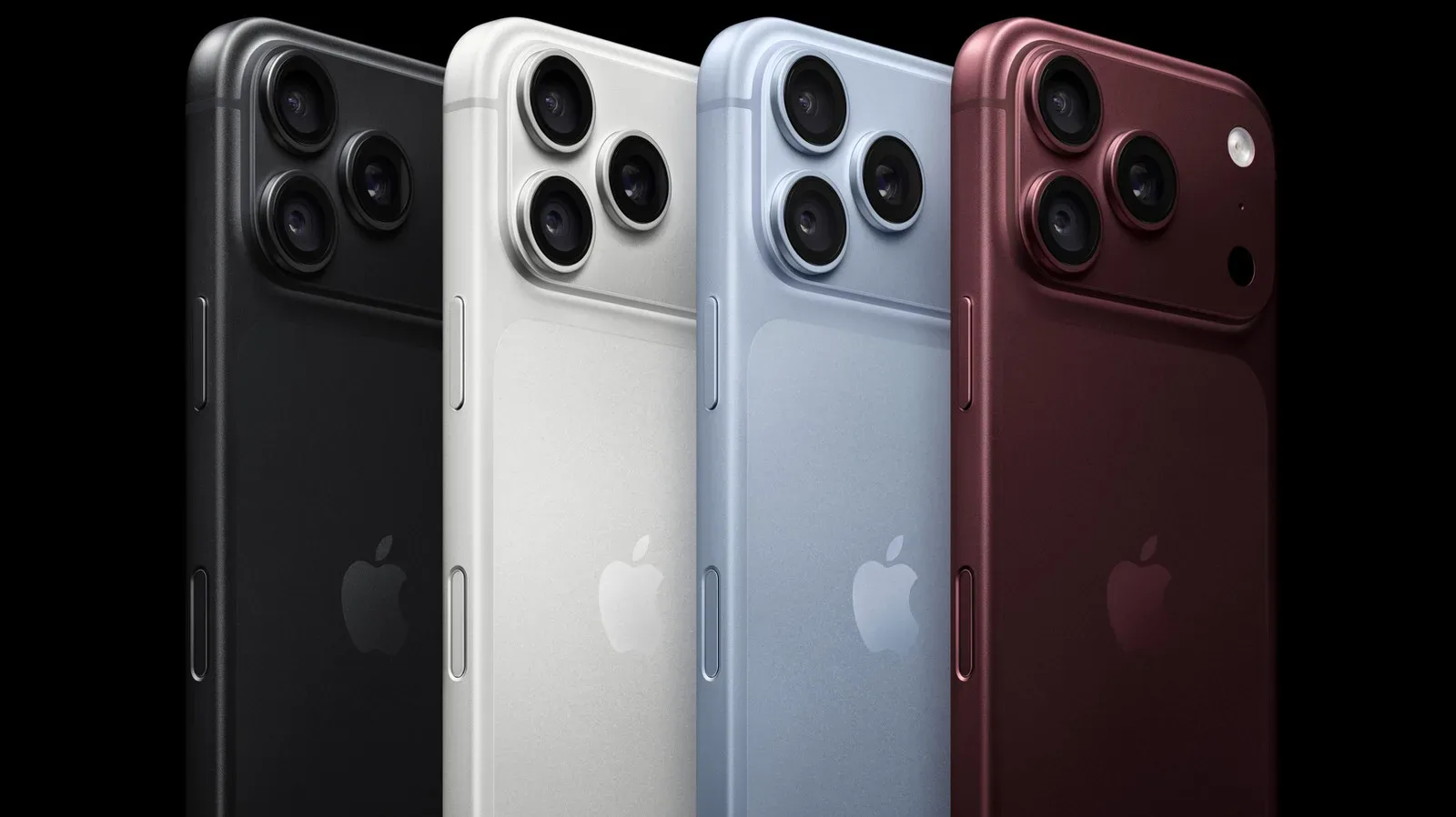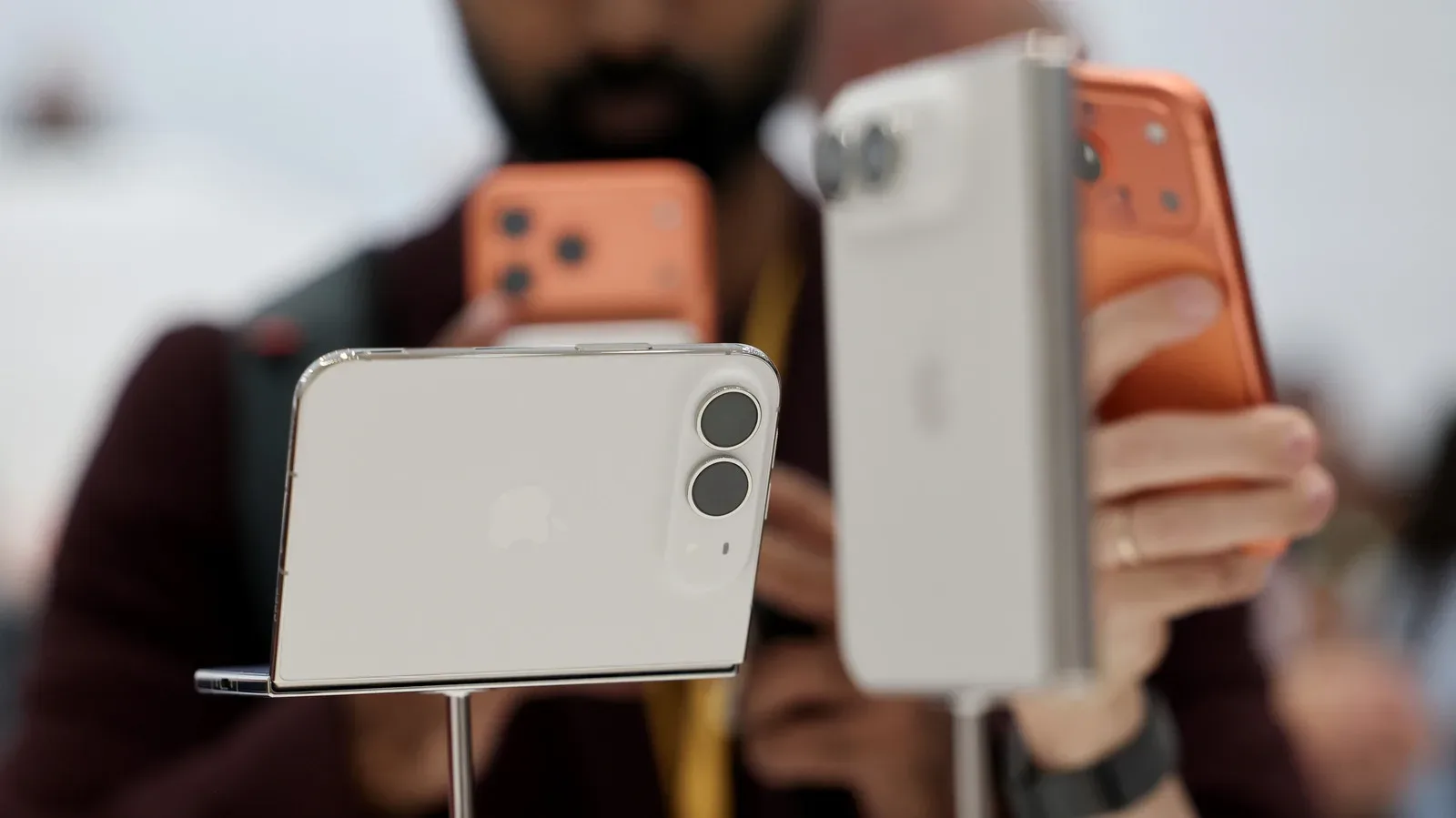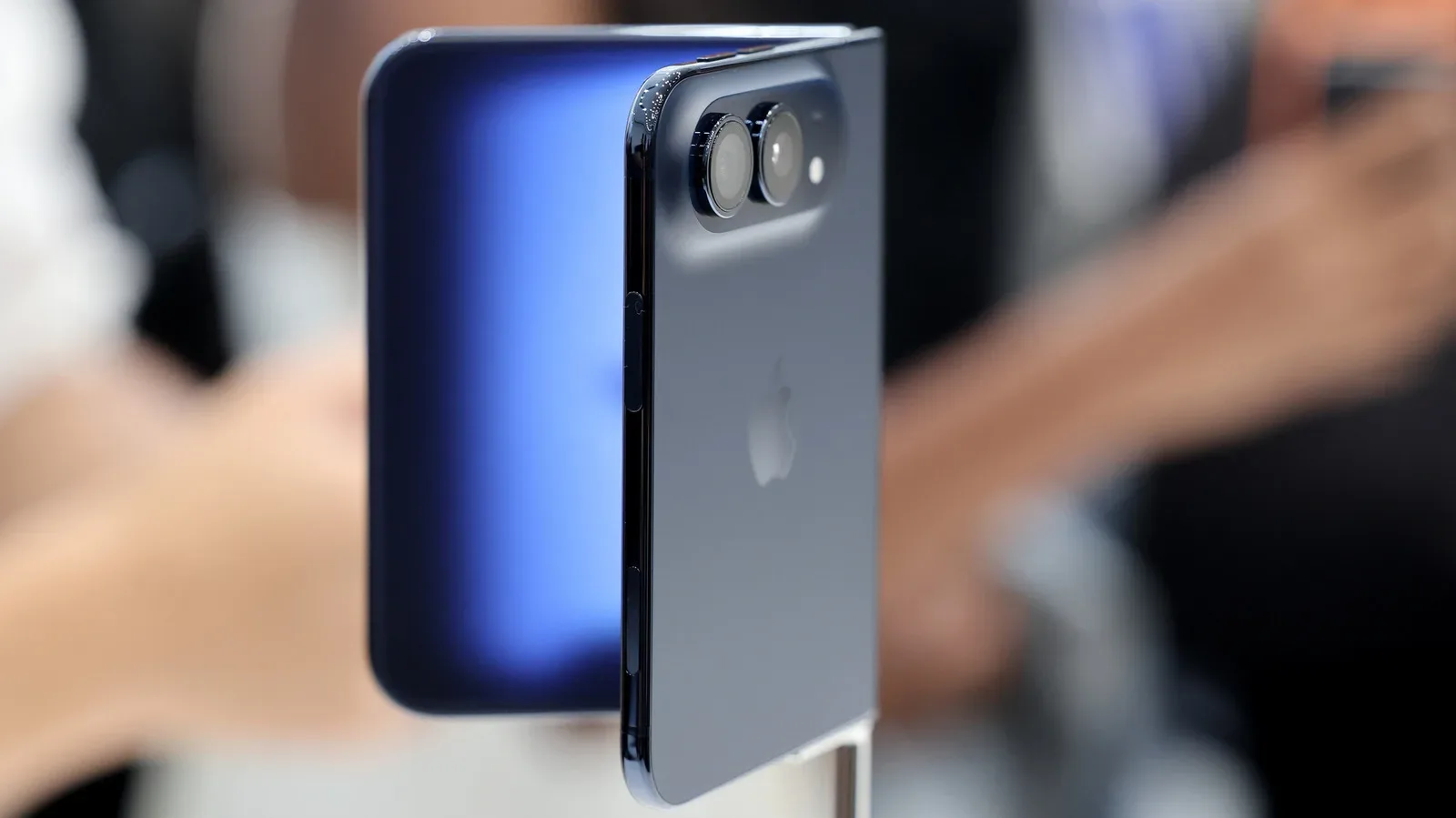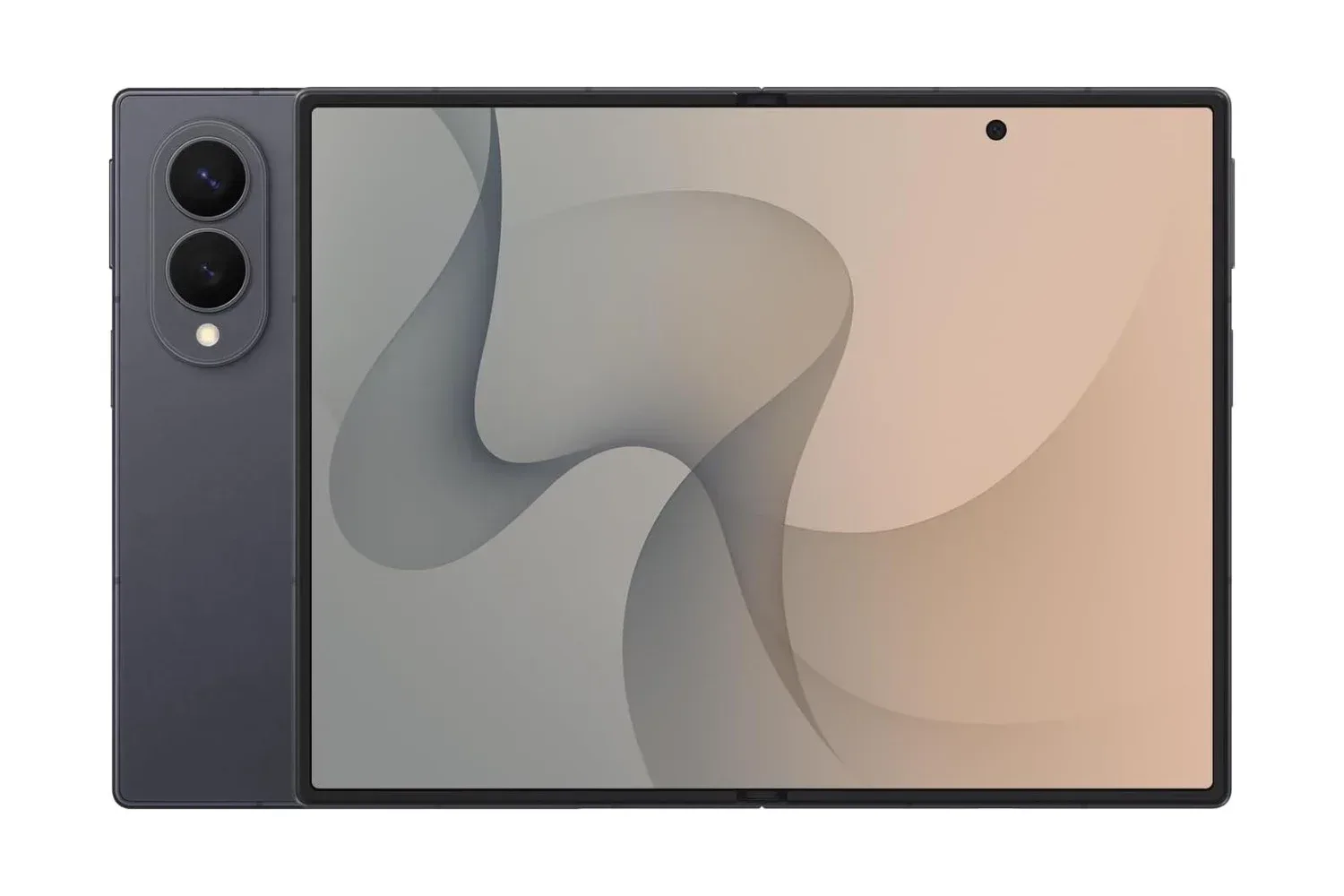
Samsung’s Galaxy Z Fold8 is listed at $1,700 on Amazon, down $200 from a stated regular price of $1,900. That is still an unmistakably premium price for a phone, but the Fold8 is trying to be more than a conventional handset: folded, it is a phone with a 5.5-inch cover display; opened, it becomes a compact, 7.6-inch tablet-shaped screen.
For people whose phone regularly becomes a video player, browser, chat machine, camera and gaming device in the same hour, the important question is not simply whether $200 off is a good-looking number. It is whether the Fold8’s particular advantages—its wide internal display, reduced weight, high-refresh screens, multitasking features and long software-support commitment—will be used often enough to justify the remaining $1,700 outlay.
The core configuration is easy to understand. The 5.5-inch external screen uses a 10:16 form factor for everyday tasks while the device is closed, including messages, web browsing and calls. Opening the hinge reveals a 7.6-inch display in a 4:3 ratio. That squarer shape is the defining part of the experience. Rather than merely enlarging a normal tall phone screen, it creates a workspace with room for two apps at once or a larger view of a game, video, web page or document.
A phone that makes more sense when it is open
The Fold8’s inner display is described as rectangular and passport-sized, and the 4:3 aspect ratio is a practical detail rather than a spec-sheet footnote. Narrower phone screens naturally favor vertically scrolling apps. A 4:3 panel instead offers more width for content, which is valuable when a player wants on-screen controls and the game world to coexist without feeling overly constrained, or when a browser page and a messaging app need to sit beside one another.
Samsung’s Multi Window capability supports side-by-side applications, while content can be dragged from one window to another. The useful everyday scenario is straightforward: keep a chat visible while looking through a web page, or leave a conversation open alongside a video. This is not a claim that every app will suddenly behave like desktop software. The practical benefit comes from having physical screen space available when an app and the task at hand can take advantage of it.
Both the cover and main displays can refresh at up to 120Hz. Refresh rate is the number of times a display can update an image each second. At 120Hz, motion such as scrolling, interface animation and compatible game action can appear smoother than on a 60Hz display. It does not independently guarantee that every game runs at 120 frames per second; software performance and its own frame-rate options still matter. But the panel is capable of presenting that faster update cadence where it is available.
The main display is also rated for a peak brightness of up to 3,000 nits. A nit is a measurement of display luminance. Higher peak brightness can help a screen remain more readable in very bright surroundings and can give compatible content more headroom, though the supplied figure should not be read as a promise that the panel will sit at that level in every app or for every length of time.
Less mass, but still a large-screen foldable proposition
Samsung lists the Galaxy Z Fold8 at 201 grams, described as the lightest Galaxy Z Fold model to date. When unfolded, it measures 4.5mm thick. Those measurements matter because a device designed around a 7.6-inch internal display has a basic tension to resolve: the more screen it offers, the more it must avoid becoming burdensome when carried and used as a normal phone.
A 201g foldable will not erase the fundamental difference between this category and a smaller, conventional handset. What it does suggest is an attempt to make the larger display more viable as a device people can keep in a pocket rather than reserve for a bag. For a prospective buyer, that is the right lens for this product. The Fold8 is not just a phone with a novelty hinge; its case rests on whether one device can plausibly cover phone and compact-tablet duties without asking its owner to carry two separate products.
The device has an IP48 rating for dust ingress and water exposure. An IP rating is a standardized form of environmental-protection classification. The supplied rating indicates that Samsung has specified resistance in both areas, but it should not be treated as a license to expose the phone to conditions beyond its stated protection. The practical takeaway is protection is part of the design, not that care around a folding device becomes unnecessary.
Gaming and sustained performance: what the hardware is intended to address
Inside the Fold8 is Qualcomm’s Snapdragon 8 Elite Gen 5 for Galaxy processor. Samsung positions it for demanding games, multiple active apps and on-device Galaxy AI processing. “On-device” means work is handled on the phone itself rather than necessarily being sent elsewhere for processing. The described Galaxy AI functions include photo edits, note summaries, real-time translation during voice calls and the ability to find particular items visible on the screen.
For games, processor muscle is only part of the equation. Sustained demanding use also produces heat, and the Fold8 includes a vapor chamber cooling system. A vapor chamber is a component intended to spread heat away from hot areas so the device can better manage thermal load. Its presence is relevant to extended gaming sessions and multitasking because modern chips may reduce performance when temperatures rise too far. It does not establish a specific performance result in a particular title, but it explains the hardware’s role in maintaining performance under load.
The bigger gaming draw is arguably the display real estate. The internal 7.6-inch panel can provide more room for games than the cover screen, while the 120Hz capability offers the potential for smoother motion in compatible software. That said, a buyer should weigh the trade-off honestly: a foldable is offering a larger touch-screen canvas, not physical controls. Anyone who strongly prefers buttons and sticks will still need a compatible controller setup if that is their preferred way to play.
The Fold8’s broader place in the handset business also arrives during a period in which component economics matter. Memory costs are putting pressure on the wider smartphone market, making a clear $200 reduction on a flagship-class foldable particularly relevant for shoppers who were already considering the category.
Battery, charging and long-term ownership
Samsung fits a 4,800mAh battery and estimates more than 26 hours of continuous video playback. Battery capacity, expressed in milliamp-hours (mAh), describes stored electrical charge; it is useful context, but it is not a universal prediction for every kind of use. Gaming, simultaneous apps, brightness, signal conditions and screen choice can all make real-world demands very different from continuous video playback.
Charging support includes wired charging up to 45W, wireless charging up to 20W and reverse wireless charging for compatible accessories such as headphones or smartwatches. Reverse wireless charging allows the phone to share its stored energy wirelessly with another compatible device. It can be useful for an accessory that needs a top-up away from a dedicated charger, although it naturally draws from the Fold8’s own battery reserve.
One of the more consequential specifications is Samsung’s commitment to seven years of operating-system and security upgrades. The phone ships with Android 17 and One UI 9. Operating-system updates can bring platform changes and new capabilities; security updates address vulnerabilities. A seven-year commitment does not ensure every future app or feature will remain identical to its launch-day version, but it meaningfully addresses a common concern around an expensive phone: whether it will receive supported software for a substantial portion of its usable life.
Cameras and the foldable-specific shooting options
The rear camera setup includes two 50-megapixel sensors: one standard camera and one wide-angle camera. There are also 10-megapixel front-facing cameras on both the cover and inner displays. Megapixel counts identify image resolution, not an all-purpose verdict on picture quality, but the layout gives the Fold8 flexibility around how it is used.
In particular, the cover display can act as a viewfinder while the rear cameras take self-portraits. That arrangement lets the user frame themselves with the higher-resolution rear system rather than relying only on a front-facing camera. Flex Mode adds another foldable-specific option: positioning the device partially open for hands-free photos or video calls. These are not features exclusive to every use case, but they illustrate why the hinge can change more than screen size.
Who the deal suits—and who should pause
The Galaxy Z Fold8 at $1,700 makes the clearest case for someone who wants a single device to handle a traditional phone role and a small-tablet role. Its strongest source-supported arguments are the 7.6-inch 4:3 main screen, Multi Window operation, high-refresh displays, Snapdragon processor, vapor-chamber cooling, camera flexibility and extended update pledge. The reduced 201g weight and 4.5mm unfolded thickness further target the portability objection that follows large foldables.
It is a less obvious fit for a buyer who mostly texts, calls and occasionally watches video on a phone. That person may rarely unfold the device, making its key advantage less valuable. Similarly, shoppers should not infer information that has not been established here: the stated battery playback estimate is not a gaming-battery figure, 120Hz is not a guarantee of 120fps in every game, and the IP48 rating is not a substitute for sensible care.
At the listed discount, the Fold8 is $200 below its $1,900 regular price while retaining the same central proposition: a pocketable device built to expand into a wider workspace. For people who will genuinely use that workspace for games, media, split-screen tasks and camera framing, the price cut makes Samsung’s phone-tablet hybrid meaningfully easier to consider. For everyone else, it remains a premium solution whose most compelling benefits depend on how often it is opened.
Shop the products
Check current price, model and availability at the retailer.