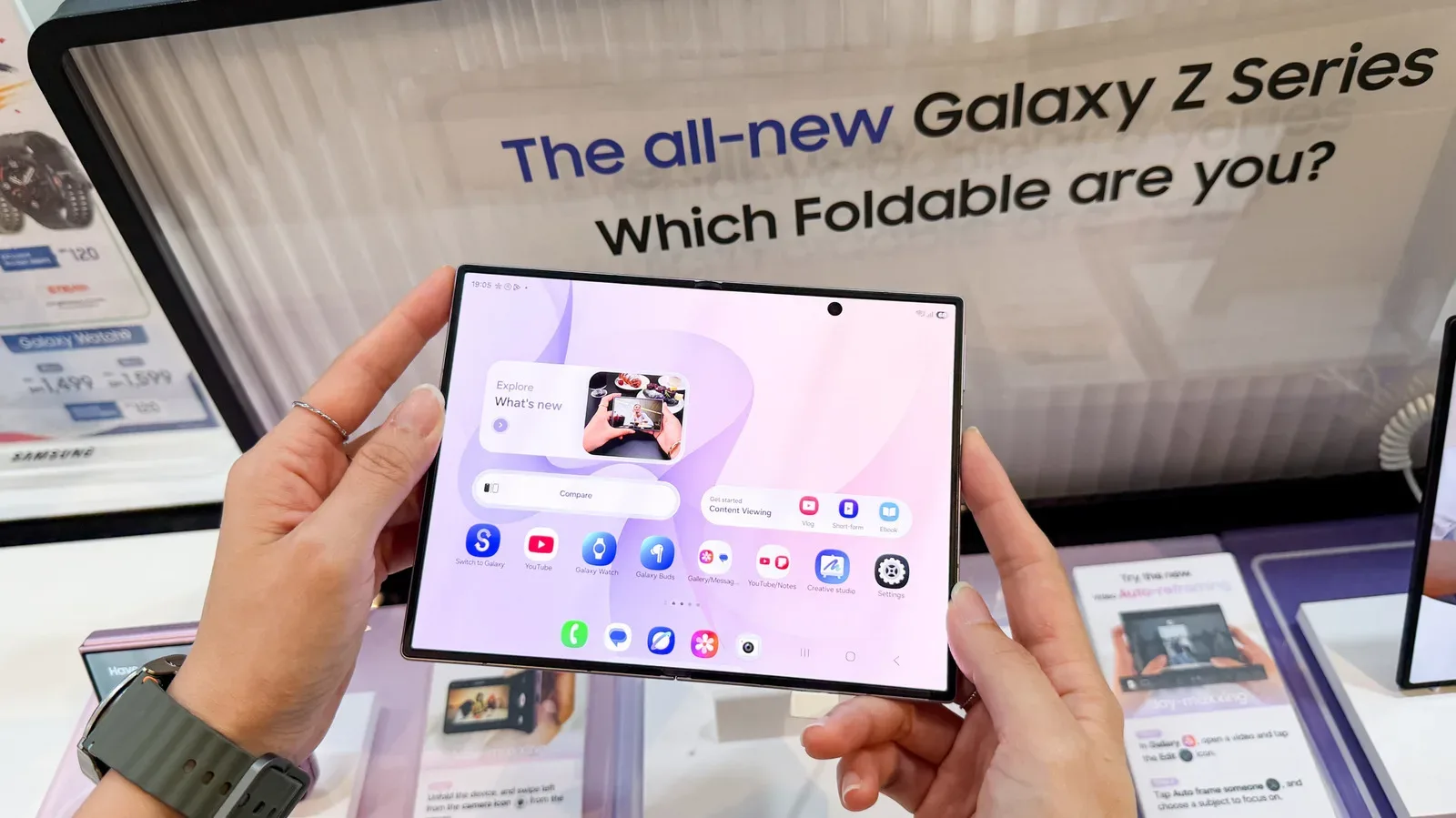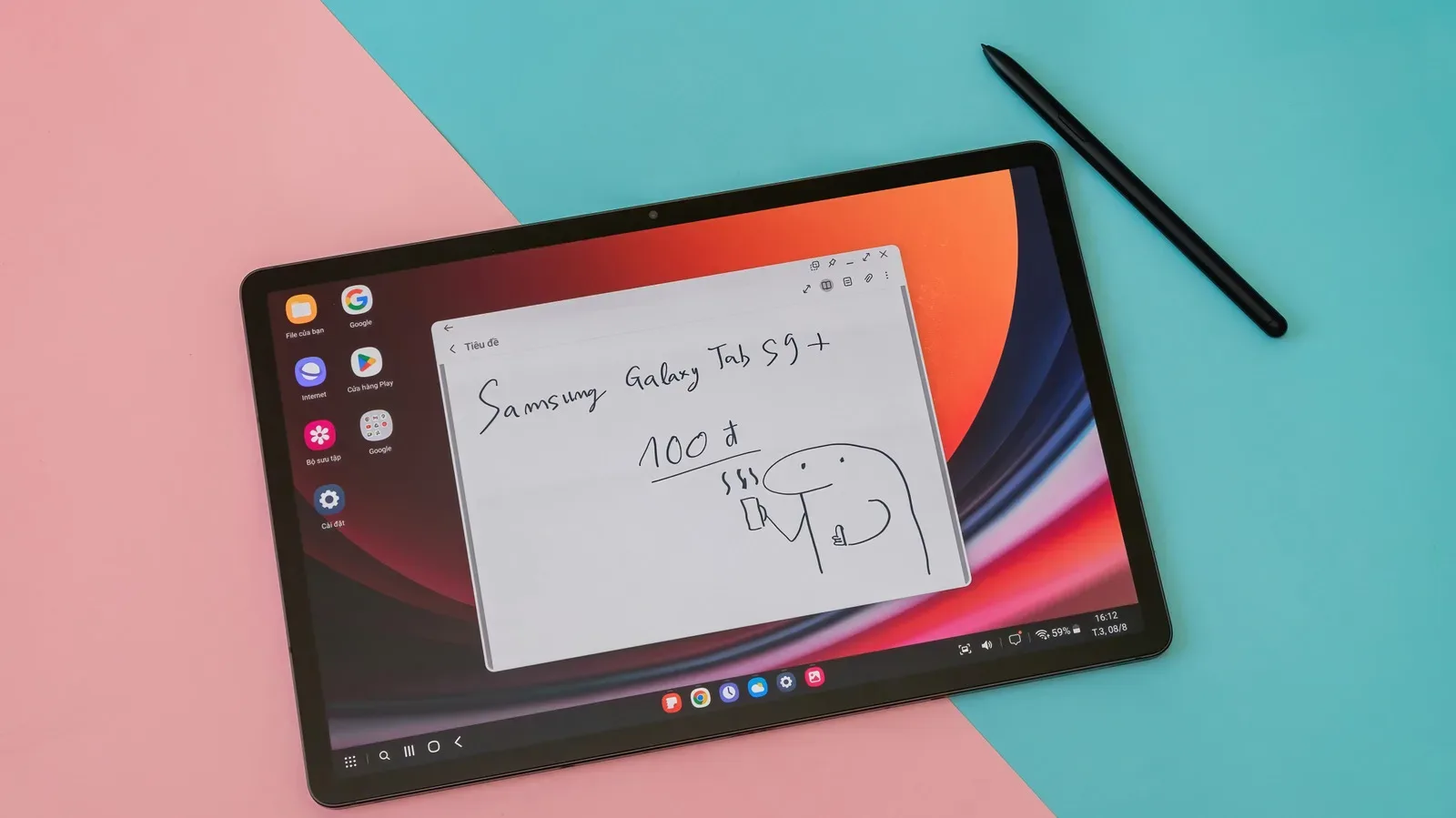
Samsung’s tablet update story has a clear dividing line in 2026: the Galaxy Tab S9 family is approaching its final major Android release, while the older Galaxy Tab S8 range and the budget Galaxy Tab A9 pair have already arrived at theirs.
For owners, the important distinction is not that a tablet immediately stops working when its last Android version arrives. It does not. The practical question is what kind of support remains after that point. Samsung’s published commitments described here separate major operating-system upgrades—new Android generations and the corresponding One UI release—from security updates, which address security issues after the operating system’s feature-upgrade runway has ended.
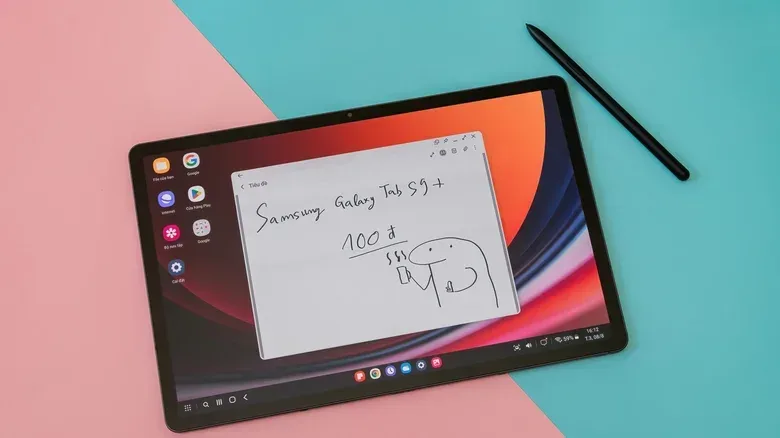
The Galaxy Tab S9, Tab S9+, Tab S9 Ultra, Tab S9 FE and Tab S9 FE+ are expected to receive One UI 9, based on Android 17, as their final major OS update during 2026. Their security-patch coverage should continue until sometime in 2028. For the Galaxy Tab S8, S8+ and S8 Ultra, One UI 8 based on Android 16 was the final major upgrade; security updates are expected to continue until February 2027.
Meanwhile, Android 16 is also the last major Android release for the Galaxy Tab A9 and Tab A9+. Those models launched in October 2023, yet their major-upgrade window ends earlier than the Tab S9 family’s. They should still receive a further year of security updates.
The affected Galaxy Tab models at a glance
- Galaxy Tab S9, S9+, S9 Ultra, S9 FE and S9 FE+: One UI 9, based on Android 17, is their final major OS upgrade in 2026. Security updates should continue until sometime in 2028.
- Galaxy Tab S8, S8+ and S8 Ultra: One UI 8, based on Android 16, is already their final major OS upgrade. Security updates should continue until February 2027.
- Galaxy Tab A9 and A9+: Android 16 is their final major OS update. Another year of security updates is still expected.
This is a support transition, not a sudden obsolescence alert. A Tab S8 or Tab A9 can remain useful after its final Android release, particularly if it continues receiving security patches. But it is a meaningful point for people deciding whether to keep a tablet for several more years, pass it along to another user, or buy a newer model.
What “final major update” actually means
Android is Google’s underlying operating system; One UI is Samsung’s interface and software layer built on top of it. In this case, One UI 9 corresponds to Android 17, while One UI 8 corresponds to Android 16.
A major OS update generally means moving to a new Android generation. That is separate from the smaller updates that can arrive later to address security issues. A tablet that has received its final OS upgrade may therefore still show an available update in its Settings menu. That update can be important even though it does not move the device to a newer Android generation.
That distinction makes the support dates more useful than a simple “supported” or “unsupported” label. The Tab S8 family has exhausted its promised major Android upgrades, but it has not exhausted all software maintenance. The Tab S9 family has one final major release still ahead and then a longer remaining security-update period. The Tab A9 range is newer than the Tab S8 hardware by release date, but its budget positioning came with a shorter major-upgrade commitment.
Related coverage includes Samsung Galaxy Tab S9 Series Reaches Its Final Android Upgrade in 2026.
In other words, release year alone is not a reliable way to estimate a tablet’s remaining software life. The model family and the update promise attached to that family matter more.
Why the Galaxy Tab S9 line is at this point now
The Galaxy Tab S9 series launched in 2023 with One UI 5.1 based on Android 13. Samsung committed those devices to four generations of major OS updates and five years of security patches. One UI 9 and Android 17 complete the stated major-version commitment.
That accounting also explains why the S9 devices should continue receiving security updates after Android 17 becomes their ceiling. The end of feature-platform upgrades is not the same as the end of all fixes. Owners should not interpret the arrival of One UI 9 as a reason to stop checking for updates; it marks the last major Android step, not necessarily the final download the tablet will receive.
The S9 FE and S9 FE+ are included in this same 2026 final-major-upgrade group. That matters because the Fan Edition branding can lead buyers to assume its update track automatically differs from the flagship-branded models. For this particular end-of-major-support milestone, Samsung’s listed outcome is the same: One UI 9 on Android 17 is the final OS upgrade.
Tab S8 and Tab A9 owners: what changes now
The February 2022 Galaxy Tab S8, S8+ and S8 Ultra range has already received its final major OS update through One UI 8 on Android 16. Security updates should run until February 2027. That remaining security period is significant: an owner does not need to treat the final Android upgrade as an immediate replacement deadline. It does mean, however, that anyone planning a very long ownership cycle now has a defined end in sight for new Android generations.
The Galaxy Tab A9 and A9+, released in October 2023, also top out at Android 16. Their position illustrates how product tier can shape support more strongly than a launch date. Although these tablets are newer than the Tab S8 series, they are budget-oriented devices and have reached their final major OS update sooner. They are still expected to receive another year of security updates.
For households, that may influence where a device is used. A tablet that is no longer receiving new Android generations can remain perfectly practical for existing apps, video, reading, casual play, and other established routines. The more time-sensitive consideration is security support, particularly for a device used with personal accounts or other sensitive information. Once security coverage ends, the trade-offs become more serious than the absence of a new interface feature.
Samsung’s newer policy changes the buying calculation
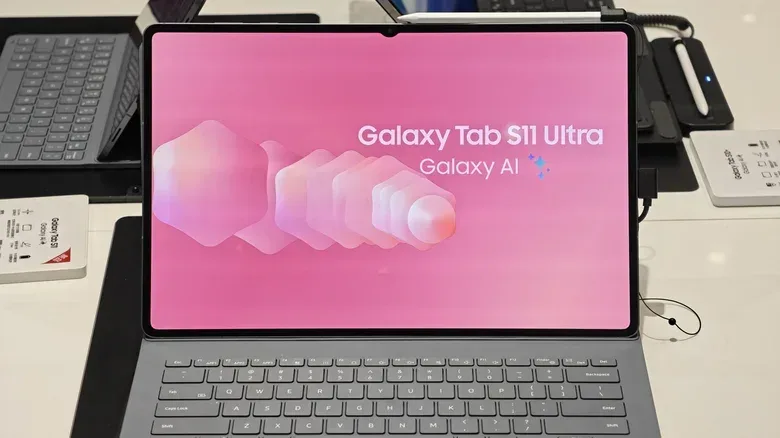
Samsung has since expanded its tablet support commitment. The Galaxy Tab S10 series, launched in 2024, began the company’s seven-year policy for Android and security updates. The newer Galaxy Tab S11 and Galaxy Tab S12 models carry the same commitment. Samsung’s recent Galaxy Tab S12 Ultra is among the tablets covered for seven years of OS and security updates.
The longer promise is not reserved only for the top end of the lineup. The Galaxy Tab A11 and A11+, released in 2025, are also eligible for seven years of Android and security updates. That is a substantial contrast with the A9 generation’s shorter major-upgrade path.
For a new buyer, this shifts the comparison beyond screen size, performance, storage or accessories. Software-support duration is part of a tablet’s long-term value. A newer model with seven years of updates provides a much longer planning window than a model now nearing the end of its major Android upgrades, even if the older tablet remains adequate for a person’s immediate needs.
It also makes the device’s intended lifespan easier to assess before purchase. Someone who changes tablets frequently may be comfortable with a shorter remaining support window. Someone buying for a child, a family member, schoolwork, or a shared home device may reasonably put more weight on guaranteed update years. The key is to compare the exact model rather than relying on the Galaxy Tab name alone.
Rugged Galaxy Tab Active models follow a separate schedule
Samsung’s Galaxy Tab Active line is positioned primarily for business and enterprise customers, and it follows a different update policy. The Galaxy Tab Active5 launched in 2024 with four years of Android OS updates and five years of security updates. Because it shipped with Android 14, it should receive Android updates through Android 18, while security patches are expected to continue until 2029.
That is a useful reminder that “newer” and “longer supported” are related but not interchangeable. The Tab Active5’s commitment is not the same seven-year arrangement attached to the Tab S10, S11, S12, A11 and A11+ models. Buyers evaluating rugged hardware should check its individual policy rather than applying the mainstream Galaxy Tab schedule to it.
What owners should do now
First, identify the precise tablet model. “Galaxy Tab S9” and “Galaxy Tab S9 FE,” for example, are distinct products, even though both appear in the same final-major-update group here. The model name determines which support path applies.
Next, install available updates. On a Samsung tablet, go to Settings > Software update > Download and install. If an update is waiting, choose Install now. This is the place to check both a major One UI release and later security patches.
Do not assume the absence of One UI 9 means an eligible Tab S9 device was omitted. Samsung’s update availability can vary by model and region, so rollout timing is not identical for every owner. Checking the Software update page remains the direct way to see whether the release has reached a specific tablet.
Finally, separate a desire for the newest Android version from the need to remain protected. Major Android upgrades matter for the platform’s future direction, but security updates remain valuable after that final version is installed. This is the same sensible maintenance mindset that applies to other mobile gear: keeping software current helps avoid avoidable disruptions, much as practical setup checks can save a session when working through a device problem such as a SIM-card swap during a gaming session.
Samsung’s current seven-year commitments make the difference between generations especially visible. The Tab S9 line is completing the promise made at its 2023 launch; the Tab S8 and A9 lines are already at their last Android version; and Samsung’s newer tablets now offer a considerably longer runway. For owners, the immediate task is simple: take the updates that remain available, understand whether they are OS upgrades or security patches, and plan the next hardware purchase around the exact support commitment rather than the logo on the back.