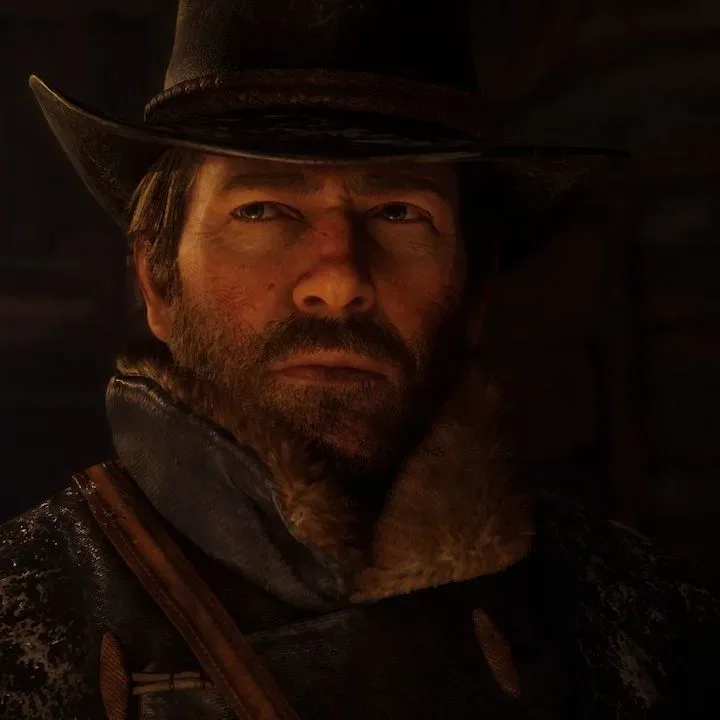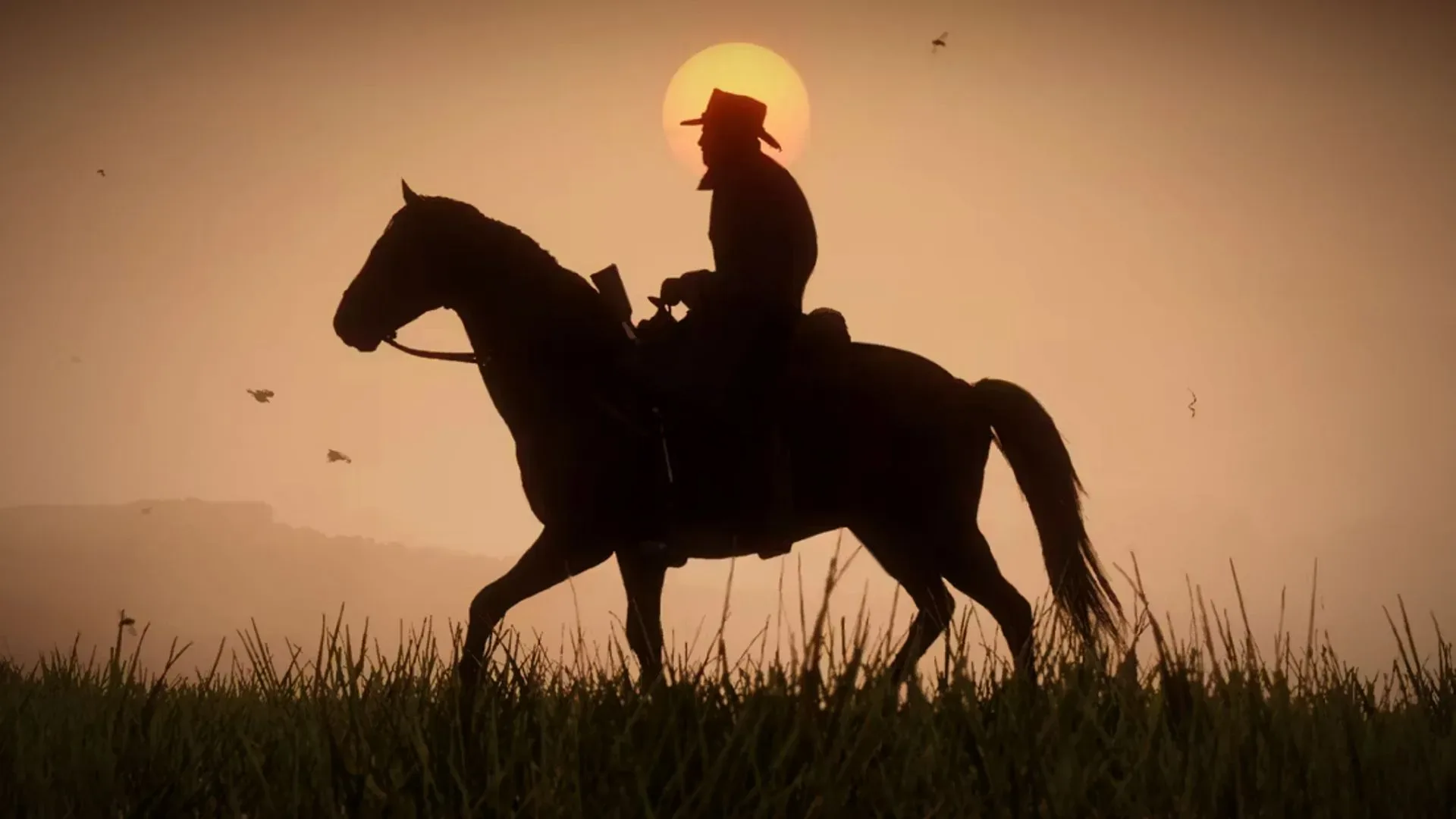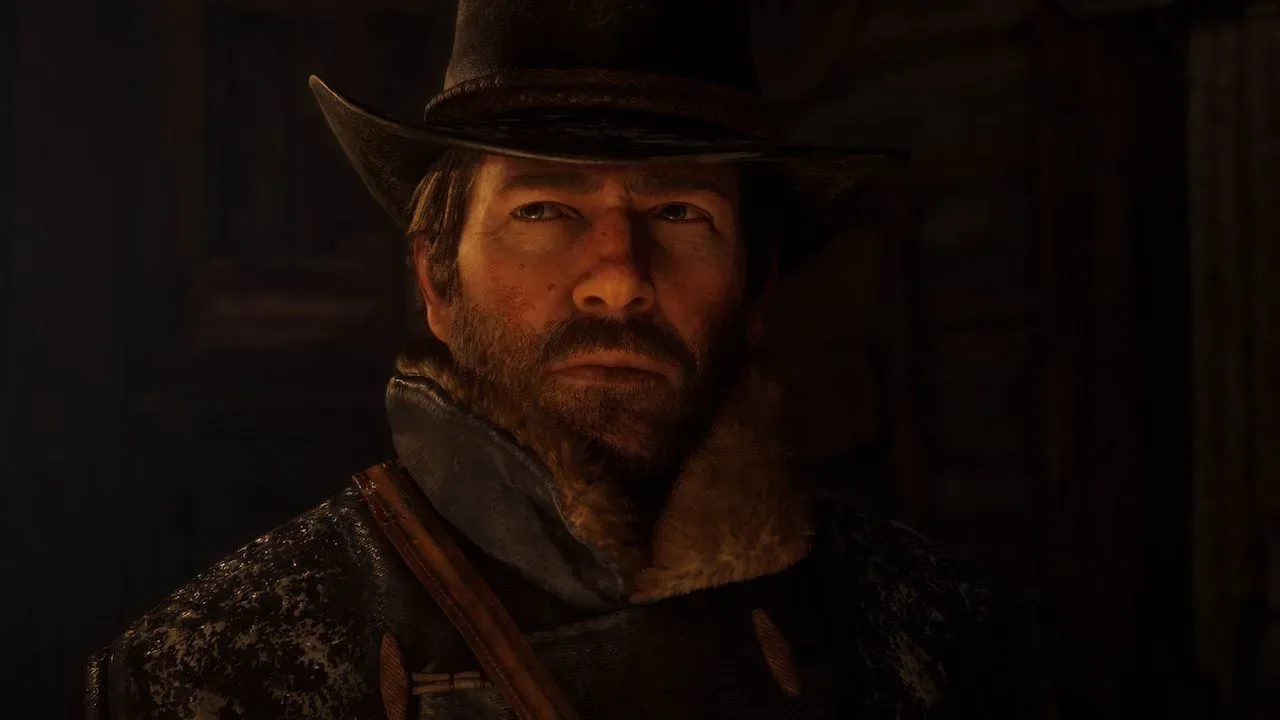
Red Dead Redemption 2 asks players to spend a long time with Arthur Morgan: riding, robbing, arguing around camp, contemplating the rapidly changing frontier, and generally proving that a man can own several hats without ever locating the correct one. That long attachment is central to why Arthur’s illness lands so heavily. The character’s gradual decline is not presented as a sudden plot switch; it becomes part of his voice, breath, movement, and place in the gang’s collapsing world.
Now, Roger Clark has shared a particularly earthy detail about how that vocal deterioration came together. Speaking with YouTuber and games journalist Cade Onder, Clark explained that the recording process for Arthur’s coughing and sickened dialogue stretched across roughly five years. In that time, the actor said, he caught plenty of real colds—and sometimes used those moments to record material for the character.
Yes, one of gaming’s most famous fictional cases of tuberculosis was helped along by the profoundly unromantic sonic texture of an actor showing up with an actual cold. The Old West may have been made of dust, regret, horses, and very questionable sanitation, but the recording booth apparently contributed a little genuine phlegm of its own.
A long recording schedule made room for a gradual performance
Arthur’s condition is one of the emotional pillars of Red Dead Redemption 2. His tuberculosis diagnosis changes the meaning of moments both large and small, from confrontations and confessions to ordinary trips across the map. The illness is not merely a story device that arrives with a flashing arrow and a mandatory sad violin; it increasingly colors how Arthur sounds when he speaks.
Clark indicated that recording the most intense coughs was manageable because the work was distributed over a long production period. He said severe coughing scenes could be saved for the end of a recording day, a sensible approach when a performance calls for repeated strain. It is a practical piece of studio planning that also reveals how much detailed character work can sit beneath a few rough, uncomfortable sounds in a finished game.
Five years is a substantial window for any production, and it gave the team time to capture different stages of Arthur’s deterioration rather than treating illness as a single, unchanging vocal effect. A cough can be a surprisingly specific storytelling tool. It can interrupt bravado, make anger sound exhausted, expose vulnerability in a quiet exchange, or turn an otherwise routine line into an unsettling reminder that the character is running out of time.
That kind of consistency matters in a game built around duration. Players do not encounter Arthur only in cutscenes. They hear him greet strangers, command a horse, mutter while looting a drawer that contains a single spoon, and react to chaos across a huge open world. When his condition is audible through that broad range of situations, it helps sustain the illusion that the character’s health is changing even when players are off doing cowboy errands of dubious moral importance.
Authenticity, captured at the least glamorous possible moment
Clark said he would sometimes volunteer to record while sick with a cold, allowing the production to capture a naturally congested or roughened quality in Arthur’s voice. He described the material as useful, genuine data for the performance. That phrasing may sound clinical, but the result is anything but: Arthur’s illness has remained memorable precisely because it feels unpleasant rather than theatrically polished.
Related coverage includes Roger Clark Used Real Colds to Deepen Arthur Morgan's Illness in Red Dead Redemption 2.
There is an important distinction here. Arthur Morgan’s fictional diagnosis is tuberculosis, while the real-world illnesses Clark discussed were colds. A cold is not tuberculosis, and Clark was not claiming otherwise. The connection is performance texture: real congestion, coughing, and vocal fatigue can provide sounds that are difficult to replicate in a clean, controlled studio environment.
For players, that knowledge may make certain scenes feel even more immediate—and perhaps a little more biologically vivid than anyone requested. The character’s coughs were already designed to be distressing. Learning that some were informed by Clark’s real colds adds an accidental layer of documentary-grade grossness to a story that is otherwise full of cinematic grandeur.
It also underscores the difference between “method acting” as a dramatic headline and the workmanlike reality of making a game performance. This was not a tale of someone wandering into the wilderness to contract a period-appropriate disease for art. It was an actor recognizing that an inconvenient cold could be useful for the role, then coordinating with the recording team to put it to work. Less glamorous than legend, certainly, but far more sensible.
Why Arthur Morgan’s voice matters so much
Clark’s performance is inseparable from Arthur’s reputation. The writing gives the character a hard exterior, a violent history, and plenty of opportunities for sharp humor, but the voice supplies much of the friction beneath those traits. Arthur can sound guarded, irritated, compassionate, funny, ashamed, or frighteningly firm—often within a short exchange. As the illness progresses, the vocal changes give players another signal that the man they have been inhabiting is becoming physically weaker even as the game pushes him toward its largest emotional choices.
That approach suits a story preoccupied with decline. Red Dead Redemption 2 is set against a world where the gang’s old way of life is vanishing. Arthur’s illness personalizes that larger erosion. The frontier is closing, loyalties are fraying, and a man who has spent much of his life surviving through toughness discovers that toughness cannot solve everything.
In that context, a believable cough does more than make a scene sound realistic. It chips at the mythology around Arthur. He may be a capable outlaw and an intimidating presence, but he is also increasingly short of breath. The vulnerability is not ornamental. It is woven into the player’s ongoing relationship with him.
There is a mildly cruel comic twist in the fact that a performance so admired for its emotional power can now prompt listeners to imagine the recording booth’s cold-and-flu logistics. Yet the behind-the-scenes detail does not diminish the work. If anything, it helps explain why the performance avoids sounding like a generic “sick character” voice. Illness is messy, inconsistent, and intrusive. The fact that Clark could bring real vocal roughness into selected sessions likely gave the sound team useful material to shape Arthur’s arc.
Game performances are built from many small decisions
Players often remember the marquee elements of a game performance: a major speech, a heartbreaking confession, a huge argument, or a line that becomes an instant meme. But a character is also built from details that may barely register individually. Breathing patterns, pauses, cracks in a voice, a strained laugh, and the timing of an interrupted sentence can all do narrative work before a script explicitly explains what is happening.
Arthur’s coughs fall into that category. They are easy to notice, but their effectiveness depends on how they recur and evolve without becoming cartoonish. A story can tell an audience that someone is ill. Making them hear the burden of it while riding across the country, talking to allies, or trying to carry on a normal conversation is a different challenge.
Clark’s comments offer a reminder that authenticity in games is not always a matter of giant technology demos or elaborate motion-capture trivia. Sometimes it is a recording schedule that accommodates demanding scenes. Sometimes it is an actor using the unfortunate timing of a cold to supply a texture that cannot be entirely faked. And sometimes it is the collective restraint to let a cough be uncomfortable instead of turning it into a melodramatic sound effect with the subtlety of a collapsing piano.
For those following performance stories from across games, there is also plenty happening beyond the dusty trails of Rockstar’s western: Playdate Season 3 is set to begin October 8 with eight games, a very different kind of reminder that the medium can move from sprawling tragedy to pocket-sized oddity without missing a beat.
The enduring sting of Arthur’s decline
Arthur Morgan’s arc continues to resonate because it makes room for agency without pretending agency can erase consequence. Players can influence many aspects of the journey, but the illness remains a looming fact. Clark’s account of recording through real colds does not change that narrative; it simply reveals one of the many practical ingredients that helped make it convincing.
It is an admirably committed bit of craft, even if it creates an image nobody needed: a performer seeing a cold not only as a reason to rest, but as an opportunity to report for duty and deliver a little extra respiratory realism. Arthur Morgan would probably call that grit. The rest of us might call it dedication, then immediately reach for a blanket, tea, and enough distance from the microphone to protect the equipment.