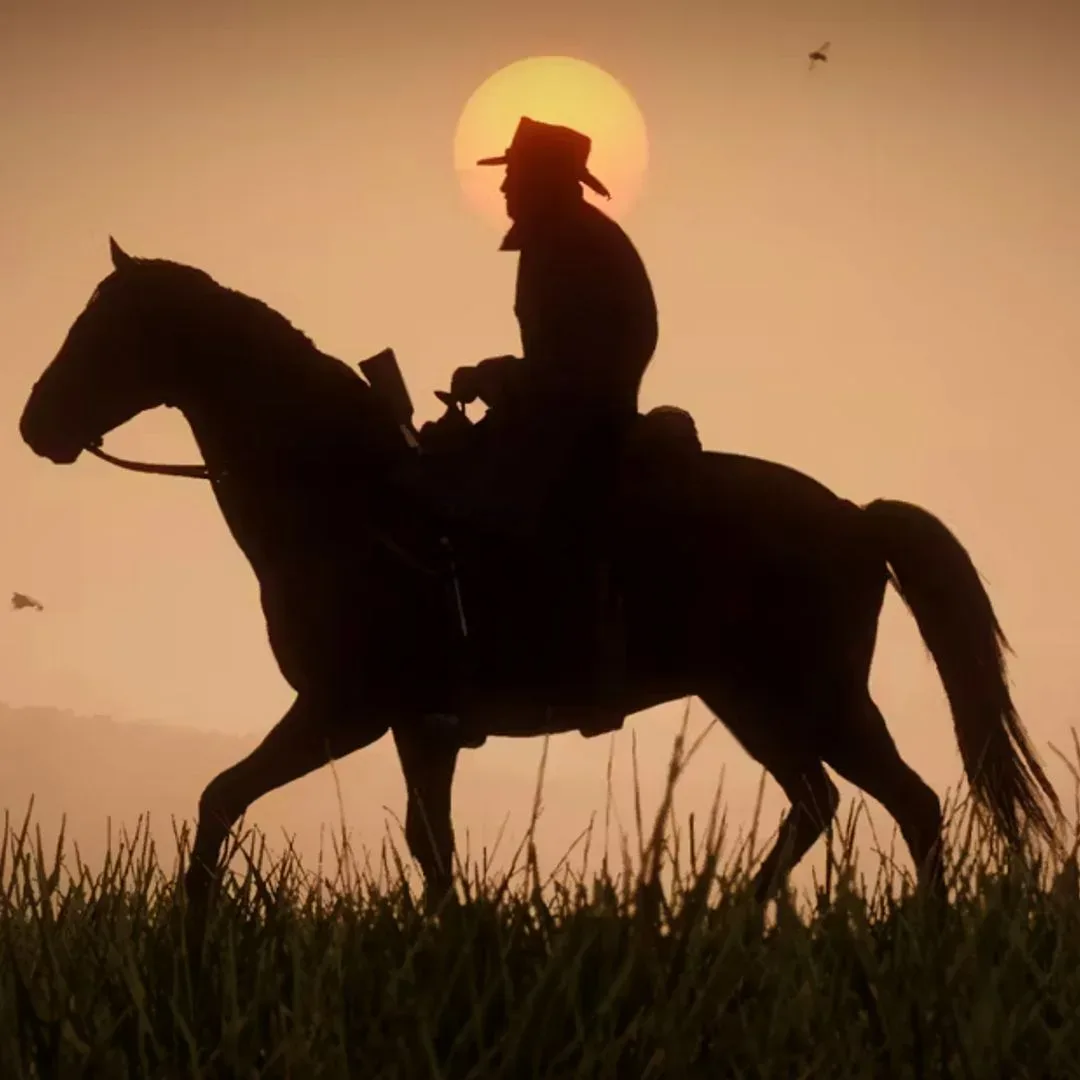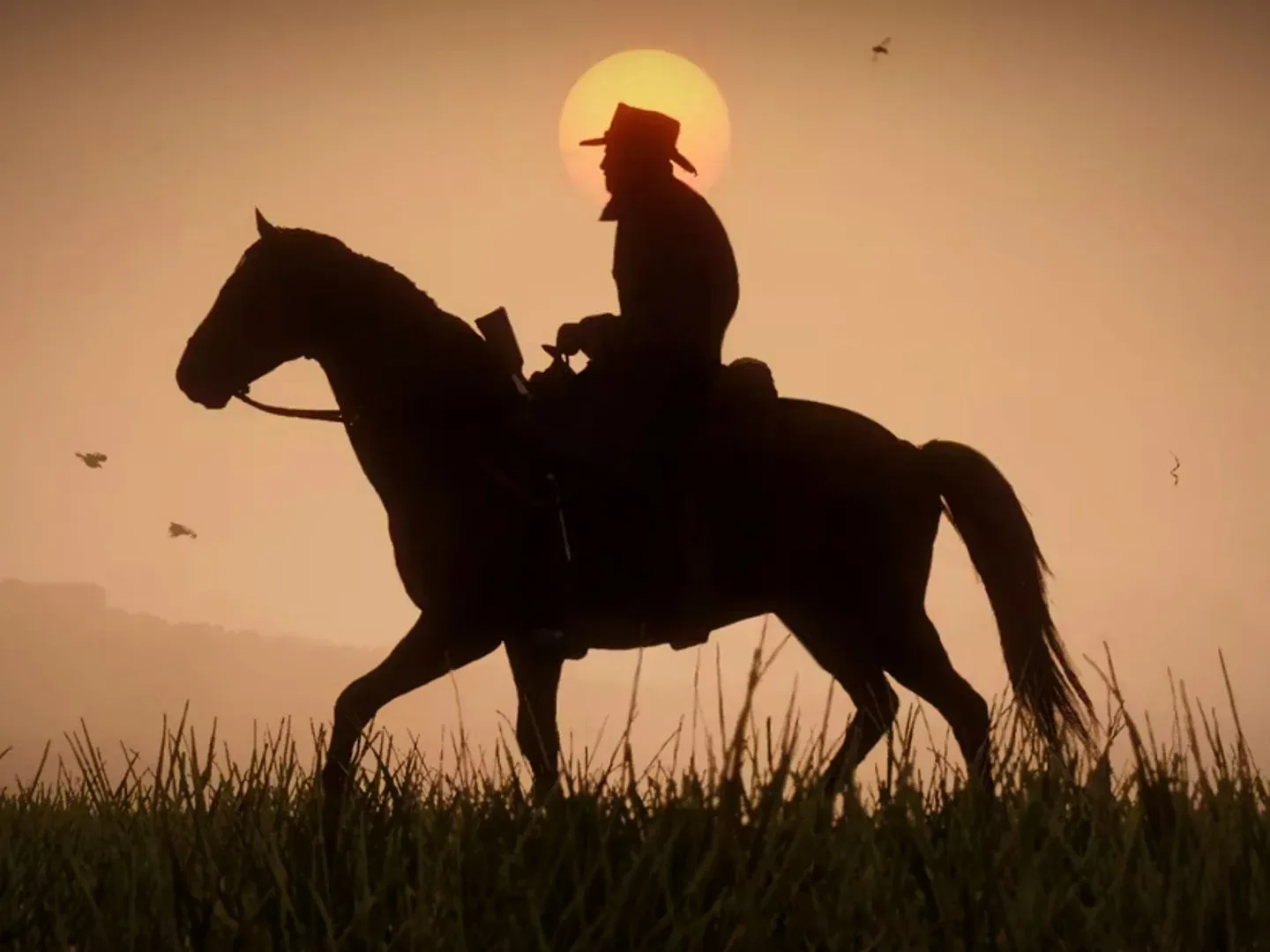
For a studio associated with enormous open worlds, a single playable character can sound like the smaller choice. Rockstar learned that tension firsthand in the transition from Grand Theft Auto V to Red Dead Redemption 2. After building GTA 5 around three switchable protagonists whose stories crossed and collided, the team worried that going back to one central perspective might make its next giant game seem strangely narrow.
Rockstar North co-lead Rob Nelson has reflected on that concern while discussing the design journey that eventually led toward Grand Theft Auto VI. The anxiety was simple: GTA 5 had invited players to move among three distinct leads, while Red Dead Redemption 2 put Arthur Morgan at the heart of nearly everything. Would players, now used to hopping between lives, think one cowboy was not enough?
In retrospect, it is an amusing concern, because Arthur Morgan became the vehicle for one of the game’s strongest elements: a lengthy, personal journey shaped in part by player choices. But the uncertainty is revealing. It shows Rockstar treating protagonist structure not as a fixed franchise rule, but as a design tool that has to earn its place in each new world.
GTA 5 made character switching part of the spectacle
Before GTA 5, Rockstar’s major games generally asked players to inhabit one main protagonist for the bulk of an adventure. The format has obvious benefits. A single point of view gives a story room to build familiarity, change a character over time, and make the player’s everyday activities feel attached to one person’s place in the world.
GTA 5 deliberately disrupted that approach. Its three playable leads were connected, yet each had an individual identity and narrative path. Swapping between them did more than add a menu option. It offered different angles on Los Santos and different comic, criminal, and personal pressures within the same larger plot. The structure became a conspicuous part of how the game distinguished itself.
That success created an awkward creative question. Once a studio gives players a feature that makes a world feel broader, can removing it look like a retreat? Nelson recalled that the team was at least somewhat nervous about that possibility when it moved to Red Dead Redemption 2. Some players were even asking whether members of Arthur’s gang would be switchable in a GTA 5-like fashion.
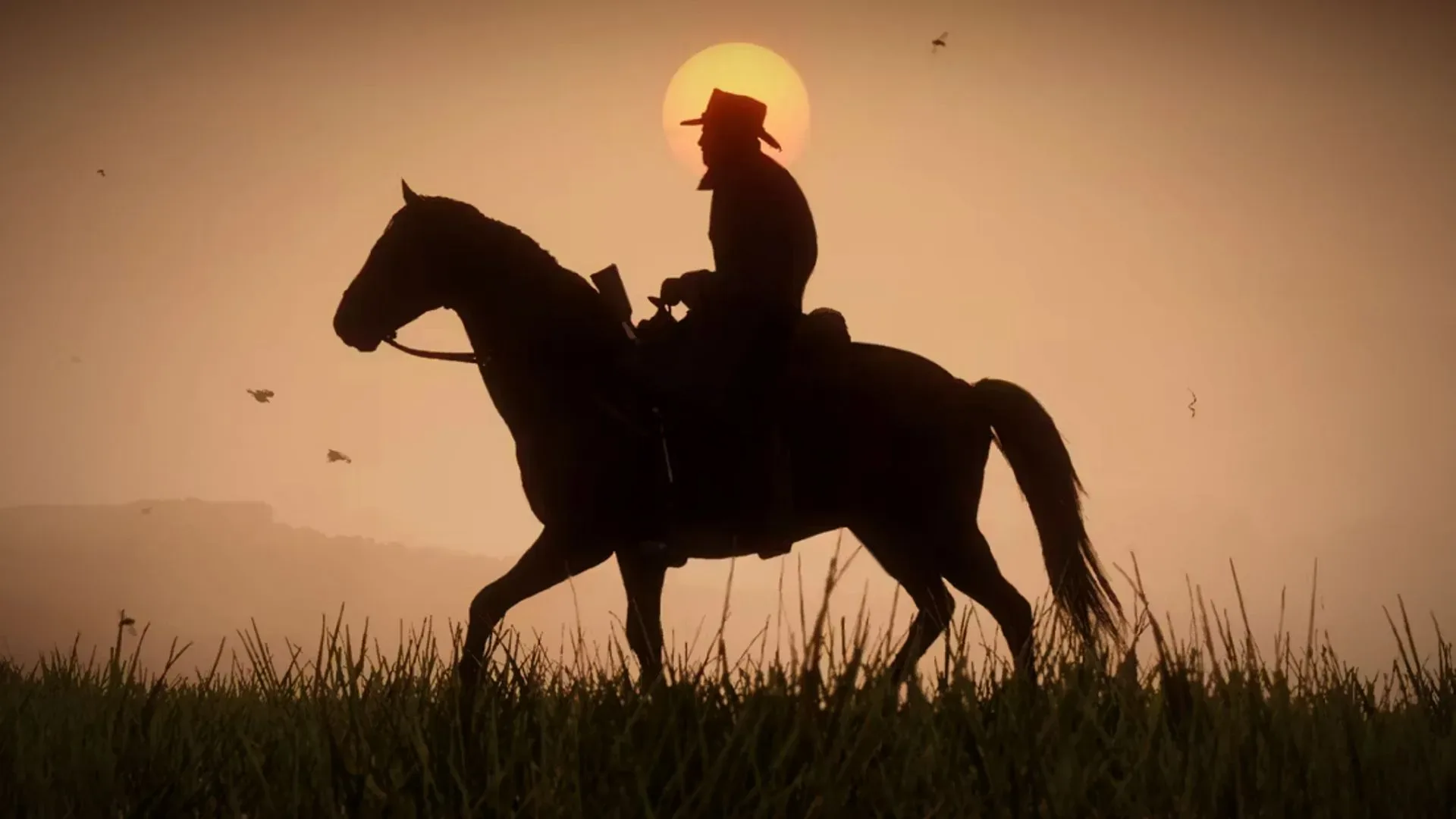
Those questions make sense on paper. The Van der Linde gang is a large ensemble, full of characters with their own conflicts and loyalties. A multi-protagonist setup could have offered different jobs, viewpoints, and slices of the frontier. Yet that would have made a fundamentally different game. Rockstar instead concentrated its story around Arthur, letting the player spend a substantial amount of time inside one person’s responsibilities, doubts, relationships, and decisions.
Arthur Morgan showed what focus can accomplish
Nelson’s present-day view is that the worry now seems funny because Arthur worked. The key, he suggested, was the opportunity to go deeper into Arthur’s journey. That is not an argument that one protagonist is automatically better than several. It is an argument that focus has a payoff when the game’s writing, mission structure, world interactions, and choice systems all support it.
Related coverage includes Rockstar Once Worried a Single Red Dead Redemption 2 Hero Would Feel Limiting After GTA 5.
Red Dead Redemption 2 could therefore make its immense frontier feel personal rather than merely large. The game’s world was not just scenery around Arthur; Rockstar sought to make interaction with it more substantial. At the same time, Arthur’s story gave those activities emotional context. What the player did, whom they helped, and the manner in which they approached moments could feed into the sense that the character was being lived with rather than simply moved around a map.
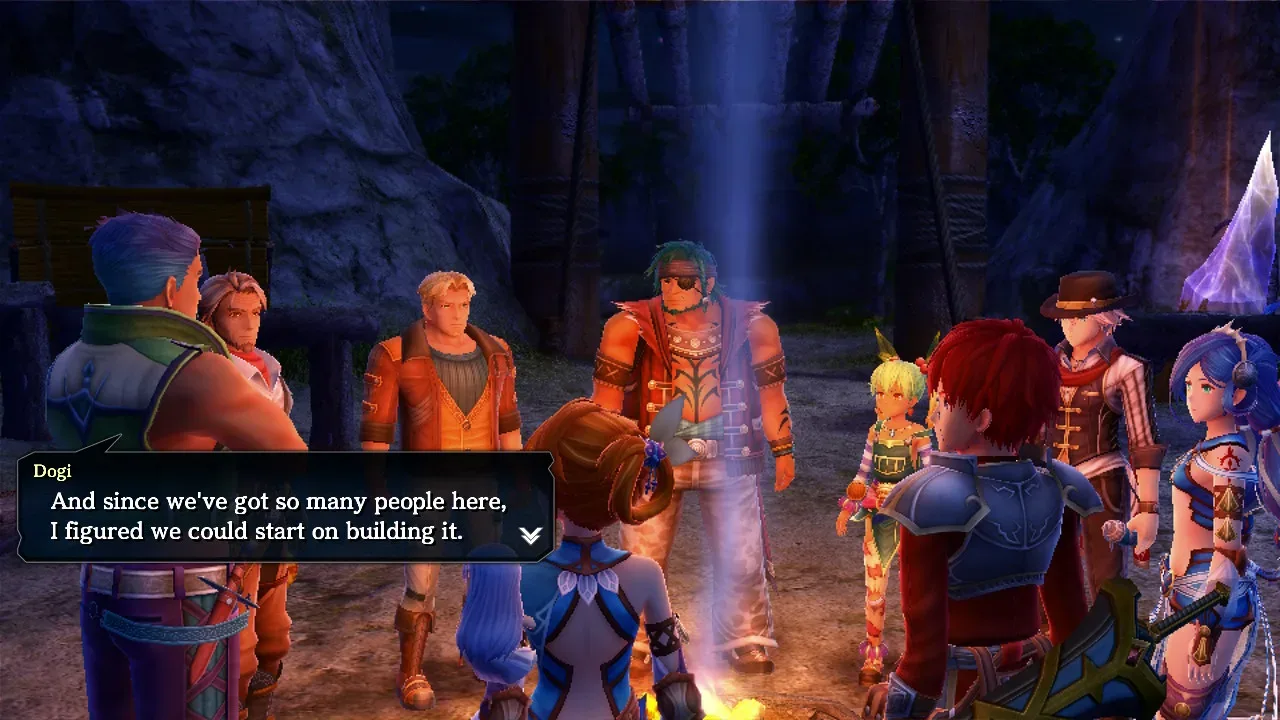
That balance is especially important for sprawling games. A bigger map, a more detailed town, or a longer checklist does not automatically produce stronger attachment. A character framework can provide the connective tissue that turns all those encounters into a story players remember. For another example of a game whose large-scale stakes are reinforced by intimate character concerns, see our look at why Ys VIII: Lacrimosa of Dana makes its apocalypse feel personal.
Rockstar’s lesson from Arthur was not to abandon multiple leads forever. Instead, it appears to have been that the company could combine the possibilities of more than one perspective with a greater desire for emotional specificity. That is a much tougher assignment than simply deciding whether the protagonist count should be one, two, or three.
GTA 6 moves toward a partnership
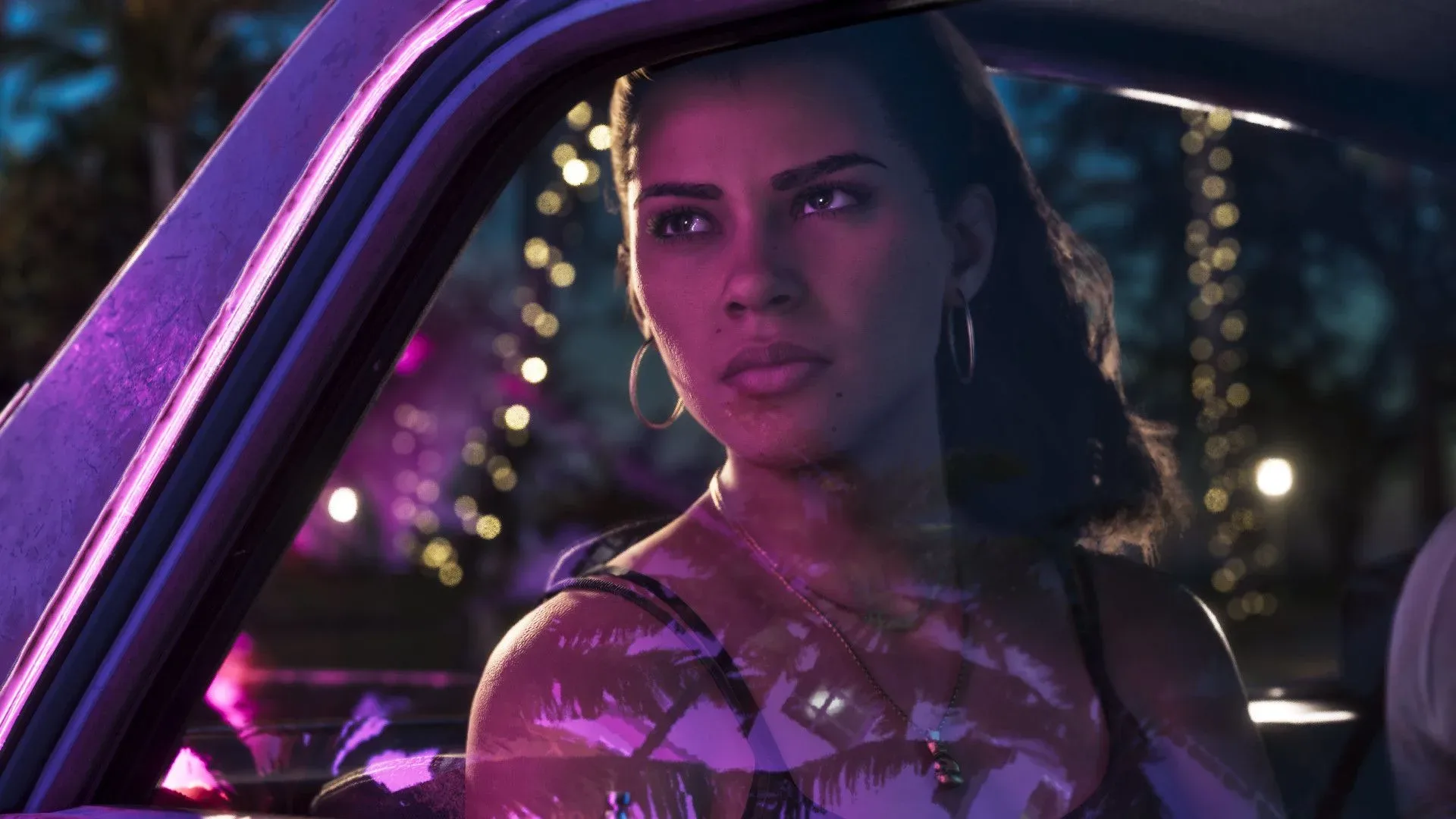
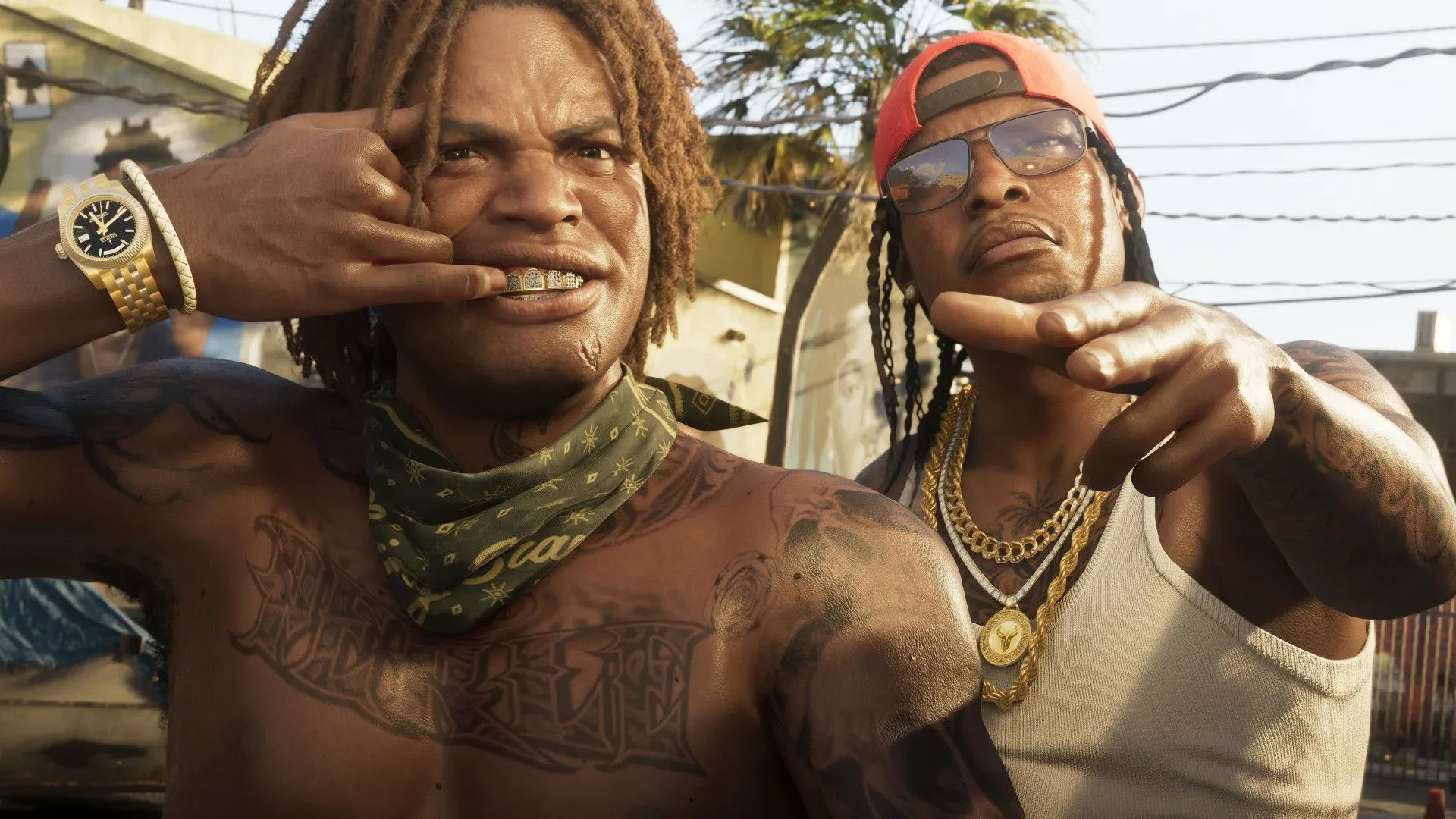
For GTA 6, Nelson said Rockstar knew it wanted to revisit the multiple-protagonist idea, but the team explored alternatives before settling on a duo. The chosen concept was a partnership with a romantic dimension, or at least the possibility of one: a couple often described through the cultural shorthand of Bonnie and Clyde.
That is a meaningful change from GTA 5’s three-way arrangement. A trio can create a web of contrasts, shifting allegiances, and separate story lanes. A duo, by comparison, directs more attention toward the bond between two people. Their trust, resentment, affection, disagreements, and shared aims can become the central dramatic engine. Rather than asking players to divide attention among three protagonists, the format potentially allows the game to examine a relationship from two sides.
Nelson characterized the couple concept as a clear choice once it came into view. That does not confirm every mechanical detail players may be imagining. It does not establish exactly when players switch, how much independent control each character has, or how choices will work across the pair. It does indicate the narrative intention behind returning to more than one playable lead: Rockstar wants the flexibility and contrast of a multi-character setup while carrying forward the closer emotional connection it pursued with Arthur.
Rockstar’s creative path, as Nelson describes it, is less about repeating a winning feature than asking what the previous game made possible—and what it did not.
Why the old concern still matters
There is a useful irony in the arc from GTA 5 through Red Dead Redemption 2 and into GTA 6. The studio worried that GTA 5’s breadth might make Arthur feel insufficient. Arthur’s reception demonstrated that depth could answer that challenge. Now GTA 6’s duo looks positioned as an attempt to bring breadth and depth into closer conversation.
It also illustrates why fan speculation often accompanies a successful feature. When players become attached to a structure—such as instant protagonist switching—they naturally look for it in the next game. Developers, however, have to decide whether the feature serves the new story or merely provides continuity. Had Red Dead Redemption 2 spread its perspective across the gang, it may have delivered a different kind of frontier epic. Rockstar believed Arthur’s more concentrated story was worth the risk.
That choice did not mean the surrounding cast lacked importance. Quite the opposite: keeping Arthur at the center created a stable perspective through which the gang could be understood. Players could observe shifts in the group and experience its pressure through a protagonist whose relationship to the people around him mattered. A switchable ensemble might have expanded access, but it may also have changed the story’s emotional geometry.
The new GTA 6 setup faces its own version of that design calculation. Two protagonists can enlarge the narrative lens, but each needs to feel substantial. The relationship cannot simply be a premise pasted on top of alternating missions. If Rockstar’s stated goals carry through, the partnership will need to make the world feel more reactive and the characters more connected to the player’s actions.
A reminder that evolution is not a straight line
Nelson described Rockstar’s habit as looking back at its latest work and considering how to push it forward. That process does not necessarily produce a neat ladder in which every sequel has more of every previous feature. GTA 5 had three protagonists; Red Dead Redemption 2 had one. The latter was not a simple reduction. It was a refocusing, with a different kind of ambition.
GTA 6’s pair should be read in that context. The game is not merely restoring character switching after a single-protagonist detour. It is drawing from two different lessons: GTA 5 showed the storytelling energy that comes from multiple playable viewpoints, while Arthur Morgan’s story demonstrated the value of giving a character enough room to resonate.
For now, the most concrete takeaway is not a promise that every concern about GTA 6’s narrative design has been solved. It is a clearer account of the thinking behind its central duo. Rockstar once feared one protagonist after GTA 5 might bore people. Its answer in Red Dead Redemption 2 was to make one character’s journey matter. Its next answer is to see what happens when that depth is placed inside a partnership.