Rockstar Games has published updated modding guidelines that draw unusually firm lines around the ways players can alter its games. The rules are framed as an effort to keep a “fun, creative, and welcoming” environment for players and creators, but several of their clearest restrictions target the kinds of expansive projects mod communities are often built around: new missions, story extensions, crossover maps, imported characters and unofficial platform ports.
The central message is simple: “Respect our games.” In practical terms, the policy says creators must not expand or modify Rockstar’s official storylines, plots, missions, characters or other established-continuity elements. It also prohibits mods that combine maps, locations, characters, storylines, in-game assets or other intellectual property from one Rockstar title with another.
A further provision addresses platform ports directly. Modders are told not to alter Rockstar games so they run on consoles, hardware devices or platforms where Rockstar has not officially released them. That is a broad constraint with consequences beyond the usual conversation about graphical tweaks, bug fixes or roleplay servers. It puts some of the community’s most technically ambitious work—the kind intended to reshape a game, relocate it or make it playable somewhere new—into a clearly prohibited area.
What the guidelines actually rule out
The policy’s importance comes down to the breadth of the categories it names. A mod is any community-made alteration to a game, but that umbrella covers a huge range of work. Small visual changes and major total-conversion-style projects may both be called mods, despite having very different effects on the original game. Rockstar’s language focuses especially on changes that add to or repurpose its authored worlds and fiction.
Official continuity is the key phrase
Continuity means the established fictional record of a series: its characters, events, settings and stories as recognized by its owner. Rockstar says its worlds, characters and stories form the official continuity of its games, and that it has the right to limit how its games and brand are used.
The resulting restriction is not merely a warning against claiming an unofficial project is canon. The wording says not to expand or modify official plots, missions, characters and related elements at all. A fan-made mission that continues an existing character’s arc, an added storyline set after a campaign, or a substantial reworking of an existing official mission would all appear to fall within the policy’s stated concern.
That distinction matters because a great deal of fan creativity starts with the question, “What happens next?” Rockstar’s rules indicate that its answer is not “make it clear it is unofficial,” but rather “do not build it out.” The company is asserting a boundary around the narrative material itself, not just around branding or presentation.
Cross-game imports are also explicitly addressed
The guidelines separately say creators should not combine maps, locations, characters, storylines, assets or other intellectual property from one Rockstar game into another. This makes the rule wider than a ban on direct game ports. A project can remain within a single game’s technology and still run into trouble if it brings material from another Rockstar release into that game.
Related coverage includes Rockstar's New Modding Rules Put Fan Missions, Maps and Game Ports in the Crosshairs.
For example, the policy language puts pressure on fan efforts that reconstruct or adapt one Rockstar setting inside another title. It also creates an obvious problem for mods that import recognizable people, places or story material across the publisher’s catalogue. The relevant point is not whether the imported item is a whole game; the rule specifically reaches individual maps, locations, characters and assets.
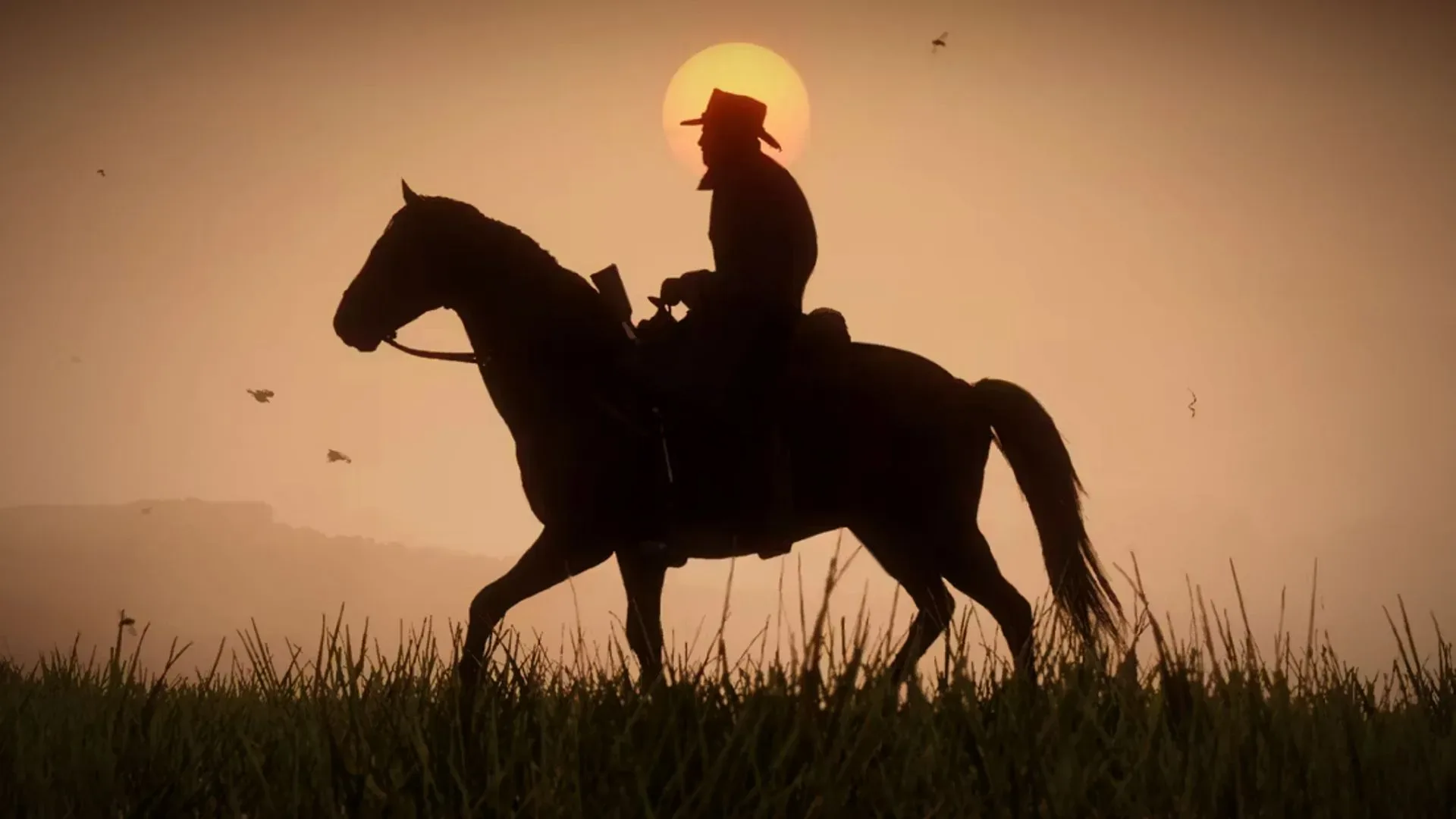
A recently discussed Red Dead Redemption 2 Mexico project illustrates why the language has attracted attention. The project was described as drawing on the setting of the first Red Dead Redemption while adding elements such as NPCs, towns and wildlife. Because it appears to bridge material from two Rockstar games, it is the sort of work the new wording makes difficult to square with the stated rules. That does not establish what action, if any, Rockstar will take against any individual project. It does show why creators and players are reading the guidelines as a potentially consequential change.
Unofficial ports face the most direct restriction
The platform provision is comparatively straightforward. A port is a version of software adapted to work on a different platform. Rockstar’s policy says its games must not be modified to operate on systems where they have not received an official Rockstar release.
That instruction matters in a hobbyist scene where technical preservation, browser experiments and alternative-device versions can overlap with unofficial distribution. The rule does not distinguish, in the supplied wording, between ports motivated by technical curiosity and those designed for broad public access. Its focus is the result: operating the game on an unsupported platform.
The wider games space has already seen how complicated those conversations can become. A recent browser-port project involving a PS1 party game similarly underlined that technical fan efforts can raise substantial questions around ownership and commercialization. Rockstar’s updated rule makes its own position on unauthorized platform adaptation notably explicit.
Why the FiveM context makes this especially notable
Rockstar’s stricter language lands against the backdrop of its acquisition of FiveM, a major roleplay mod framework connected to Grand Theft Auto V. Roleplay communities use a shared game world as a stage for player-driven scenarios, rather than simply replaying the original campaign. The framework’s scale was apparent when it surpassed 200,000 players on Steam in March.
That history helps explain why the new policy has created friction. Players can reasonably see Rockstar as a company familiar with the value of a large creative community, especially one built around multiplayer roleplay. At the same time, the new guidance emphasizes that creative activity has limits where official story material, cross-title elements and unsupported platforms are concerned.
These points are not necessarily incompatible. Roleplay can center on emergent, player-created situations rather than a new official-style campaign. A server’s participants may invent their own characters and interactions without extending Rockstar’s authored plot. But the difference is important: the policy suggests that community creativity is not a blank cheque to build new official-adjacent fiction or merge the company’s separate worlds.
For creators, the practical challenge is that projects rarely fit into perfect categories. A roleplay server may use familiar locations and gameplay systems while hosting player-made stories. A mission pack may contain entirely new dialogue but still use an established character, location or plot thread. A map project may be technically original in places but deliberately modeled on another Rockstar setting. The closer a project gets to an official narrative, recognizable cross-title material or a new platform target, the harder it is to reconcile with the guidelines as written.
What this could mean ahead of GTA 6
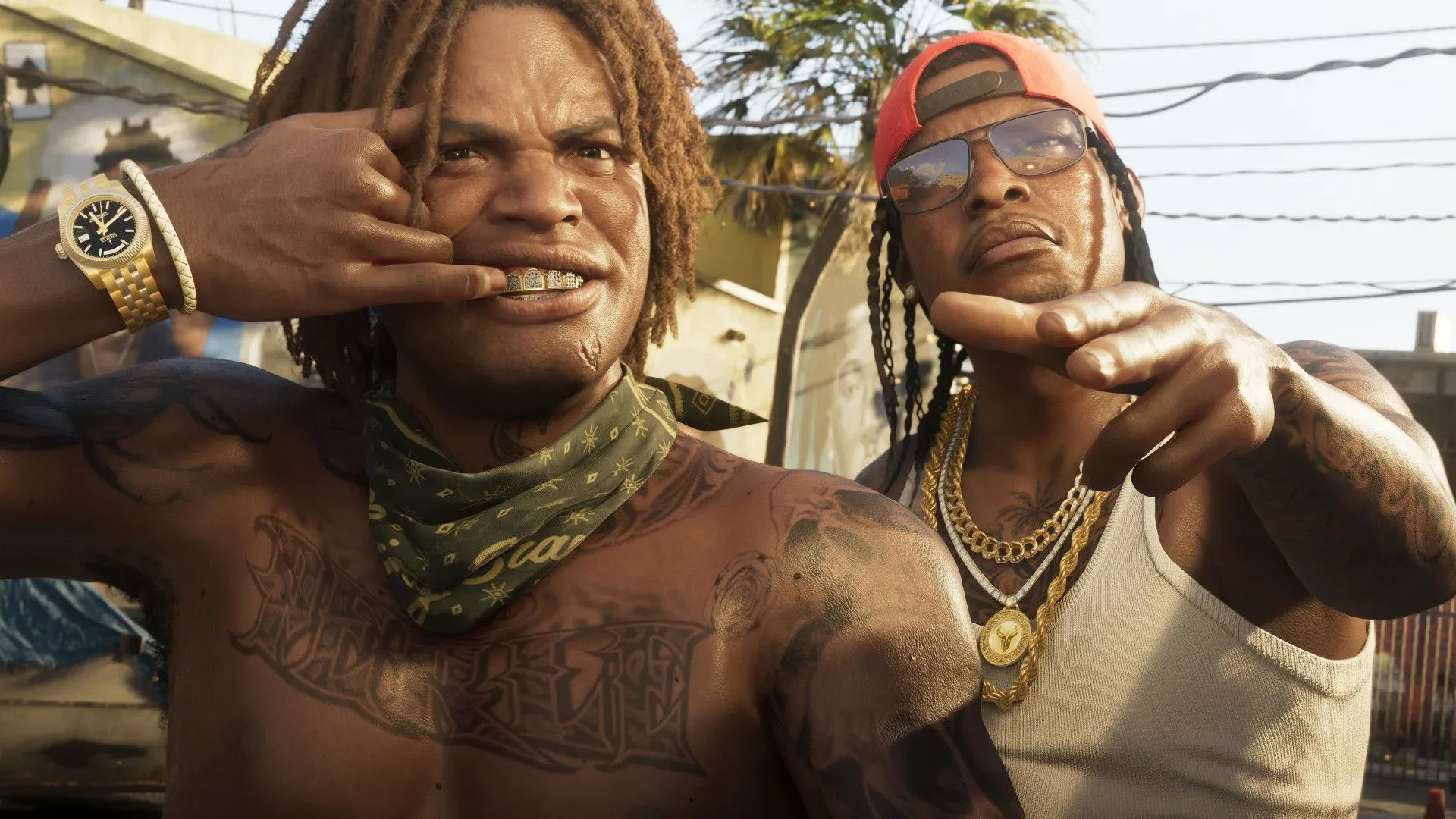
The timing naturally turns attention toward Grand Theft Auto VI, which is set to release on November 19. Fans have already begun asking what the policy might mean for the game’s eventual modding scene. There is a crucial limit to what can be concluded: these guidelines do not, by themselves, describe specific GTA 6 modding tools, permitted formats or enforcement plans.
They also do not settle the question of how or when the game may arrive on PC. That platform question is especially relevant because PC has historically been where many large-scale game modifications are made, but no additional platform-release information is established here. It would be premature to treat the new rules as a complete roadmap for GTA 6 modding.
What they do provide is a policy baseline. If a future mod adds a continuation of an official storyline, repurposes a character into new canonical-seeming missions, imports material from another Rockstar game, or attempts to run the game on an unsupported device, the guidelines now give Rockstar clear language to point to. Conversely, creators working on projects that avoid those areas will still need to evaluate the full policy and any rules attached to the particular game or service they use.
Community concern is understandable, but enforcement remains an open question
Reaction has been negative among some fans, with criticism focusing on the belief that the rules narrow the space for modders too sharply. That response is understandable because the policy expressly identifies categories that have long been associated with ambitious fan projects: story additions, mission work, map changes, crossover material and platform adaptation.
Still, a published guideline and a documented enforcement action are not the same thing. The available material establishes the restrictions themselves, not a list of takedowns, penalties, exceptions or individual decisions. It also does not say every mod is forbidden. The responsible reading is therefore neither “modding is over” nor “nothing has changed.” Rockstar has set out specific boundaries, and creators whose work crosses them now have a much clearer warning that their projects may be at odds with the company’s expectations.
For players, the immediate implication is less about a sudden change to every existing mod and more about the future shape of the scene. The safest community projects will likely be those that do not present themselves as extensions of Rockstar’s official fiction, do not move protected material between Rockstar titles and do not enable play on unsupported platforms. That still leaves room for many forms of creativity in principle, but the room around the most transformative projects looks substantially tighter.
Rockstar’s stated aim is a welcoming creative space. The debate now is over how much creative range can remain once the company’s worlds, stories, assets and platform choices are so carefully fenced off. With a new Grand Theft Auto release approaching, modders will be watching not only the words on the policy page, but how consistently and broadly those words are applied.