
Workers at Rockstar Games in the UK have voted against a proposal to formally recognize the IWGB Game Workers Union, with 75% voting no. The ballot ran from November 12 through November 26 and concerned a recognition agreement that would have established a formal collective-bargaining relationship between the studio and the union.
The result means Rockstar will not enter regular union-management meetings through this proposed agreement. It does not prevent individual developers who support union representation from working with the IWGB, nor does it settle every workplace issue raised during the campaign. It does, however, reject the specific mechanism that would have created a standing process for negotiating matters including overtime, bonuses, layoffs and the use of AI.
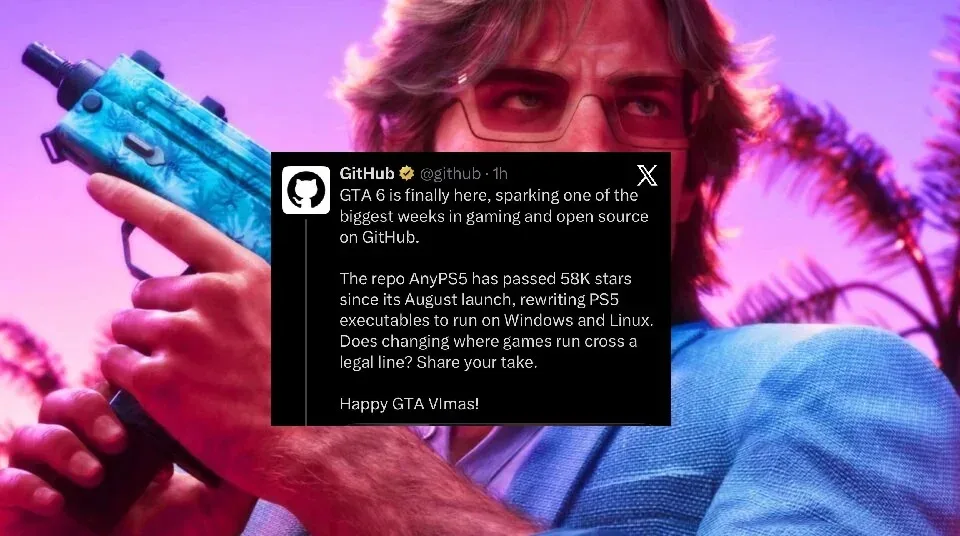
The vote arrived during an enormous moment for Rockstar’s biggest release. Grand Theft Auto 6 launched to more than 30 million sales in its first day, placing the workplace vote alongside a period of intense commercial attention for the company. For readers following other GTA 6 developments, recent discussion around GTA 6 and the AnyPS5 project illustrates just how broad the game’s post-launch footprint has become.
What the vote decided
A union-recognition agreement is not simply a declaration that employees may join a union. Workers can still choose to join or work with a union without a recognition deal. Recognition instead concerns whether an employer formally acknowledges a union as a representative body for a defined group of workers and engages with it through an organized bargaining process.
In this case, the proposed arrangement would have formalized collective bargaining around several employment topics:
- Overtime: the additional hours employees work beyond their normal schedules, and the terms on which that work is handled or paid.
- Bonuses: additional compensation that can be tied to company, project or individual circumstances.
- Layoffs: job losses resulting from an employer reducing its workforce.
- AI: the workplace implications of artificial intelligence, including the protections employees may seek as companies adopt or consider such tools.
With the recognition proposal defeated, there will be no routine management meetings under that agreement to negotiate new policy in those areas. Rockstar publishing head Jennifer Kolbe characterized the result as a vote of confidence in direct relationships between workers and leadership, as well as collaboration and open dialogue within the company.
“We are extraordinarily proud of our team, the culture we’ve built together and the launch of Grand Theft Auto 6,” Kolbe said. “This result reflects our team’s strong support for continuing the direct relationships, collaboration and open dialogue that have helped make Rockstar Games so innovative and strong.”
That position frames the choice as one between formal collective representation and a workplace model based on employees dealing directly with management. The ballot result clearly supports the latter approach for now. A 75% no vote is decisive, but it should not be read as proof that every worker shares the same views on all employment issues. The union says hundreds of Rockstar colleagues supported the proposal, a meaningful minority even though it was not enough to win recognition.
Related coverage includes Rockstar workers reject union recognition deal after GTA 6 launch.
The IWGB says its work at Rockstar will continue
The IWGB Game Workers Union described the result as a setback for the recognition campaign, rather than a reason to end its organizing. Its statement emphasizes that the ballot introduced more workers to conversations about employment terms, collective bargaining and contracts. The union intends to continue advocating for pay transparency, contractual overtime pay, protections concerning AI and protections against layoffs.
“A recognition agreement would have marked a path towards greater workplace democracy,” the IWGB said. “But it’s one route of many.”
That distinction matters. Formal recognition is a major route to collective bargaining, because it creates an established channel for negotiating with an employer. But a failed recognition vote does not make a union disappear, and it does not erase the workplace concerns that motivated employees to organize. Workers can still discuss conditions, seek union support and organize around particular issues.
The practical limitation is that those efforts will not have the regular, formally recognized negotiating structure sought in this ballot. Any future changes to overtime, pay transparency, AI safeguards or layoff protections would therefore not arise from this rejected recognition agreement. Whether changes happen through other discussions, future organizing or management-led policy is not established by the vote itself.
Why the terms in the dispute matter
Although “union recognition” can sound procedural, the underlying subjects are direct questions about how game-development work is organized. Overtime can be especially consequential in a large project environment because it concerns both time and compensation. “Contractual overtime pay,” one of the IWGB’s stated priorities, means placing terms for overtime compensation within employment contracts rather than leaving the subject solely to informal practice or future discretion.
Pay transparency refers to employees having clearer information about pay structures or compensation. The union identified it as a goal, but the available information does not specify a particular transparency policy Rockstar does or does not currently use. It is therefore more accurate to treat it as a stated organizing priority than as a description of an existing company policy.
Protections against AI is similarly broad. The ballot materials identify AI as one of the areas collective bargaining could address, and the union says it wants safeguards. The evidence available here does not detail what technology Rockstar is using, what role AI may have in development, or the specific protections proposed. The key point is that workers sought a formal voice over how AI-related decisions could affect their jobs and contracts.
Layoff protections concerns workers’ position when a company reduces staff. The union has identified layoffs as another subject it wanted to address. Again, the vote did not create a negotiated framework for that issue, and no new layoff policy follows from the result.
An unresolved labor tribunal case remains in the background
The recognition vote took place while a separate legal dispute continues. Roughly a year earlier, Rockstar fired dozens of developers, accusing them of gross misconduct and breaches of confidentiality connected to Grand Theft Auto 6 development. The dismissed workers accused the company of union busting, an allegation Rockstar has denied.
That dispute has been proceeding before a labor tribunal for the past 12 months. A final judgment has not yet been issued. As recently as November, members of both sides were giving testimony on the record.
It is important not to merge the two events. The November 12–26 ballot was a vote on recognition of the IWGB Game Workers Union. The tribunal matter concerns allegations linked to the dismissals and Rockstar’s stated reasons for them. The ballot’s outcome does not resolve the tribunal case, and the pending tribunal judgment does not alter the reported result of the recognition vote.
The distinction also guards against an easy but unsupported conclusion: a no vote on formal recognition does not determine what happened in the dismissal dispute. Likewise, a pending legal case does not tell us how each employee voted. They are connected by the broader workplace context at Rockstar, but they remain separate processes with different questions and outcomes.
What happens next
The immediate result is straightforward: no formal recognition agreement has been established between Rockstar’s UK developers and the IWGB through this vote. Rockstar says it will continue with its direct-relationship model. The union says it will continue organizing and pressing for concrete improvements, including transparency, overtime terms and protections related to AI and layoffs.
For employees, the most material consequence is the absence of a regular collective-bargaining forum created by this initiative. For Rockstar, the result preserves its preferred approach to workplace dialogue. For the broader game industry, the vote is a reminder that labor organizing is not reduced to a single yes-or-no moment: recognition can be sought, rejected and potentially revisited, while workers and management may continue to disagree over the best way to shape working conditions.
What should not be overstated is what the ballot can tell outsiders. It establishes the 75% rejection of this agreement and confirms that hundreds supported it. It does not reveal every reason workers voted as they did, the exact policies that might be discussed in any future process, or the eventual result of the ongoing tribunal case. Those unanswered questions will remain central as Rockstar moves beyond the launch of Grand Theft Auto 6.