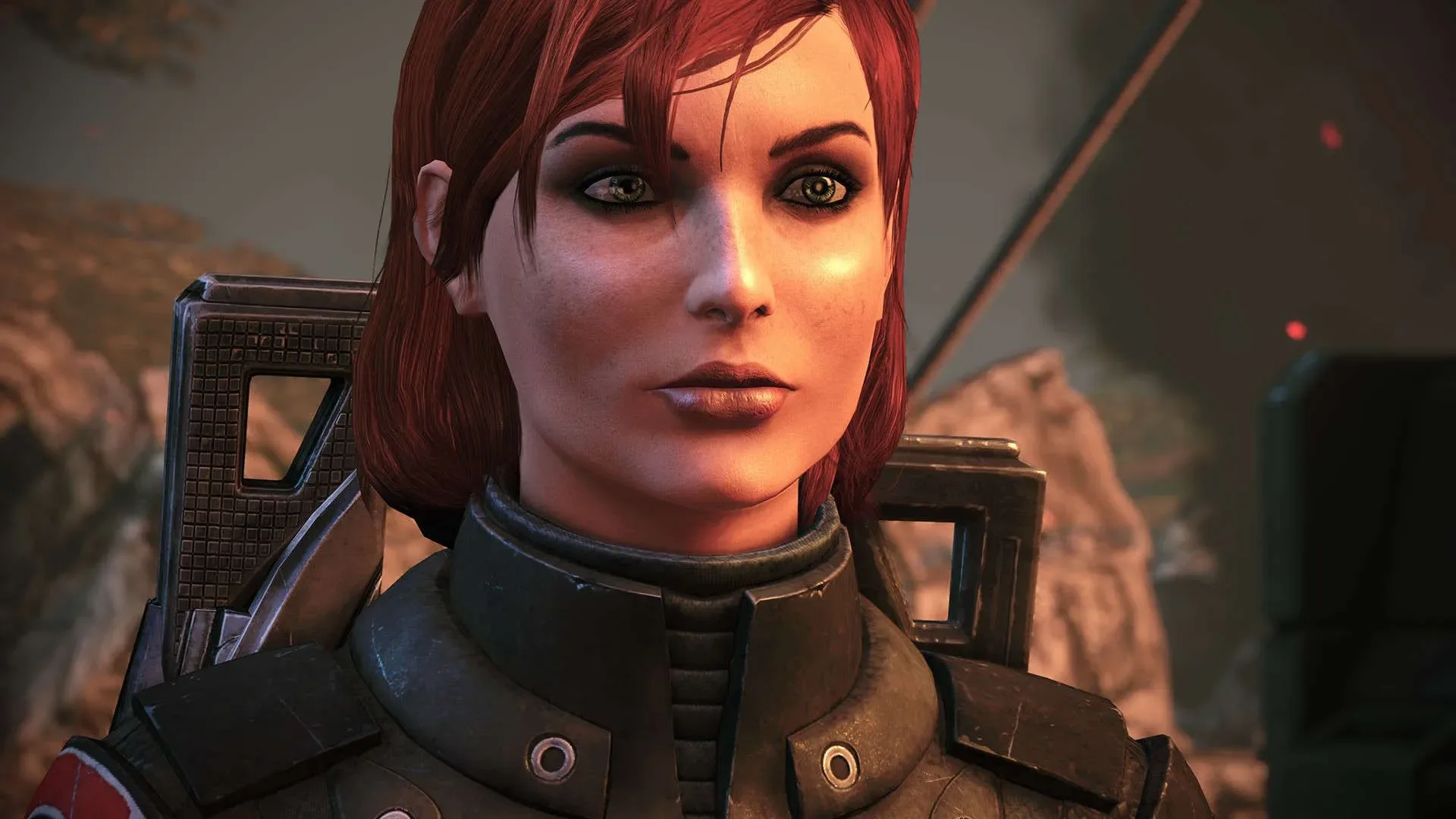
BioWare’s closure and the reported cancellation of Mass Effect: Universe may have come down to a stark portfolio choice: pursue a new Star Wars Battlefront or keep investing in a large-scale role-playing game. A new account of the decision says EA elected to prioritize the former, with a prospective Star Wars Battlefront 3 viewed as a less risky use of resources than BioWare’s next Mass Effect.
The account describes several factors behind the studio’s end rather than a single explanation. But its central claim is that EA reassessed its active and prospective projects after a private-equity acquisition reported at $55 billion in August, a deal said to have left the company responsible for $18 billion in debt. In that environment, choosing between costly science-fiction projects reportedly became a business priority.
That does not mean a new Battlefront is imminent. The report says Battlefront 3 had not begun development at the time of publication. It is better understood as a project EA reportedly saw as an attractive opportunity, not a confirmed, active game with a known studio, release window, platforms, gameplay details or official announcement. A separate report covering the same claims is available here.
A reported choice between very different kinds of game
On the surface, both franchises occupy science-fiction territory. From a production and publishing perspective, though, they represent very different bets.
For more context, explore Halloween Weekend Sales Put Gaming Gear, Apple Hardware and Accessories in the Discount Basket.
Mass Effect is associated with the RPG format: player choice, character relationships, narrative branches and a broad set of interconnected systems are central to the appeal. An RPG’s development burden can be especially difficult to scope because its content is not confined to a single competitive loop. Dialogue, companion material, quests, consequences and world-building all have to support the player’s sense of agency.
Star Wars Battlefront, by contrast, is a multiplayer action series. “Multiplayer action game” is a broad label, but in this case it points toward a shooter-led format built around recognizable settings, characters and direct match-based play. The reported rationale was not that one genre is inherently better than the other. Rather, EA was said to view the shooter as the safer commercial direction, consistent with a history of putting money behind more straightforward shooters instead of RPGs.
“Lower risk” should not be mistaken for “easy to make.” A multiplayer game still needs stable networking, satisfying weapons and movement, maps that hold up across repeat sessions, balancing, progression systems and a population of players large enough to support matchmaking. It also faces the challenge of sustaining audience interest over time. The point of the report is narrower: EA reportedly believed the franchise format and genre profile made a potential Battlefront 3 preferable to continuing with the new Mass Effect.
Debt pressure reportedly changed the context
The reported $18 billion debt load is important context, though it cannot on its own explain every creative or staffing decision. Debt is money a company must repay under agreed terms. The more immediate concern for management can be the ongoing cost of servicing that debt: interest, repayment schedules and the need to preserve cash flow. Those pressures can make publishers more selective about projects with long development cycles, uncertain schedules or uncertain commercial outcomes.
That financial context helps explain why a portfolio review can feel very different from a judgment on an individual team’s talent or a franchise’s fanbase. A portfolio review weighs projects against one another. A game can have dedicated players, an established name and a team actively working on it, yet still lose out if leadership decides another investment better fits its desired risk profile.
It is also why the claim should be handled with care. The account explicitly points to several reasons for BioWare’s shutdown, not a clean one-project-for-one-project swap. The reported preference for Battlefront is presented as the main factor in the decision, while the studio’s recent output and changes in leadership are additional parts of the picture.
BioWare’s recent games were reportedly part of the scrutiny
The report says BioWare had been under scrutiny over its latest major projects: Mass Effect: Andromeda, Anthem and Dragon Age: The Veilguard. Each was characterized as receiving a weaker reception than the studio’s earlier work. That history would give a publisher reason to ask hard questions about the cost, direction and market prospects of another major RPG.
Still, reduced reception is not a complete explanation for the closure or for the alleged cancellation. The available account connects the decision to the company’s broader financial situation and an opportunity to return to Battlefront. Treating any one previous game—or any isolated element of a previous game—as the sole cause would go beyond the evidence presented.
That distinction matters because public discussion after a studio closure often seeks a simple culprit. Development decisions, particularly decisions involving a publisher’s entire slate, rarely fit that kind of story. The information here instead suggests a mix of commercial performance concerns, corporate financing pressure, leadership shifts and a preference for a different genre and licensed property.
Leadership changes may have mattered
The report also points to changes among the executives who had influence over BioWare’s place within EA. Laura Miele, previously EA’s chief operating officer and chief studios officer, was identified as an executive who had advocated for the studio. The account says executives David Tinson and Cam Weber, both described as EA Sports veterans, replaced prior leadership figures.
It would be speculative to assign a precise motive to any executive from that information alone. Personnel changes do not prove that an individual caused a closure, cancellation or strategic pivot. They do, however, help explain how an internal assessment can change over time. Different leaders can place different value on genres, release models, development timelines and the degree of uncertainty they are prepared to accept.
For BioWare, the practical result reported here is severe: a studio working on a new Mass Effect was closed, and the project called Mass Effect: Universe was canceled. There is no indication in the available information that the canceled game will be revived, transferred to another team or released in any form.
What #savemasseffect supporters are asking for
Fans have organized around the #savemasseffect tag in response to the closure. The campaign is not entirely unified. One group wants the specific game BioWare had been developing to be rescued. Another would accept the series being assigned to a different studio if that is what it takes to keep the property alive.
Those are meaningfully different objectives. Saving an existing project could require preserving its work, direction and accumulated knowledge, all of which become complicated when a studio closes. Giving the series to a new developer would potentially allow the brand to continue, but would not necessarily preserve the canceled project or reproduce BioWare’s approach.
For now, neither outcome is confirmed. The more immediate takeaway is that the reported decision appears to be a strategic triage call made under financial pressure, rather than evidence that a hypothetical Battlefront 3 is already underway. Fans of both series should separate the claims that are actually on the table: BioWare has closed; Mass Effect: Universe was reportedly canceled; EA reportedly favored a future Star Wars Battlefront opportunity; and no formal development details for Battlefront 3 have been established in the available account.