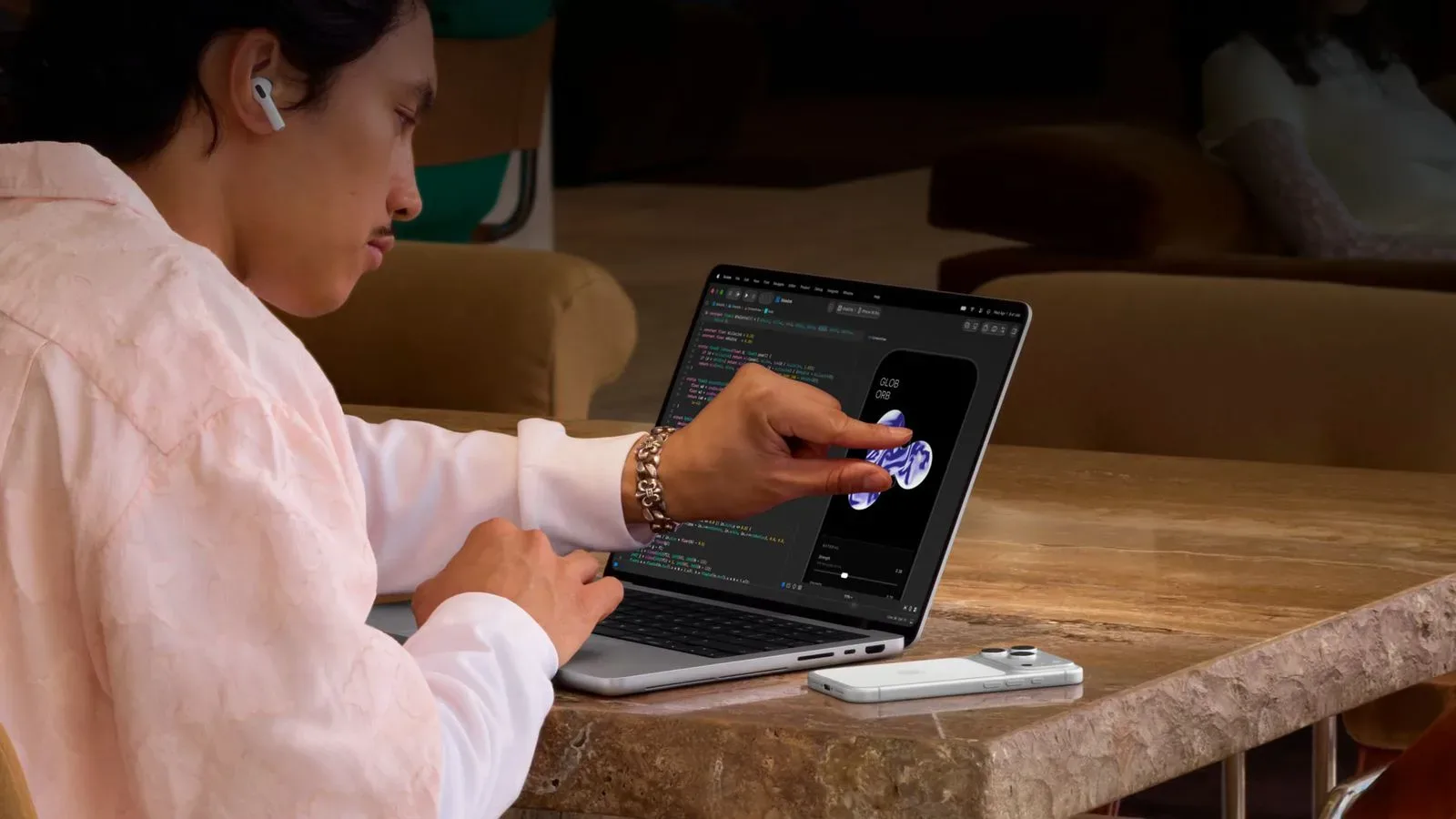
Apple could eventually stop updating the non-touch versions of its high-end MacBook Pro, consolidating that end of the notebook range around touchscreen machines instead. The possibility remains an expectation rather than a confirmed product plan, and there is no stated timetable for when the traditional high-end models might disappear.
For now, Apple is selling both approaches. The newly introduced touchscreen MacBook Pro range sits alongside high-end M5 Pro and M5 Max models using mini-LED displays. The touchscreen versions carry a $400 premium. That leaves buyers with a meaningful choice today, but it also creates two closely related premium product tracks for Apple to maintain.
Why the two high-end lines may converge
The central case for a touchscreen-only future is operational rather than a claim that every Mac user wants to touch their display. Keeping parallel families current demands separate work across hardware development, manufacturing and marketing. If the models remain close in capability but differ mainly in display design and associated chassis changes, a single direction could be simpler to sustain over multiple generations.
The $400 gap is significant in that discussion. It means the touchscreen redesign is currently positioned as an upsell rather than a quiet, across-the-board replacement. A future convergence could take several forms: Apple could make touch standard at the high end, reshape the distinction between tiers, or otherwise adjust the lineup. The available information does not establish which route it would take, so it would be premature to treat the end of non-touch MacBook Pros as certain.
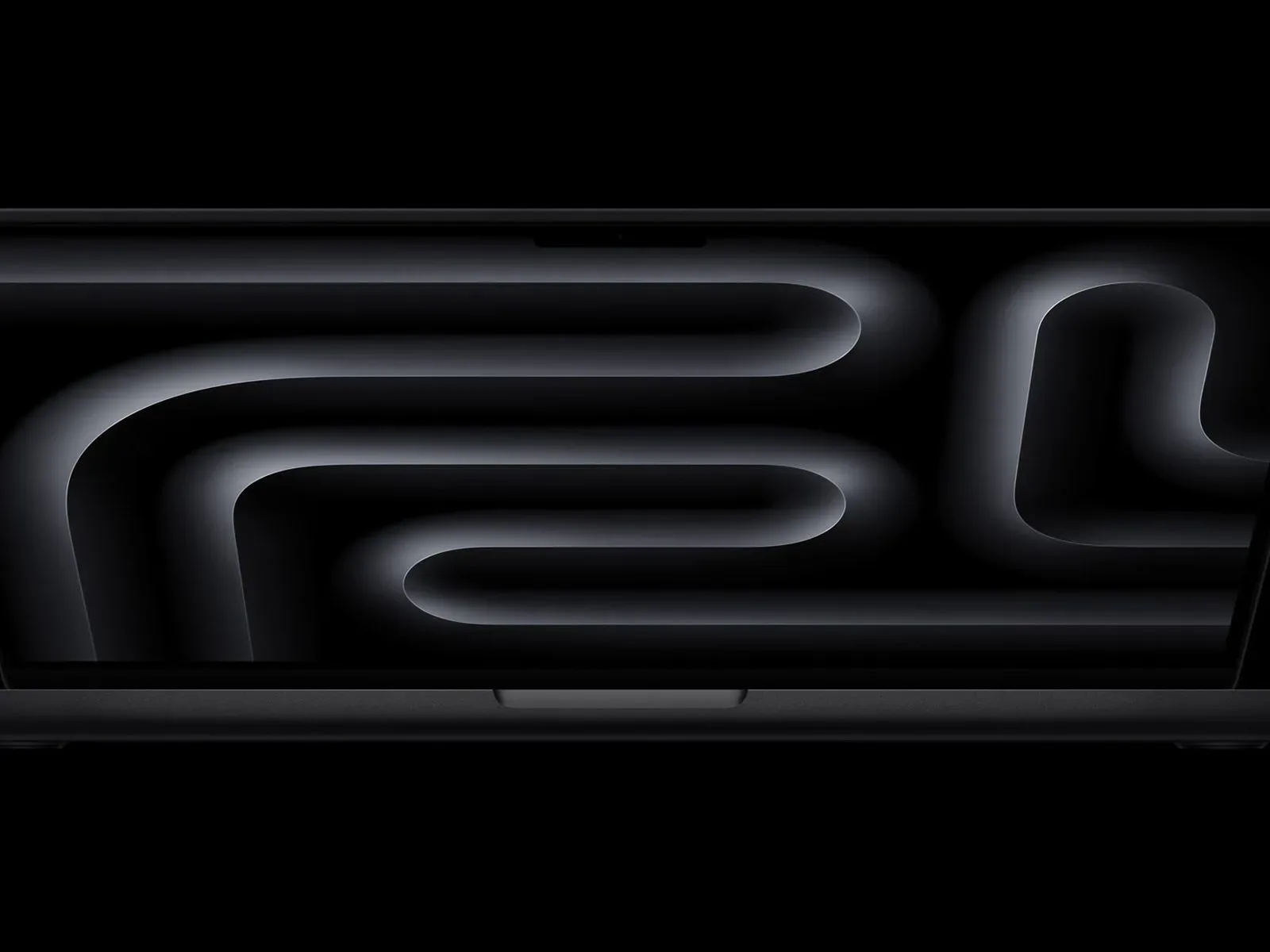
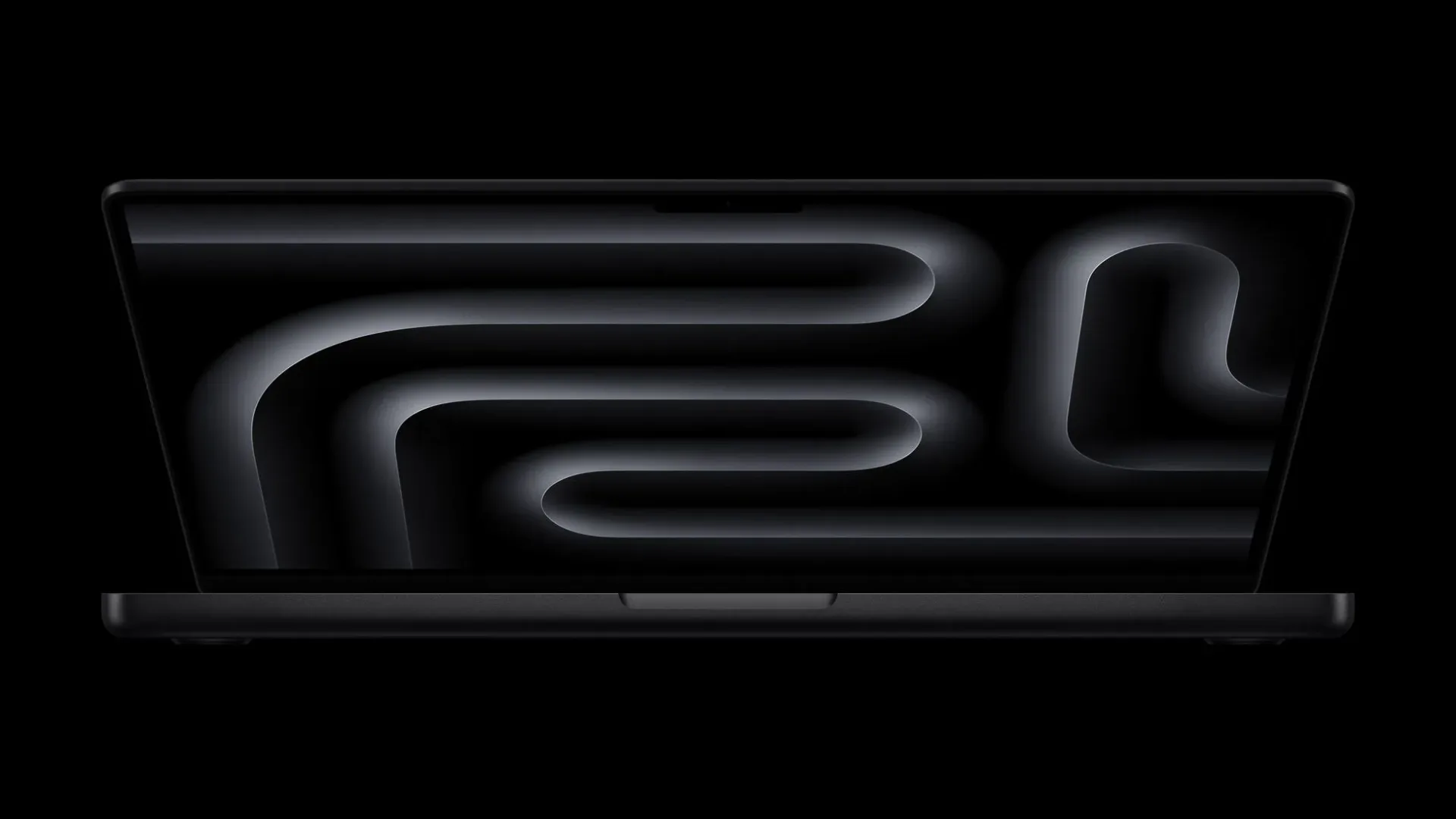
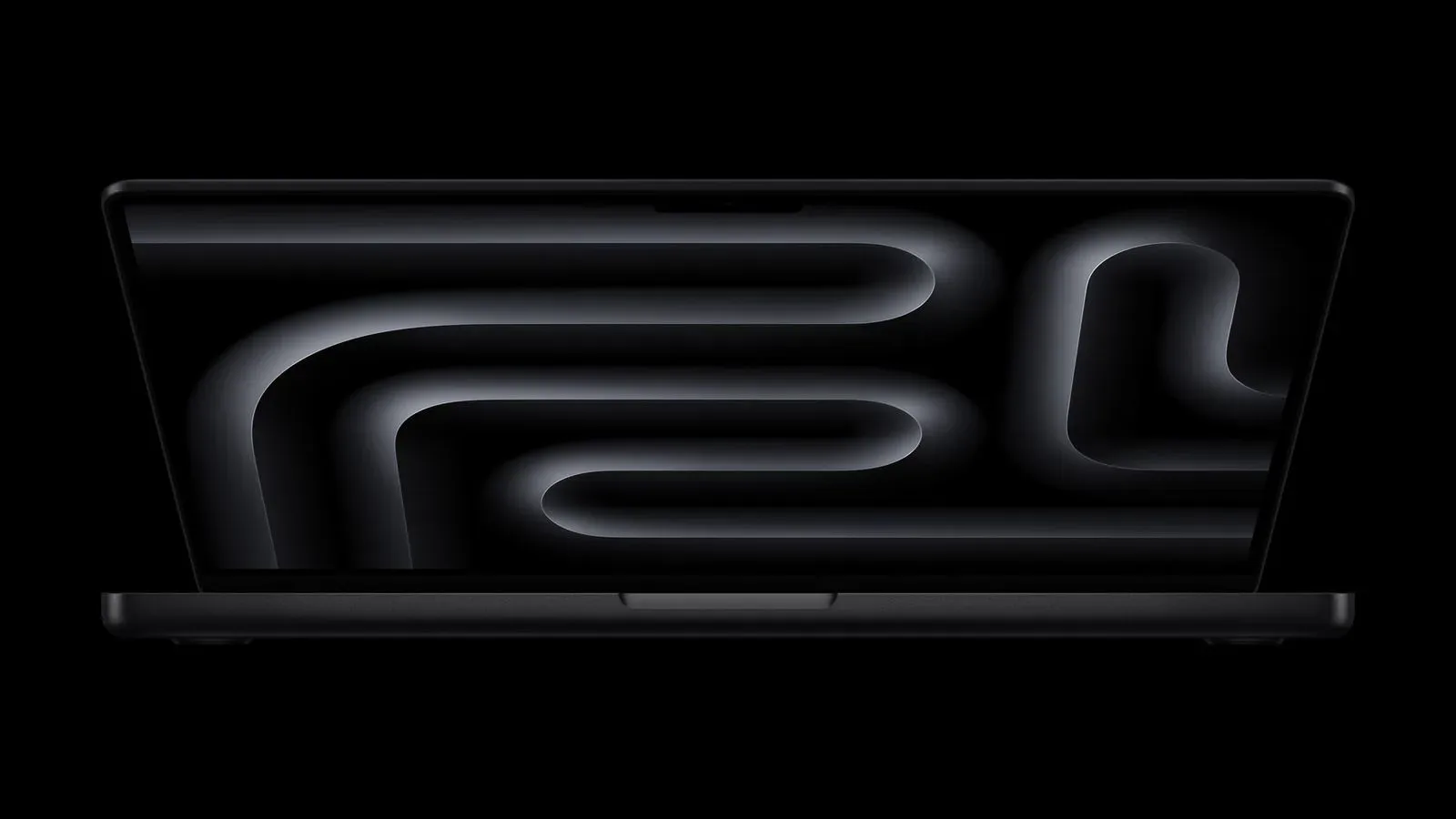
What is clearer is that the touchscreen models represent more than a panel swap. Apple’s newly unveiled design combines an OLED screen and Dynamic Island with a lighter, slightly thinner enclosure. It also includes a revised cooling system intended to direct warm air away from the display. Those changes help explain why the touchscreen MacBook Pro is treated as a distinct hardware family rather than merely an optional screen configuration.
What the current touchscreen redesign includes
OLED, short for organic light-emitting diode, is a display technology in which individual pixels emit light. Mini-LED, the technology retained by the parallel M5 Pro and M5 Max machines, uses many small backlights behind an LCD panel. Both labels describe the display system, but they are not interchangeable. For shoppers comparing today’s high-end options, the reported division is therefore not just touch versus no touch; it also concerns OLED versus mini-LED and the redesigned chassis around the newer screen.
Dynamic Island is the display-area feature included with the new touchscreen design. The supplied details do not specify its software behavior on Mac, but its presence is part of the visible change separating these notebooks from their non-touch counterparts.
The cooling revision also matters because high-end MacBook Pro systems are offered with Pro- and Max-class processors. Cooling is the hardware arrangement that moves heat away from internal components. In this redesign, the stated aim is specifically to channel warm air away from the screen. That is a practical design detail, not evidence by itself of a particular performance gain, and no comparative thermal or benchmark results have been provided.
Another touchscreen generation is reportedly on the roadmap
A further touchscreen MacBook Pro generation is reportedly planned for 2027, using M7 Pro and M7 Max chips. The expected timing has been described as toward the end of that year. Those processors are also said to bring additional hardware capabilities for AI, though the exact capabilities and the software features that could use them have not been detailed.
“AI hardware” can cover dedicated or expanded computing resources built into a processor for machine-learning workloads. The phrase does not, on its own, reveal how much faster a system will be, which applications will benefit, or whether an existing task will change. Until Apple describes the M7 Pro and M7 Max chips, users should regard the AI element as a broad direction rather than a specifications sheet.
The reported 2027 plan is important because it suggests the touchscreen redesign is not being treated as a one-off experiment. A successor using a new chip generation would indicate continued investment in the format. Even so, an intention to release another touchscreen family does not confirm that every non-touch high-end model will end at the same time. Product-roadmap reporting can describe a likely trajectory while leaving final lineup decisions unresolved.
The 14-inch base model may receive the redesign too
The redesign is also expected to reach the entry-level 14-inch MacBook Pro. The reported model would use an M7 chip rather than an M7 Pro or M7 Max, and would adopt a lighter, thinner body and slimmer borders around the display similar to the refreshed high-end systems. Its possible launch window has been described as the first half of 2027.
That distinction between M7 and M7 Pro or M7 Max is worth keeping straight. They identify different planned processor tiers in the reported lineup. The information available does not provide performance figures, memory configurations or feature-by-feature comparisons among them. It does, however, point to a design strategy in which the visual and physical overhaul expands beyond the most expensive MacBook Pros.
If that plan proceeds, prospective buyers could face two separate timing questions. Someone who needs a machine now can compare the high-end M5 Pro and M5 Max options currently available, including the mini-LED non-touch versions and the touchscreen redesign that costs $400 more. Someone shopping specifically for a redesigned entry-level 14-inch model may instead be watching the reported first-half-2027 window. People interested in the next high-end chip step would be looking later in 2027, if the reported late-year M7 Pro and M7 Max schedule holds.
What this means for Mac users right now
There is no immediate reason to assume that a non-touch high-end M5 Pro or M5 Max MacBook Pro is about to lose relevance. Apple has retained those models alongside the touchscreen versions, and no discontinuation date has been identified. A product line potentially becoming less central in a future generation is different from a current product becoming unsupported or unusable; neither support-policy change nor end date is described here.
Instead, the report gives buyers a useful way to frame priorities. The touchscreen models are the choice for people who specifically value the new OLED-and-Dynamic-Island design and are comfortable with the stated $400 difference. The existing mini-LED models remain the alternative for users who prefer a non-touch screen or simply do not see enough value in the redesign to justify that premium.
- Do not buy solely on a rumored retirement: no deadline has been given for non-touch high-end MacBook Pros.
- Separate design from chip generation: the touchscreen models introduced last week retain M5 Pro and M5 Max chips that arrived in March, while the reported M7 Pro and M7 Max refresh belongs to 2027.
- Distinguish the expected launch windows: the redesigned base 14-inch M7 MacBook Pro has been linked to the first half of 2027, while the next touchscreen high-end generation has been linked to later in 2027.
- Watch for official technical detail: AI-hardware claims, performance implications and exact feature sets for M7-class chips have not been specified.
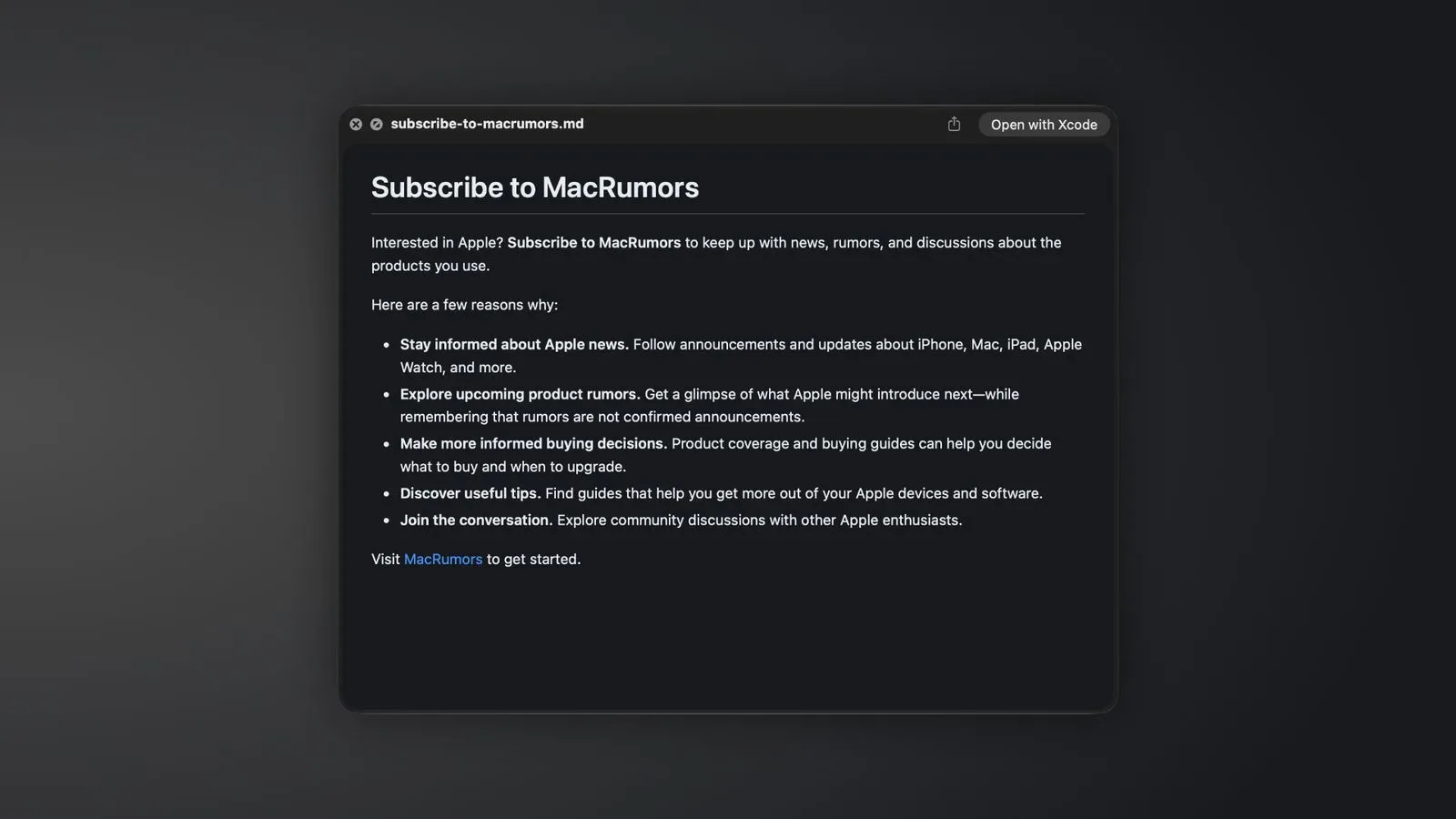
For developers and people working with text-heavy files, Mac software changes may be as relevant as a touch display. Recent system development has also pointed to improved file handling, including Quick Look rendering for Markdown files in a macOS 27.3 beta. That feature is separate from the MacBook Pro hardware story, but it is a reminder that the value of a new notebook comes from the interaction of its physical design, processor and operating system.
What remains unknown
Several consequential details remain open. There is no confirmed end date for non-touch M5 Pro and M5 Max MacBook Pros, no assurance that Apple will eliminate them after a particular M-series update, and no stated plan for how any future consolidation would affect pricing. There are also no provided specifications for the M7, M7 Pro or M7 Max chips beyond the reported AI-related hardware additions for the Pro and Max variants.
There is likewise no supplied description of touch controls in macOS, app compatibility, battery life, display measurements, port changes or the precise degree of weight and thickness reduction. The present information supports a straightforward reading: Apple’s touch-enabled MacBook Pro redesign appears positioned to continue into 2027, and maintaining it beside the older high-end non-touch format may become difficult to justify over time. It does not yet support treating a non-touch MacBook Pro exit as an announced decision.