Apple is set to make five new devices available on Friday, November 6, following pre-orders that opened last week. The release is headlined by the company’s first MacBook Pro models with touchscreen OLED displays, joining a refreshed iPad mini, an M6-powered iMac, and a 14-inch MacBook Pro built around the M6 chip.
For players, creators, and PC-minded Apple shoppers, this is less a single hardware launch than a five-way fork in the upgrade path. The entry point begins with the compact iPad mini at $699, while the new OLED touchscreen MacBook Pro range begins at $2,899. The key question is therefore not simply whether newer hardware is arriving, but which of these devices fits the work—or play-adjacent setup—someone actually needs.
Apple’s November 6 product lineup
The five products scheduled to become available are:
- iPad mini with an OLED display and A20 Pro chip
- iMac with the M6 chip
- 14-inch MacBook Pro with the M6 chip
- 14-inch MacBook Pro with an OLED touchscreen
- 16-inch MacBook Pro with an OLED touchscreen
All five models remain available to pre-order. Delivery estimates are generally positioned for launch-day arrival, with one notable exception: the base 14-inch touchscreen MacBook Pro has longer stated lead times depending on finish. The Space Black version is listed at three to four weeks, while the Silver version is listed at seven to 10 business days.
That distinction matters for anyone trying to decide between configurations based on the assumption that every version is equally obtainable at release. In this case, color is directly tied to the stated shipping estimate for that base touchscreen 14-inch model.
Pricing: the lineup spans from portable tablet to premium laptop
Apple’s stated starting prices put substantial distance between each tier:
- iPad mini: $699
- iMac: $1,499
- 14-inch MacBook Pro with M6: $1,999
- 14-inch OLED touchscreen MacBook Pro: $2,899
- 16-inch OLED touchscreen MacBook Pro: $3,399
The standard 14-inch M6 MacBook Pro sits $900 below the starting point of the 14-inch touchscreen OLED version. Moving from the 14-inch touchscreen model to the 16-inch touchscreen model adds another $500 at the starting price. Those are meaningful gaps, especially because the supplied details identify the touchscreen and OLED display as the differentiating headline features but do not specify broader configuration differences.
In practical purchasing terms, that means a buyer should avoid filling in missing specifications with assumptions. An OLED panel is a display technology in which individual pixels produce their own light. It is commonly discussed for its ability to render deep blacks because pixels can be turned off rather than relying on a conventional backlight. A touchscreen, meanwhile, is a display that accepts direct touch input. Apple’s new MacBook Pro models combine both characteristics, but the available information does not establish exactly how Apple has implemented touch interaction, which apps will benefit most, or what other hardware changes sit behind the higher price.
The MacBook Pro change is the central story
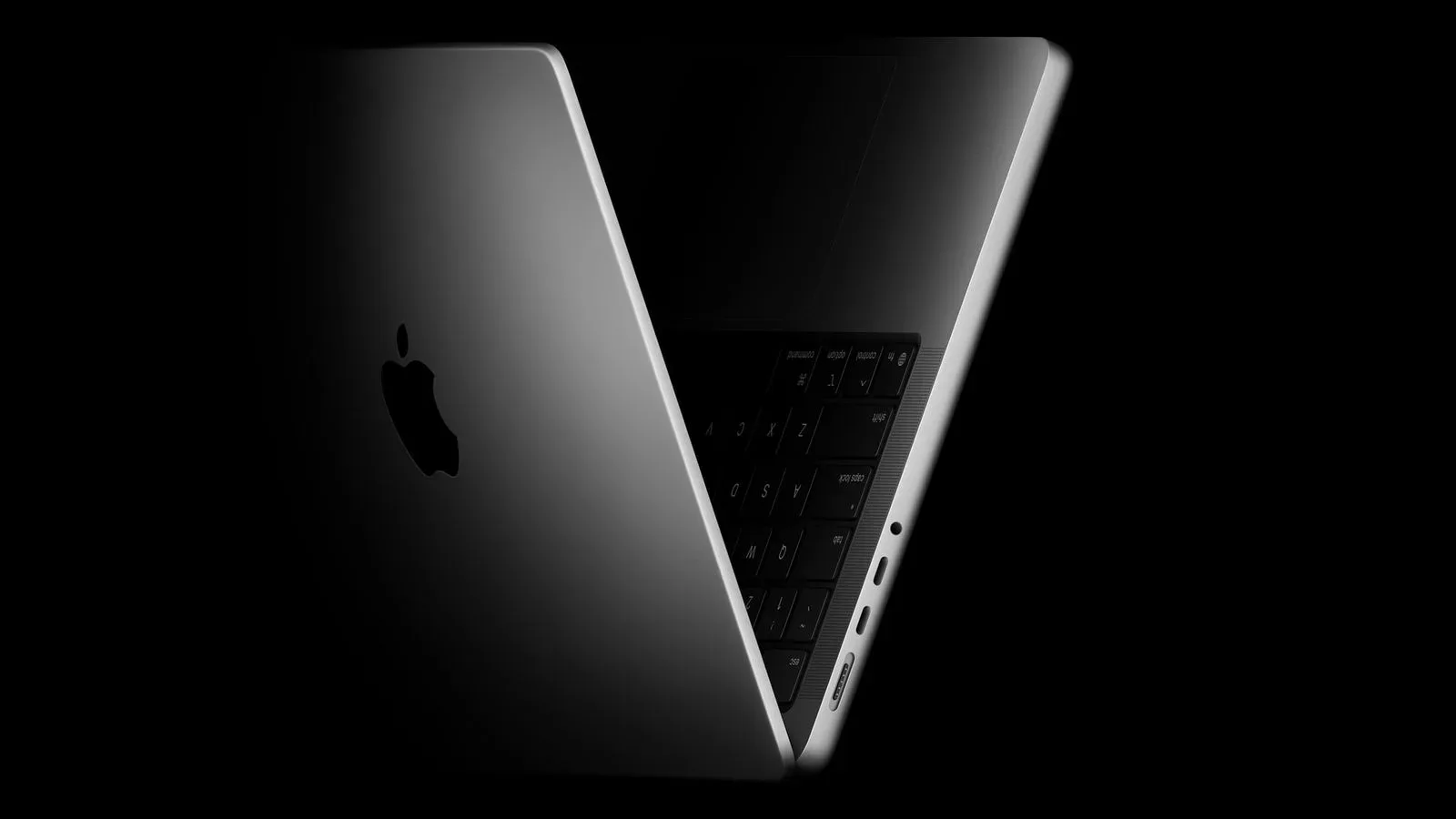
The touchscreen MacBook Pro models are the most consequential part of the release because they mark Apple’s first MacBook Pros with that form of input. The new machines are offered in two sizes: 14 inches and 16 inches. Both are described as using OLED touchscreen displays.
For game-adjacent creative work, touch input can be easy to understand even before the precise software details are known. Direct interaction could be relevant to tasks involving visual assets, layouts, annotation, reference material, or timeline-based creative applications. That is an explanation of the general appeal of a touch display, not a claim about any particular app, game, workflow, or performance result on these new notebooks. The supplied launch details do not list game support, graphics capabilities, battery results, ports, refresh rates, operating-system behavior, or touch-specific software features.
That restraint is important. A touchscreen laptop is not automatically a gaming machine, and an OLED screen alone does not describe a system’s performance. Players weighing a Mac against a dedicated console, handheld, Windows gaming desktop, or gaming laptop will need the information that is not included here: supported games, performance targets, graphics options, controller support, storage configurations, and the display’s specifications beyond its panel type and touch capability.
Still, the arrival of touch on a MacBook Pro changes the product conversation. Until now, choosing a MacBook Pro meant choosing a traditional laptop input model centered on keyboard and trackpad use. Starting November 6, buyers in the new OLED MacBook Pro branch will also be considering a direct-touch display. Whether that change is worth a $900 premium over the standard 14-inch M6 MacBook Pro will depend on individual priorities, since the confirmed information does not define all differences between the two 14-inch systems.
What the M6 naming tells us—and what it does not
The new iMac and standard 14-inch MacBook Pro are identified as M6 models. In this context, M6 is the name of the chip used in those computers. The available release information confirms the chip name but offers no benchmark figures, core counts, memory options, graphics specifications, or direct comparison with earlier Apple silicon.
As a result, it is accurate to call the iMac and 14-inch MacBook Pro new M6-based systems; it is not supported to declare how much faster they are than prior models, or to predict their gaming performance. Hardware announcements often invite a rush to translate a new processor label into a percentage gain. That translation requires measurements or technical specifications, neither of which is included in the launch information here.
For prospective buyers, the more useful immediate takeaway is simple: Apple is offering a new desktop option in the iMac and a new conventional-laptop option in the 14-inch MacBook Pro, both carrying the M6 designation. The touchscreen OLED MacBook Pro units are described by their display and input change, but the supplied material does not explicitly state their chip configuration. Buyers comparing the systems should check the complete model specifications at the point of purchase rather than assuming that every name in the launch lineup signals identical internals.
The iPad mini gets an OLED screen and A20 Pro chip
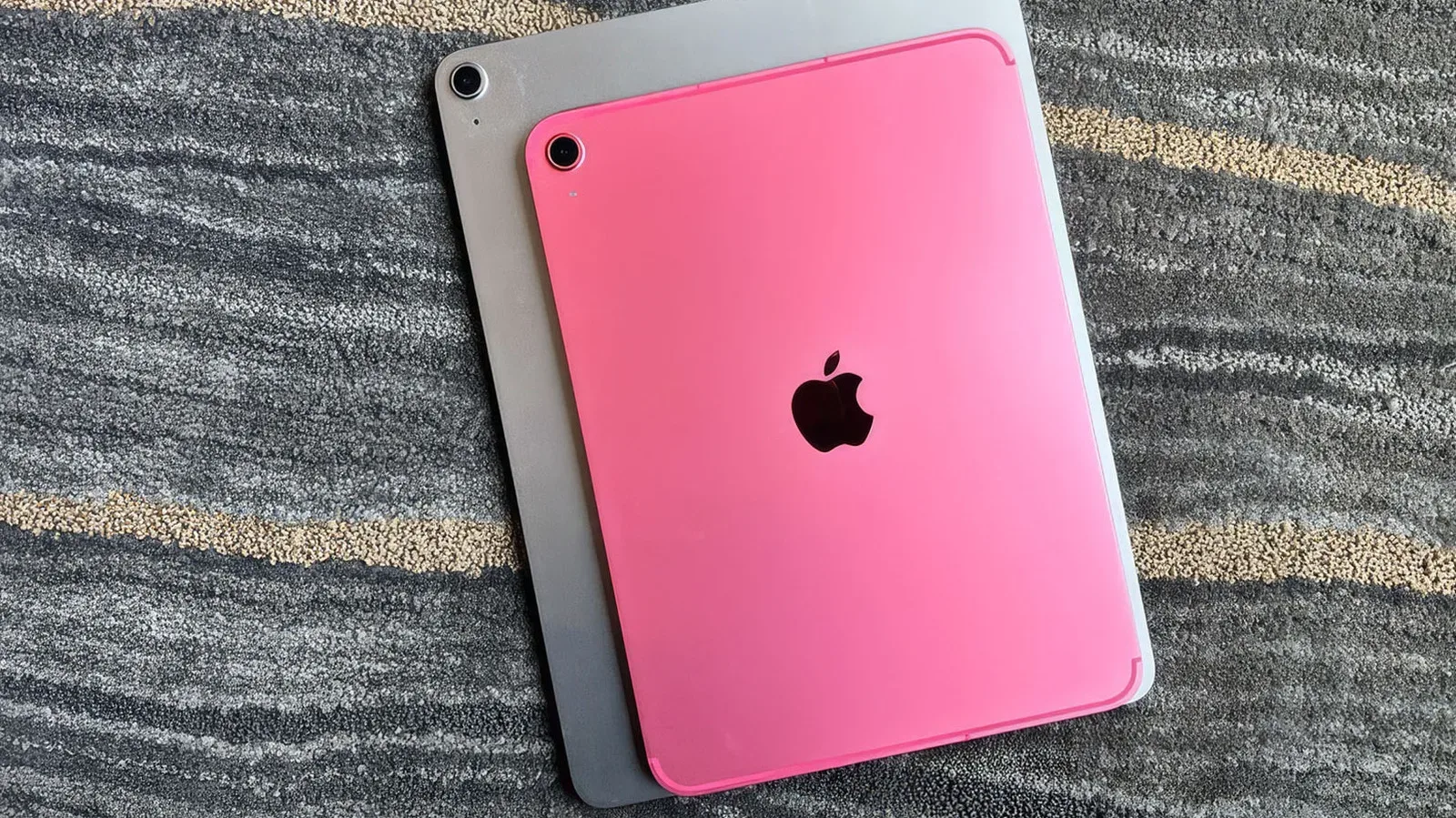
The smallest and least expensive arrival is the $699 iPad mini, which pairs an OLED display with an A20 Pro chip. Its place in the lineup is distinct from the MacBooks and iMac: it is a compact tablet rather than a desktop or laptop computer.
That smaller form factor could make it the relevant option for people who want a portable screen for reading, video, casual touch-based use, or keeping a companion device near a larger gaming or work setup. Those are examples of common tablet roles rather than promised features of this specific model. No game library, accessory support, storage tier, battery estimate, screen size, refresh behavior, or software capability has been provided in the launch details.
The key confirmed upgrades are therefore the OLED display and the A20 Pro chip. As with the MacBook Pro’s OLED panels, the technology label alone does not settle every quality question. Prospective owners who care about brightness, color behavior, responsiveness, or other screen characteristics will need the complete specifications and independent testing once available.
How to read the shipping estimates
Availability language can sound more definitive than it is. The current pre-order outlook indicates that shipping dates generally look favorable for November 6 delivery, but delivery windows can vary by model and finish. The clearest exception is the base 14-inch touchscreen MacBook Pro, where Space Black is quoted at three to four weeks and Silver at seven to 10 business days.
“Base” here refers to the entry configuration of that particular 14-inch touchscreen MacBook Pro model. It does not mean the lowest-cost device in the entire Apple release group—that would be the iPad mini, based on the listed starting prices.
Anyone choosing between finishes primarily for delivery speed has a clear current tradeoff: Silver has the shorter listed timeframe, while Space Black has the longer one. Those estimates are not the same thing as a guarantee, and they do not establish the availability of other configurations or retail stock. They are simply the supplied timing indicators attached to the two finishes of the base 14-inch touchscreen unit.
A quick way to narrow the choice
With only the confirmed launch details in hand, shoppers can sort the five-device lineup by the feature they value most:
- Lowest starting price and compact tablet format: the $699 OLED iPad mini with A20 Pro.
- Desktop format: the $1,499 M6 iMac.
- Conventional 14-inch MacBook Pro option: the $1,999 M6 model.
- Touch input and OLED in a 14-inch MacBook Pro: the $2,899 starting touchscreen model.
- Touch input and OLED in the larger MacBook Pro size: the $3,399 starting 16-inch model.
It is also worth distinguishing a product announcement from a recommendation. The confirmed facts establish release timing, product names, selected chip and display details, starting prices, and one configuration’s delivery differences. They do not establish which machine is the best value, how any of them perform in games, or whether the touchscreen implementation will be transformative for a particular user.
Apple’s November 6 slate is nonetheless unusually easy to frame: one OLED tablet, one M6 desktop, one M6 laptop, and two touchscreen OLED MacBook Pros. For the Mac lineup, the arrival of touch is the standout new variable. For buyers, the next step is to match that variable—and its substantial price jump—to a real need rather than treating a new input method as an automatic upgrade.
Those watching Apple’s broader hardware direction may also want to keep an eye on reports that the company could refresh additional iPad models in a future cycle, with OLED and other changes discussed for the wider iPad family.