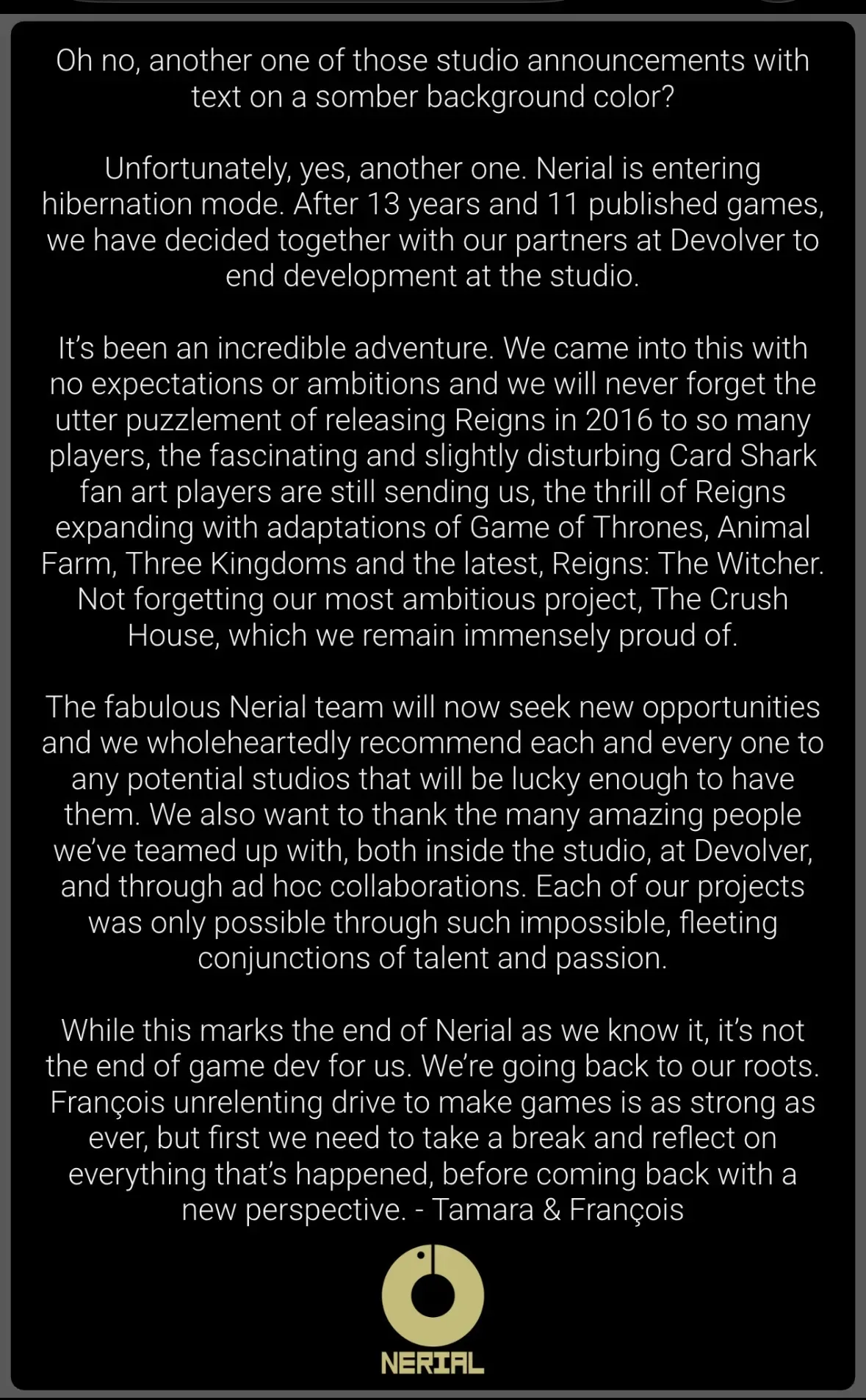
Nerial, the developer best known for the swipe-driven monarchy sim Reigns, is closing after nearly 13 years and 11 games. The closure does not mark founder and creative director François Alliot leaving game development, however. Alliot and his wife, Tamara, intend to continue making games together on a smaller independent basis.
That distinction is important. This is not a story about a creator giving up on games; it is about a studio structure reaching its endpoint. Nerial’s catalogue will remain with Devolver Digital, which acquired the studio in 2021, while Alliot retains his prototypes and looks toward work that may not need to fit inside an internal-studio publishing arrangement.
There is a serious human cost to that reset. Nerial has nine people, and seven employees are being let go as part of the shutdown. Alliot said he would like to work with them as contractors in the future, but cannot keep them on as salaried staff now.
A successful studio is still vulnerable to changing conditions
For many players, Nerial is inseparable from Reigns. Released in 2016, the game turned a Tinder-like left-or-right swipe interface into a compact strategy system about ruling a kingdom. Each choice shifted the balance between power centers while its darkly comic writing kept pressing the ruler toward the inevitable end of a reign. The approachable format, quick decisions and jokes about authority, wealth and death helped it become an unusually visible mobile game.
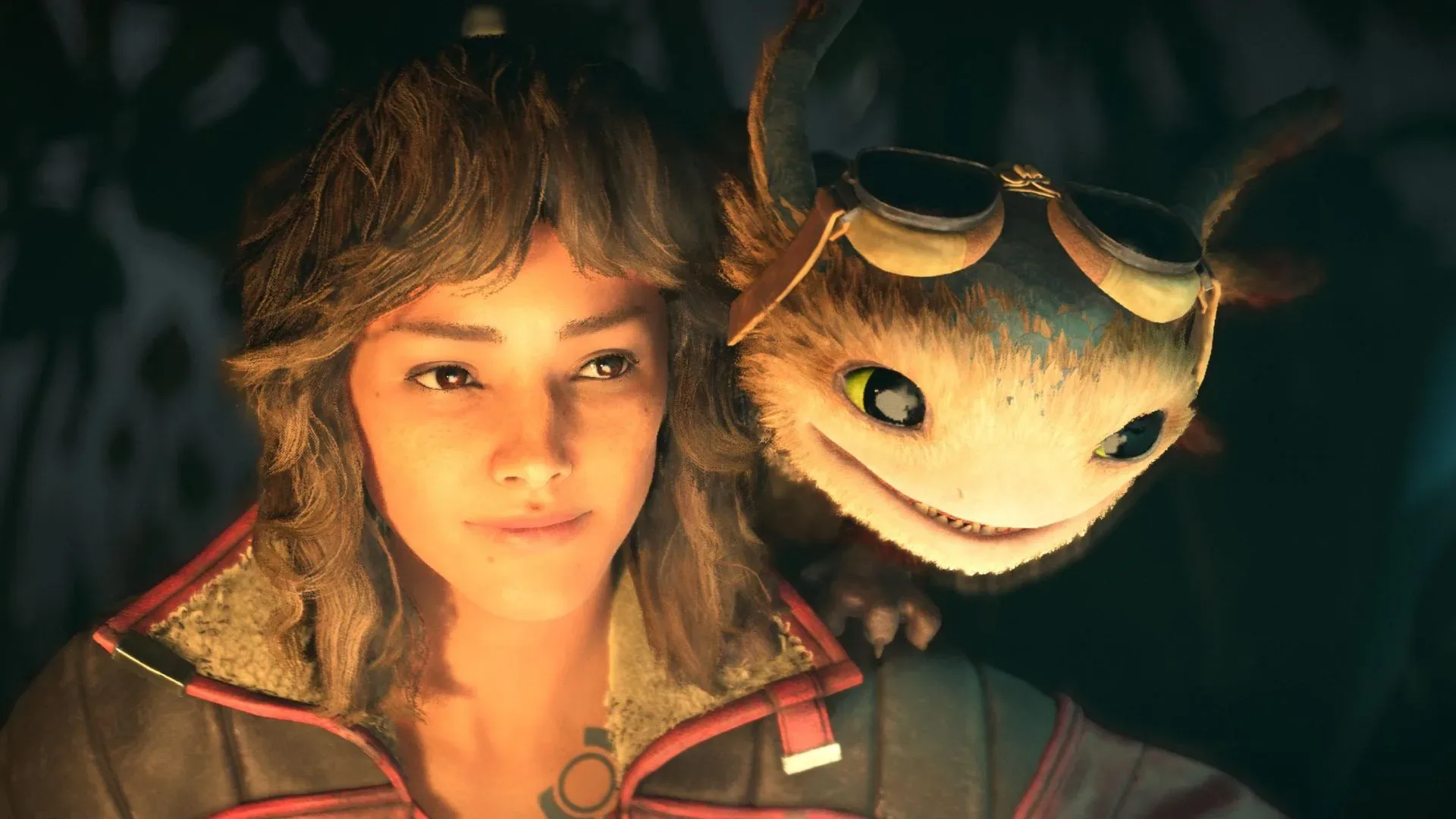
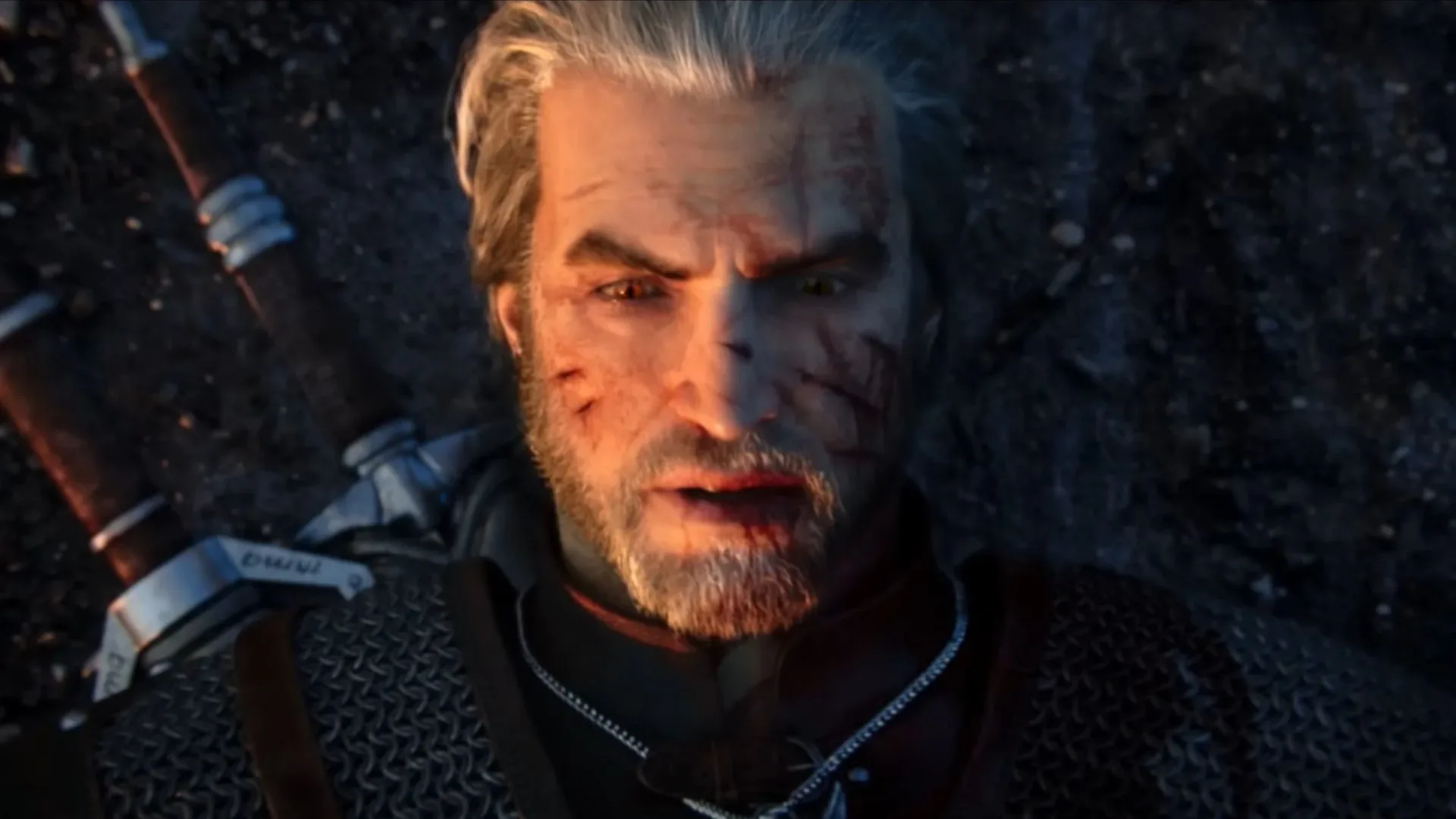
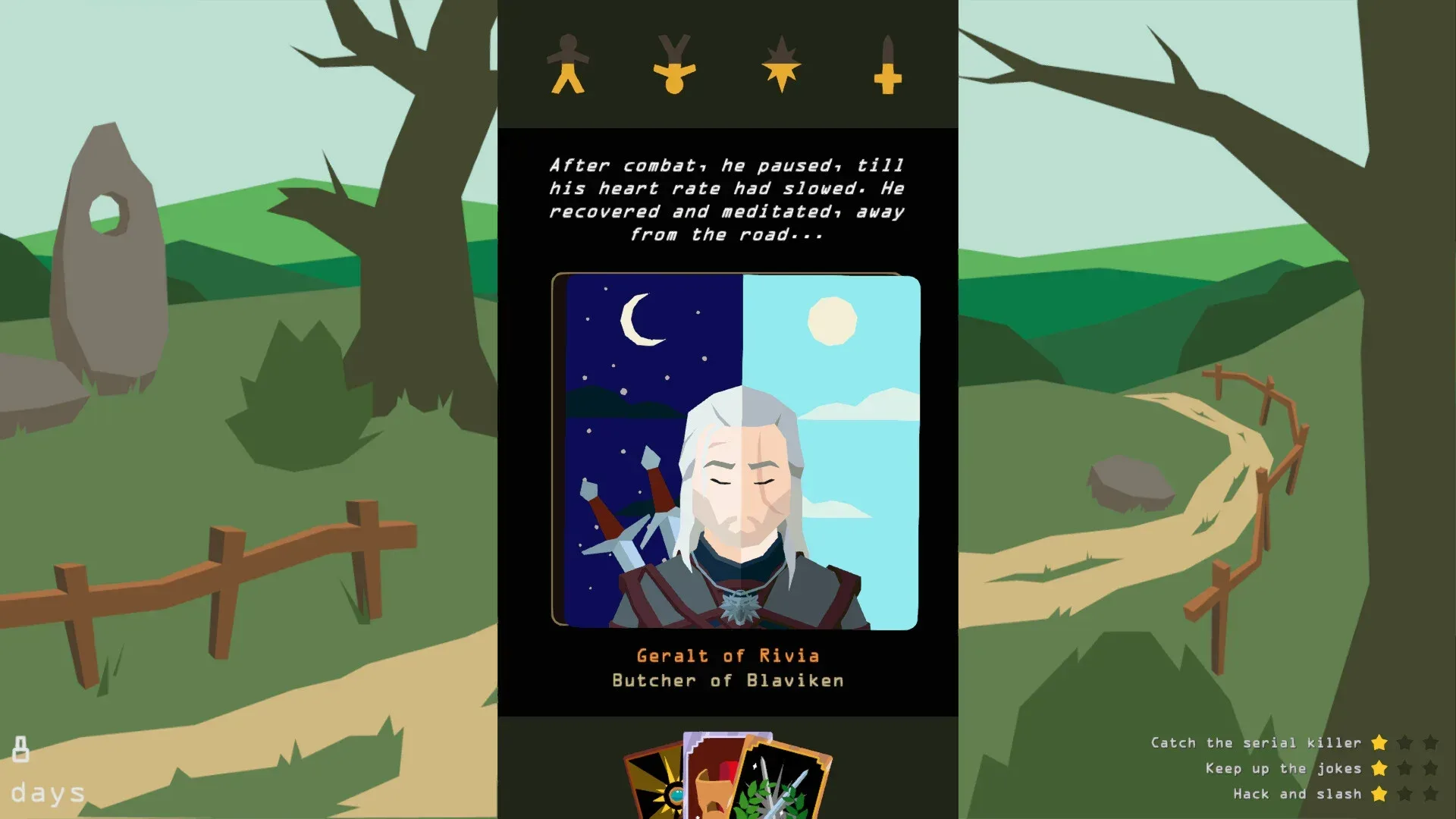
That success led to further Reigns releases, including licensed entries based on Game of Thrones and The Witcher. Nerial later made Card Shark and Crush House, proving it was not simply repeating the original swipe formula. Yet Alliot said the newer games were less lucrative than Reigns, and that their reception prompted him to reassess the direction of his indie career.
The shutdown therefore should not be reduced to a simple success-or-failure narrative. A game can be creatively distinctive, ship successfully and still not provide the same financial foundation as an earlier breakthrough. In a small studio, the gap between a hit and a merely sustainable project can determine how much experimentation, payroll and long-term planning are possible.
Alliot also placed Nerial’s decision within broader pressures affecting games: a difficult post-pandemic business environment, reduced investment and rapid technological shifts. He singled out generative AI as a force taking attention away from creative work and making imitation faster, particularly when a new concept can be followed quickly by many similar releases on Steam.
What “going independent” means in this case
Alliot’s comments do not portray Nerial’s relationship with Devolver as hostile. He described the decision to close the studio as mutual and spoke positively about the companies’ history together. But becoming an internal studio changed the practical context around making a game.
Related coverage includes Nerial to Close After Nearly 13 Years as Reigns Creator Returns to Independent Development.
An internal studio is a development team owned by a larger company. In Nerial’s case, that meant new Nerial projects were expected to be Devolver-published games. This can bring stability, publishing experience and a clear route to market. It can also introduce another set of expectations: a developer is no longer considering only whether a project expresses its own ideas, but whether it suits the publisher’s portfolio, audience and plans.
Alliot’s concern is not that the overlap was absent. He said Devolver was a good match for both Reigns and Card Shark. Rather, he described the repeated process of considering what another party wants as a source of second-guessing that can dilute the focus he associates with a smaller, purely independent operation.
That is an especially revealing point for anyone who tends to view independence as merely a funding question. Independence can also mean fewer approval layers, fewer people who must agree on a creative direction, and more room for a prototype to become something unusual before it is judged as a marketable product. None of that guarantees commercial success. Alliot explicitly acknowledged that the new approach may or may not work. But it changes the creative trade-off.
For a useful comparison of how industry structures and ownership can shape the future of established game teams and series, see our coverage of Massive Entertainment’s new role within Ubisoft.
Devolver keeps the catalogue; Alliot keeps the starting points
Under the arrangement, Devolver will retain the rights to Nerial’s existing games. That includes the studio’s established catalogue and, potentially, its most recognizable brands. Alliot said he is comfortable with that outcome because he feels he has said what he wanted to say through those games.
In practical terms, retaining rights means Devolver controls what happens to those properties going forward. Alliot said he expects the company would contact him if it wanted to make another Reigns or a Card Shark 2, but no such project was confirmed. Players should read this as an indication that the series are not necessarily disappearing, not as confirmation of a sequel.
The more immediate creative asset for Alliot is the set of prototypes he is keeping. A prototype is an early playable or conceptual version of a game idea used to test its central interaction, aesthetic or structure. It may be rough, incomplete and far from a commercial product, but it can preserve the spark of an idea before the lengthy work of production begins.
For a creator looking to rediscover a more direct process, prototypes can matter more than a mature catalogue. They are opportunities rather than commitments. Alliot has been visiting the Louvre and the Musée d’Orsay almost daily in search of inspiration, and said a future project could involve art. That is a direction, not an announced game, but it offers a glimpse of where his attention has moved: away from extending an existing brand and toward finding a new subject worth exploring.
Seven developers and artists are losing their jobs
The most immediate consequence is the departure of seven Nerial staff members. Alliot specifically highlighted the people affected: Helen O’Dell, the artist associated with Reigns; producer AJ Kerr; developers Gordon Speirs, Ben Obikoya and Neil Goodman; Reigns: The Witcher writer Oscar Harrington-Shaw; and designer Neil Bull.
Alliot emphasized their work and experience, noting in particular that Speirs and Goodman each have 30 years in the games industry. The acknowledgements matter because the public image of a small auteur-led studio can obscure how many disciplines sit behind a game’s final form. Art, production, engineering, writing and design are not interchangeable roles, and the closure of a nine-person team affects a dense concentration of knowledge.
There is no confirmed future contract work for these individuals. Alliot’s hope that they can collaborate again should be treated as just that: an aspiration rather than a promise. In the near term, the closure means seven people entering a notably unsettled employment landscape.
The AI concern is about speed and sameness, not a claim that creativity is over
Alliot’s comments about AI are best understood as a concern about the speed at which games and ideas can be replicated. He described a landscape in which an original premise may quickly be surrounded by a large number of iterations. For independent developers, whose projects often depend on a distinct hook to cut through a crowded storefront, that compression can make riskier ideas feel harder to defend.
It is worth separating two related concepts. Generative AI generally refers to systems that can create or transform content such as text, images, code or audio from prompts and data patterns. Market saturation is the condition in which players face so many similar products that visibility and differentiation become difficult. Alliot’s argument links the two: tools and workflows that lower the barrier to producing variations may intensify a pre-existing discoverability problem.
His answer is not to stop pursuing original work. Quite the opposite. Alliot said he still has ideas and a creative voice he believes can offer something new and different. The uncertainty is how long the wider industry’s current upheaval will last, and what form a healthier environment will take afterward.
Nerial’s closure is thus both an ending and a reduction in scale. The company that made 11 games will cease to exist, its back catalogue remains with Devolver, and seven team members are out of salaried roles. At the same time, Alliot and Tamara are not stepping away from making games. Their next work has no title, platform, release window or confirmed format, but its intended starting point is clear: smaller-scale experimentation, prototypes and a renewed attempt to make work without the added weight of running a nine-person studio.