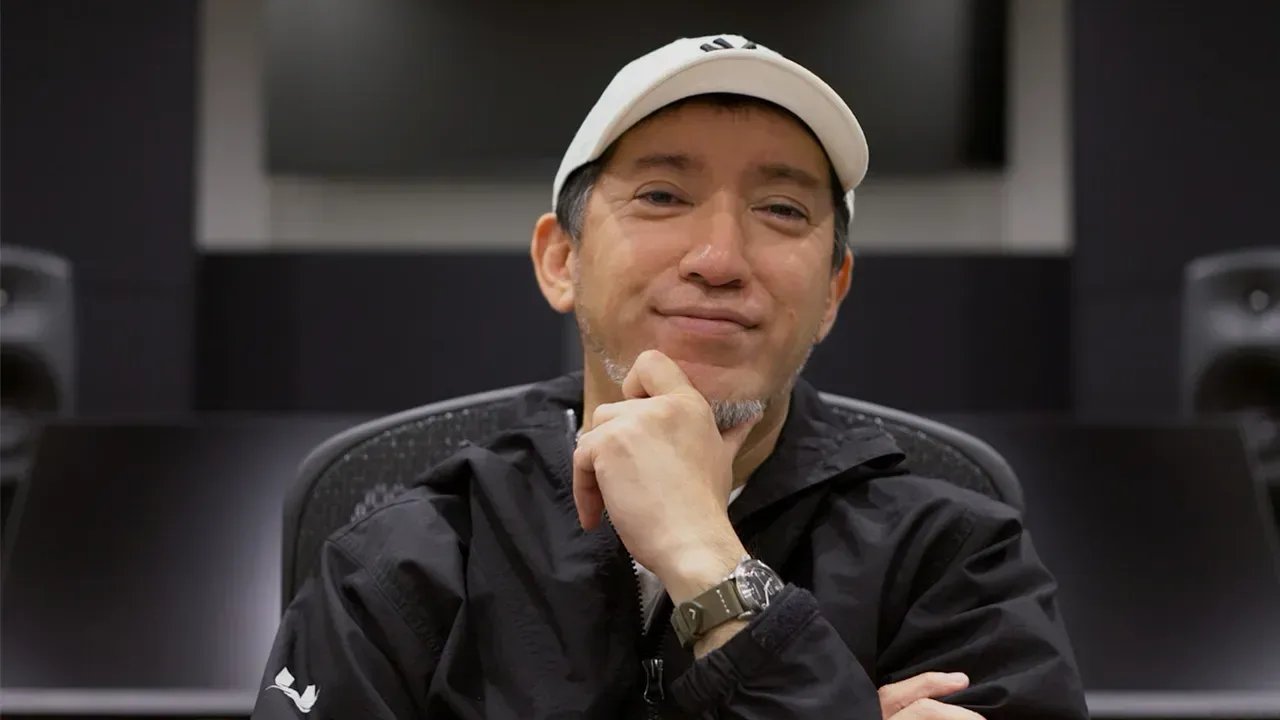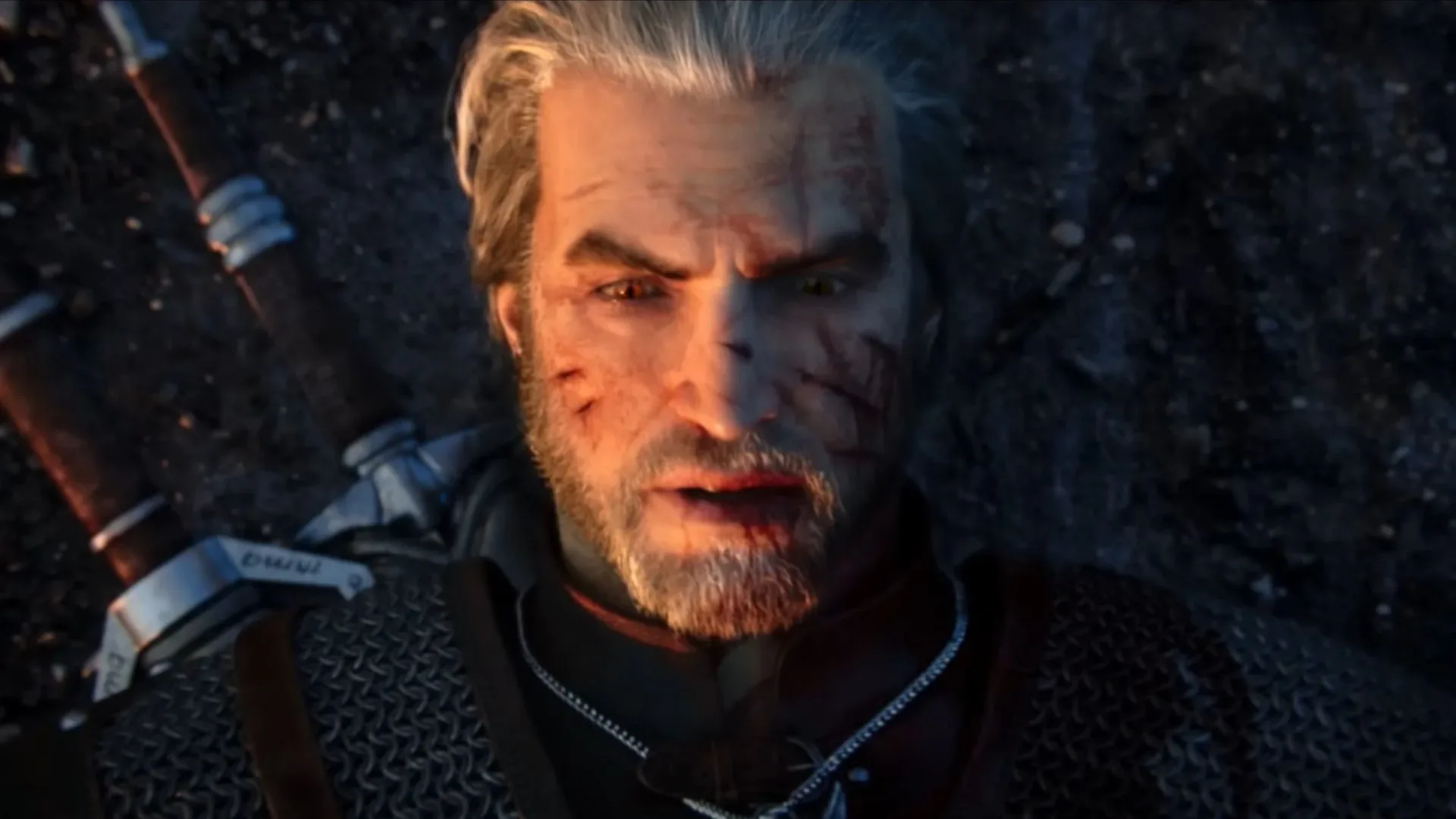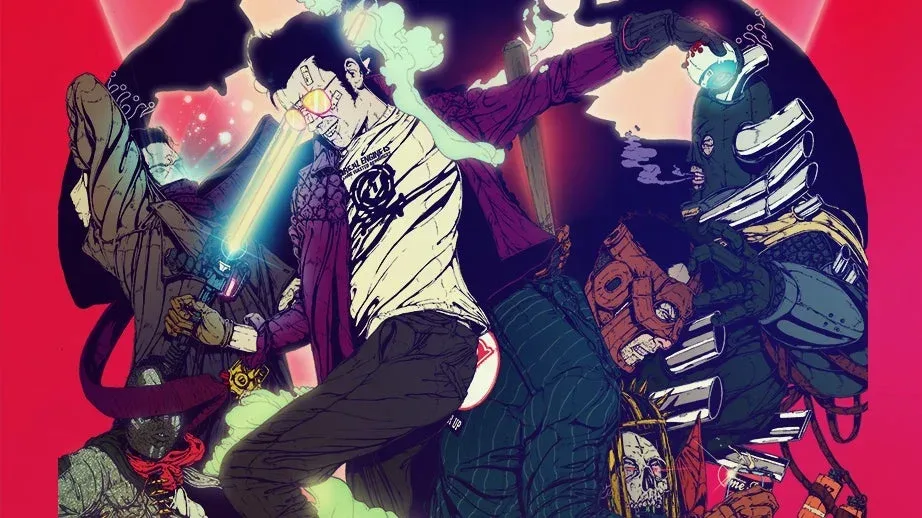
Grasshopper Manufacture is independent once more. The studio, led by Goichi “SUDA51” Suda and known for the No More Heroes series, has ended its ownership relationship with NetEase Games after five years. NetEase acquired Grasshopper Manufacture in 2021; on September 30, Suda said the companies reached the decision following extensive discussions and with NetEase’s cooperation.
The wording matters because this is not being framed as an abrupt collapse or a public dispute. Suda described the companies’ relationship as amazing, said Grasshopper Manufacture values what they built together, and left the door open to working together again when an opportunity makes sense. What changes immediately is the studio’s status: Grasshopper is now an independent developer rather than a NetEase-owned one.
The immediate reasoning offered by Suda is creative range. After completing what he characterized as an all-hands project, the team considered its next phase and decided it wanted to deliver games in a broader variety of styles to players. Its stated goal remains distinctly Grasshopper: unique titles with the “NO GAME NO LIFE” spirit associated with the studio, its own flavor, and stronger quality.
For the company, independence also means the practical task of deciding how each future game reaches an audience. Suda said the studio has improved its self-publishing know-how and now has a broader set of options, whether a game is ultimately self-published or released with a publishing partner. That is a meaningful distinction. Independence does not necessarily mean every future Grasshopper title will be self-published; it means the studio says it can consider more than one route.
For more context, explore Pete Crow-Armstrong’s MLB Debut Patch Autograph Sells for $1.098 Million, Missing Record by $12,000.
The post-Romeo Is a Dead Man moment
The shift follows the release of Romeo Is a Dead Man earlier in 2026. The arcade action-adventure follows an FBI investigator who travels through space and time to pursue criminals. Suda said the game earned high acclaim and strong reviews, though he did not provide sales figures or describe its commercial performance.
That caveat is important. Critical reception and sales performance are different measures. A game can be well received without its publisher or developer disclosing revenue, units sold, or a financial target. In this case, the available statement establishes that Grasshopper has completed a major recent project and that its leader views the reception positively. It does not establish whether the release was a sales success, whether sales affected the ownership decision, or what project the studio will make next.
Grasshopper’s announcement is therefore more concrete about its organizational direction than its release calendar. There is no new game named, no platform list, no launch window, and no confirmed publishing arrangement for the team’s next title. Players looking for a direct roadmap will have to wait for details beyond the separation itself.
What “self-publishing” means here
Self-publishing is the process in which a developer takes on some or all of the responsibilities normally handled by a separate publisher. Those responsibilities can include putting a game on sale, arranging its release, marketing it, and managing the commercial side of reaching players. A developer can also work with a publisher on particular projects while retaining independence as a company.
That makes Suda’s emphasis on improved self-publishing knowledge less of a promise that Grasshopper will go entirely alone and more of a statement about flexibility. The studio can evaluate a range of publishing possibilities instead of being tied to a single corporate parent. This is the practical implication of the announcement that is easiest to identify from the information available.
It also adds a business dimension to the promise of wider stylistic variety. Creative ambitions and release strategy are closely connected: different projects can call for different levels of funding, promotional support, and distribution expertise. Grasshopper has not specified how it will balance those variables. Still, Suda’s remarks make clear that the studio sees its strengthened publishing capability as part of its ability to choose future directions.
For a studio with a recognizable creative identity, that flexibility can be particularly significant. Grasshopper is not saying it is abandoning that identity in favor of a new formula. Quite the opposite: Suda said the studio remains committed to its signature style. The intended change is in the range of work it can pursue, not a rejection of the qualities players expect from its games.
Part of a broader NetEase retreat from Japanese development investment
The Grasshopper split arrives amid a wider pullback by NetEase from Japanese game development investments. NetEase had previously spent heavily across gaming companies of different sizes and supported several Japanese developers leaving established publishers to create new studios. The recent direction described by these developments is more restrained.
Nagoshi Studios is one example. NetEase initially backed its debut game, Gang of Dragon, from the creator of Yakuza, but that funding was stopped earlier in 2026. Another example is GPTRACK50, a NetEase-backed startup. Its forthcoming action roguelike Stupid Never Dies is set to be self-published later in September, and continued backing from NetEase appears unlikely.
These cases should not be treated as identical situations. The public information does not establish that every studio faced the same terms, strategy, or financial circumstance. Nor does Grasshopper’s statement describe its separation as the result of a dispute. What the examples do show is a consistent change in the wider investment picture: studios that had been linked to NetEase funding are facing a future with less certainty of ongoing support from that investor.
In Grasshopper’s case, the company is presenting its response as a deliberate return to independence built around choice. That stance separates the confirmed facts from speculation. The studio has confirmed its new independent status, its continuing respect for NetEase, its interest in broader kinds of games, and its greater confidence in self-publishing. It has not confirmed a new title, a partner, a release timeline, or any details of the deal that ended NetEase ownership.
What players can reasonably take from the announcement
- Grasshopper Manufacture is independent again. The studio says the change followed discussions with NetEase Games and was made with the company’s cooperation.
- Its creative identity is meant to continue. Suda said the team remains committed to unusual, signature-flavored games under its “NO GAME NO LIFE” philosophy.
- Future publishing is undecided on a project-by-project basis. Grasshopper cites better self-publishing knowledge but has not said that every game will be self-published.
- Romeo Is a Dead Man is the completed recent project behind this turning point. The studio has highlighted acclaim and reviews, but no sales result has been disclosed.
- No next game has been announced. Any claims about genre, platforms, timing, or a successor to an existing series would go beyond what has been shared.
There is a notable degree of continuity in the message despite the ownership change. Suda thanked NetEase rather than attacking the former owner, and he explicitly said future collaboration remains possible. That does not guarantee a future partnership, but it indicates that the relationship is not being publicly characterized as permanently closed.
For now, the most useful reading is a restrained one: Grasshopper Manufacture has regained independence at a point when NetEase is reducing its Japanese game-development commitments. The studio believes it is better prepared than before to publish on its own or work with partners, and it wants to use that room to make a wider variety of games without losing the personality associated with its name. A separate report on the return to independence similarly centers the confirmed change in ownership rather than unannounced projects.