Ubisoft is putting Massive Entertainment at the center of a newly defined development group responsible for The Division, Ghost Recon and Splinter Cell. The change replaces the temporary “Creative House 2” name and brings Ubisoft Paris, Ubisoft Montreal, Ubisoft Toronto and Massive itself together under the Massive brand.
It is a sizable rearrangement with a familiar Ubisoft shape: multiple studios, in multiple countries, contributing to a shared slate rather than one location acting as a completely self-contained developer. Under the new structure, Massive’s group will also handle March of Giants, the multiplayer online battle arena game acquired from Amazon, as well as unannounced projects and new original intellectual property. Rainbow Six is not part of the Massive-led portfolio.
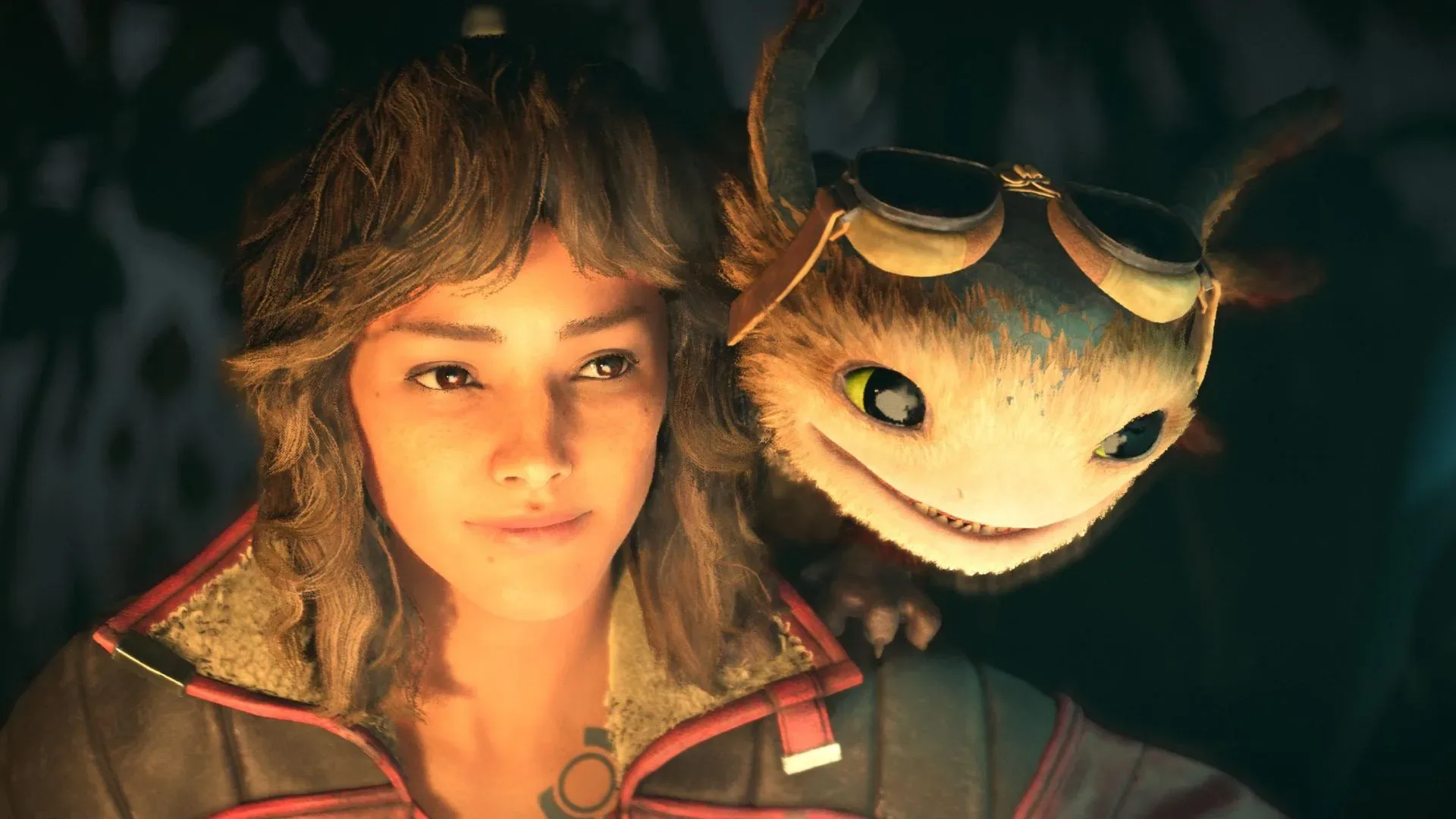
The name change matters beyond stationery and internal org charts. Massive is one of Ubisoft’s better-known modern studios, having led 2016’s The Division, worked on Avatar: Frontiers of Pandora, and developed Star Wars Outlaws. Rather than retaining a generic corporate placeholder, Ubisoft is attaching several of its largest military-action franchises to a studio identity with a long history in both strategy games and large-scale action production.
What the Massive group will oversee
The new group’s confirmed portfolio is broad, but not unlimited. It includes the following:
- The Division
- Ghost Recon
- Splinter Cell
- March of Giants
- New original IP, meaning newly created game properties rather than existing Ubisoft series
- Other unannounced projects
Those first three series are frequently described together as Tom Clancy games, but they do not represent every franchise associated with that label. Ubisoft’s reorganization specifically leaves Rainbow Six outside Massive’s remit. That distinction is useful for fans trying to read the announcement as a roadmap: the move creates a major home for several stealth, military-action and online-focused properties, not one all-encompassing command center for every Tom Clancy game.
March of Giants adds a notably different genre to the mix. A MOBA, or multiplayer online battle arena, is generally a competitive format built around teams controlling individual characters in a shared arena. Its inclusion means the group is not defined solely by Ubisoft’s established third-person action franchises. Still, the available details do not specify how the studio network will divide work among these games, which projects are furthest along, or what any eventual release plans may be.
That uncertainty is important. Being assigned responsibility for a franchise does not, by itself, announce a sequel, a remake, a release date, or a particular design direction. It establishes organizational ownership. Players looking for concrete news on the next Splinter Cell, Ghost Recon or The Division will need more than a studio restructuring before they can infer platforms, gameplay systems, timelines or which teams are building what.
From Creative House 2 to a named studio network
“Creative House 2” was a temporary label in Ubisoft’s wider 2026 restructuring. That wider process has included job losses and studio closures, while Ubisoft has redistributed its games across six creative houses. The Massive group now replaces the numbered title with the name of a developer that has its own history and profile.
Related coverage includes Ubisoft Puts Massive Entertainment at the Center of Splinter Cell, The Division and Ghost Recon.
Other portions of Ubisoft’s organization are assigned to five additional creative houses. Those include Vantage Studios, the Ubisoft-Tencent joint venture, plus Creative Houses 3, 4 and 5, whose permanent names have not yet been established. In that context, putting the Massive name on this group is a clear attempt to make one division more legible: its studios, leadership base and franchise portfolio are easier to identify than they were under a number.
Ubisoft has long relied on coordinated development across its global studios. The Massive arrangement formalizes that approach around four locations: Malmö, Paris, Montreal and Toronto. This does not necessarily mean every one of those teams will work on every title. Large publishers commonly distribute tasks, technology work and production responsibilities across offices. What the structure does make clear is that these studios now sit within one umbrella for the listed franchises and original projects.
Malmö becomes the leadership hub
The group is led by Cristoph Hartmann, who was named to lead Creative House 2 in July before the division adopted the Massive Entertainment name. Hartmann brings two decades of experience at Take-Two Interactive, where he co-founded 2K Games, along with a shorter period as a vice president at Amazon Games.
He is joined by Natalie Francis, formerly Avalanche’s chief development officer, who recently became studio manager at Massive’s Malmö office. The new branding and leadership appointments position Malmö as the hub of this connected studio group.
That is a major evolution for Massive, which began far from Sweden’s largest development centers. The studio was founded in 1997 in Ronneby, a small Swedish town, by former students connected to Ronneby kunskapskälla. Today, its operating center is Malmö, Sweden’s third-largest city, where the studio represents a significant share of local employment.
Massive’s unusual route from strategy games to Ubisoft’s franchise hub
Massive’s history gives the reorganization an extra layer of significance. Its early output was rooted in real-time strategy rather than the open-world and third-person action games most closely associated with the studio today. The team released Ground Control, followed by World in Conflict after Vivendi acquired the studio.
A real-time strategy game, often abbreviated as RTS, asks players to make tactical and resource-management decisions continuously rather than in turns. That genre focus made Massive’s early work quite different from its later role inside Ubisoft’s biggest series. After Activision merged with Vivendi, Ubisoft bought Massive in 2008. The studio subsequently contributed to Assassin’s Creed and Far Cry development before taking the lead on The Division.
That path helps explain why the Massive label now carries weight inside Ubisoft. The studio has moved through several identities: an independent Swedish strategy specialist, a Vivendi-owned developer, a Ubisoft support team, and then a lead developer for games connected to major licensed or established brands. Its work on Avatar: Frontiers of Pandora and Star Wars Outlaws further placed it among the publisher’s teams trusted with high-profile properties.
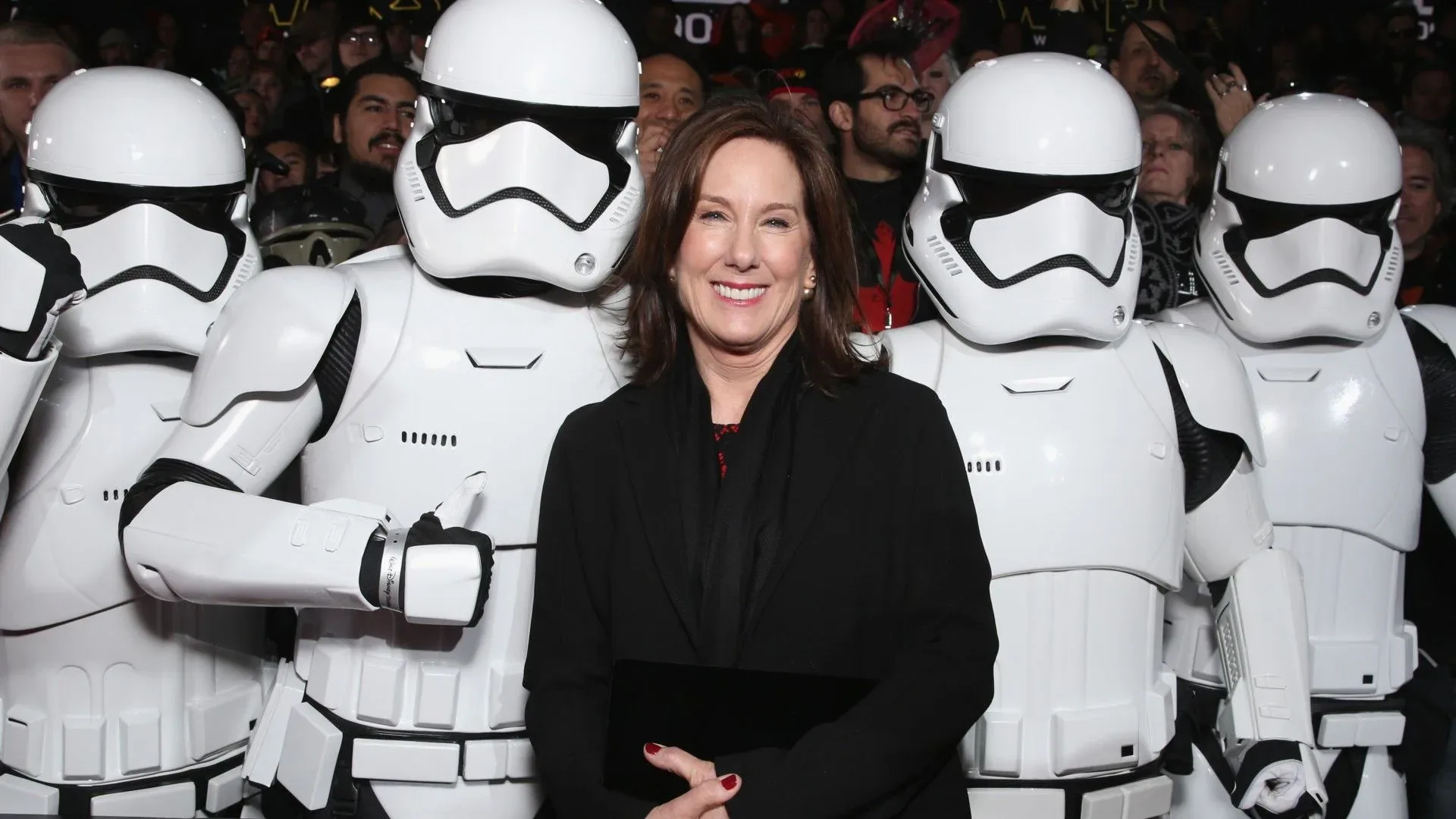
For broader Star Wars context, the franchise’s corporate landscape is also in transition; Kathleen Kennedy has discussed leaving Lucasfilm after 14 years. That separate development does not indicate any change to Massive’s work, but it underlines how recognizable the studio became after Star Wars Outlaws.
What players can reasonably take from the change
The practical takeaway is institutional rather than product-specific. Ubisoft has concentrated stewardship of several major series within a Massive-branded organization that spans Sweden, France and Canada. Fans of The Division, Ghost Recon and Splinter Cell now have a clearer answer to which part of Ubisoft is responsible for those properties at an organizational level.
There are potential advantages to concentrating related series under a recognizable umbrella. It can give teams a shared leadership structure, make expertise easier to coordinate across offices, and provide a more public-facing identity than “Creative House 2.” The grouping also combines studios associated with different strengths and histories. Massive’s recent games, Ubisoft Paris, Ubisoft Montreal and Ubisoft Toronto all enter the same network, giving the division a wide internal base.
But it would be premature to turn that into promises about games. No project details accompany the shift beyond the listed franchises, March of Giants, original IP and unannounced work. There is no stated commitment that the franchises will share technology, release schedules, multiplayer features, or creative leadership. Nor is there any basis yet to say whether the change will accelerate development or alter the direction of a particular series.
The clearest signal is strategic: Ubisoft is continuing to reorganize during a difficult year marked by losses and closures, and it has chosen Massive’s name as the banner for an especially valuable set of properties. The studio that began in Ronneby making inventive strategy games is now the nominal center of a multinational group overseeing some of Ubisoft’s most recognizable action series. That is a huge expansion of responsibility—even if the games that emerge from it remain, for now, largely unspecified.