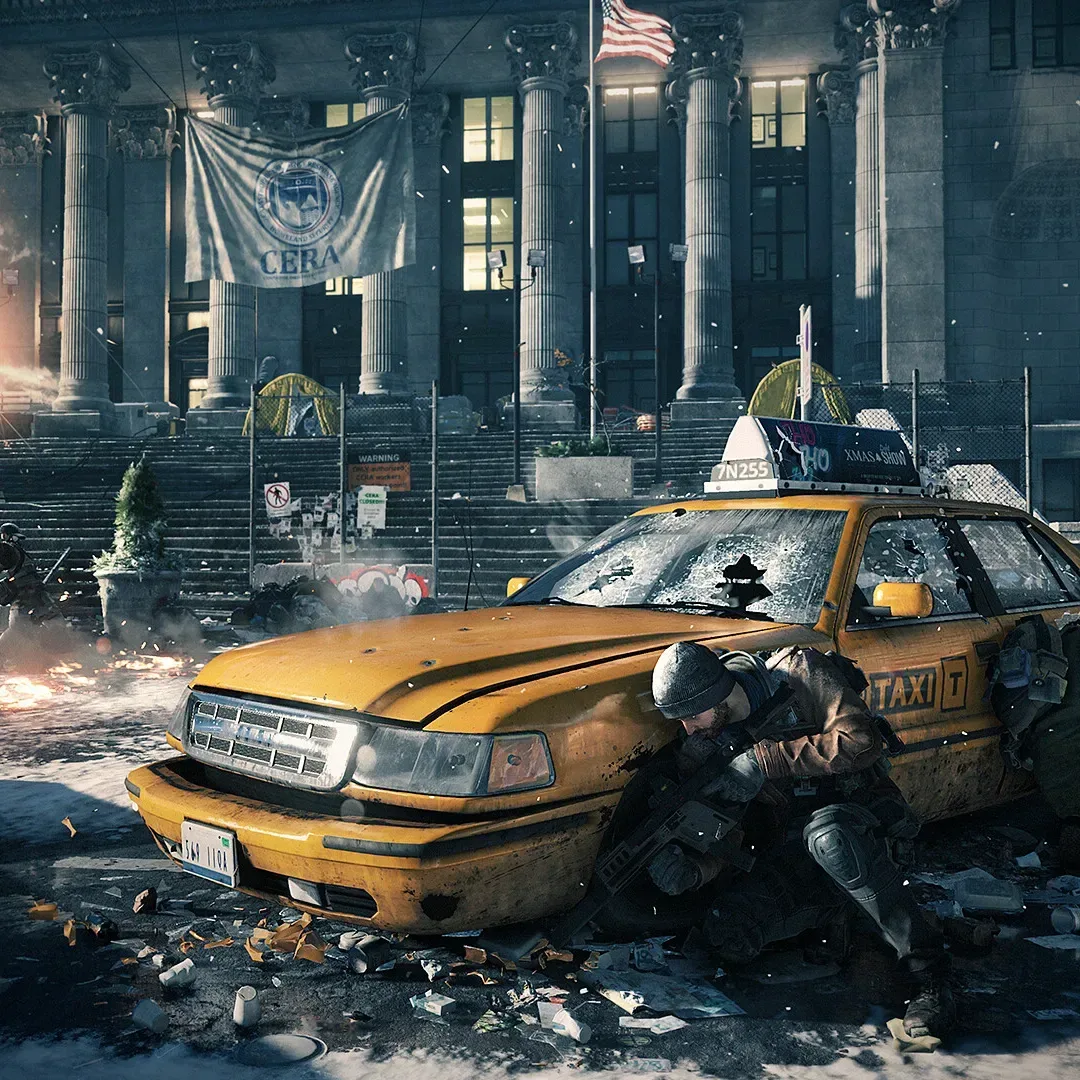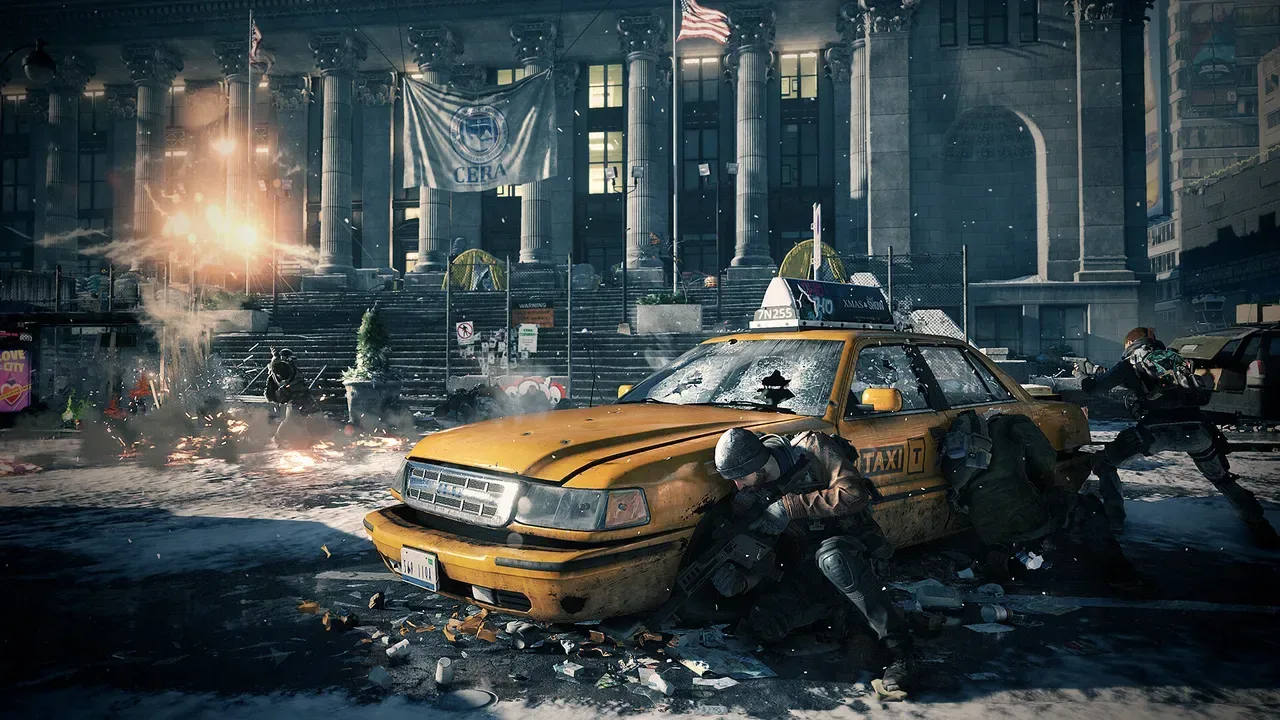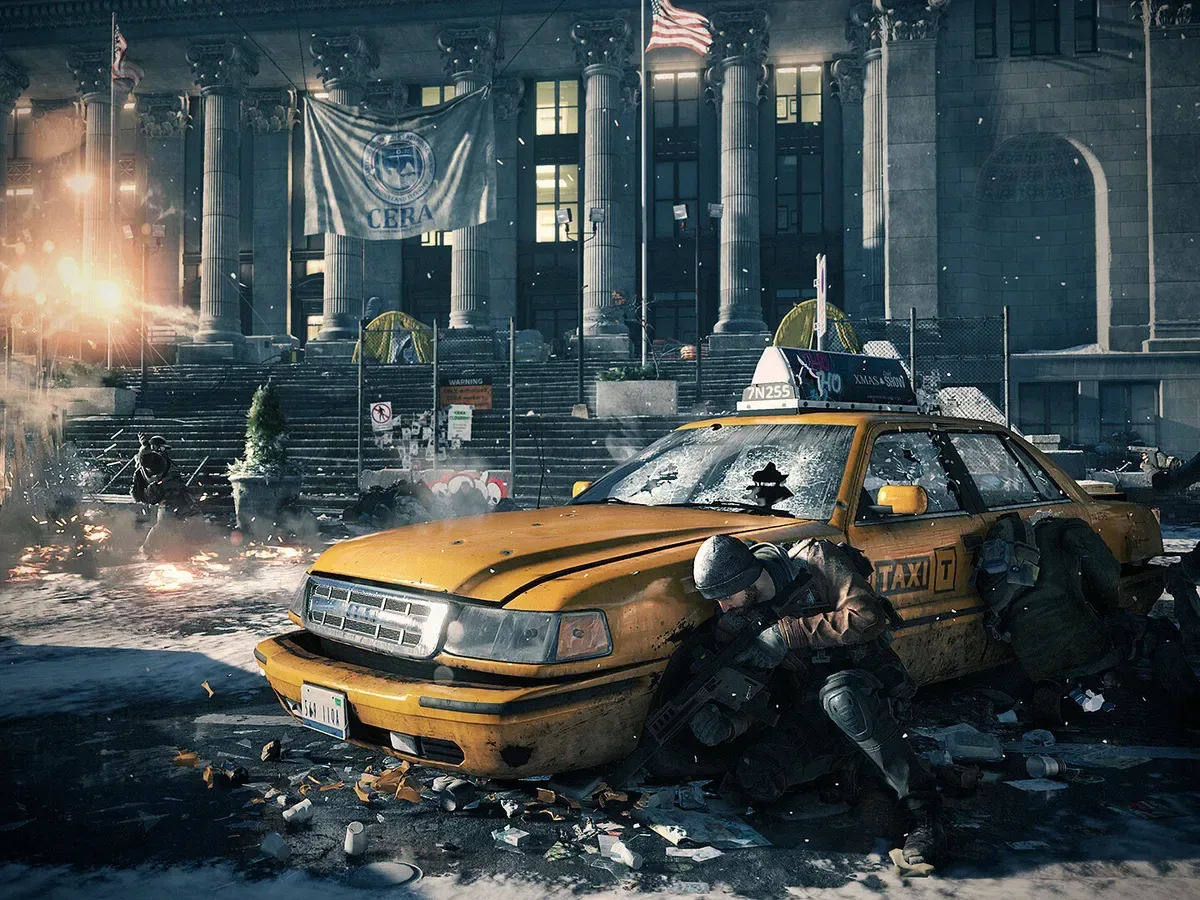
Tom Clancy’s The Division has reached more than 50 million players across the franchise, a milestone that arrives as the series marks 10 years since the first game launched in 2016. It is a meaningful number for a series that has endured through sequels, spin-offs, changing creative leadership and the often-unforgiving expectations attached to long-running online games.
The total is a player figure, not a sales figure. That distinction matters: “players” can include people who arrived through different entries in the series, returned after time away, or played through subscription and promotional access arrangements. It does not tell us how many copies any one game sold, how many people remain active today, or how much each player spent. Even so, crossing 50 million players shows that The Division has reached a very large audience over its lifetime.
For Ubisoft and Massive Entertainment, the milestone comes with a clear message about the franchise’s future. The Division 3 is officially in production at Massive, while The Division 2 is still set to receive new content in the form of the Echoes of Central Park DLC, due November 3.
A decade from snowy Manhattan to a third mainline game
The original The Division launched in 2016, following a high-profile reveal at Ubisoft’s E3 presentation in 2013. The premise placed players in a crisis-struck New York and cast them as agents restoring order, gathering equipment and battling increasingly dangerous opposition. Its identity rested on a mix of third-person cover shooting, cooperative missions and persistent progression.
That last part is key to understanding the series. The Division is commonly described as a looter shooter: a game where combat is tied closely to obtaining equipment, comparing item statistics and refining a character build. A “build” is simply the combination of gear, weapon choices and related progression decisions a player uses to shape how their character performs. Rather than ending when a campaign is complete, this structure gives players reasons to keep pursuing tougher activities and better rewards.
The Division 2 followed in 2019. Its sales did not meet Ubisoft’s expectations, but the franchise continued through additional projects and ongoing support. A sales shortfall against internal expectations and a long-term player-count milestone can both be true at once. The first measures commercial performance against a company’s target at a particular time; the second measures reach accumulated across a much broader stretch of releases and years.
That is why the 50 million milestone should not be treated as a shortcut to assumptions about The Division 3’s launch prospects, release timing or commercial goals. It is evidence of the brand’s scale, not a substitute for those missing details. Massive has not provided a launch window for the new game.
Echoes of Central Park keeps The Division 2 in the picture
Before attention can fully turn to the third game, The Division 2 has another expansion on the schedule. Echoes of Central Park launches November 3 and is set to add a horror-themed flashback campaign, more stash space and a level boost, among other additions.
Related coverage includes The Division Franchise Passes 50 Million Players as Massive Pushes Ahead With The Division 3.
A DLC, or downloadable content expansion, is additional content released for an existing game rather than a separate sequel. The individual features planned here speak to both narrative and practical priorities. The flashback campaign is the story-facing component, while the stash expansion concerns the everyday logistics of playing a loot-focused game.
Stash space is the storage allocated to gear and other items players want to keep without carrying all of it at once. In a game built around collecting and evaluating equipment, storage limits can become a real quality-of-life issue. More room gives players greater flexibility to hold onto weapons or armor that may be useful for a different build later, instead of immediately dismantling or discarding them.
A level boost, meanwhile, generally lets a player advance a character’s level more quickly. The supplied details do not establish exactly how the feature will work in Echoes of Central Park, so it would be premature to speculate about its restrictions or its place in endgame progression. At a basic level, though, such a tool can reduce the time separating a newer or returning player from content aimed at higher-level characters.
The expansion’s timing makes it an obvious opportunity for the franchise to bring back dormant agents while offering current players a new reason to log in. That is especially relevant with The Division 3 still without a date. Continued support for the existing sequel provides a bridge between major releases, but it also means players should judge the announced DLC on what it actually contains rather than reading it as a detailed preview of the next game.
Long-running online games routinely face that balancing act: maintain the current community without allowing future-project anticipation to eclipse the game people can play now. Elsewhere in the live-service space, debates over what ongoing support should look like remain intense, as seen in the discussion around World of Warcraft housing store packs and cosmetic commitments. The specifics are different, but the larger point is familiar: players notice how publishers support established games and communicate their plans.
Leadership changes, but Massive says its commitment is unchanged
The Division 3 was initially led by executive producer Julian Gerighty, whose credits also include The Division 2 and Star Wars Outlaws. Gerighty has since left Ubisoft for DICE, the Battlefield developer. The game is now under the creative direction of Mathias Karlson, who served as game director on The Division 2.
Leadership transitions can naturally raise questions, particularly when a sequel remains early enough in development that public details are scarce. But Massive has sought to reassure the community that the teams which helped build the world alongside Gerighty remain in place and that the commitment to the franchise has not changed.
This is an important distinction between a personnel change and a wholesale reset. The information available confirms that the game remains in production, that Karlson is its creative director, and that Massive considers the project a priority. It does not confirm a release period, setting, platforms, story, gameplay changes or any feature list. Fans looking for those answers will need to wait rather than infer them from the 50 million-player announcement or the studio’s confidence.
Gerighty had publicly described The Division 3 as “shaping up to be a monster” before his departure, while also making clear he could not offer further specifics. That kind of broad optimism is understandable from someone involved in a major project, but it is not a promise of scope, quality or schedule. The reliable takeaway is simpler: the sequel is active, the development team has a new named creative lead, and the studio is still investing in the franchise.
Why Ubisoft’s focus matters
Massive introduced a voluntary career transition program late last year as part of an effort to concentrate on The Division franchise and its Snowdrop game engine. An engine is the underlying collection of technology and tools used to build a game, supporting work such as rendering, world construction and other technical systems. A studio’s focus on both a franchise and its engine suggests a long-term production strategy, though it does not reveal the design or release plan for a particular game.
The significance here is not that every future Massive project has been defined. It has not. Rather, the studio’s stated direction gives The Division a central role at a moment when the series has reached a major audience milestone and has a new DLC close to release. Ubisoft and Massive are not presenting the 10th anniversary as a closing chapter.
For players, the near-term roadmap is more concrete than the distant one. Echoes of Central Park is the next known addition for The Division 2, with its November 3 release and its stated campaign, storage and progression additions. The Division 3 is the larger horizon: confirmed, actively being made, but still missing the details that would let players decide what form it will take.
Fifty million players does not answer those questions. What it does provide is a useful measure of why the series remains worth supporting. A decade after the original game arrived, The Division has a substantial cumulative audience, an expansion still coming to its current mainline entry, and a third installment moving forward at Massive Entertainment. For agents hoping the franchise had not been left in the extraction zone, that is about as clear a signal as they could ask for.