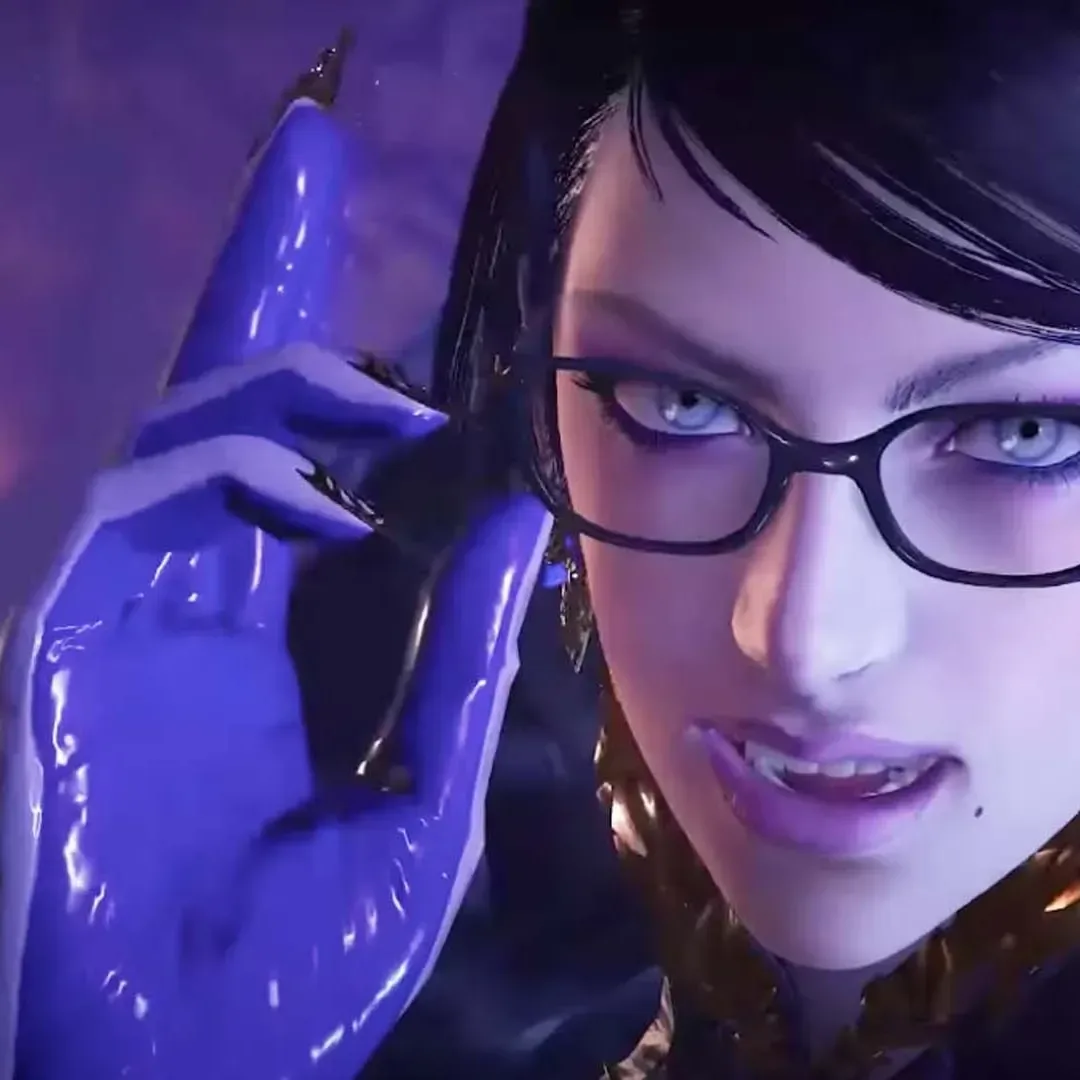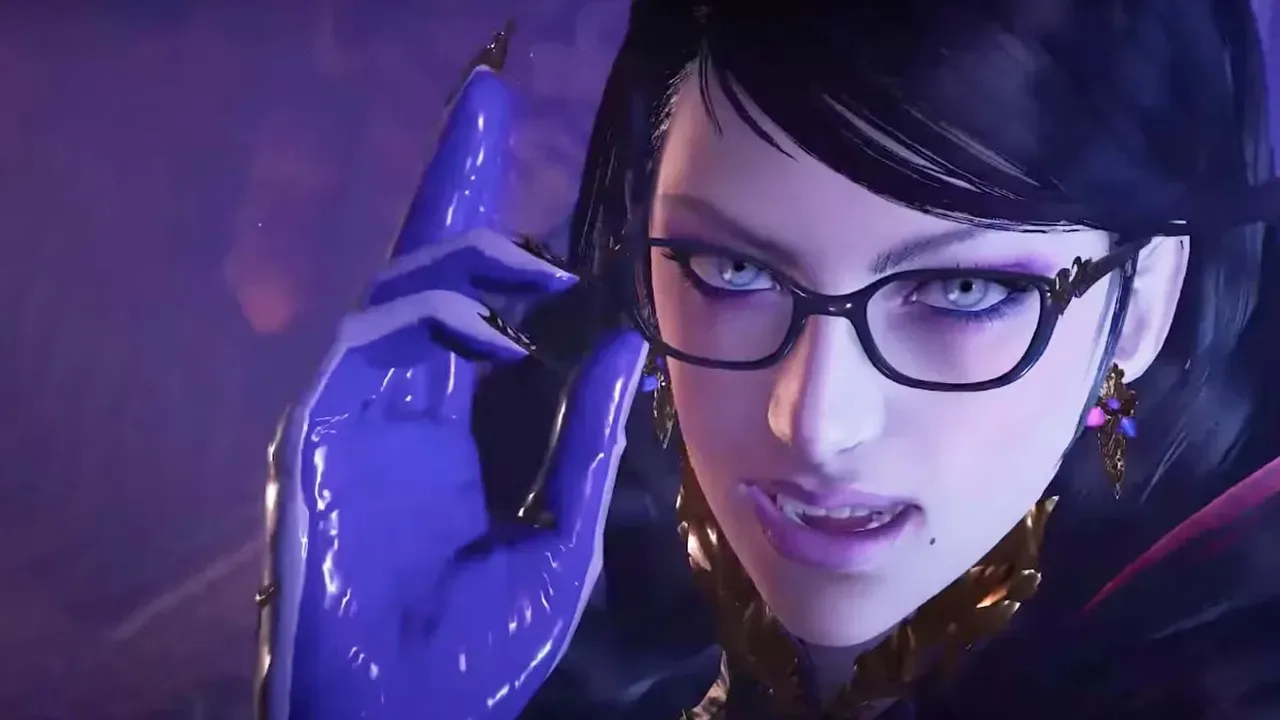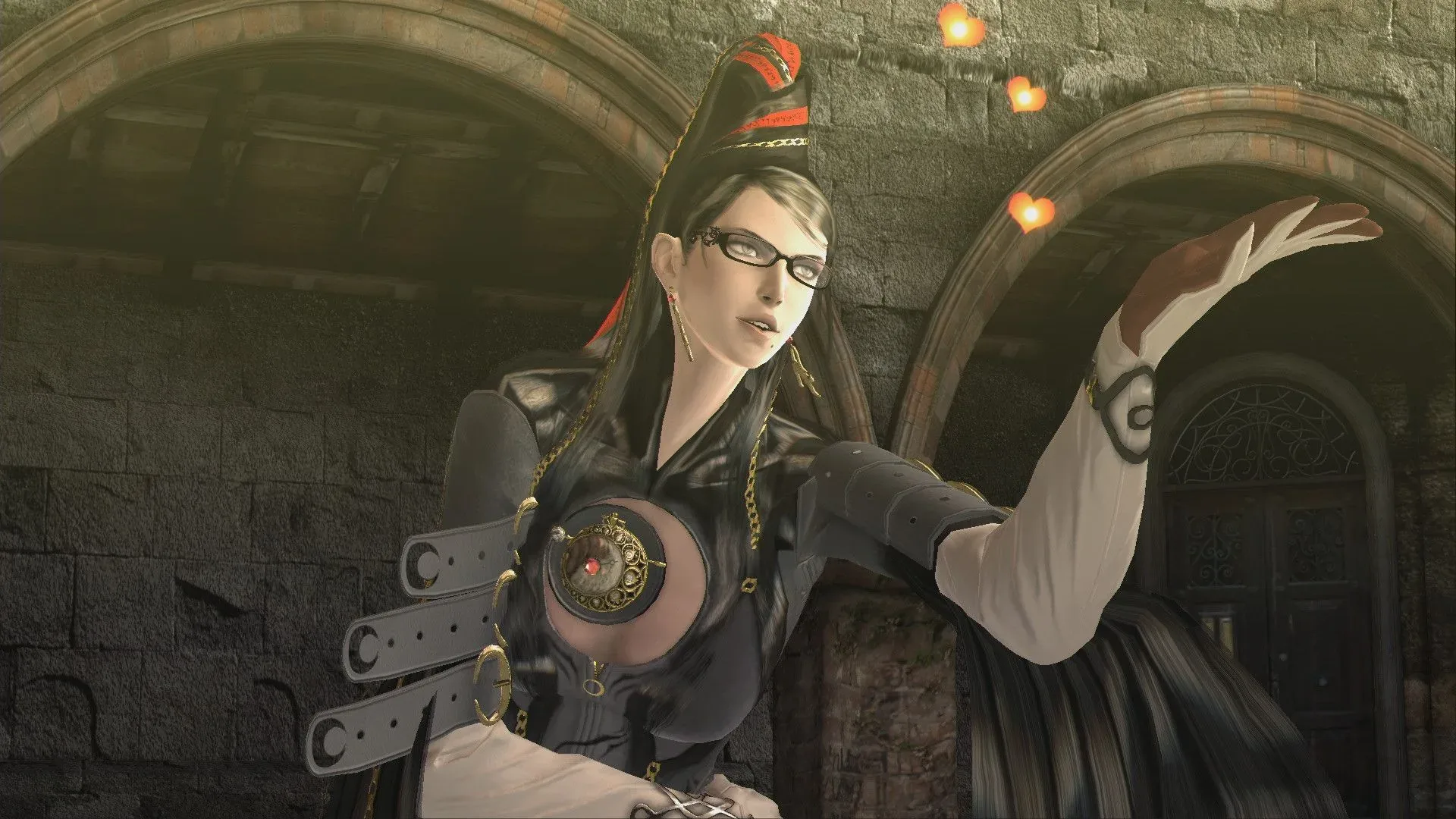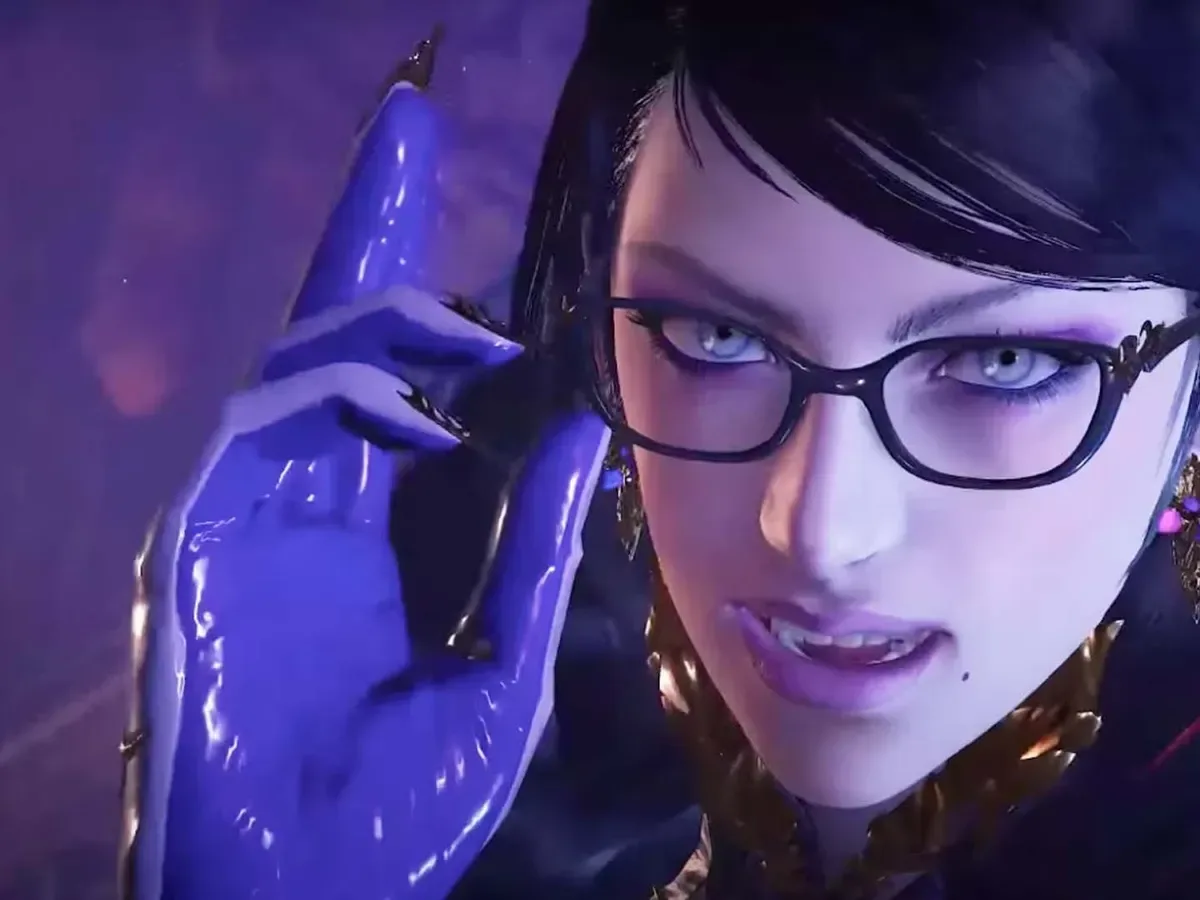
Bayonetta is not being put back in the box just yet. PlatinumGames CEO Atsushi Inaba has said the studio has a “strong desire” to continue developing the gun-heeled witch as a character and to broaden the world around her. It is a meaningful expression of intent from the studio, particularly after several prominent figures from its earlier eras have departed.
It is also important to keep the claim in proportion. Inaba did not announce Bayonetta 4, confirm that a game is currently in production, identify a target platform, or offer a release window. For now, the clearest takeaway is that PlatinumGames still sees creative potential in one of its signature series—and wants fans to watch for whatever shape that potential eventually takes.
“We have a strong desire to further develop the character of Bayonetta and expand her world. Please look forward to seeing what form that takes in the future.”
An encouraging answer, not a formal game reveal
The distinction matters because franchise talk can easily be mistaken for a production commitment. A studio may want to return to a character while it works through scheduling, staffing, budgets, creative direction, publisher approval, and platform arrangements. None of those pieces were detailed here.
Inaba’s wording specifically points to two ideas: further development of Bayonetta herself, and expansion of her setting. That could naturally describe another game, but it does not establish one. It also leaves open what “expand” means in practice. The statement should therefore be read as a sign of ambition rather than an announcement of a defined product.
For a character action series, the character can be inseparable from the game design. The term character action generally refers to action games built around an expressive playable lead, deep combat systems, enemy encounters, combo potential and skill-based execution. Bayonetta’s identity has long centered on a theatrical witch whose footwear doubles as firearms and whose hair can become a weapon. Continuing the character is not merely a matter of placing her in a new story; it raises the question of how the series’ action language could evolve, too.
That is analysis, rather than a confirmed design plan. PlatinumGames has offered no mechanics, story details, art direction, team roster, or gameplay footage for a future Bayonetta project.
Ownership makes the road more complicated
The desire to make more Bayonetta does not rest with one studio alone. The series is co-owned by Sega and Nintendo, a practical reality that makes any future installment more complex than an internal decision at PlatinumGames.
Related coverage includes PlatinumGames Says It Wants to Expand Bayonetta's World and Develop the Witch Further.
The publishing and platform history illustrates why fans should avoid assuming a simple, immediate sequel path. The first and second games had different publishers. Bayonetta 2 was released as a Wii U exclusive and has only subsequently been ported to Nintendo Switch. Bayonetta 3 arrived on Switch in 2022.
Co-ownership means that the parties holding rights to a property share a stake in what is made with it. In everyday terms, it can mean that a developer’s enthusiasm has to align with the interests and approvals of the other rights holders. That does not indicate a problem here; it simply explains why the studio’s desire should not be treated as confirmation that a sequel has cleared every business and production hurdle.
It also means there is no basis yet to declare a platform for Bayonetta’s next step. Nintendo hardware is central to the series’ recent history, but Inaba did not attach his comments to a console, an exclusivity arrangement, or even a new game. Until a rights holder says otherwise, platform speculation remains just that.
A familiar name facing a changed studio
The comments arrive as PlatinumGames moves forward without several important veterans. Original Bayonetta director Hideki Kamiya has left and formed Clovers, which is making Okami 2. Other departures include character designer Masaki Yamanaka, Metal Gear Rising director Kenji Saito, and Astral Chain director Takahisa Taura.
Yusuke Hashimoto, director of Bayonetta 2, also departed PlatinumGames and now works at Capcom, where he recently helped with the combat on Onimusha: Way of the Sword.
Those exits provide important context without automatically determining the series’ future. Games are collaborative works made by teams, and a company can retain knowledge, staff and creative capability after recognizable leaders leave. At the same time, directors and senior designers often shape a project’s instincts: how combat feels, which ideas are prioritized, how characters are presented, and when something is polished enough to ship. A future Bayonetta made by a changed group could preserve core qualities while approaching them differently.
That prospect is neither inherently good nor bad. It is simply the central creative question beneath the headline. The absence of named project leads, along with the lack of a formal project announcement, means there is not enough information to predict how a prospective continuation would play or who would guide it.
What continuity could mean
There are several layers to franchise continuity. The most obvious is narrative continuity: whether a new work follows prior events and characters. There is also mechanical continuity, involving combat rules and controls, and tonal continuity, covering the flamboyant style, humor and visual personality that make a series recognizable. Inaba’s focus on developing Bayonetta and her world speaks most directly to the character and setting layers. It does not tell fans how PlatinumGames would handle any of the others.
That uncertainty is especially relevant when a series has a distinctive protagonist. Bayonetta is more than a name on a cover; she is the visual and performance center around which the action is organized. “Developing the character” can suggest room to explore new dimensions of that persona, but it can also carry expectations from players who value what has already made her distinct.
What PlatinumGames is doing now
PlatinumGames has not stood still while Bayonetta’s longer-term future remains undefined. Its most recently released game is Ninja Gaiden 4, a collaboration with Team Ninja that launched on October 21, 2025, for PlayStation 5, Xbox Series consoles and PC. The partnership puts the studio alongside another team associated with high-speed action-game combat.
The studio is also working on Teenage Mutant Ninja Turtles: The Last Ronin, an action-adventure project based on the comic. The project was announced in June 2026 at Summer Game Fest as a partnership with Paramount, after an earlier version being developed by Black Forest Games was canceled.
That project has its own uncertainty around it. Paramount’s live-action, R-rated adaptation of The Last Ronin had already been placed on hold, and the broader corporate situation surrounding Paramount is in motion. A $110 billion Warner Bros.-Paramount deal involving Skydance is expected to close on October 6, 2026, placing a large collection of entertainment properties under Skydance’s control. Whether the PlatinumGames title is affected has not been established.
For Bayonetta fans, the practical lesson is straightforward: PlatinumGames has current commitments and potential outside factors affecting its slate, while the studio has supplied no schedule for another outing by its witch. A favorable statement of interest does not erase those realities.
Why Inaba’s wording still matters
Even with all those caveats, the statement has value. Companies can speak about legacy properties in vague, retrospective terms. Inaba instead described an active desire to develop Bayonetta and expand her world. That is forward-looking language from the studio’s CEO, and it establishes that the character remains creatively important within PlatinumGames.
It is particularly notable because the remarks came in the context of a Nintendo Switch 2 crossover involving Stellar Blade and Bayonetta. A crossover is not proof of a sequel, but it keeps Bayonetta visible in a current promotional setting and underscores the character’s continued relevance. Fans should not stretch that into evidence of an imminent announcement, yet it is consistent with PlatinumGames presenting Bayonetta as more than a closed chapter.
There is a useful recent reminder of how long an officially acknowledged future can remain undefined: Kingdom Hearts IV’s long road has been shaped by anticipation as much as concrete detail. Franchise interest and a finished, announced game occupy very different stages of development.
What fans can responsibly take from this
- Confirmed: PlatinumGames wants to further develop Bayonetta and expand her world.
- Confirmed: No specific new Bayonetta game was revealed in these comments.
- Confirmed: Sega and Nintendo co-own the series, while the recent games have been associated with Nintendo platforms.
- Unconfirmed: Whether a new entry is in development, who would direct it, where it would launch, and when it might arrive.
- Unconfirmed: The form an expansion of Bayonetta’s world would take.
The headline, then, is hopeful but deliberately incomplete. PlatinumGames is signaling that it wants more from Bayonetta. Until it can say what that “more” actually is, the best response is cautious excitement rather than a calendar entry for Bayonetta 4.