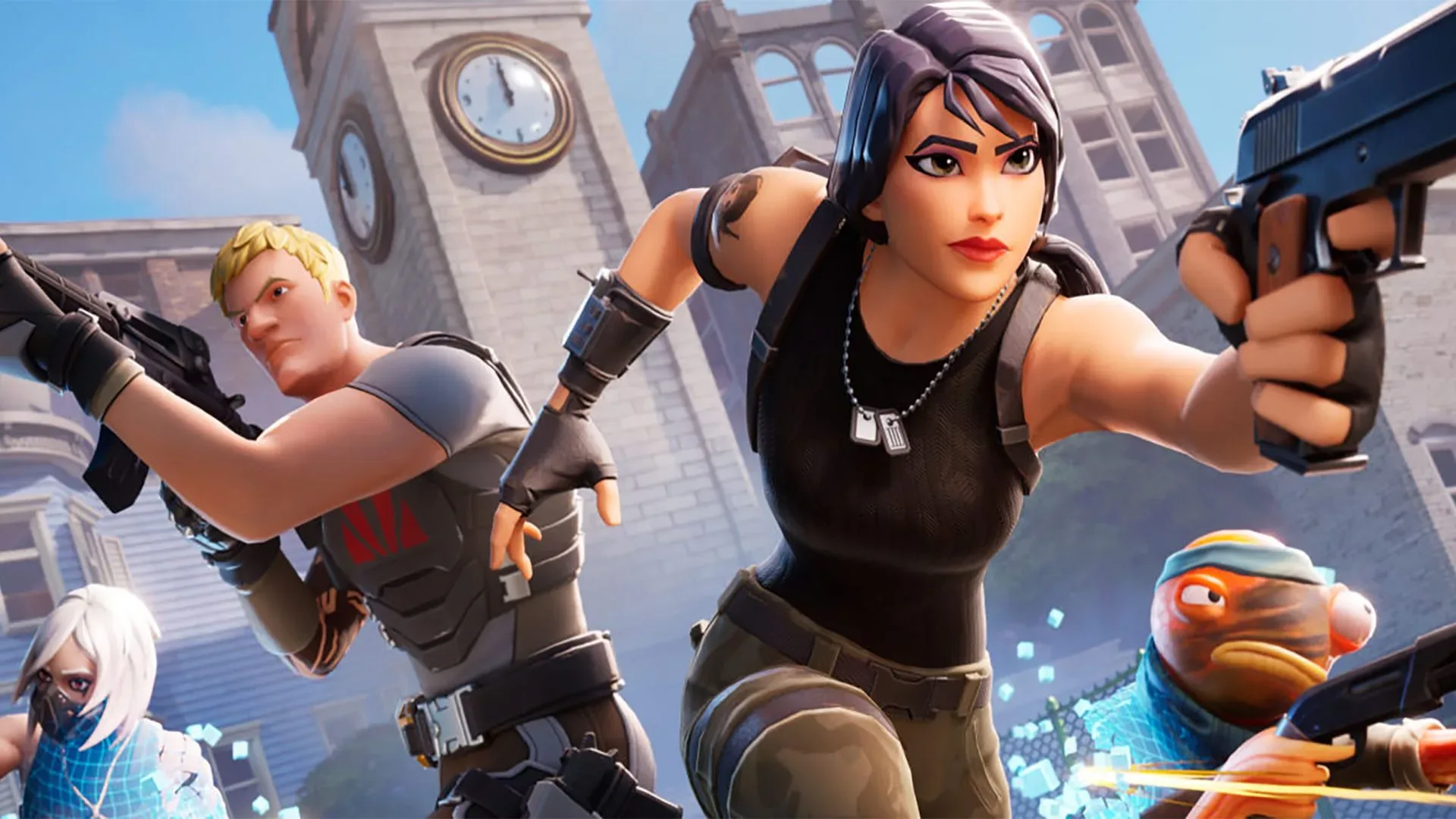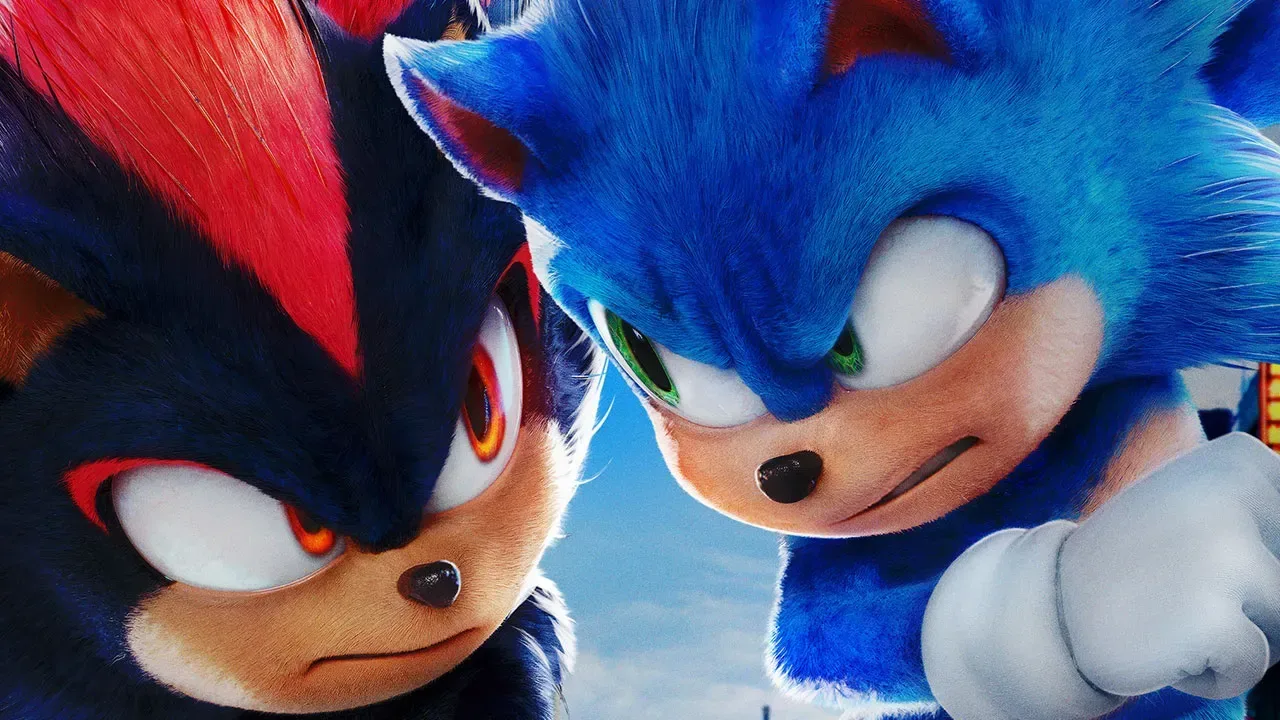
Sonic the Hedgehog’s move into Fortnite has produced an enormous opening-weekend tally: players around the world collected more than 1.5 billion rings and defeated Dr. Eggman more than 14 million times, Sega president and COO Shuji Utsumi and Epic Games Japan managing director Takayuki Kawasaki said in a joint interview.
The numbers cover the first weekend after the Sonic collaboration launched. Kawasaki also said Fortnite’s overall player count for the current gaming-themed season was higher than it had been during the comparable period a year earlier. That does not establish that Sonic alone caused the wider increase, but it does show the crossover arrived during a particularly active period for the game.
For a collaboration that puts one of games’ most recognizably family-friendly heroes into a battle royale built around firearms, the notable detail is not simply the scale of the response. It is the amount of planning Sega says was required to make the idea acceptable to both companies and to Sonic’s audience.
Why this Sonic is not presented as the usual Sonic
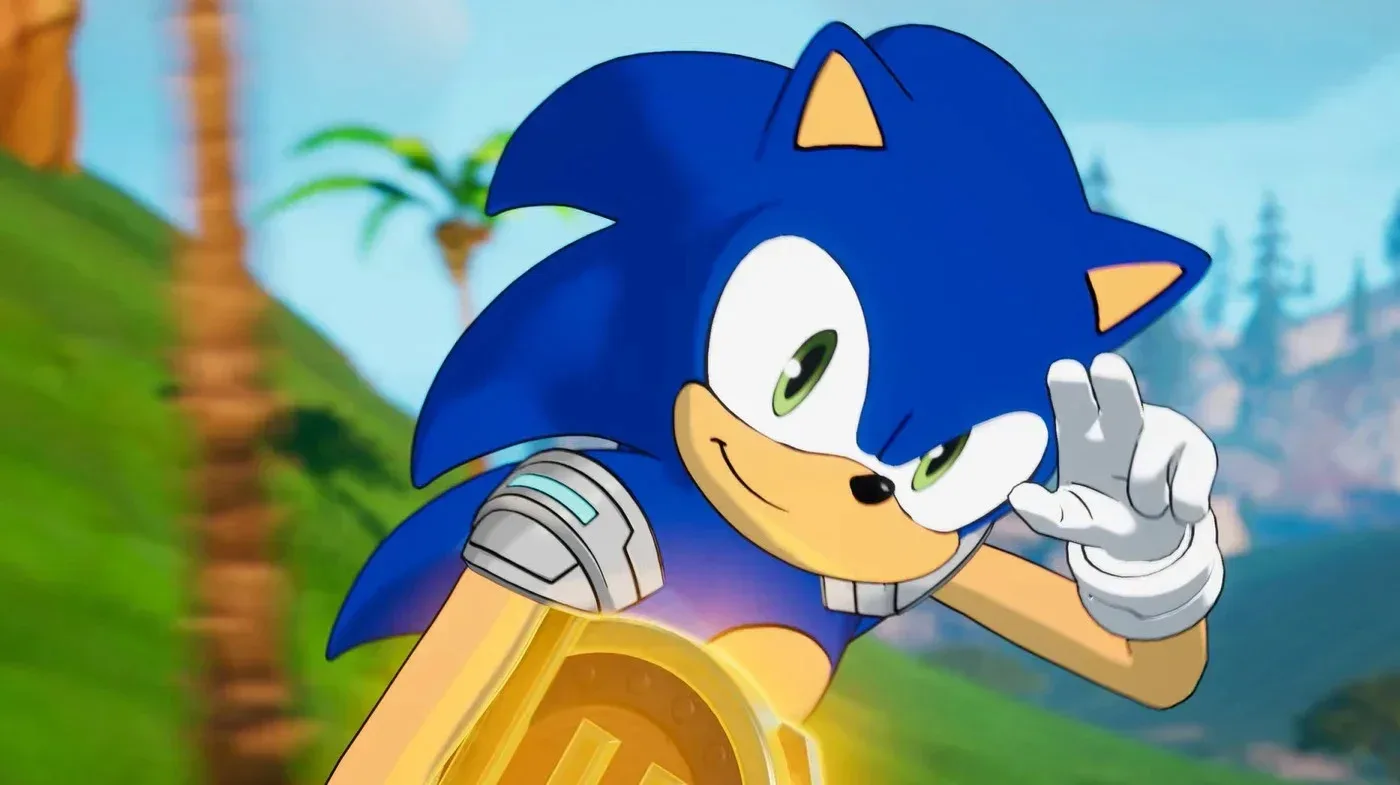
Sega did not treat the Fortnite character as a straight transfer of its main Sonic incarnation. The company’s explanation is that this is an android Sonic, a distinction intended to account for the version of the character seen running, collecting rings and using weapons within Fortnite’s setting.
That framing matters because a crossover can do more than place a familiar face in a different game. It can change the context in which players understand that character. Sonic is normally associated with fast-moving, single-player platform adventures; Fortnite’s battle royale format can put the same visual icon into combat scenarios alongside a changing roster of outside properties.
Utsumi said Sega debated whether Sonic should simply be inserted into Fortnite unchanged. The company wanted a credible alignment between the two worlds, rather than an appearance that seemed to exist only because a licensing request had been made. Sega also sought to avoid disappointing Fortnite players while meeting Sonic fans’ expectations.
Its answer extended beyond the in-game model. Sega prepared a backstory for why this form of Sonic exists in Fortnite’s world and developed a comic to communicate that story. In practical terms, that is a form of narrative framing: a small piece of fiction used to explain why an established character can behave differently in a guest appearance without redefining the broader version of that character.
The practical problem: making Sonic fit Fortnite’s template
Before the lore explanation, there was a basic visual-design problem. Utsumi said Sonic’s head-to-body proportions created difficulties as Sega and Epic worked to adapt him to Fortnite’s existing design templates. The teams went through multiple iterations before reaching a version they could approve.
Related coverage includes Sonic's Fortnite Debut Draws 1.5 Billion Rings and 14 Million Eggman Defeats in One Weekend.
A design template in this context is a pre-existing framework for how a character model needs to work in a game: its overall shape, scale and relationship to the game’s established presentation. The source does not detail the technical process or changes made in each iteration. What it does make clear is that Sonic’s familiar silhouette did not automatically fit the game’s requirements.
That is an important reminder that a crossover skin is not necessarily a simple import. A character can be instantly recognizable in artwork yet still need significant adaptation when placed into another game’s systems and visual language. Sega’s concern was not only whether players would identify Sonic, but whether the result would look right inside Fortnite while retaining enough of what makes Sonic distinct.
The problem is especially visible with a character whose proportions are central to his identity. Sonic’s large head and compact body are not incidental details. Alter them too far and the character stops reading correctly; preserve them without adjustment and the model may not sit comfortably within the receiving game’s established approach. Sega’s comments suggest the final presentation was the result of negotiation rather than a one-step approval.
Rings and Eggman defeats show how players engaged
The two launch-weekend figures describe different kinds of participation. Rings are a classic Sonic symbol, so the 1.5 billion total indicates players enthusiastically interacted with a recognizable part of the franchise’s language. The 14 million Dr. Eggman defeats, meanwhile, show players repeatedly engaged with Sonic’s central villain in Fortnite’s version of the event.
Kawasaki characterized the response as very positive, joking that players were less restrained because Eggman is a villain. The figures are substantial, though they should be read carefully. They are activity totals, not a disclosed count of unique players, purchases, or the number of people newly introduced to either Fortnite or Sonic. A single participant may contribute repeatedly to a total such as rings collected or enemy defeats.
Even with that limitation, the data gives a useful snapshot of the crossover’s immediate engagement. It points to players doing more than merely noticing the collaboration: they were participating in the themed objectives or encounters at a remarkable scale during the opening weekend.
It also demonstrates why recognizable gameplay symbols matter in licensed events. Rings are not a generic collectible in Sonic’s world; they are one of the franchise’s clearest visual and mechanical signatures. Eggman is likewise not just any opponent. Building the crossover around those elements gives Fortnite players a legible route into Sonic’s world without requiring prior knowledge of the character’s games.
A collaboration shaped by IP stewardship
The broader issue raised by Sega’s comments is IP stewardship: how a company protects, defines and develops a character or fictional world it owns. Sega’s internal discussion was not framed as opposition to the collaboration itself. Rather, it was about how Sonic could participate while preserving a distinct identity.
Utsumi said the experience reinforced the importance of answering a deceptively simple question: why is Sonic there? For players, a crossover may be a moment of spectacle. For the owner of a long-running character, the same moment creates questions about tone, visual presentation, story logic and the line between a guest version and the core version of the property.
That concern is particularly relevant as Fortnite continues to function as a gathering place for characters from different games and entertainment worlds. Kawasaki described Epic chief executive Tim Sweeney’s long-standing vision through the analogy of children combining different action figures in one sandbox. The point was that physical play often allows properties to mix freely in a way digital games historically have not, even before rights issues are considered.
Fortnite’s collaborations are one real-world expression of that idea: a shared digital space where distinct characters can appear side by side. The Sonic event adds another example, but Sega’s account shows that the apparent ease of the final crossover can conceal a substantial amount of approval, design and narrative work.
What the result could mean for both sides
Epic gains a recognizable new draw for a season already centered on gaming properties. Sega gains exposure for Sonic among Fortnite players who may not otherwise have spent time with the character’s single-player games. Utsumi and Kawasaki described the result as mutually beneficial, with Sonic audiences moving toward Fortnite and Fortnite audiences becoming more interested in Sonic’s world.
That is the commercial promise of a crossover, but Sega’s comments point to a more nuanced outcome: visibility is most valuable when the visiting character remains coherent. The android framing, the supporting comic and the design revisions all appear to have served the same purpose. They allowed Sonic to participate in Fortnite’s rules without asking audiences to regard every aspect of the guest appearance as a replacement for the franchise’s usual identity.
For players, the immediate takeaway is simpler. Fortnite’s Sonic weekend produced a mountain of rings, an even more battered Eggman, and evidence that a carefully framed version of the Blue Blur can thrive in a setting far removed from his usual adventures. The ongoing conversation around crossover games is not just whether they can happen. Sega’s experience suggests the more lasting question is how character owners make them feel intentional when they do.
Fortnite’s ability to host distinct game worlds is part of a wider conversation about how games turn shared cultural moments into playable events. For another recent gaming-culture story, see T-Pain’s reaction to Clair Obscur: Expedition 33.