Cliff Bleszinski says his attempt to regain control of Jazz Jackrabbit has run into a legal impasse. The designer, known for his work on Unreal Tournament and Gears of War, says Epic Games maintains that it owns the rights to the fast-moving rabbit hero—even as Bleszinski continues to receive occasional payments tied to sales of the older games on GOG.
For fans, the dispute places a complicated ownership question behind a notably simple creative story. Bleszinski says he came up with Jazz as a teenager, around age 17, and that the character became the lead of one of his earliest games after he joined Epic in 1992. Jazz Jackrabbit released in 1994 and, by Bleszinski’s account, became Epic’s biggest hit at that point in the company’s history.
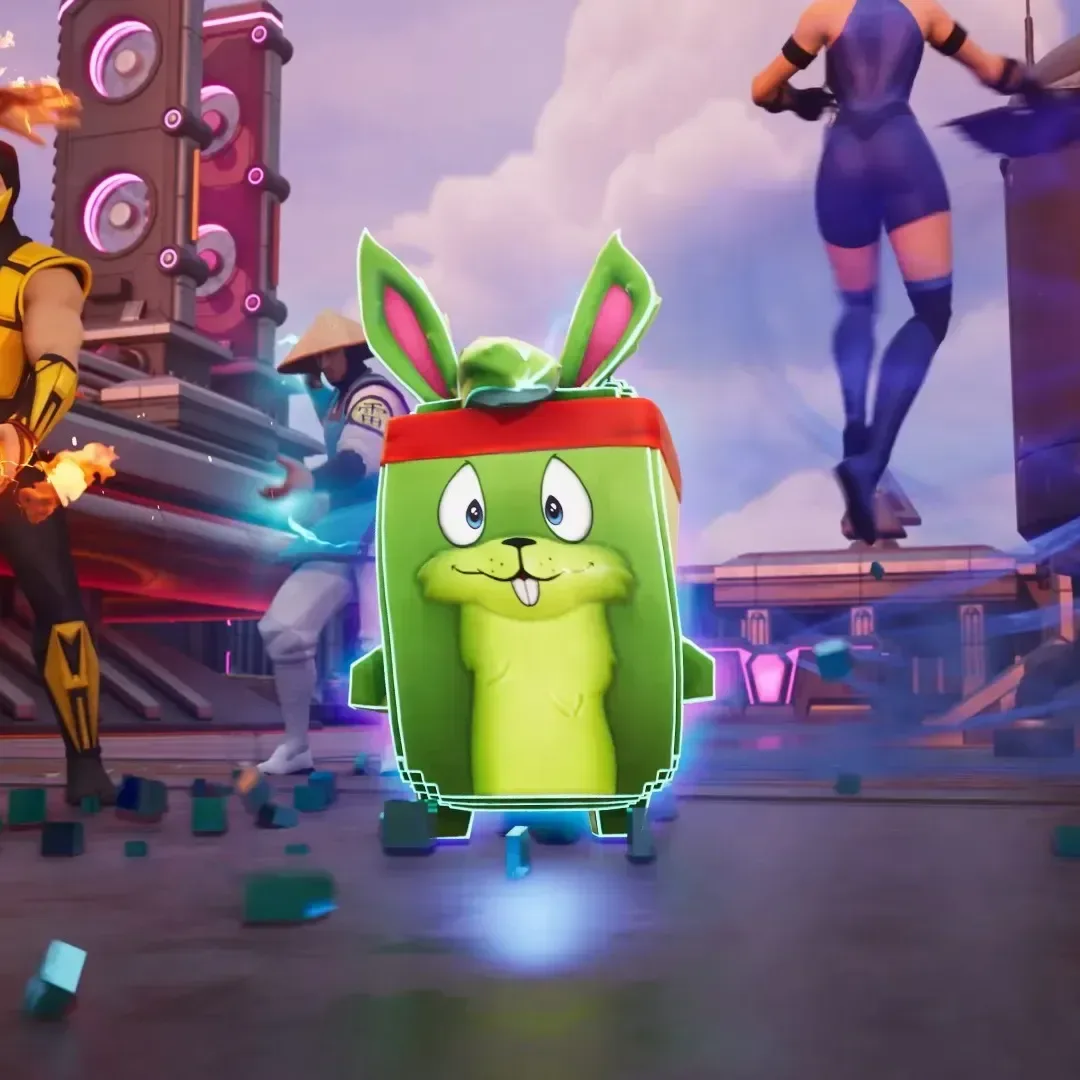
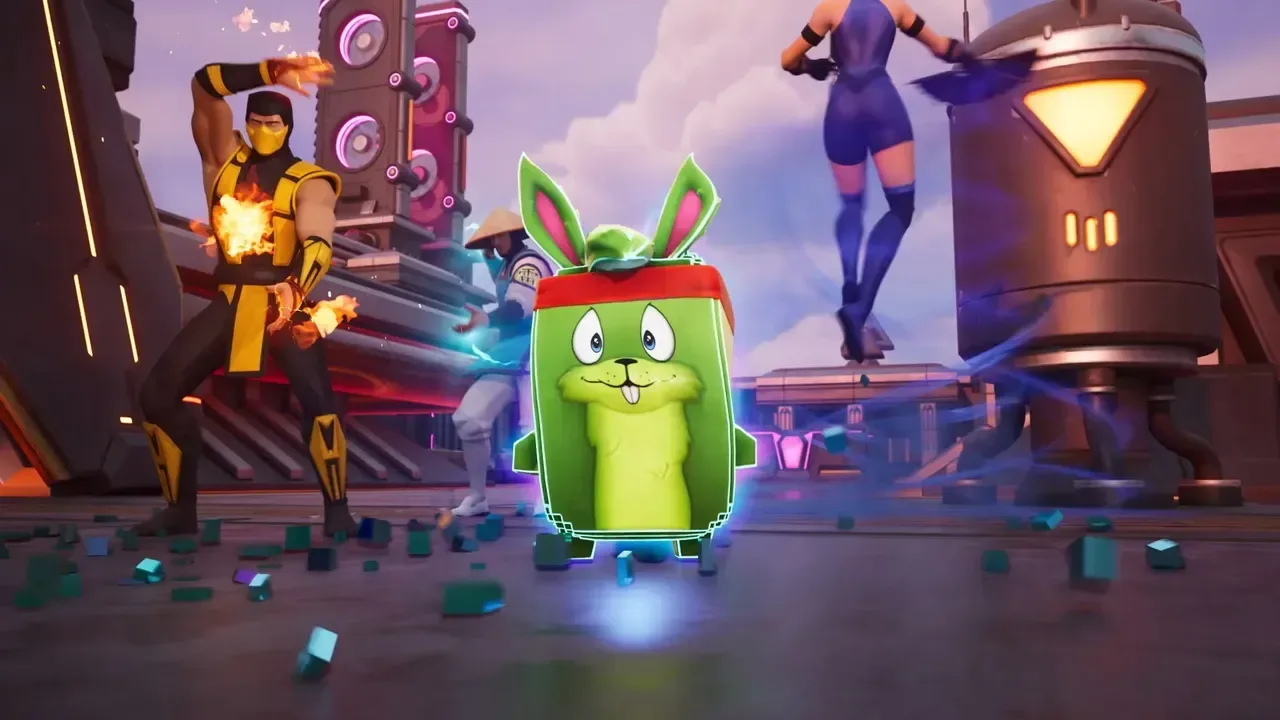
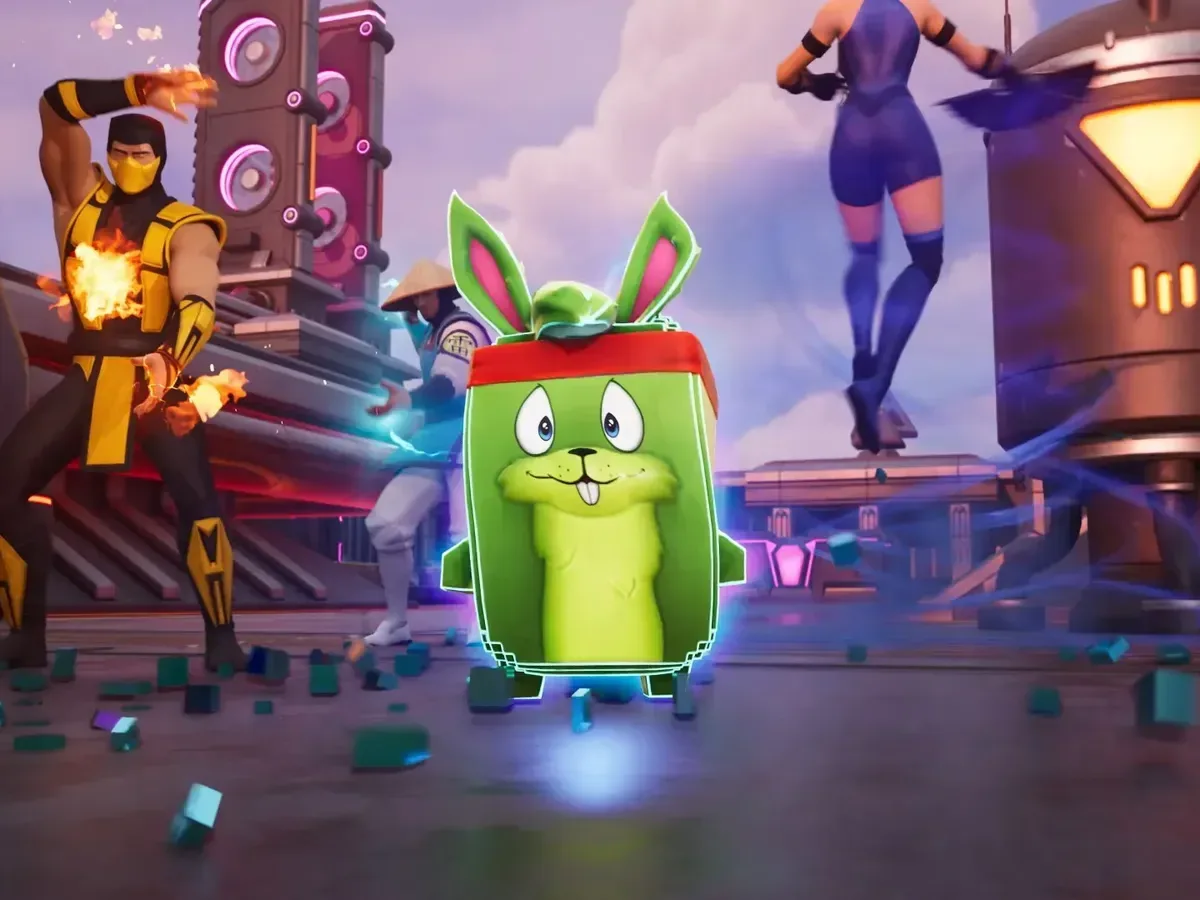
Decades later, Jazz has appeared again in Fortnite, including as a Sprite in Chapter 7, Season 4. That renewed visibility did not lead to the revival Bleszinski had hoped to pursue. Instead, he says he explored the appropriate legal channels and arrived at what he calls “rights hell”: a situation in which a creator cannot secure the permissions needed to make a new official work around a character closely associated with them.
What Bleszinski says happened
In public comments, Bleszinski said Epic’s position is that it fully owns Jazz Jackrabbit. He also said neither side has been able to produce the old documentation he believes would settle the question, describing the agreements from that period as lost over time.
The important limitation is that the public account describes Bleszinski’s understanding of the matter, rather than publishing the underlying contract or a court ruling. There is no documented legal decision in the available information establishing the precise chain of ownership, and no detailed explanation of Epic’s legal reasoning has been provided. What is clear is the practical result Bleszinski described: his attempt to obtain the rights did not succeed.
Bleszinski pointed to his continuing GOG payments as a reason to think relevant paperwork may still exist. That is a meaningful detail, but it should not be mistaken for proof of character ownership by itself. A royalty payment is compensation connected to a product or agreement; it does not automatically tell the public who controls every piece of intellectual property connected to that product. The terms of the original arrangement would matter enormously, and those terms have not been shared.
He nevertheless expressed appreciation for still being paid for work completed more than 30 years ago. His frustration is focused on the inability to oversee a more substantial Jazz revival himself, either independently or alongside a partner he trusts.
Why a teenage creation can still be a company asset
The disagreement is a reminder that authorship and ownership are not always the same thing in game development. Authorship concerns who created an idea, character, artwork, design, or other work. Ownership concerns who holds the enforceable rights to use, license, adapt, sell, or authorize further use of that work.
Related coverage includes Epic Games Says It Owns Jazz Jackrabbit Rights as Cliff Bleszinski Eyes a Spiritual Successor.
Employment agreements, development contracts, publishing arrangements, assignments of rights, and royalty provisions can all affect that answer. An individual may have originated a character and still have transferred, licensed, or otherwise limited rights through a contract. Conversely, a company’s later use of a character may depend on rights it acquired at the time of development. Without the relevant documents, outside observers cannot responsibly fill in those blanks.
That distinction is especially sharp with very old games. Early-career creative agreements may have been signed before a project’s cultural or commercial significance was clear. Records may also be difficult to locate decades later. None of that resolves the present disagreement, but it helps explain why a creator’s personal connection to a character and a company’s asserted legal control can exist side by side.
The case also matters because Jazz Jackrabbit is not merely archival software. Epic has used the character in Fortnite, while the older titles remain available through GOG sales that still generate payments for Bleszinski. Those facts make Jazz an active, monetized property rather than a fully dormant relic.
Fortnite’s role gives the issue an additional modern wrinkle. The game routinely provides a platform for characters and references from across gaming, and a cameo can place an older property in front of an audience that may have no relationship with its original release. Readers tracking the business systems around Fortnite can also see how the game has recently addressed demands for more clarity around its virtual-item ecosystem in this report on Pirate Shop Token odds. In Jazz’s case, though, the key question is not loot odds or item availability; it is who can authorize an official new Jazz project.
The likely meaning of “spiritual successor”
Bleszinski says that if he returns to a Jazz-like idea, it would have to be a spiritual successor. That term usually describes a new work that pursues similar creative goals, genre appeal, pacing, or design ideas without presenting itself as an official continuation of an older property.
It is not simply a different name attached to the same character. A genuine spiritual successor needs its own identity and must avoid using protected elements belonging to the original property. In this instance, that would mean any hypothetical new project could not be assumed to use Jazz Jackrabbit’s name, official continuity, or other proprietary components controlled by Epic. Bleszinski has not announced such a game, a partner, a release plan, or a platform.
His comments do, however, identify the kind of game design he remains interested in. Bleszinski said he does not believe anyone has fully solved “arcadey first-person platforming.” In plain terms, that points to a possible interest in a first-person game built around movement, momentum, and platforming challenges, with an arcade-like emphasis on immediacy rather than a slow, simulation-heavy approach. It is an aspiration, not a confirmed design document.
That detail is also a useful guardrail against assumptions that a spiritual successor would necessarily replicate a 1994 platform game. “Jazz-like” could refer to energy, movement, attitude, or a renewed interest in platform-focused action rather than a literal remake of the original formula. Until Bleszinski identifies a project, the phrase should be read as a creative direction, not a product announcement.
What this means for Jazz Jackrabbit fans
There are two separate takeaways. First, Jazz is visible enough to appear in Fortnite and continues to be commercially relevant through older-game sales. Second, the person who says he created the character does not currently expect to make an official revival under the Jazz Jackrabbit name.
That leaves the official future of the property uncertain. Epic’s asserted ownership means it would be the party positioned to approve an official new entry, assuming its position remains unchanged. But there is no stated plan for a new Jazz Jackrabbit game. Bleszinski’s remarks likewise do not confirm that a spiritual successor is in active production.
For players, the most realistic expectation is therefore restraint. Fortnite appearances and continued catalog sales show that Jazz has not vanished, but they do not amount to confirmation of a remaster, sequel, reboot, or creator-led return. Any of those outcomes would require a distinct announcement.
A familiar tension in a long creative career
The Jazz dispute arrives while another Bleszinski-associated creation is newly active. Gears of War: E-Day returned the Gears franchise to Xbox consoles last month as a prequel to the original 2006 game. It is the first new Gears release since 2019’s Gears 5.
The contrast is striking, though it should not be overstated. Gears and Jazz are different properties with different histories, and the available information does not establish that their contractual circumstances are comparable. Still, the timing illustrates how a creator’s legacy can persist in more than one direction: one property can receive a major new installment while another is constrained by unresolved ownership issues and missing paperwork.
Bleszinski’s stated position is ultimately pragmatic. He says he is grateful for the residual payments but disappointed that the legal effort went nowhere. If he revisits the underlying creative impulse behind Jazz, he says it will have to be through something new rather than an official revival. For a character born from teenage sketches and still making cameos decades later, that may be the clearest indication yet that creative history and control of an intellectual property can follow very different paths.