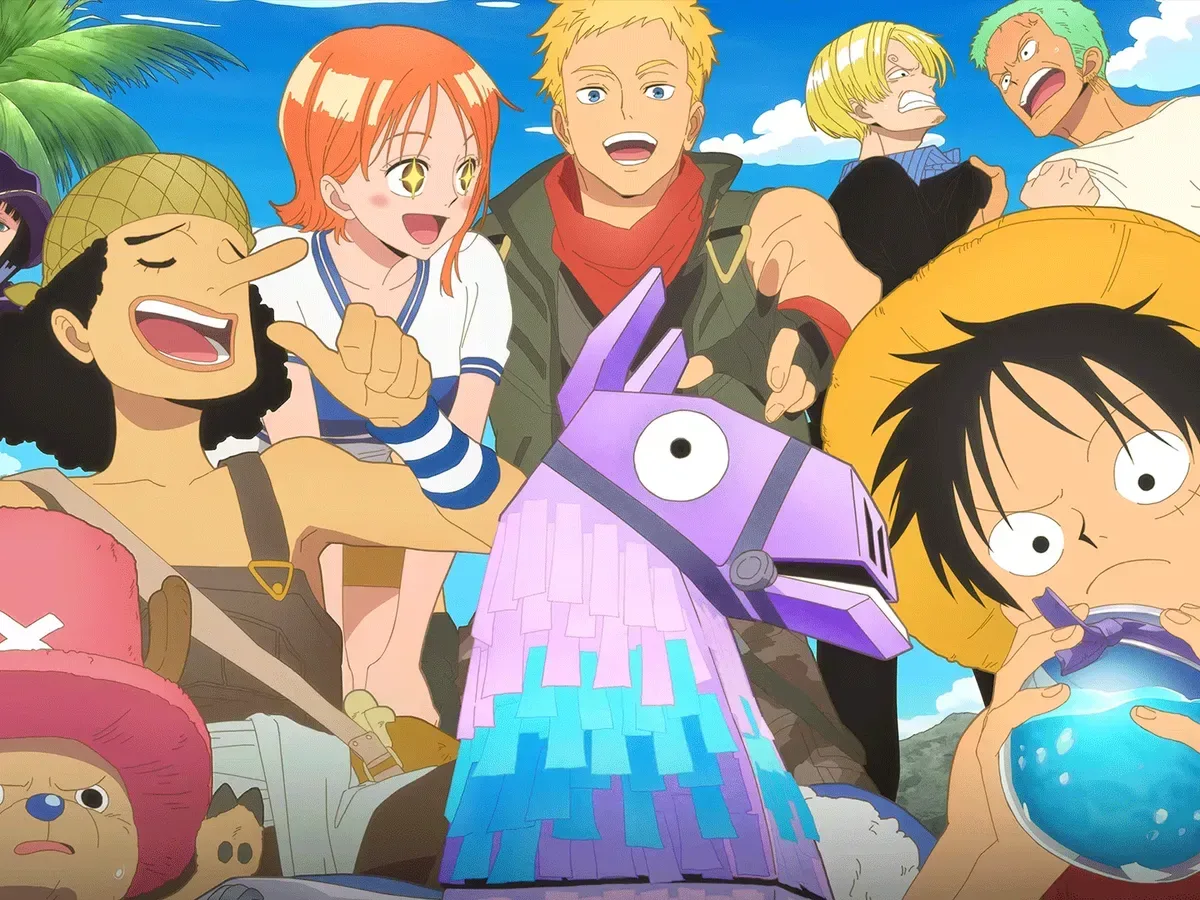
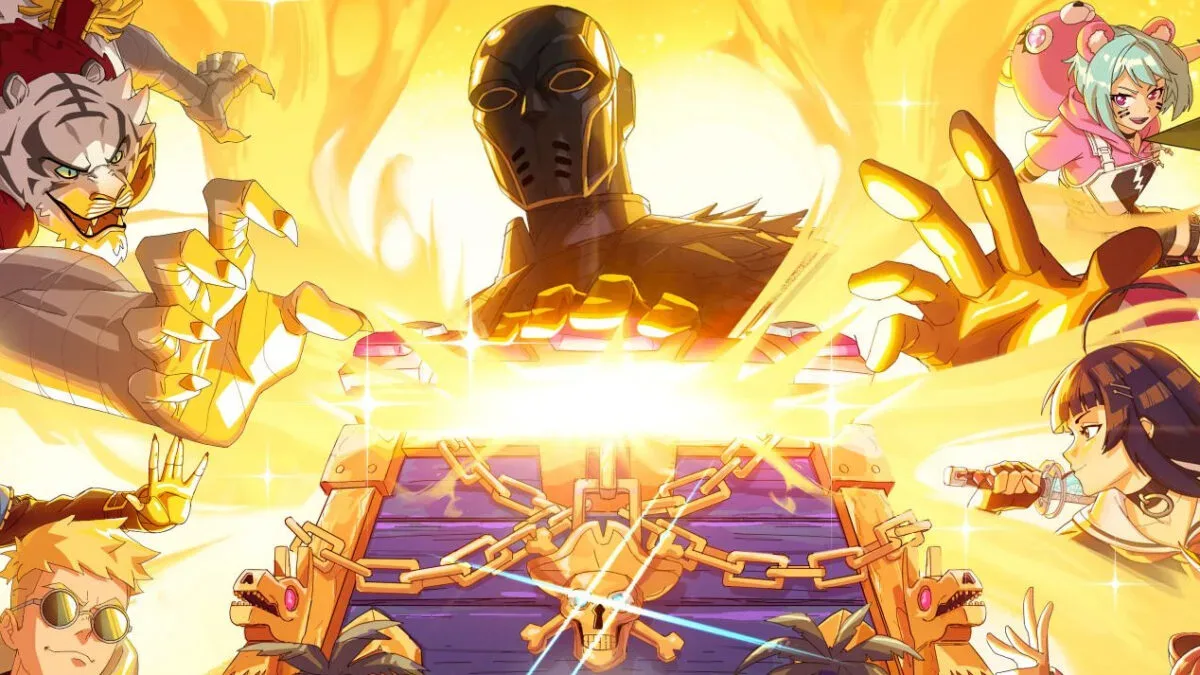
Fortnite’s Pirate Shop Token is being treated by players less like an ordinary in-game collectible and more like a winning lottery ticket with a battle royale attached. The exceptionally rare token reportedly makes most Item Shop items free, and a player who finds one can use the benefit twice: once this year and again in 2027. That is an enormous promise in a game whose shop normally sells cosmetic items directly, and it has set off a frantic chest-opening race during the current One Piece-themed season.
What has made the hunt combustible is not simply that the reward is rare. It is that its apparent value, its limited window and its unknown odds are all colliding at once. Players have reported opening thousands of chests and spending more than 30 hours searching. At the same time, clips of successful finds have spread through the community, making the prize feel both tantalizingly attainable and maddeningly out of reach.
The token event is expected to run for roughly a month. That gives it a hard deadline, and deadlines change how players interpret an otherwise optional reward. A player can decide not to buy a cosmetic today and revisit that choice later. They cannot necessarily postpone a chance at an ultra-rare token if the event ends before they get it. The result is a growing backlash that has included boycott talk, demands for more information and concern that the chase rewards unhealthy amounts of play.
A treasure hunt with an unusually large payoff
The Pirate Shop Token’s appeal is easy to understand. Fortnite’s Item Shop is where players obtain many cosmetics, and the token is said to make most shop offerings free. The wording matters: the available information does not establish that every Item Shop product is eligible, nor does it lay out exclusions or a complete redemption process. Still, even limited access to a large portion of the shop would be a major reward in practical terms.
The second redemption makes the incentive still stronger. A finder is not just receiving one opportunity to claim something; they are being offered another chance in 2027. That future-use component turns the token into a long-tail prize. It encourages players to see the hunt as an opportunity with value beyond the current shop rotation and beyond the present season.
The event also fits neatly, at least thematically, with a One Piece season built around pirates and the pursuit of legendary treasure. A rare treasure is an obvious storytelling match. But a theme can make a mechanic feel more exciting without answering the harder design questions: How rare is it? What level of effort is reasonable? And what should players expect when the event is designed around a reward that almost everyone will miss?
The missing number at the center of the argument
The chief player complaint is the lack of official rarity statistics. There are no published odds for the Pirate Shop Token in the material available, leaving players to infer its scarcity from personal results, community reports and videos. That is a shaky basis for understanding probability.
Drop rate is the chance that a particular item appears when a player opens an eligible chest or completes another qualifying action. A stated drop rate does not guarantee that any individual player will find the item after a certain number of attempts. Random outcomes can produce long losing streaks, and two players putting in the same time can have wildly different results. What disclosure does provide is a baseline: players can assess whether they are chasing a long shot, a merely uncommon reward, or something even less likely.
Related coverage includes Fortnite's Pirate Shop Token Hunt Sparks Backlash Over Ultra-Rare Rewards.
Without that baseline, every opened chest becomes emotionally ambiguous. A player who has gone many hours without a token cannot tell whether they have been exceptionally unlucky, whether the reward was always meant to be nearly unreachable, or whether they are misunderstanding the conditions. That uncertainty can feed the urge to keep going. The next chest might be the one—or it might be statistically indistinguishable from all the previous chests.
Some players have compared the situation to gacha systems, where players may pursue rare randomized rewards and probability disclosure is required in some regions. The comparison has limits. The Pirate Shop Token hunt described here does not require players to pay money for each chance, while gacha systems commonly connect random pulls to direct spending. That distinction is meaningful, especially when assessing consumer protections or whether a mechanic resembles paid gambling.
Yet the comparison is not entirely beside the point. The resource at stake in this event is time. Players are reporting marathon searches, and the reward is framed as unusually valuable. When an activity has unclear odds, a finite duration and an attention-grabbing jackpot, it can create similar pressures even where there is no per-attempt cash payment.
Time is not cash, but it is not nothing
Fortnite is free to play, and that fact is central to the discussion. No direct purchase is described as necessary to open chests or pursue the token. The token also cannot officially be sold or used for profit, meaning it has no authorized real-world resale value. Any suggestion that it is “worth thousands” is therefore better understood as an estimate of how much qualifying shop merchandise a person might otherwise have bought, not as a cash payout or tradable asset.
That distinction should keep the debate grounded. A Pirate Shop Token is not money, and it does not create a sanctioned marketplace windfall. But it still has utility inside Fortnite: it can apparently substitute for spending on eligible Item Shop items. For players who already value those cosmetics, that utility is substantial. For players who do not, the token may have little appeal at all. Its perceived value is personal, even if the surrounding excitement makes it feel universal.
The more useful question is not whether time and money are identical. They are not. It is whether a limited-time, low-visibility random reward can push players—particularly younger ones—to use more time than they intended. The reports of thousands of chests and 30-plus-hour grinds make that question difficult to dismiss. A free entry point does not automatically make the pressure-free version of a randomized chase.
FOMO, short for “fear of missing out,” describes the feeling that failing to act now means permanently losing a special opportunity. It is particularly powerful in live-service games, which are updated continuously with new seasons, events and shop offerings. The Pirate Shop Token combines several classic FOMO ingredients: scarcity, a deadline, social proof from lucky-player clips and a reward that may cover future purchases as well as present ones.
Fortnite is hardly alone among ongoing games in trying to retain attention through events. As competition for players’ time intensifies, long-running games have an incentive to create moments that pull a community back in. For a useful adjacent look at how the idea of a “forever game” shapes player expectations, see this report on World of Warcraft: Forever and its reported community response. The Pirate Shop Token illustrates the other edge of the strategy: an engagement hook can unite players in a shared hunt, but it can also make those without the reward feel excluded or manipulated.
Why lucky clips can make a rare event feel worse
Community posts are doing two things at once. They prove that the reward can be found, and they intensify the frustration of people who have not found it. A short video of a successful drop compresses luck into a dramatic moment. It does not show every unsuccessful search happening elsewhere, every player who stopped early, or the true number of attempts required across the whole population.
That is a familiar visibility problem in random-reward systems. Success is highly shareable; failure usually is not. Players who find the token have a compelling reason to post. Players who open dozens or hundreds of chests without it may simply log off. The public feed can consequently make rare success look more common—or, depending on the mood of the community, make the gap between winners and everyone else feel even harsher.
The lack of official odds leaves social media to fill an information vacuum. Anecdotes are emotionally persuasive but poor at establishing a genuine rate. One player’s quick success and another’s 30-hour dry spell can both occur under the same odds. Neither observation alone tells the community what it needs to know.
Practical boundaries for players chasing the token
Players interested in the event can still set limits without pretending the token does not exist. The key is to treat it as a chance-based bonus rather than a goal that must be completed.
- Choose a time budget before playing. Decide on a session length or total number of sessions, then stop when the limit arrives whether or not a token appears.
- Do not read prior effort as a reason to continue. Hours already spent do not make a future chest inherently more likely to contain the reward unless a published system says otherwise.
- Keep the reward’s value in perspective. The token may offset eligible cosmetic purchases, but it cannot officially be resold for cash.
- Avoid rule-breaking shortcuts. Reports indicate that some players have pursued Terms of Service-breaking methods. A rare reward is not a sensible reason to risk an account or participate in behavior that violates the game’s rules.
- Take the deadline seriously without letting it dictate every session. An event ending in about a month creates urgency, but it does not obligate anyone to turn a game into a second job.
What transparency could change—and what it could not
Publishing a drop rate would not end disappointment. If the rate is extremely low, many players would still finish the event empty-handed. If it is higher than players expect, some could still have very unlucky results. Randomness does not become fair to every individual just because it is explained.
Transparency could, however, change the nature of the decision. Players would have clearer information before committing long stretches of time. Parents and guardians would have a firmer basis for discussing expectations with younger players. And the community could argue from a shared fact rather than attempting to reverse-engineer odds from viral videos and scattered reports.
As it stands, the Pirate Shop Token appears to be succeeding at the most basic engagement metric: people are talking about it, hunting for it and sharing their reactions. But attention is not the same thing as goodwill. The longer the hunt is defined by uncertainty and highly visible lucky winners, the greater the risk that excitement becomes exhaustion. A pirate treasure chase is supposed to inspire adventure. For a portion of Fortnite’s community, this one is increasingly becoming a lesson in how quickly a prize can feel less like a bonus and more like an obligation.