Warning: this article discusses a major event in the prologue of Clair Obscur: Expedition 33.
Not every great game is the right game for every mood, and T-Pain has made a persuasive case for respecting the distinction. The rapper recently began Clair Obscur: Expedition 33 on his Nappy Boy Gaming YouTube channel, only to stop roughly 15 minutes into the RPG after encountering its bleak opening tragedy.
The moment is both funny in its abruptness and understandable in its honesty. T-Pain did not quit because a boss stonewalled him, because a tutorial was unclear, or because the game failed to hold his attention mechanically. He reached an emotionally heavy scene, processed what had happened, heard that the story could become even harsher, and chose peace.
That is a perfectly legitimate use of the exit-to-desktop button.
The prologue was enough
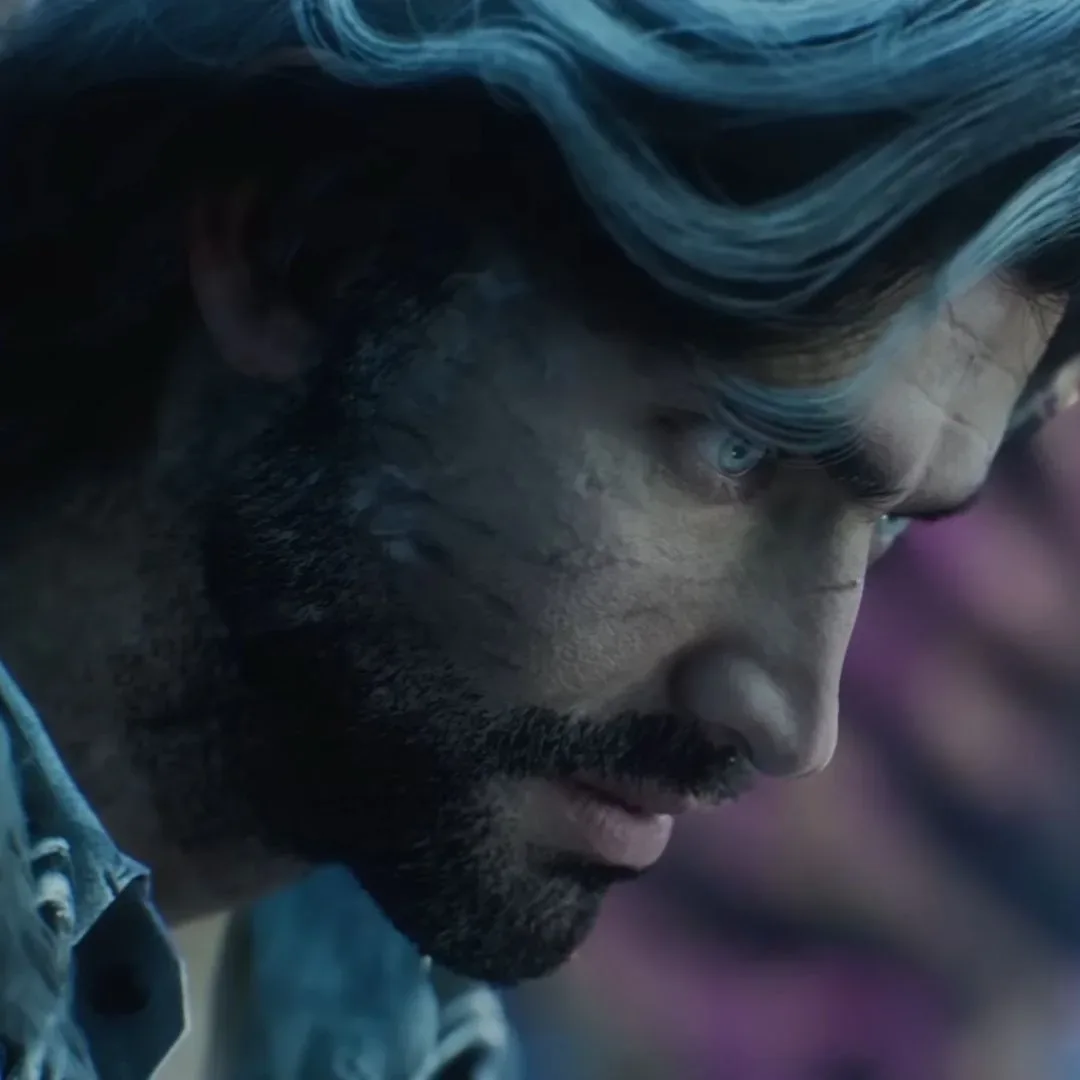
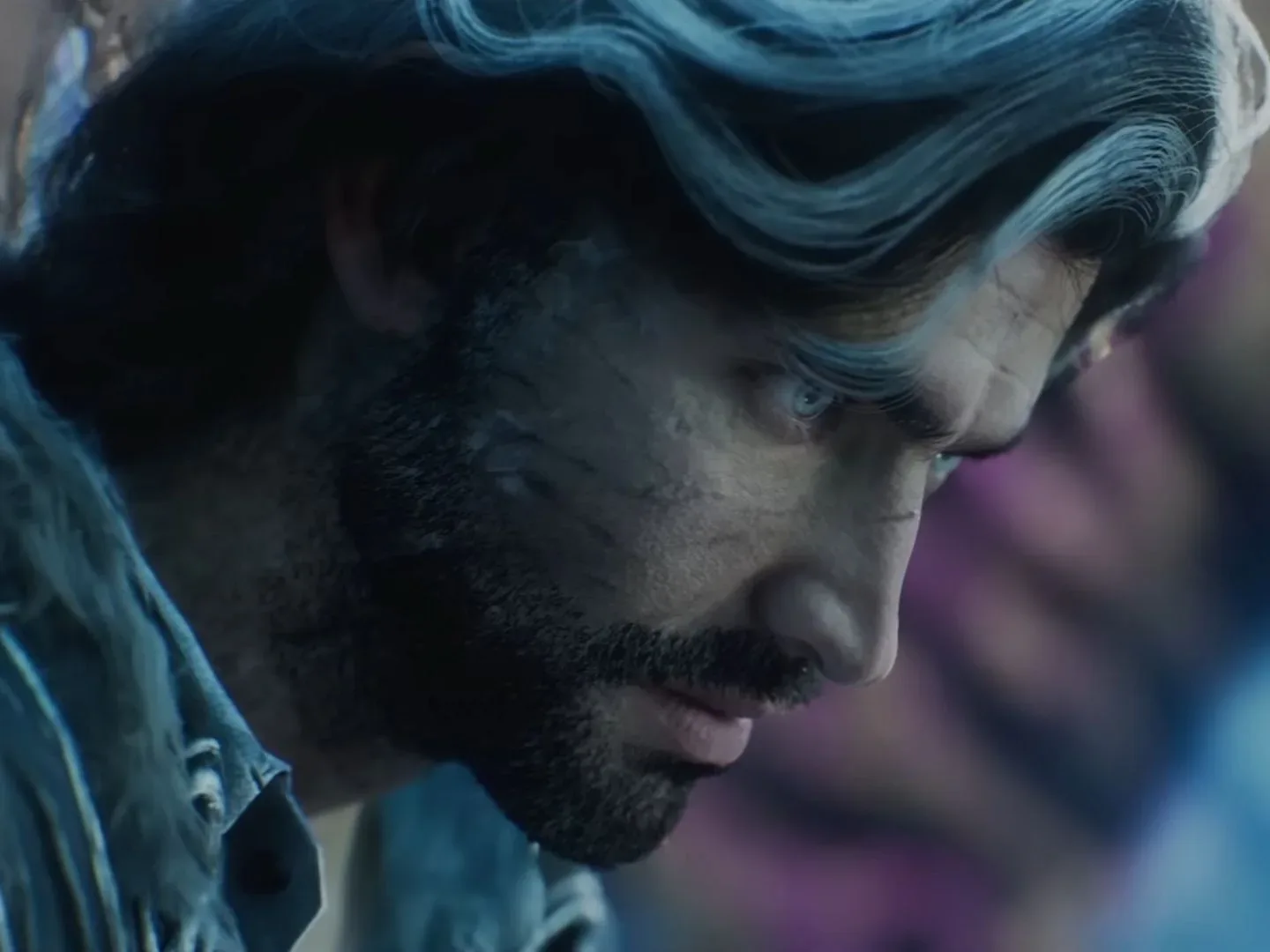
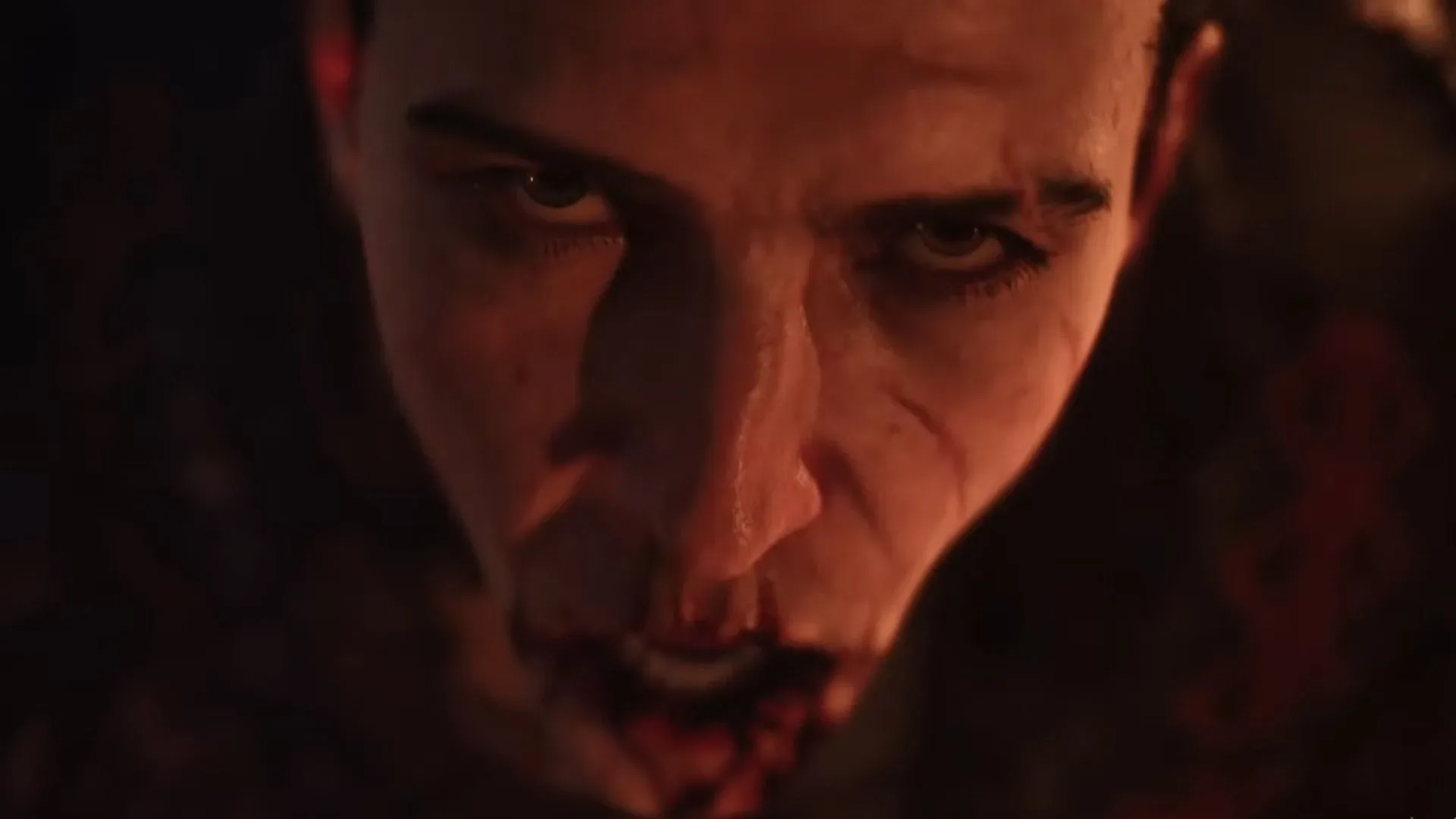
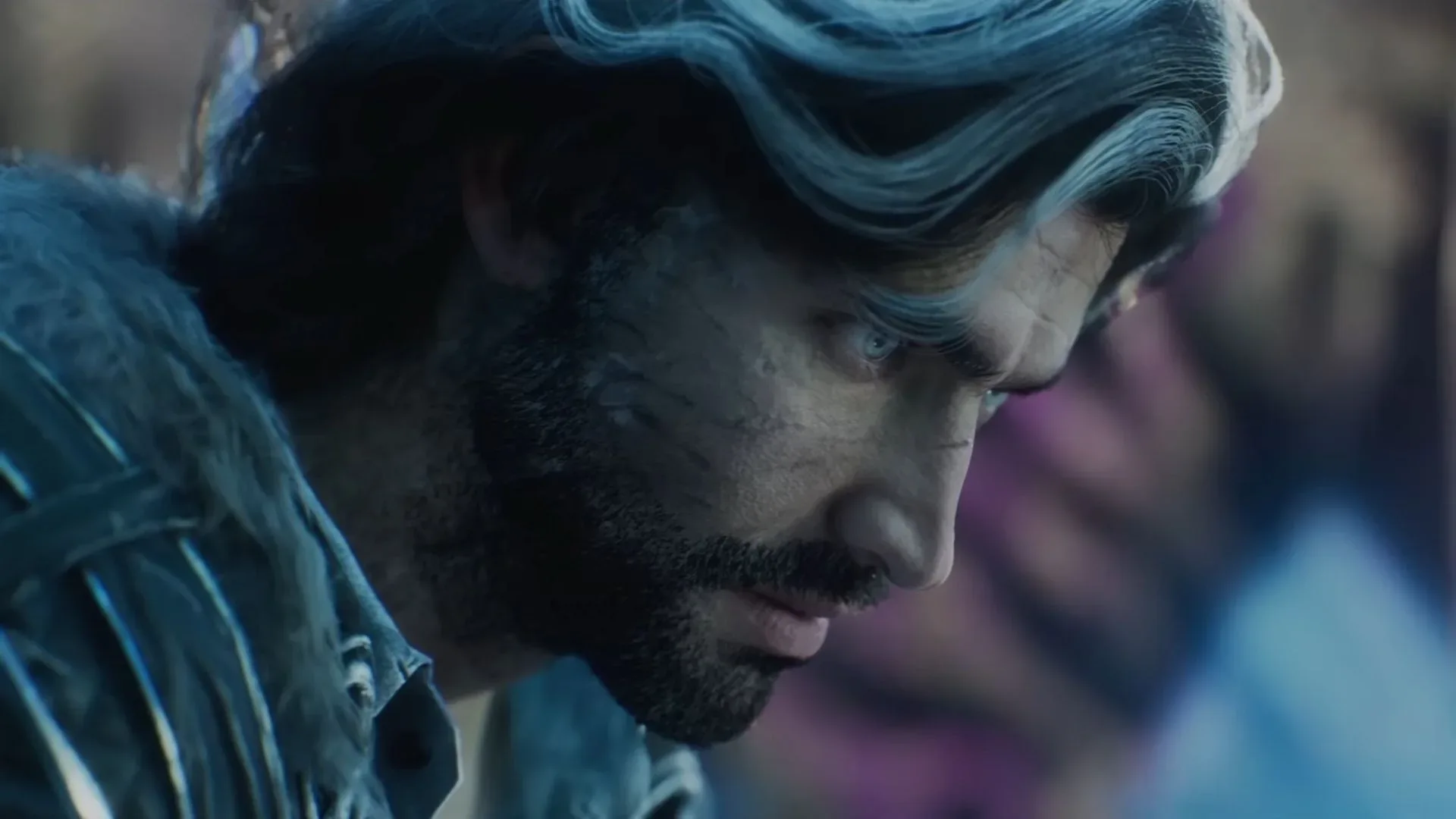
From the game’s opening, T-Pain plays as Gustave and witnesses Sophie’s death during the prologue. The scene leaves him quiet for several seconds after he regains control. Eventually, he lets out an exhausted “shewwww” and exits the game.
An off-camera voice asks whether the story is sad. T-Pain answers yes. Asked whether it is too sad, he again agrees, laughing as he says that it was.
The deciding factor comes just before the stream segment ends. T-Pain appears to read a viewer comment warning that “it gets worse.” His response is immediate: “Absolutely not.”
“Yeah, it was too sad.”
Related coverage includes T-Pain Stops Clair Obscur: Expedition 33 After Its Devastating Opening.
It is an unusually relatable reaction to a game that makes its emotional intentions clear very early. Players regularly speak about challenge in terms of combat difficulty, buildcraft, timing windows, or puzzle complexity. But stories have difficulty settings of their own, even when no menu labels them that way. A work can ask an audience to tolerate grief, uncertainty, dread, violence, or a sustained absence of reassurance. Sometimes that demand is exactly what makes a story meaningful. Sometimes it is more than a person wants from their leisure time that day.
What “too sad” can mean for a player
Calling a game “too sad” does not necessarily mean calling it poorly made. In this case, the reaction points in the opposite direction: the prologue’s writing and performance apparently landed strongly enough that continuing did not feel inviting.
That is worth separating from the usual conversation around whether a player is “tough enough” for a game. Emotional readiness is not a test of skill or commitment. Someone can appreciate a game’s craft and still decide that its particular emotional register is not welcome at the moment.
Emotional intensity is a useful term here. It describes how strongly a story attempts to make its audience feel—through character loss, threatening stakes, dramatic music, performance, pacing, or the withholding of easy relief. A story with high emotional intensity may be excellent at what it does while remaining a poor fit for players looking to relax.
Emotional pacing is equally important. This is the rhythm through which a story applies and releases pressure. A devastating opening can establish stakes quickly, but it also means a player encounters grief before they have had much time to settle into the game’s world or systems. That approach can be powerful. It can also make the threshold for continuing much higher, as T-Pain’s short session illustrates.
There is no universal response to that design. One player may take the prologue as a reason to push onward, hoping for answers or catharsis. Another may reasonably interpret it as clear advance notice of the experience ahead. Neither approach misunderstands the work.
A spoiler-sensitive way to decide whether to continue
For anyone curious about Clair Obscur: Expedition 33 but wary of an emotionally punishing experience, T-Pain’s response suggests a practical rule: believe the tone a story establishes early. The supplied account indicates that a viewer warned him the game becomes more painful after the prologue, and his choice was based on not wanting that escalation.
Players can make a more informed call without turning the whole plot into a checklist of spoilers:
- Identify the feeling you want from a game right now. If you are seeking comfort, comedy, routine, or a low-stakes escape, a tragedy-forward RPG may not be the best next pick.
- Treat early scenes as tonal information. An opening loss is rarely accidental. It tells the audience what kinds of stakes and themes the narrative is willing to pursue.
- Ask for content guidance rather than plot details. A trusted friend can say whether a game remains heavy, has periods of relief, or centers particular themes without revealing every twist.
- Give yourself permission to pause. Stopping is not the same as declaring a game bad, nor does it prevent a return at a better time.
This is especially useful for story-driven RPGs. Role-playing games can encourage long-term attachment because players spend extended time with a party, a setting, and an unfolding set of stakes. That investment can make losses hit harder than they would in a shorter format. It can also make the prospect of further sadness feel less like a single upsetting scene and more like a lengthy emotional commitment.
The comedy is in the honesty, not the sadness
T-Pain’s “Absolutely not” works because it refuses the familiar pressure to perform endurance for an audience. Streaming often rewards escalation: finish the difficult section, get to the next reaction-worthy moment, and keep going because viewers know what is coming. Here, the warning that things get worse does not become a challenge. It becomes a useful warning label.
That response is also distinct from mocking the game or dismissing its audience. The segment, as described, frames the departure as emotional exhaustion. T-Pain recognizes the story as sad and decides he does not want to take on more of that particular sadness. The laugh does not erase the reaction; it makes the boundary easier to state.
There is a broader pop-culture context to that kind of audience response. Performers bring the same personal taste and emotional limits to games that anyone else does, even when viewers expect a public reaction. For more on hip-hop’s cultural place beyond games, read our look at Nas and Mayor Zohran Mamdani’s discussion of New York as hip-hop’s home.
Why a tragic opening is such a decisive design choice
Opening a game with a major loss is a narrative shortcut in the neutral sense: it quickly tells players that the world is dangerous, that characters are vulnerable, and that the story will not necessarily protect people just because they are sympathetic. It can give the player-character an immediate emotional anchor and establish the stakes before a game expands into its larger systems and locations.
But there is a tradeoff. The more decisive the opening trauma, the more deliberately a player may need to opt into the rest of the journey. Some people value stories that refuse easy reassurance. Others may prefer games whose tension is offset by warmth, humor, adventure, or dependable wins. Many players enjoy both, depending on the week.
The game’s director has previously pointed to Elden Ring and Dark Souls as inspirations for an approach that avoids spoon-feeding the player. In storytelling terms, that suggests a preference for audiences drawing meaning from what the game presents rather than receiving every answer directly. It does not by itself explain every plot event, but it helps frame why the game may ask players to sit with difficult material and uncertainty instead of immediately cushioning it.
For a player who enjoys interpretation, unresolved feeling, and grim stakes, that can be a major attraction. For somebody who has just watched a character die in the opening minutes and is not interested in an emotional endurance run, it can be a prompt to play something else.
There is no prize for forcing the mood
Games are often discussed as though finishing them is the only meaningful form of engagement. That mindset misses the role of timing. The same game can feel absorbing on one day and unbearable on another. A player can return later with more appetite for heavy drama, or never return while still recognizing why the game connected with others.
T-Pain’s clipped play session is a useful reminder that a game’s emotional pitch matters as much as its genre label. “RPG” says little about whether a player should expect comfort, triumph, melancholy, horror, or relentless tragedy. The opening of Clair Obscur: Expedition 33, at least, communicates its intentions forcefully enough to prompt an immediate decision.
For T-Pain, the answer was no. Not because he failed the game, but because he correctly identified that the game was about to ask for more sadness than he wanted to give.