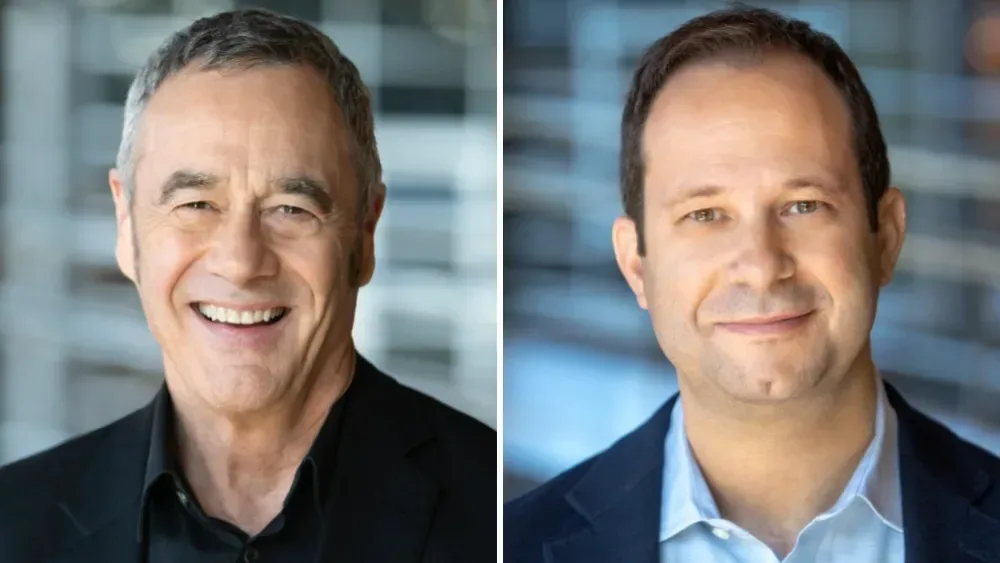
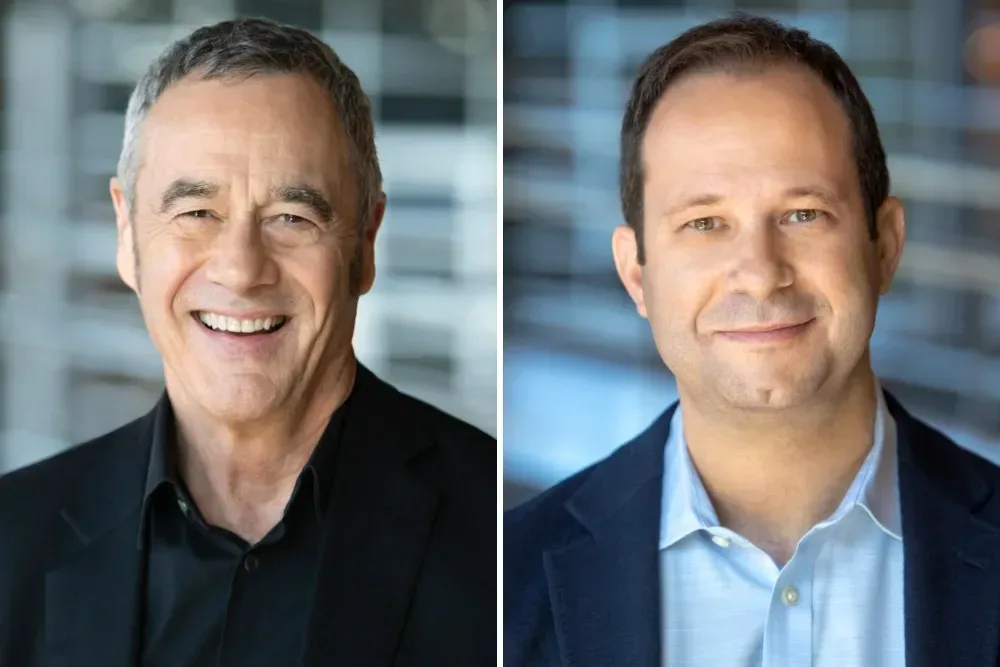
Pixar Animation Studios will begin 2027 with a new president. Jonathan Garson is set to take over the role on January 4, while longtime president Jim Morris moves into the position of president emeritus. The transition places Garson alongside Pixar chief creative officer Pete Docter, with Jonas Rivera also taking on an expanded creative executive vice president role.
The move is notable not simply because Pixar is changing presidents, but because it divides responsibility across a leadership group with deep studio experience. Garson will run production and operations; Docter remains the chief creative officer; Rivera will lead filmmakers and development. Morris, rather than leaving immediately, will continue on selected work, including serving as executive producer on Incredibles 3.
What changes on January 4, 2027
Garson will oversee Pixar’s production and operational side, including producers, department leaders and post-production. In plain terms, the president’s role is the organizational counterpart to creative leadership: helping ensure that a studio’s people, processes and productions are aligned as films move from development through completion.
That makes the partnership with Docter especially important. A chief creative officer is focused on the creative direction of a studio and its storytelling culture, while the president handles the broader business and production organization that supports those films. Pixar is formalizing a structure in which its creative and operational leaders work closely, rather than asking one executive to be the entire studio’s control room.
Garson has been at Pixar since 2010 and has worked with both Morris and Docter. Most recently Pixar’s general manager, he also previously led marketing and franchise work. His background means the incoming president has experience spanning the internal operation of the studio as well as how its films and characters are presented to audiences.
Both Garson and Morris will report to Alan Bergman, chairman of Disney Entertainment and Studios. The planned handoff comes as Morris prepares for eventual retirement after 52 years in the business, nearly 40 of them across Lucasfilm and Pixar.
Jim Morris remains involved at Pixar
“President emeritus” is an honorary senior role that allows an outgoing leader to remain connected to an organization without managing its daily operation. In Morris’ case, it is not merely a ceremonial title. He will continue as executive producer of Incredibles 3, currently slated for a June 2028 theatrical release, and will work on talent development, mentoring and technology initiatives supporting artists and storytellers across Pixar and Walt Disney Studios.
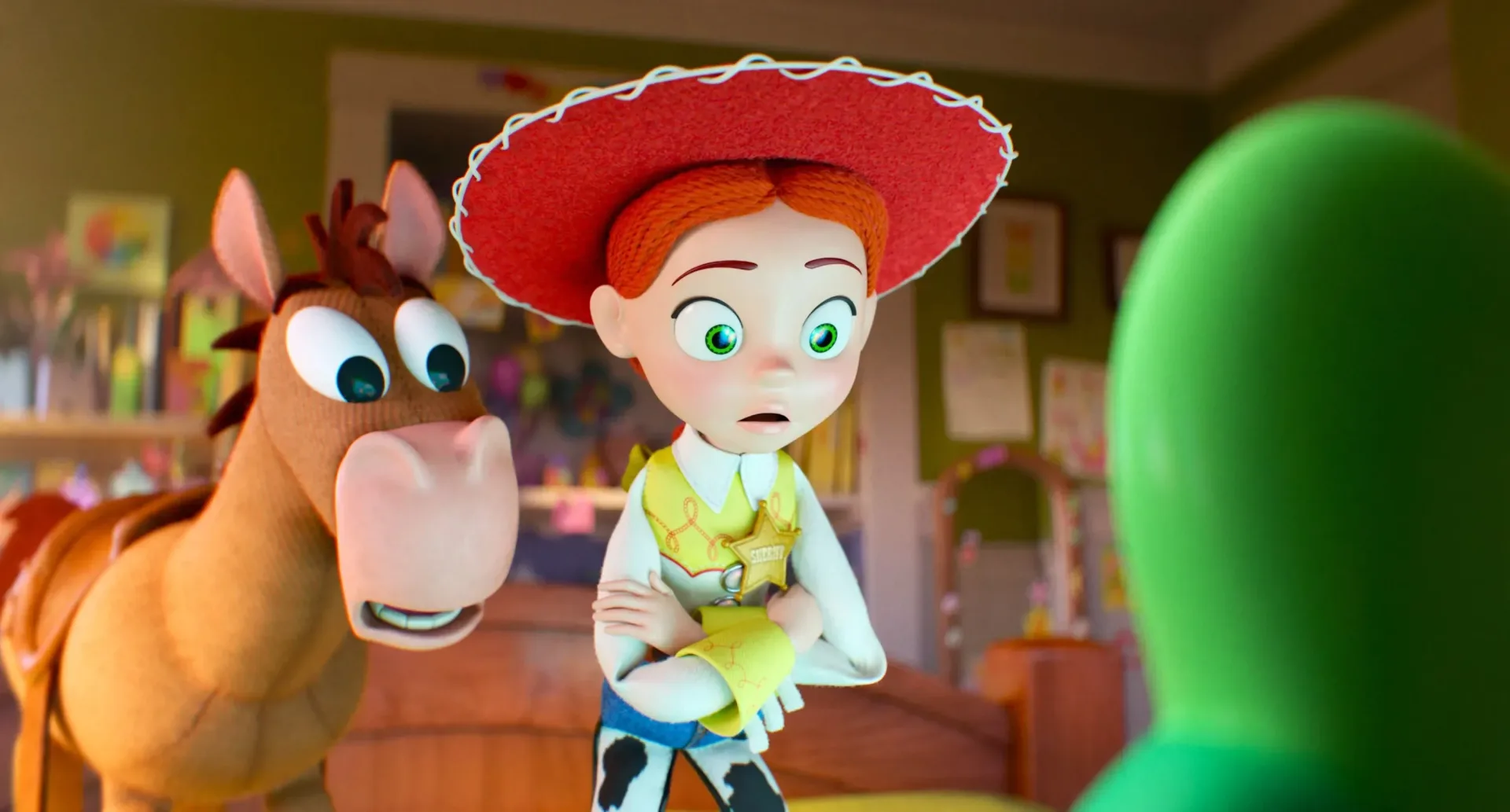
That continuation creates institutional continuity at a time when Pixar has major projects in motion. The studio most recently released the billion-dollar Toy Story 5, and it has original animated films Gatto and Ghost Market ahead. Morris’ remaining role on Incredibles 3 gives one of those future releases an experienced executive link to the prior leadership era.
Morris joined Pixar in 2005 following a substantial career at Lucasfilm and Industrial Light & Magic. At ILM, he served as general manager and later as president of Lucas Digital Ltd., overseeing visual-effects work on dozens of films. He became Pixar president in 2014, succeeding the studio’s first president, Ed Catmull.
During Morris’ presidential tenure, Pixar features generated more than $12 billion worldwide. Box office is not a full measure of a studio’s creative health, of course, but it does illustrate the scale at which Pixar operates. A large animation studio has to balance filmmaking, technology, long production cycles, franchise stewardship and the unpredictable business of theatrical release. Morris’ post-transition focus on talent and technology directly touches two of the areas that underpin that work.
“Leading Pixar has been the privilege of a lifetime,” Morris said, describing the studio’s artists, storytellers and technologists as people who continue to expand animation and cinema.
Jonas Rivera’s expanded creative assignment
Rivera’s new position is another key part of the change. As creative executive vice president, he will lead filmmakers and development, working with Garson and Docter. Development is the stage where projects and ideas are cultivated before a movie enters, or fully advances through, production. Putting Rivera in charge of that area signals that Pixar’s incoming structure is intended to connect the studio’s creative pipeline with its wider operational leadership.
Rivera’s Pixar history reaches back to 1994, when he was the company’s first production intern. He has worked on nearly every Pixar release since then. His credits include producing Up, which received a best picture nomination, and winning Oscars for Inside Out and Toy Story 4. He also executive produced Inside Out 2, described as Pixar’s largest global hit and among the biggest animated films ever.
Those credits matter because Rivera is stepping into a role concerned with filmmakers and development, not just a title reshuffle. His experience spans acclaimed originals, an established sequel and one of Pixar’s most commercially significant releases. It gives the new team a leader whose perspective is tied closely to the work that audiences ultimately see on screen.
Garson also pointed to production leadership led by Katherine Sarafian and Lindsey Collins, identifying a wider group that will help guide the studio. The emphasis on a team is practical: animated features take years of collaboration across story, design, animation, voice, technology and post-production. A studio transition can be disruptive when roles are unclear; here, Pixar has named defined areas of responsibility and leaders for each.
Why the leadership structure matters
For moviegoers, an executive transition usually does not alter the next trailer, release date or cast list overnight. Its relevance is longer-term. Studio leadership influences which projects receive support, how creative teams are managed and how resources are allocated across a slate. The effect is usually gradual, especially in animation, where productions can be underway for years.
Pixar’s plan suggests continuity more than a sudden reversal. Garson has been part of the studio for 16 years by the time the change takes effect and most recently served as general manager. Rivera has been with Pixar since its early years. Docter remains in the chief creative officer role. Morris will still contribute on Incredibles 3, mentoring and technology-related initiatives.
That does not mean the new arrangement is insignificant. A president with Garson’s marketing and franchise background may bring a broad operational viewpoint to a studio managing both familiar series and new films. Still, no specific strategy changes, new projects or release adjustments were announced alongside the appointments. The clearest confirmed takeaway is organizational: Pixar has mapped out who will run operations, who will lead creative development and how Morris will remain involved during the succession.
The leadership move also arrives with a mix of franchise and original work in Pixar’s stated lineup. Toy Story 5 represents one of the studio’s enduring series, while Gatto and Ghost Market are original animated films. Maintaining room for both kinds of projects is one of the ongoing challenges for a major film studio: franchises provide continuity with well-known characters, while originals are where audiences encounter entirely new worlds and ideas.
The practical takeaway for Pixar fans
- Jonathan Garson becomes Pixar president on January 4, 2027. He will oversee the studio’s production and operations.
- Jim Morris becomes president emeritus. He is stepping away from day-to-day leadership but will remain executive producer on Incredibles 3 and contribute to mentoring and technology efforts.
- Pete Docter stays chief creative officer. Garson will partner with Docter in the new leadership structure.
- Jonas Rivera’s creative role expands. He will lead filmmakers and development as creative executive VP.
- No new release plan was announced with the leadership news. The confirmed upcoming titles referenced are Gatto, Ghost Market and Incredibles 3, with the latter scheduled for June 2028.
For readers tracking how entertainment leadership can shape the games and media landscape more broadly, the industry side is often less visible than the final product but no less consequential. Pixar’s succession has been laid out as a measured handoff among executives with long ties to the studio, rather than a clean break. The practical test will come over time: in the projects Pixar develops, the teams it supports and the films that eventually reach theaters.
For another look at how major entertainment companies and audiences are navigating changes in adjacent media, read our report on physical copies still accounting for nearly a third of paid console games played.