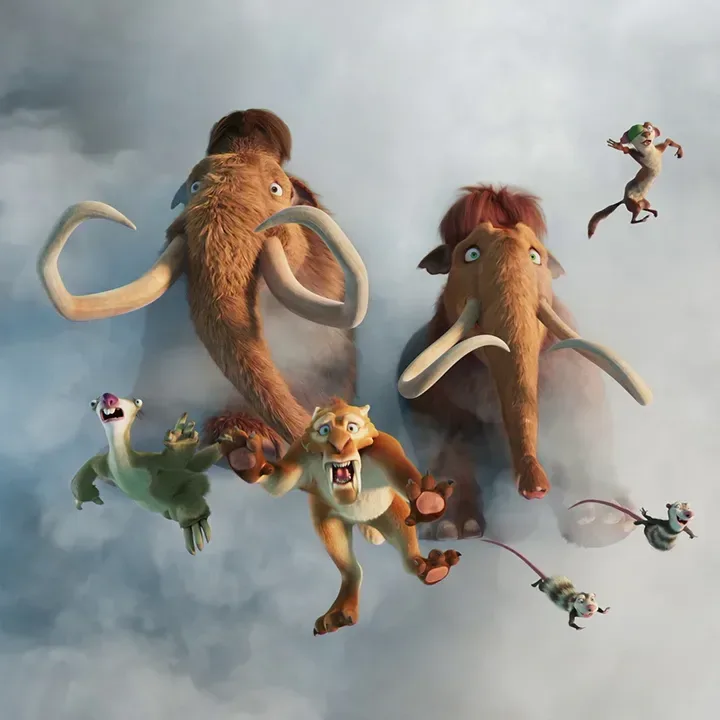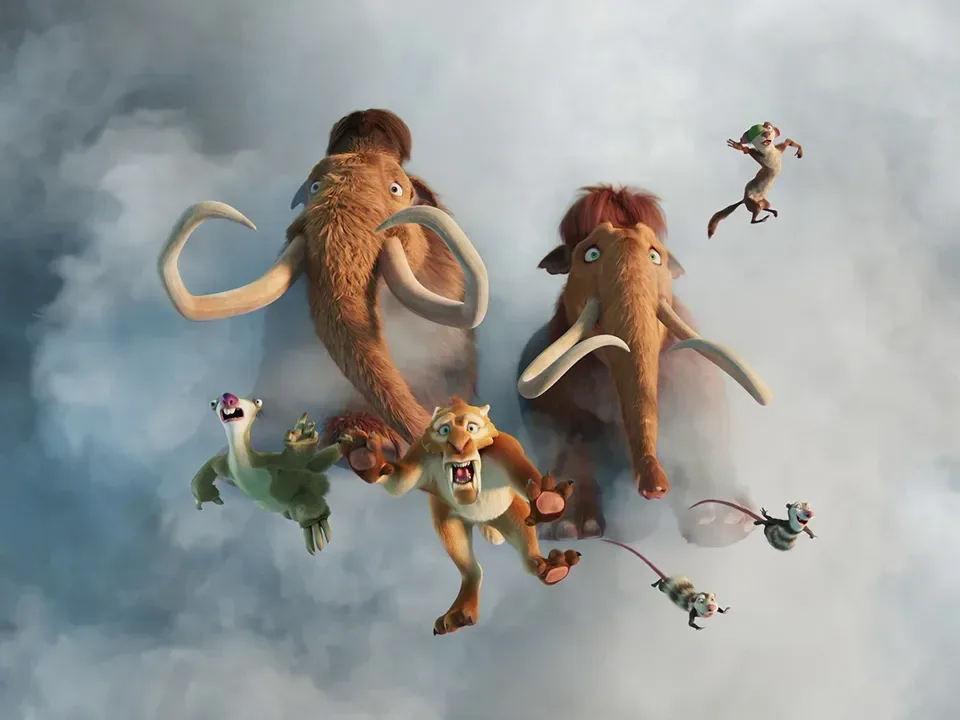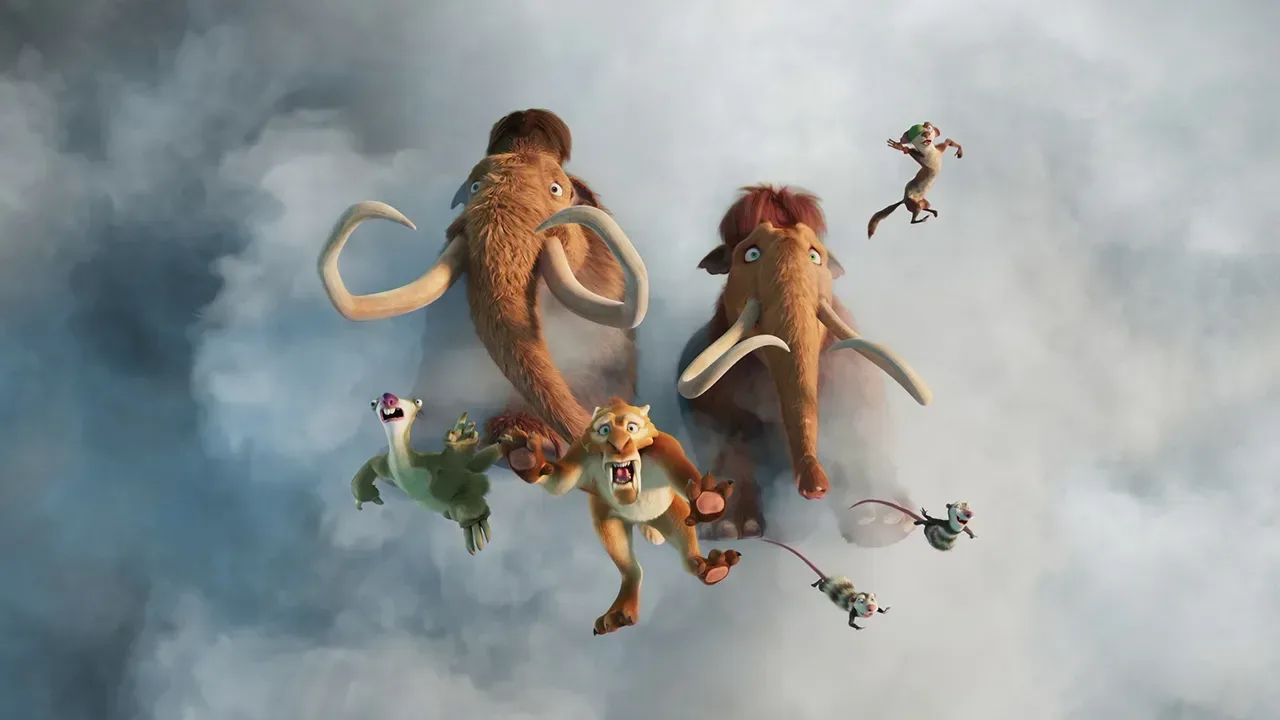
Netflix is set to carry a selection of Disney-owned movies and television series through a new nonexclusive licensing arrangement, starting with Percy Jackson and the Olympians and the full five-film Ice Age collection on October 4.
The arrangement gives Netflix viewers access to a mix of older library programming and current series that otherwise stream on Disney+. Crucially, it does not make Netflix a new home for every Disney brand. Major franchise pillars including Marvel and Star Wars are set to remain exclusive to Disney+, preserving a clear reason for audiences to subscribe directly to Disney’s service.
Percy Jackson arrives before its Disney+ third season
The first two seasons of Percy Jackson and the Olympians will land on Netflix ahead of the show’s Disney+ Season 3 debut, scheduled for November 20. That timing appears designed to turn Netflix’s substantially larger reach into a discovery window for the fantasy series, while keeping the newest season on Disney+.
For viewers, the setup is straightforward: Netflix will offer a chance to catch up on the existing episodes, but the next chapter will still require Disney+. For Disney, it is an opportunity to put a contemporary series in front of people who may not currently browse Disney+ — or who may only associate the service with its largest franchise brands.
That is the practical meaning of nonexclusive licensing. Netflix gets the right to carry specified titles, but Disney retains the ability to keep those programs on Disney+ as well. The companies are not combining libraries, and the deal should not be read as Disney+ abandoning the shows involved. It is a selective distribution arrangement rather than a change in ownership or a merger of services.
What Netflix is getting, and when
The first wave on October 4 includes two very different forms of family entertainment: the first two seasons of Percy Jackson and the Olympians and all five films in the 20th Century Studios Ice Age series.
More shows will follow between November and February 2027:
- Will Trent, Seasons 1 through 4
- Shifting Gears, Seasons 1 and 2
- Tracker, Seasons 1 through 3
In 2027, Netflix is also due to receive a selection of Walt Disney Animation and Pixar movies: Soul, Elio, and Raya and the Last Dragon. Complete series named for the later rollout include Felicity, This Is Us, Revenge, and Fresh Off the Boat. Specific availability dates for that group will vary by region, so a title’s presence in one territory should not be treated as confirmation that it will appear everywhere on the same day.
This is a discovery play, not a franchise handover
At a glance, a Disney-to-Netflix deal can sound like a surprising concession between competing streaming services. The title list makes the intended boundaries clearer. Netflix is getting useful, recognizable programming across animation, family movies, network drama, and catalog television. Yet Disney is retaining the properties most central to the identity of Disney+.
Marvel and Star Wars staying put matters because exclusivity is one of streaming’s primary subscription tools. An exclusive title can be watched only through one service; it gives a potential customer a reason to choose that subscription over another, at least for a period. By contrast, library series and previously released movies can often work as broad-reach programming. They can build awareness, find an audience that missed them the first time, and potentially encourage viewers to seek newer installments on the original platform.
Percy Jackson is the clearest example in this slate because the Netflix run is explicitly positioned before Season 3 opens on Disney+. Someone who samples or finishes the first two seasons through Netflix may become a prospective Disney+ viewer when the next season arrives. Whether that conversion happens at a meaningful scale is not established here, but the release order shows why Disney may see value in sharing selected programming without sharing its biggest exclusives.
The deal also underlines that streaming libraries are not static walls. A platform can still invest heavily in originals while licensing outside titles to fill gaps, appeal to different households, or give viewers another reason to stay subscribed. Netflix’s own lineup continues to include original series and animation such as Arcane, The Witcher, and Castlevania; adding licensed Disney-owned titles supplements that output rather than replacing it.
Why the Ice Age addition is particularly simple for viewers
All five Ice Age films arriving together removes the usual uncertainty around catalog franchises. Instead of receiving a single entry and discovering the rest are elsewhere, viewers will be able to watch the complete set on Netflix when the titles arrive. That makes the package a straightforward choice for families and for anyone looking to revisit the series in order.
It is also a useful contrast with Percy Jackson. Ice Age is a completed movie collection in this deal, while Percy Jackson and the Olympians is an ongoing series whose coming season remains a Disney+ destination. The two releases therefore serve separate purposes: one strengthens Netflix’s film catalog immediately, while the other can function as a catch-up point ahead of new Disney+ episodes.
What subscribers should and should not expect
Netflix members should expect the listed titles to arrive on the stated schedule where the deal applies, with later 2027 timing dependent on region. Disney+ subscribers should not expect the service to lose access merely because Netflix adds these programs; the agreement is nonexclusive. The important exception is geographic availability: streaming rights frequently differ by market, and the later releases have been described as region-dependent.
They should also avoid assuming that one licensing agreement opens the door to every Disney property. The programming named so far spans 20th Century Studios, Pixar, Walt Disney Animation, and television catalog titles, but Disney’s biggest branded franchises are specifically remaining on Disney+.
That distinction is especially relevant in a month where both services have their own separate draws. Netflix’s October lineup includes East of Eden, Animals, and Below, while Disney+ is preparing programming including VisionQuest, Barbarian, and American Horror Story: 13. The platforms will remain rivals competing for attention, even as this agreement makes part of Disney’s library available on Netflix.
For more on another television story with big questions still hanging over its ending, see our look at the unresolved questions after Lanterns Season 1.
The broader implication for streaming choices
The immediate consumer benefit is more straightforward access to a limited group of recognizable titles, particularly for Netflix households that do not also subscribe to Disney+. The limitation is equally straightforward: access to older seasons of a current show is not the same as access to every future season, and a few Disney-owned titles on Netflix do not erase the separate role of Disney+.
For Disney, selective licensing can create additional exposure for shows beyond its most famous brands while keeping Marvel and Star Wars as exclusive anchors. For Netflix, the agreement adds established films and series to a service that continues to develop its own originals. The result is not a dramatic redraw of the streaming map, but a notable example of two direct competitors finding room for a title-by-title business arrangement.
The first test arrives October 4, when Netflix adds Percy Jackson and the Olympians Seasons 1 and 2 alongside the five Ice Age movies. The more revealing milestone follows in November: whether the availability of those existing Percy Jackson seasons helps build attention for Season 3’s Disney+ premiere on November 20.