Paramount’s proposed takeover of Warner Bros. Discovery has cleared its final stated legal barrier after U.S. District Judge Araceli Martínez-Olguín approved a settlement between Paramount and the 12 Democratic state attorneys general that had sought to stop the deal.
Paramount has tentatively scheduled the closing for Tuesday, Oct. 6, in regulatory filings. If completed, the debt-fueled transaction is valued at $111 billion and would combine two major Hollywood studios, a huge portfolio of television networks, the HBO Max and Paramount+ streaming services, and franchises with significance well beyond film and TV. For audiences who follow entertainment through games, adaptations and fandom culture, that means the corporate home of DC, Harry Potter, HBO’s Game of Thrones, Mission: Impossible, Top Gun, Yellowstone and Nickelodeon would sit inside one company.
The combination had already been cleared by regulators in 68 jurisdictions, including the Justice Department. The settlement approval resolves litigation brought by the states, although it does not erase every objection that was raised during the case. The result is a compromise: the merger may proceed under conditions focused on theatrical output, production investment, studio properties, cable negotiations and journalistic independence rather than a forced sale of major assets.
What the court approved
The states’ antitrust challenge identified competition concerns in wide-release movies, tentpole movies and basic cable. Tentpole movies are the expensive, high-profile releases that studios build major release calendars and marketing campaigns around. Wide release generally refers to a film opening broadly in theaters rather than beginning in a limited rollout. Basic cable, meanwhile, is the traditional bundle of ad-supported cable channels rather than a subscription streaming service.
Judge Martínez-Olguín found that the consent decree was a reasonable factual and legal resolution of the dispute, and that the negotiating process was procedurally sound. She emphasized that the agreement followed contested, if brief, litigation and multiple reported rounds of detailed talks.
A consent decree is a court-approved settlement. It is not the same as a ruling after a full trial that decides every factual and legal question in the dispute. In this case, that distinction mattered: the court described the agreement as a compromise that avoids the time, expense and uncertainty of litigation, even if it does not deliver every outcome sought by critics, the states or Paramount.
The agreement does not require structural remedies at the outset. In merger language, a structural remedy usually means requiring companies to sell businesses or assets—known as divestitures—to preserve competition. California Attorney General Rob Bonta had previously pressed for divestitures, but none are required immediately under the settlement.
However, the judge wrote that the decree contains backstops that can require divestiture of studios and/or cable channels if the combined company fails to comply with its terms. That is a significant enforcement concept: the businesses are not being separated before the deal closes, but failure to meet binding conditions could have asset-sale consequences later.
The obligations attached to the deal
The settlement puts several measurable commitments around a merger whose scale has concerned theater owners, workers, viewers and merger opponents.
- The combined company cannot sell the Paramount Studios or Warner Bros. studio lots in California for at least five years.
- It must invest at least an additional $300 million in U.S. film production annually.
- It must theatrically release at least 30 films during each of the first two years.
- It must release at least 32 movies theatrically in years three through five.
- Wide-release films must receive a 45-day theatrical window.
- CNN and CBS News will be monitored by a news editorial independence board that will set guiding editorial and journalism principles.
The theatrical provisions are the clearest practical commitments for moviegoers. A theatrical window is the period in which a movie plays exclusively in cinemas before becoming available through other distribution routes, such as digital rental, purchase or streaming. The decree’s 45-day requirement for wide releases provides a defined minimum cinema period rather than leaving every major title solely to the discretion of a newly combined company.
The release targets also matter because the states’ concerns included the possibility that one combined studio might distribute fewer films than two separate competitors. Paramount has argued that the settlement addresses that issue, while David Ellison has repeatedly pledged a larger theatrical commitment. The conditions convert part of that broad assurance into specified thresholds covering the first five years after the merger.
Still, these are output requirements, not a promise about which franchises receive films, the size of each production, their creative approach, or how individual releases perform. The available terms establish a floor for theatrical distribution and a minimum window for qualifying wide releases; they do not offer a public roadmap for every label, character or property in the new company’s library.
A much larger entertainment portfolio
The combined business would bring Paramount and Warner Bros. under one corporate roof, along with HBO Max and Paramount+. Its TV holdings would include CBS, CNN, MTV, TBS, Comedy Central and Food Network, among others.
That breadth is why the transaction reaches beyond a conventional studio merger. Warner Bros.’ side of the ledger includes the DC Universe, Harry Potter and HBO properties such as Game of Thrones. Paramount contributes franchises including Mission: Impossible, Top Gun, Yellowstone and the Nickelodeon kids’ portfolio. Those are valuable entertainment brands across film, television, licensing and consumer culture, even though the settlement itself is about competition and distribution conditions rather than a newly disclosed cross-franchise strategy.
For games-adjacent audiences, DC and Harry Potter are especially notable as properties that already have substantial cultural footprints beyond their screen origins. But the merger approval should not be mistaken for a game announcement. No plans for new game projects, platform arrangements, adaptations or crossovers were included in the terms described here. The immediate change is corporate ownership and control, not a confirmed slate of interactive releases.
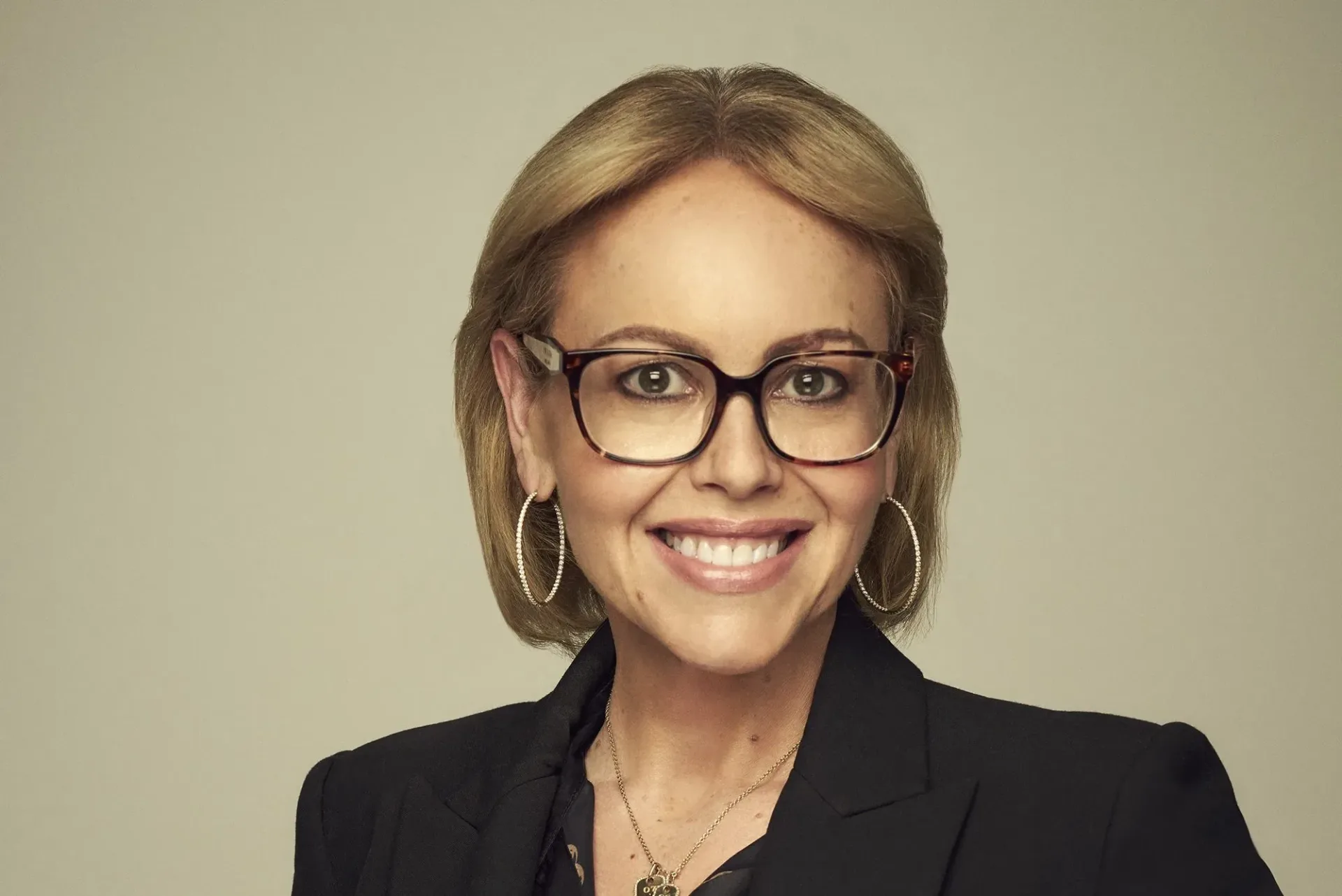
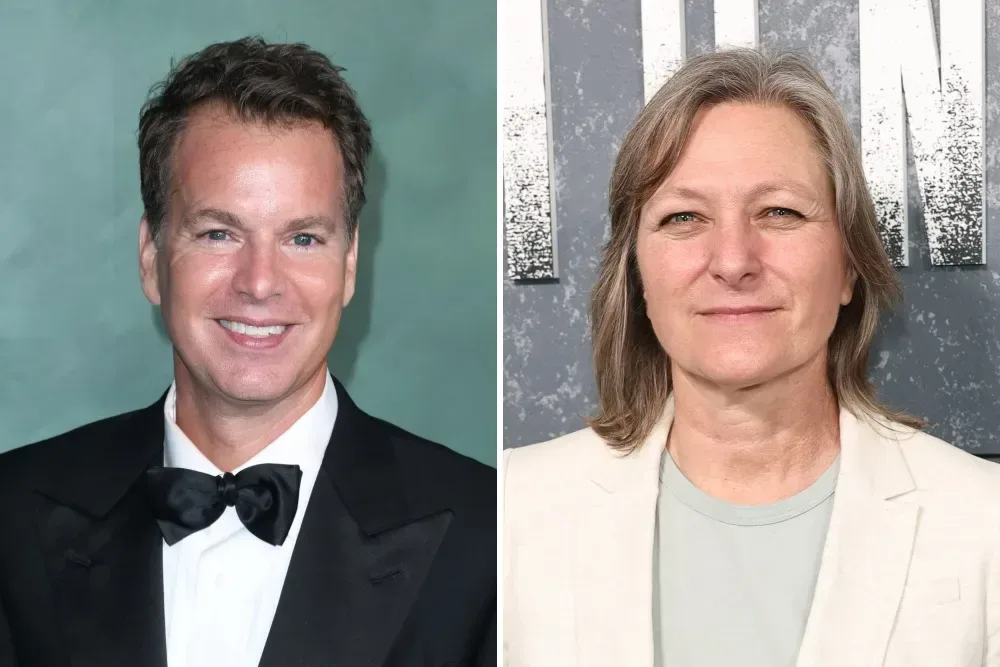
The newly combined streaming operation is also beginning to take shape at the executive level. Casey Bloys, who leads WBD’s HBO business, is poised to oversee the combined Paramount-Warner streaming business. That development follows Cindy Holland’s decision to step down from her Paramount role overseeing Paramount+ and other direct-to-consumer operations.
Streaming is often described as direct-to-consumer, or DTC, because the service sells subscriptions directly to viewers rather than primarily through a cable or satellite distributor. HBO Max and Paramount+ would become part of the same corporate portfolio, but no specific service consolidation, pricing change, content migration or product timetable was announced in the information surrounding the settlement. That uncertainty is important: ownership integration and consumer-facing integration are related, but they are not automatically the same event.
Leadership changes already emerging
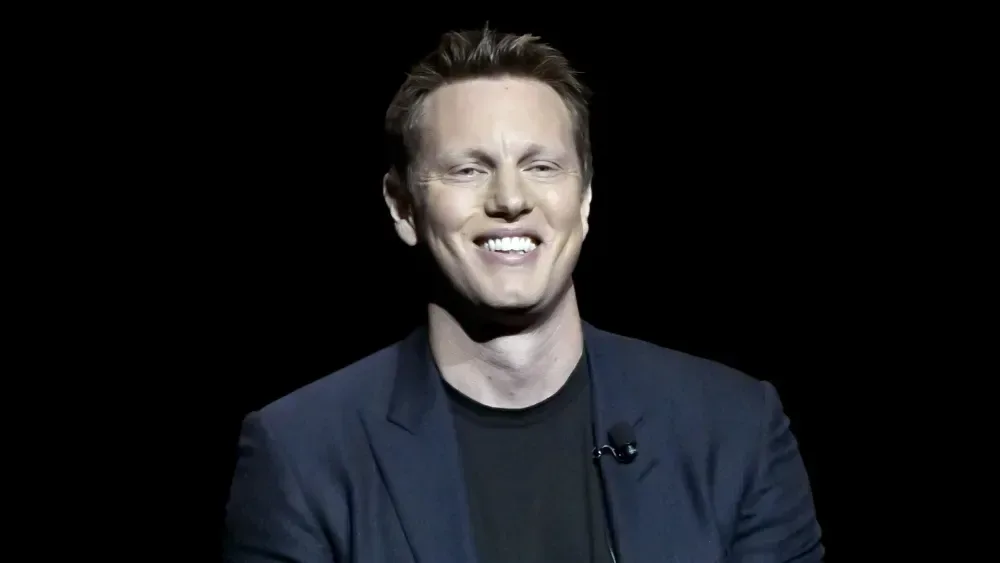
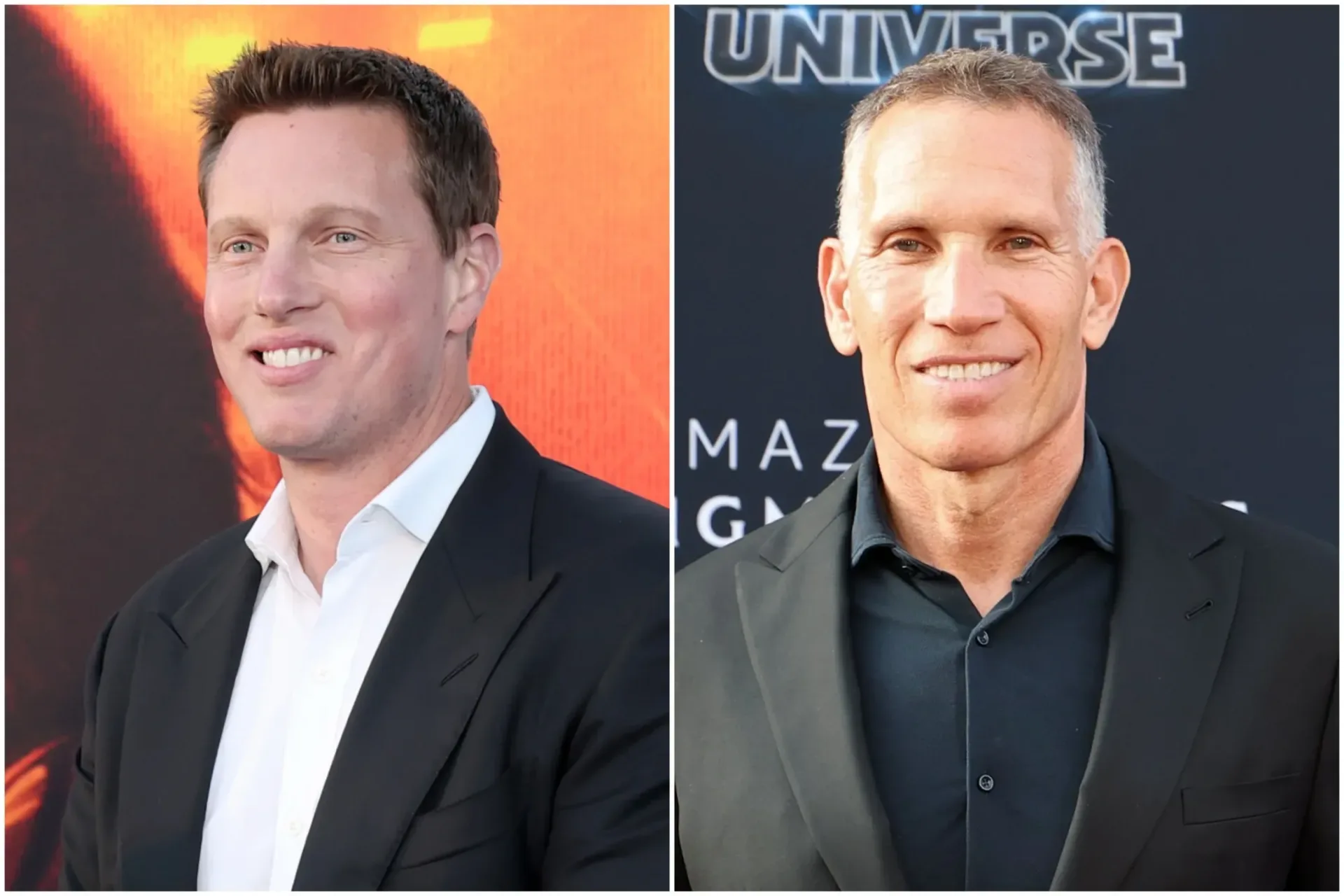
David Ellison is set to lead the combined operation alongside Ynon Kreiz, who is stepping down as Mattel’s CEO to become co-CEO. The companies’ businesses will jointly report to Ellison and Kreiz. The name of the merged company has not yet been disclosed.
Warner Bros. Discovery CEO David Zaslav is expected to leave once the deal closes. He is set to receive more than $550 million in stock and cash upon closing, including $34.2 million in cash severance payments. Chief revenue and strategy officer Bruce Campbell and chief financial officer Gunnar Wiedenfels are also anticipated to exit.
Those changes illustrate the difference between clearing a deal and operating the merged company. Court approval resolves the immediate legal obstacle, but consolidation still requires decisions about management layers, reporting structures and the priorities of businesses that have historically competed with one another. The reported leadership outline offers some early answers—Ellison and Kreiz at the top, Bloys poised for the combined streaming group—but it does not detail the full organization.
Corporate transitions are often accompanied by uncertainty for employees and creative partners, especially where two companies contain overlapping studio, streaming, network and administrative functions. The supplied settlement terms establish production and release commitments, but do not lay out staffing plans or broader integration decisions.
Why objections did not stop the settlement
The judge approved the decree after opponents filed formal objections. The #BlockTheMerger coalition urged the court to reject it. The League of United Latin American Citizens argued in a filing that one combined company could invest less in productions about Black and Latino communities than two independently competing studios would.
Sen. Cory Booker also asked the court to seek an independent public-interest review before entering the decree. Paramount and the attorneys general opposed that additional review, arguing that the agreement had been vigorously negotiated and contained enforceable provisions.
Connecticut Attorney General William Tong had pushed for full divestiture of CNN and CBS News and expressed disappointment that the settlement did not go further. The court acknowledged meaningful grounds for disappointment, but concluded that preferences for more expansive terms were not legal grounds to reject the negotiated resolution.
That reasoning is central to understanding the ruling. A judge reviewing a consent decree is not necessarily selecting the most aggressive imaginable remedy. The court instead considered whether the settlement was fair, reasonable, made in good faith and consistent with law and public policy. Martínez-Olguín concluded that it met that test.
The editorial-independence provision will remain a closely watched component because the merged company would own both CNN and CBS News. The agreement calls for a board to monitor those organizations and establish guiding principles for editorial and journalism practices. It does not amount to the divestiture some critics sought, but it is a specific governance mechanism added to the settlement.
Financing, ownership and the next milestone
The scale of the transaction is underpinned by major financing commitments. Larry Ellison, Oracle’s founder and David Ellison’s father, has personally guaranteed $46.7 billion in equity financing for the Warner Bros. Discovery takeover. Paramount has also lined up roughly $24 billion in commitments from the sovereign wealth funds of Saudi Arabia, Qatar and the United Arab Emirates. Paramount says those three funds will own 38.5% of the combined Paramount-Warner Bros.
The proposed Oct. 6 closing is tentative, so the deal should be described as nearing completion rather than already finished. But the court’s settlement approval removes the last stated barrier after regulatory clearance across 68 jurisdictions.
For the entertainment business, the key near-term questions are no longer whether this particular state challenge will block the deal, but how the commitments will be implemented and monitored: whether the annual production investment reaches the required level, whether theatrical release targets are met, how the 45-day window works across wide releases, and how the editorial-independence board functions in practice.
For viewers, franchise fans and the wider media sector, the approved merger creates a single corporate center for an unusually wide set of studios, channels, streamers and brands. The consent decree provides guardrails around several major concerns. It does not settle the creative, programming and operational choices the new leadership will make once the combination closes. For more on the changing media-business landscape, see recent executive movement in entertainment television.