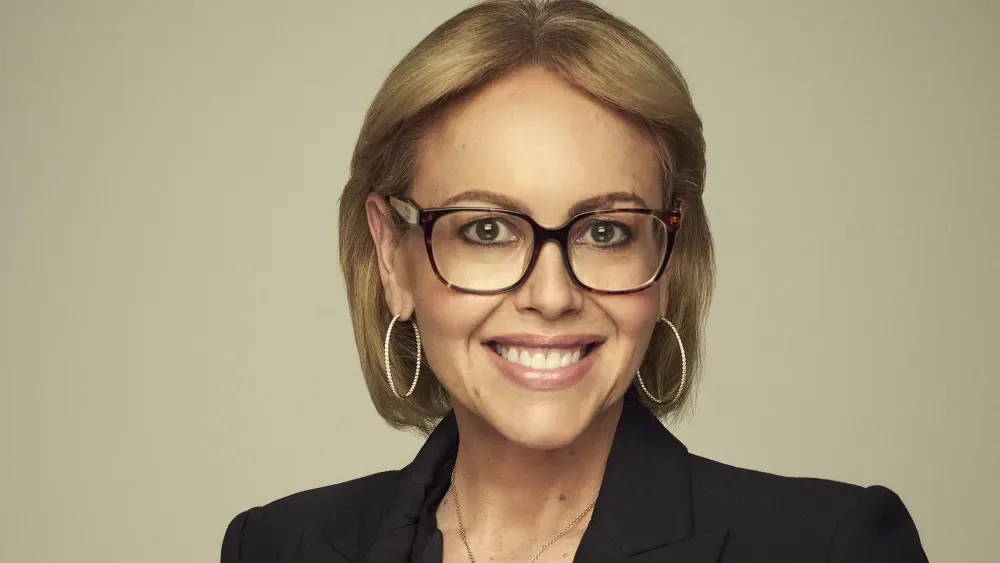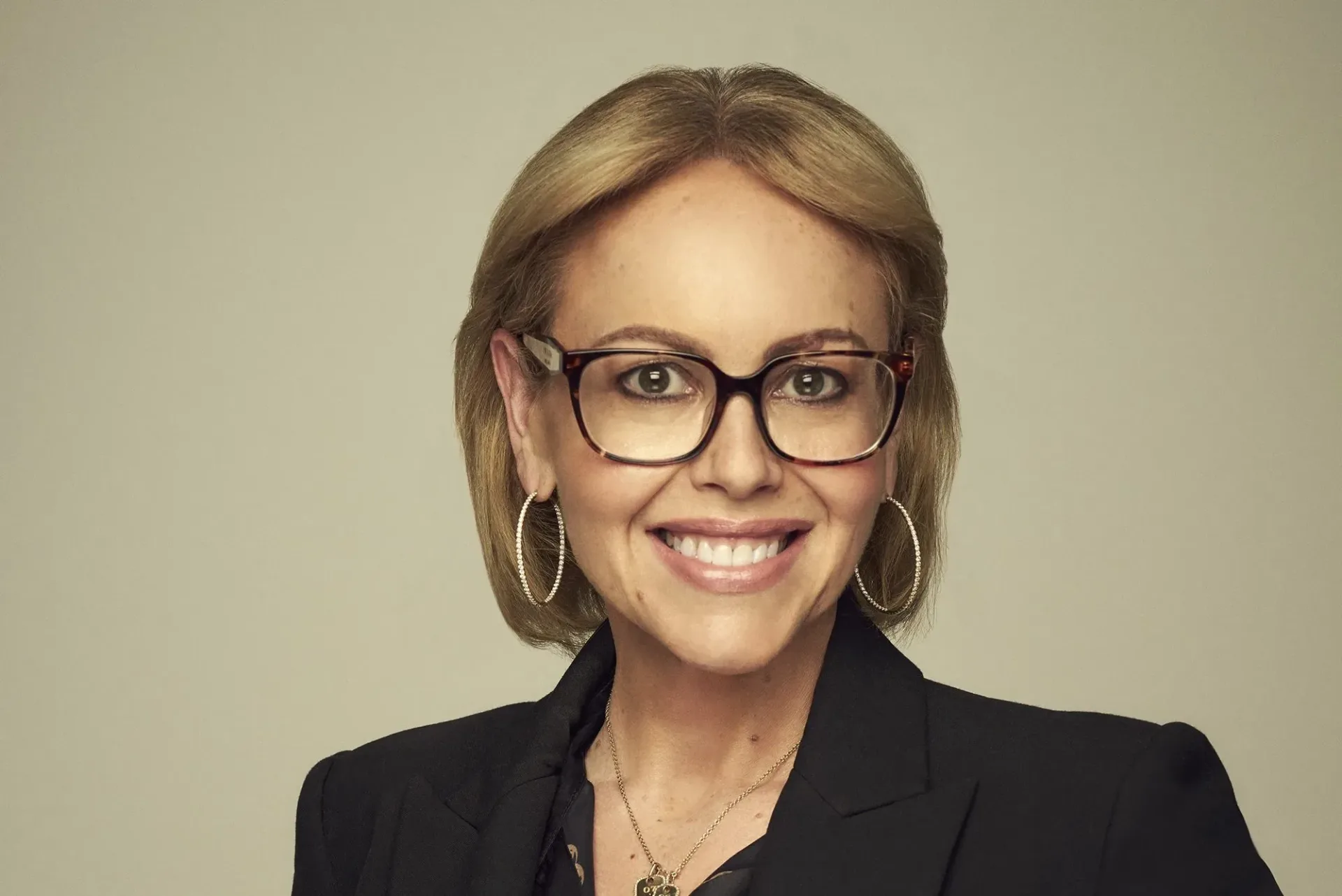
Naomi Bulochnikov-Paul is leaving Disney Entertainment Television after eight years at the company, where she most recently served as executive vice president of communications. In a note to employees, Bulochnikov-Paul said she is departing to pursue a new opportunity.
Her remit has been unusually broad. Bulochnikov-Paul led communications across ABC Entertainment, ABC News, Disney Kids & Family, Disney Television Studios, FX, Hulu Originals and National Geographic Content. Her portfolio also included platform distribution and Disney Global Advertising, placing her at the center of messaging for a wide range of Disney television brands and businesses.
Disney Entertainment Television chairman Debra O’Connell praised Bulochnikov-Paul’s work and the communications organization she built, describing her as a trusted strategic partner to leadership. O’Connell said her expertise had been important as the group navigated a consequential period of change.
A senior communications departure amid broader TV changes
The exit arrives while Disney’s television operations are undergoing a series of leadership and organizational shifts. Eric Schrier recently moved from leading international originals into a production pact. Adam Smith assumed full oversight of direct-to-consumer operations, while Joe Earley moved into the new position of president of Disney Entertainment Television franchise and content strategy.
O’Connell, a newer chairman of Disney Entertainment Television, is also considering additional structural changes in the weeks ahead. That context naturally makes any senior departure notable. Still, the information provided makes an important distinction: Bulochnikov-Paul’s decision to leave was described as voluntary and unrelated to the current restructuring.
That distinction matters because a communications leader’s departure can easily be read as a signal about a company reorganization, particularly when the business is actively changing how responsibilities are divided. Here, the stated situation is narrower: a longtime executive is leaving for a new opportunity, while the organization around her continues to evolve on its own timetable.
What a communications chief does in a TV organization
Communications can sound like a catch-all term, but at a large entertainment group it encompasses work with several very different audiences. Publicity and corporate communications teams help explain programming and business decisions to press, industry partners, advertisers, viewers and employees. They also coordinate how leadership, creators and brands speak about their work.
For a portfolio that includes broadcast, cable, streaming, studios, news and advertising operations, that work is more than promoting a single show. It means aligning a message across properties that can have different business models, creative identities and audiences. ABC, FX, Hulu Originals and National Geographic Content, for example, are distinct brands, yet each exists within the same larger entertainment organization.
A senior communications executive also has a role in executive communications: preparing and shaping the messages associated with company leaders. Bulochnikov-Paul handled executive communications for Dana Walden during Walden’s tenure as Disney Entertainment co-chairman. This side of the work is less visible to viewers than a trailer campaign or a cast interview, but it is central when an executive organization is managing changes, setting priorities or explaining its direction internally and externally.
In practical terms, the communications function is often responsible for making complex developments understandable without flattening the important details. During a structural transition, that can mean clarifying who oversees a particular area, what a newly created role is intended to cover and which operations remain unchanged. The function does not make the strategy itself, but it helps ensure that the strategy is communicated consistently.
From Freeform to a company-wide remit
Bulochnikov-Paul initially joined Disney as vice president of communications at Freeform. She later became senior vice president of publicity and communications for ABC Entertainment, before her responsibilities widened across Disney Entertainment Television.
That progression traces a path from communications work focused on an individual Disney network to oversight that touched nearly every major part of its television operation. It also reflects why continuity in a senior role can be valuable: an executive who has worked across multiple brands understands both the individual identities of those brands and the practical relationships between their teams.
Before Disney, Bulochnikov-Paul began her career at MTV Networks and held communications positions at Netflix, Sony Pictures Television and Current TV. The supplied background does not specify the responsibilities or dates of those prior jobs, but the list indicates experience across legacy television, streaming and studio environments.
Those distinctions are meaningful in a general sense. A television studio’s communications priorities may revolve around productions and the partners carrying them; a streaming service must address its platform identity and originals; a network presents a schedule and a brand directly to audiences and advertisers. Disney’s own portfolio contains elements of all those worlds, so a communications chief with experience in several parts of the business brings a useful range of perspective.
Messages of appreciation from both sides
Bulochnikov-Paul’s note focuses heavily on the team she led. She credited staff with supporting leaders and creators, helping programs and stories break through culturally, and meeting difficult moments with creativity, judgment and resilience. She also thanked Walden, Paul and O’Connell for their leadership, support and mentorship.
Her description of Disney as the place where she was professionally raised conveys the scale of the eight-year chapter, while her appreciation for colleagues emphasizes that internal relationships are a major part of a role built around coordination. Communications teams routinely work across creative, executive, production, distribution and advertising functions. Their effectiveness depends on trusted working relationships as much as formal reporting lines.
O’Connell’s message similarly points to Bulochnikov-Paul’s leadership and the reliability of the communications team. She said the organization had come to depend on that team’s judgment and characterized Bulochnikov-Paul as a thoughtful leader and important communications strategist.
The paired notes do not identify a successor, a transition date or the destination of Bulochnikov-Paul’s next role. Those are therefore open questions. Nor do the messages lay out any change to the scope of the communications organization after her exit. For now, the clear facts are that Bulochnikov-Paul is departing, the move is characterized as her own decision, and Disney Entertainment Television is operating during a larger period of management realignment.
Why this matters beyond one executive role
For audiences, changes in communications leadership do not immediately alter what appears on a streaming-service home page or arrives in a broadcast schedule. The relevance is indirect, but real. Large entertainment organizations rely on communications teams to introduce new series, articulate brand priorities, support creators and translate internal decisions into clear public information.
That work becomes particularly visible when the business changes. Disney Entertainment Television has recently reassigned responsibilities in international originals, direct-to-consumer operations, and franchise and content strategy. “Direct-to-consumer” refers to entertainment delivered straight to the viewer through a service rather than through a traditional intermediary such as a cable distributor. “Franchise and content strategy,” meanwhile, points to planning around established brands and the broader use of content, though the supplied information does not spell out the remit of Earley’s new job beyond its title.
Communications sits alongside those shifts by giving employees, partners and the public a coherent account of who is responsible for what. That is not the same as controlling the operational decision, but it is essential to how a company’s decisions are understood.
Disney’s broad television lineup also makes the role more complex than a conventional publicity post. A campaign for a scripted series, an update involving a distribution platform and messaging for an advertising organization each reach different stakeholders. The executive overseeing communications must balance those needs while maintaining distinct brand voices. Bulochnikov-Paul’s organization covered all of those areas.
As Disney’s TV business continues to refine its structure, the next key operational question will be how those communications duties are allocated following her departure. No answer has been announced in the supplied information, and it would be premature to assume one. What is known is the breadth of the portfolio that will require continued leadership and coordination.
For more on the broader media-business questions surrounding digital platforms and shifting access models, see this look at Reddit’s planned Old Reddit and RSS changes.
What has and has not been disclosed
- Confirmed: Bulochnikov-Paul is leaving Disney after eight years and says she is pursuing a new opportunity.
- Confirmed: Her latest title was executive vice president of communications for Disney Entertainment Television.
- Confirmed: Her responsibilities covered communications for a major group of Disney entertainment brands and functions, including ABC, FX, Hulu Originals, National Geographic Content, distribution and advertising.
- Confirmed: Her exit has been characterized as voluntary and not connected to Disney’s current restructuring.
- Not disclosed: The identity of her next employer or the specific opportunity she will pursue.
- Not disclosed: A named successor, an exact departure timetable or a detailed replacement plan for her role.
Bulochnikov-Paul leaves with Disney Entertainment Television’s leadership structure still in motion. Her own message frames the departure as a grateful farewell to a team she led through demanding moments, while O’Connell’s response underscores the value Disney placed on her strategic counsel and on the organization she developed. The next public update will likely be less about the farewell itself than about how Disney assigns responsibility for one of its most wide-ranging communications portfolios.