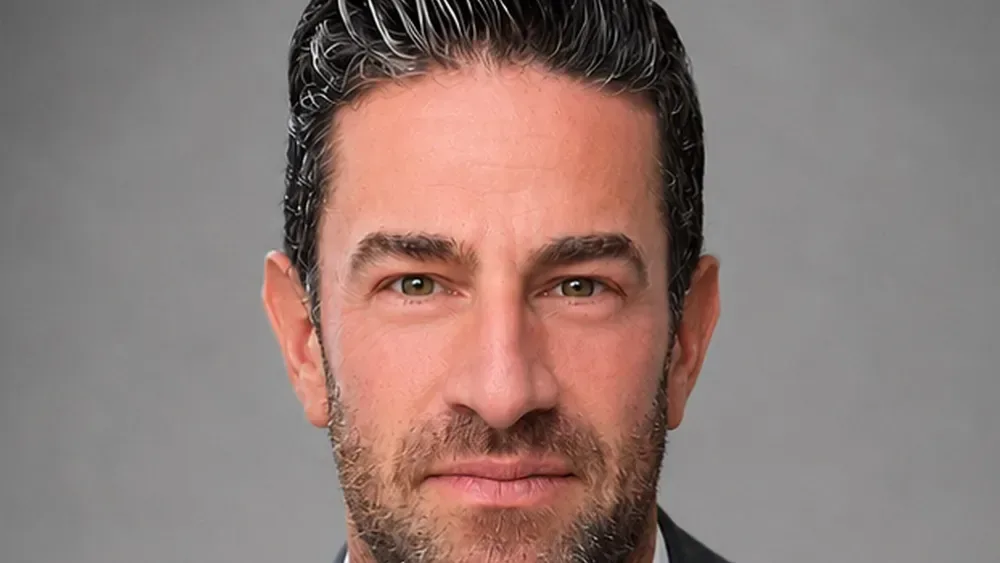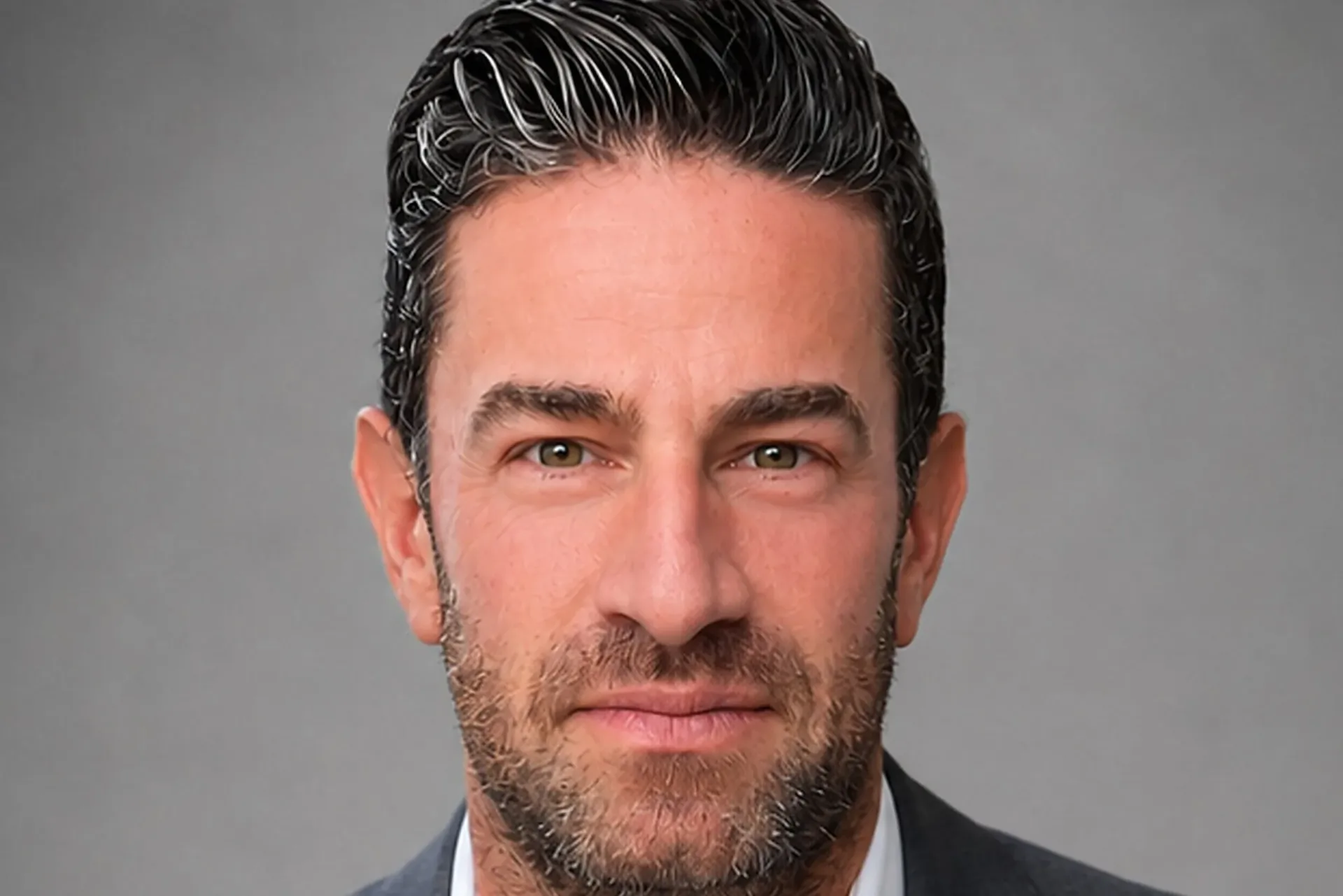
Dan Silberman has moved from television communications into the AI-services business, joining Sol as head of marketing and communications after 20 years at A+E Global Media. The New York-based executive will report to Sol managing partner Kaan Aslansan and remain based in New York.
The appointment puts an experienced media-brand communicator at a company focused on implementing AI workflows for organizations. Sol’s stated work spans agentic AI systems, workflow modernization and workforce transformation, with activity across media, entertainment, adtech, state and local government, and education.
For the game industry and adjacent entertainment businesses, the story is not that a new consumer AI product has been announced. Rather, it is a signal of where competition around AI adoption is moving: from the technology itself to the practical, organizational work of explaining, integrating and governing it. Companies selling AI implementation increasingly need to make a clear case for what changes, who benefits and how a workflow can be introduced without losing control of a brand or its operations.
Silberman’s new remit at Sol
At Sol, Silberman will lead the firm’s brand, marketing and communications strategy. His responsibilities include positioning and narrative, earned media, content and thought leadership, digital presence, internal communications and reputation management.
Those terms cover distinct jobs that can become especially important for companies working in AI:
- Positioning and narrative means defining what a company does, whom it serves and why its approach differs from alternatives. In a crowded AI market, that explanation can matter as much as a list of technical capabilities.
- Earned media refers to independent editorial attention rather than paid advertising. It depends on communicating news, expertise and business relevance in a way that is credible to reporters and industry audiences.
- Thought leadership is the process of making a company’s specialists visible through analysis and public-facing expertise. It is not a product feature; it is a communications strategy intended to establish authority in a field.
- Internal communications concerns how employees understand a company’s priorities and changes. That function is particularly consequential when technology initiatives can affect established roles and daily processes.
- Reputation management is the long-term work of protecting trust and responding when questions or criticism arise. AI deployments can prompt concerns about quality, accountability and workforce implications, so the way a firm communicates its approach can be central to adoption.
Aslansan said Sol had been built on delivery and was now investing in making its work better known. He pointed to Silberman’s experience building and defending brands under significant public scrutiny, describing that background as suited to the company’s next growth phase.
A television communications career moving into AI implementation
Silberman leaves A+E Global Media after two decades there and has spent more than 25 years in television overall. At A+E Global Media, he oversaw media relations, corporate and internal communications, crisis management, social strategy and talent relations across the A&E Network, History Channel, A+E Factual Studios and A&E Indie Films, among other operations.
Earlier in his career, Silberman worked at Rubenstein Communications in New York and later joined Bravo Media. At Bravo, he helped the network’s evolution into a pop-culture destination during the period that included early hits Queer Eye for the Straight Guy and Project Runway.
That experience is relevant to Sol’s stated sectors in a straightforward way. Media and entertainment companies must often communicate with several audiences at once: consumers, creators, talent, commercial partners, employees and the press. A technology consultancy serving those businesses likewise needs a message that can address strategic leadership while still making sense to operational teams who would use new systems.
Silberman framed the shift around the importance of the story attached to a company’s work, saying his years in television taught him that attention follows the way work is presented, not solely the work itself. He said Sol is competing with firms several times its size and winning, and that he intends to make the company a name potential clients recognize before discussions begin.
What Sol means by AI workflow modernization
Sol describes its work with three connected phrases: agentic AI systems, workflow modernization and workforce transformation. The terms can sound broad, so it is useful to separate what each one indicates.
Agentic AI systems
An agentic AI system is generally an AI setup designed to pursue a task through a sequence of actions rather than simply return a single response to a prompt. In the context provided, Sol identifies these systems as part of its service focus, but no specific client deployment or product details have been disclosed.
The important distinction is between a standalone answer and a system integrated into a broader process. An organization considering such systems would need to decide where automation fits, what inputs it can access, how people review its output and who remains accountable for decisions. Those implementation questions are where a workflow-focused business can differ from a company that only offers a model or a general-purpose tool.
Workflow modernization
Workflow modernization refers to updating how work moves through an organization. That may involve replacing repetitive steps, connecting disconnected processes or changing how teams share information. Sol’s description establishes workflow modernization as a core focus, but it does not specify individual functions it has changed for particular clients.
For creative and technology industries, a workflow is more than a checklist. It can include approvals, handoffs, asset management, scheduling, customer support, marketing coordination and reporting. Any proposed modernization therefore has practical communication needs: stakeholders need to understand the intended outcome, which processes are changing and how responsibilities are being handled.
Workforce transformation
Workforce transformation is the people side of operational change. It can involve new skills, adjusted roles and different expectations about how teams use technology. Sol includes it among its areas of focus, without offering further details about programs or outcomes.
That makes internal communications a natural part of Silberman’s assignment. The public narrative around AI may attract attention, but employees also need a clear explanation of why a company is implementing a system and how the change relates to existing work. In sensitive areas, the absence of a clear internal message can create confusion even when the underlying technology is capable.
Why communications has become part of the AI implementation conversation
Silberman’s move does not establish a wider industry trend by itself, but the role’s breadth illustrates how AI consultancies are presenting themselves beyond purely technical credentials. Sol is assigning one executive responsibility for its external brand, media profile, digital presence, reputation and internal communications.
That combination makes sense for an implementation firm. A buyer has to understand not only what a system is meant to do, but also whether the adviser can communicate with leaders and operational teams. In media, entertainment and adtech in particular, any AI initiative may sit close to a company’s public identity and creative processes. Clear language is not a substitute for delivery, but it can determine whether decision-makers can evaluate what is actually being offered.
Silberman’s background also includes crisis management, a function that is distinct from promotion. Marketing seeks attention; crisis work prepares an organization to communicate under pressure. Having both disciplines in one leadership role suggests Sol wants a consistent voice when presenting its growth, expertise and operational approach.
For gaming businesses watching the broader entertainment technology space, the most immediate practical takeaway is to look past umbrella terminology. “AI” can describe many different ideas, while an implementation proposal should identify the workflow at issue, the role of staff, the intended result and the communications plan around the change. Sol’s work is framed around those organizational layers, and Silberman has been hired to help define that case publicly.
The move also connects to the continuing overlap between entertainment communications and game-industry operations. Leadership transitions and organizational policy decisions routinely require careful messaging, as seen when the ESRB announced its leadership transition. AI implementation brings a different set of questions, but the underlying communications challenge is familiar: explain a change precisely, establish who is responsible and make the organization’s direction understandable to the people affected by it.
What has and has not been announced
Sol has announced Silberman’s hiring as head of marketing and communications, his reporting line to Aslansan, his New York base and the areas he will oversee. It has also identified the sectors in which it focuses its AI-related work.
No new game, entertainment title, AI product, client contract, pricing structure or specific deployment has been detailed in connection with the appointment. As a result, the clearest reading is that this is a leadership and company-positioning move rather than a direct announcement of new technology for consumers or game developers.
Silberman’s arrival nevertheless gives Sol a communications leader with a long record in television brands, talent-facing work and high-stakes corporate messaging. For a firm seeking to expand recognition around its AI implementation work, that experience is directly aligned with the stated assignment: make the business’s delivery, narrative and reputation more visible in the markets it serves.