One of the biggest questions hanging over the newly combined Skydance is simple, if enormously expensive: how does a media company carrying roughly $80 billion in net debt keep funding movies, television and other programming while also meeting the pressure to cut costs?
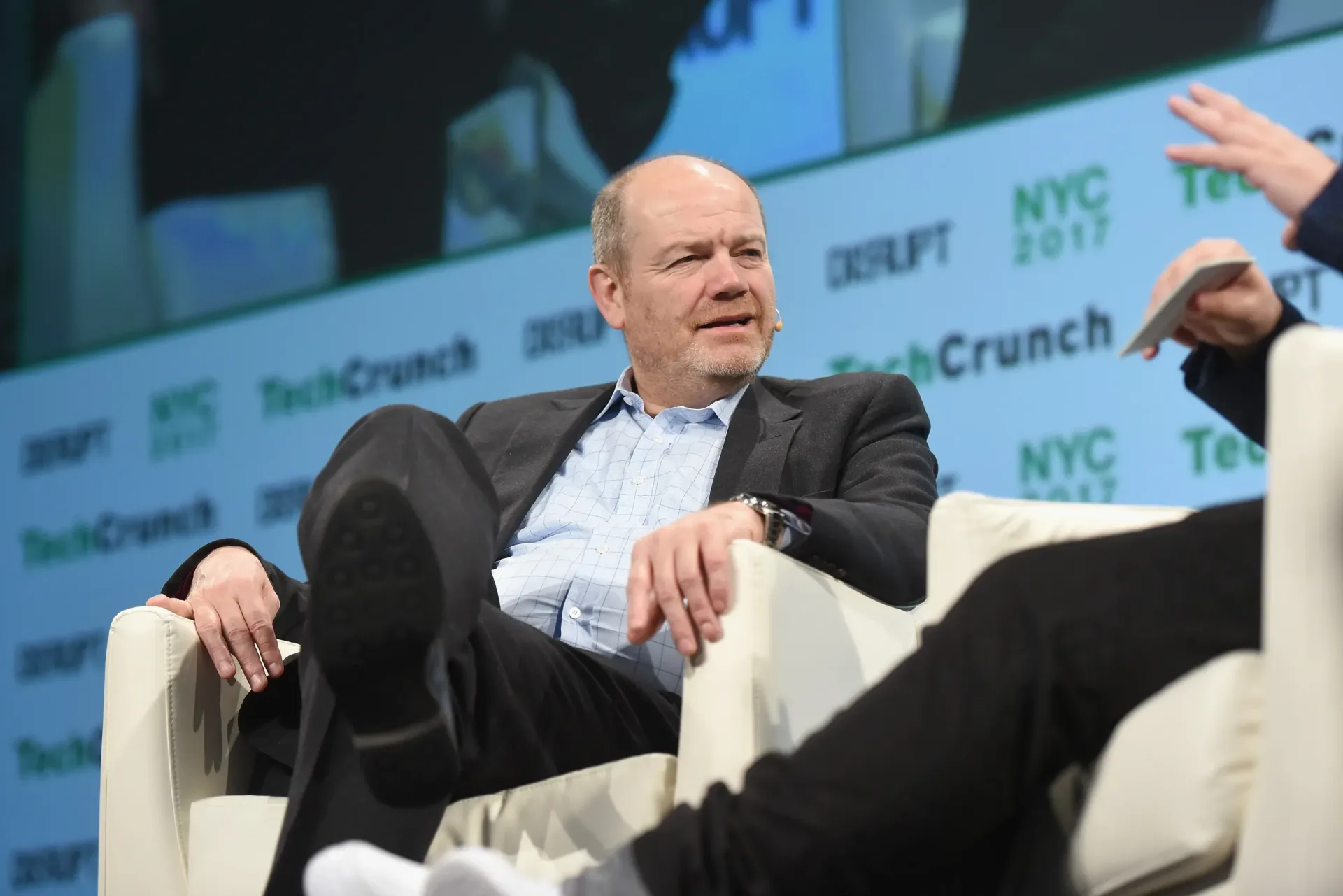
John Malone has floated one possible answer, though it remains firmly in the realm of speculation rather than a disclosed transaction. Speaking at a media event in New York, Malone suggested that Elon Musk’s SpaceX could put between $8 billion and $10 billion into Skydance. He also envisioned a potential global output arrangement for Skydance programming, apparently involving Musk’s X platform.
There is no announced SpaceX investment, output agreement or deal timetable. A Skydance spokesperson declined comment, while a representative for Musk did not respond to a request for comment. That distinction matters: Malone’s comments may describe a plausible financial scenario, but they do not establish that negotiations are occurring or that any agreement will happen.
Why the theory has attracted attention
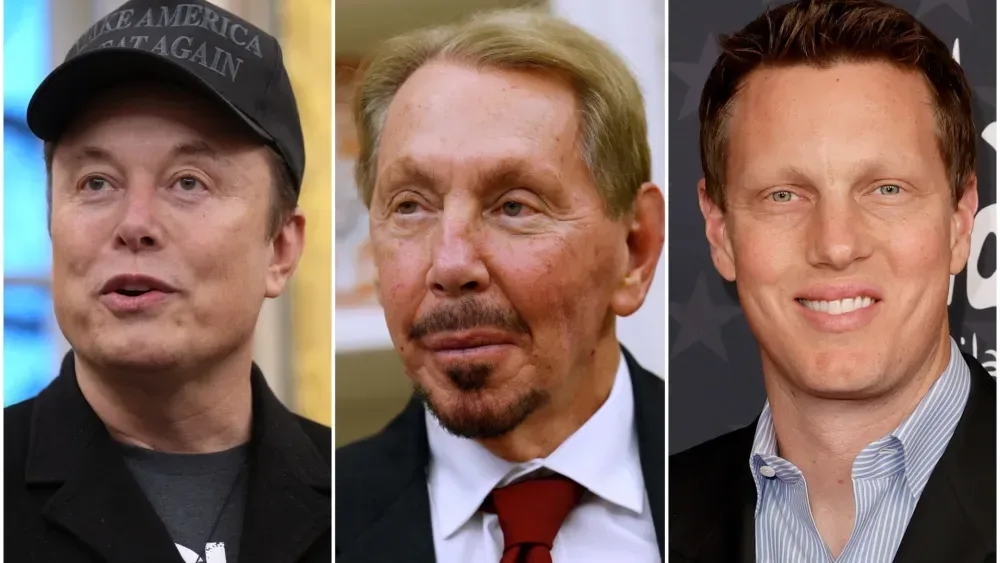
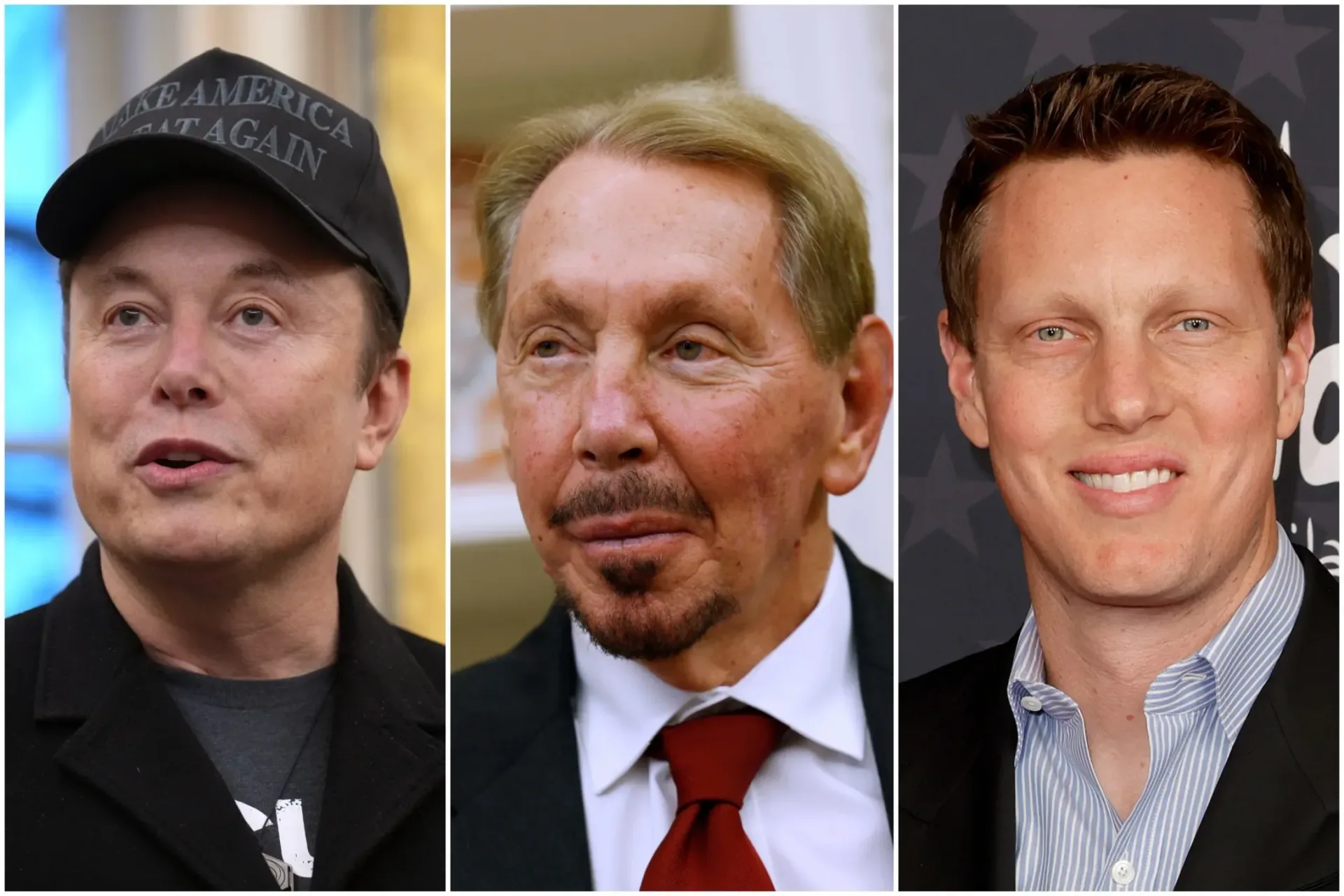
The idea is notable because the people and companies involved already sit in overlapping business circles. Larry Ellison, Oracle’s founder and the father of Skydance CEO David Ellison, is the largest equity holder in the new company. The Ellisons and RedBird Capital hold all of its voting shares, giving them control even as other shareholders may hold economic stakes.
Malone pointed to Larry Ellison’s roughly $1 billion contribution to Musk’s 2022 acquisition of Twitter, now X, as evidence of the existing relationship. He also said Ellison raised some funding for the Paramount-Warner Bros. transaction using Tesla stock. Those links do not mean SpaceX will invest in Skydance, but they help explain why observers see Musk as a conceivable financial partner rather than a completely unexpected name.
David Ellison was also reportedly considering approaching Musk about joining a wider group of equity investors in Paramount. Again, that reported consideration is not the same thing as a completed financing package. But it places Malone’s proposed $8 billion-to-$10 billion figure within an ongoing conversation about whether the combined media business could seek additional outside capital.
The debt issue behind the speculation
Skydance emerged from the $111 billion combination of Paramount Skydance and Warner Bros. Discovery. The scale of that deal is central to the discussion: the new company is reported to have about $80 billion in net debt. Net debt generally means a company’s debt after subtracting cash and cash-like holdings. It is a useful measure because it frames the amount of borrowing that remains after available cash is taken into account.
Malone’s core argument was that a major SpaceX investment could help Skydance delever. Deleveraging is the process of reducing a company’s debt burden. It can happen through using cash to repay borrowings, selling assets, increasing earnings, or raising new equity and using that money to pay down debt. In this case, his scenario appears to be the last of those options: a new investor supplies capital, allowing Skydance to lower the debt weighing on the combined company.
Related coverage includes John Malone Speculates SpaceX Could Back Skydance as Debt Looms.
A multibillion-dollar equity injection would not erase an estimated $80 billion in net debt by itself. Even at the high end of Malone’s suggested range, $10 billion would represent only a portion of that amount. Still, it could potentially make a meaningful difference to the company’s balance sheet, depending on the final terms and how the funds were used.
Equity financing is not free money. An investor that receives equity receives an ownership interest, and new equity can change how future value is divided among existing owners. That is especially important here because the Ellisons and RedBird control the voting shares. Any potential deal would need to address not just the cash coming in, but the ownership and control arrangements that accompany it.
Cost cuts and content are competing demands
Skydance faces two demands that are easy to state but difficult to balance. Executives are targeting $6 billion in savings over three years through layoffs and other measures. At the same time, the business must continue investing in content.
That tension is familiar across media, but it is particularly visible in a large combined company. Cost reductions can improve near-term financial flexibility, yet entertainment businesses rely on programming and intellectual property to attract audiences, license titles and support distribution relationships. Spending less can assist debt reduction; spending enough on the right content is part of maintaining the underlying business that ultimately has to carry that debt.
For viewers, players and fans of big entertainment franchises, financing discussions can feel far removed from the screen. They can nevertheless shape the conditions in which content decisions are made. A company with heavy debt and a large savings objective has more financial constraints around its programming strategy than one operating with a lighter balance sheet. That does not reveal which projects will be made, cancelled or licensed, and no specific programming decisions were tied to Malone’s comments. It does explain why a possible $8 billion-to-$10 billion investment has drawn attention.
Industry restructuring has repeatedly put corporate strategy alongside creative portfolios. Recent reporting on EA’s portfolio plan and its focus on selected franchises similarly illustrates how large entertainment companies make difficult choices about where resources go. Skydance’s situation is distinct, but the broader practical question is comparable: how can a company fund the properties it sees as strategically important while controlling its financial exposure?
What an output deal could mean
Malone’s proposal included a “global output deal” for Skydance content. An output deal is, broadly, an arrangement in which a distributor or platform obtains rights to receive a producer’s future output, often subject to specific windows, territories, formats and exceptions. The exact scope is crucial. “Global” could imply broad geographic rights, but without a deal there is no public information defining territory, exclusivity, duration, the kinds of content included or how rights would be divided.
Malone appeared to connect such an arrangement to X, Musk’s social platform. That possibility raises a second set of unanswered questions. A content partnership can mean many things: distribution of finished programming, promotional use, clips, an exclusive release window, advertising support or some other rights structure. None of those particulars have been announced. It would be premature to assume that Skydance programming is headed to X, or that any potential SpaceX investment would require an X distribution arrangement.
It is also worth separating SpaceX from X. They are associated with Musk, but they are different businesses. Malone’s speculation involved SpaceX making an investment and contemplated an output relationship seemingly connected to X. Treating them as one entity would blur the structure being proposed.
Musk’s other corporate moves add another layer
The possible Skydance investment was discussed while Musk’s SpaceX and Tesla were separately exploring a potential merger. Musk said committees at the two companies had been formed to examine that combination and said he saw merit in joining them, while emphasizing that a merger was not certain. Analysts have said a combined company could be valued at nearly $5 trillion.
That separate exploration does not confirm any Skydance financing. It does, however, make the boundaries and priorities of Musk-linked corporate activity especially relevant to any hypothetical investment. If SpaceX and Tesla were to combine, questions about capital allocation, governance and strategic focus could become more complex. As things stand, there is no disclosed link between the SpaceX-Tesla committee process and the Skydance scenario Malone described.
What is confirmed and what remains conjecture
The confirmed backdrop is substantial: Skydance was formed through the $111 billion Paramount Skydance-Warner Bros. Discovery combination; Larry Ellison is its biggest equity holder; the Ellisons and RedBird hold all voting shares; the company has approximately $80 billion in net debt; and management is targeting $6 billion in savings over three years while needing to invest in content.
The unconfirmed portion is equally important. No party has confirmed a SpaceX investment. No party has confirmed a figure of $8 billion or $10 billion. No global content-output agreement has been announced. And no terms exist publicly for ownership, voting rights, repayment of debt, programming rights or distribution.
Malone’s comments are therefore best read as a high-profile theory about how Skydance could address its balance-sheet pressures, not as a transaction in progress. The scenario makes financial sense at a high level: new equity could help reduce debt, and a content relationship could give the investor a strategic rationale. Whether the companies share that view—and whether a structure could satisfy their financial and control priorities—remains unknown.