Skydance is offering a one-time voluntary buyout program to certain eligible employees as it starts integrating Paramount and Warner Bros. Discovery, while also adopting a mandatory five-days-per-week in-office policy across the company.
The two moves were outlined in an October 26 staff memo from chairman and CEO David Ellison and co-CEO Ynon Kreiz. They arrive shortly after Paramount’s $111 billion takeover of Warner Bros. Discovery closed on October 6, a deal that creates a massive operational task alongside the stated ambition to build a technology-minded, global entertainment company.
For employees, the immediate picture is clearer on process than on scale. Eligible workers will receive individualized details and terms for the voluntary buyout offer, as well as a limited decision window. Skydance has not publicly disclosed how many people qualify, the package terms, or how many positions it expects the program to affect. The company also has not stated the eventual scale of anticipated layoffs.
A voluntary option before a larger workforce reshaping
A voluntary buyout program, or VBO, is an employer-provided option for eligible employees to leave under terms set by the company. It differs from a layoff because the employee can choose whether to accept. That distinction matters, but it should not be mistaken for a guarantee that jobs outside the program are protected.
In this case, Skydance has previously acknowledged that the integration will include workforce decisions. Ellison and Kreiz said in their October 6 “Day One” communication that combining the companies would bring change, including difficult decisions affecting employees. The October 26 memo presents the VBO as a route for people who do not see their future with the combined organization to depart voluntarily.
The practical details will be personal rather than universal. Skydance said qualifying employees will receive direct communications containing their own terms. That means workers should avoid assuming that eligibility, timing, or conditions apply evenly across divisions, locations, job functions, or legacy companies.
The memo directs employees with questions to leadership or human-resources representatives. It also says FAQ materials and other resources are available through the Skydance Integration Hub, with legacy Paramount employees directed to My Paramount and legacy Warner Bros. employees to Ask Employee Connection on WBD One.
Why buyouts can matter in an integration
Combining two large media businesses is not merely a matter of placing logos under a shared corporate banner. It requires decisions about overlapping departments, reporting structures, shared systems, office arrangements, and which operations will be centralized or retained. A voluntary program gives a company a way to reduce headcount through opt-in departures before, or alongside, other workforce actions.
That does not reveal the final organizational chart. It does, however, establish that the integration is moving from broad strategy into employee-facing changes. The paired announcement of buyouts and an office-policy shift is particularly notable because both decisions reshape how the company will be staffed and how remaining teams will work.
Skydance has said it is targeting more than $6 billion in annualized cost savings within three years. Annualized refers to expressing a run rate over a full year; it is not the same thing as saying the full amount has already been saved or will necessarily be realized immediately. The company has said layoffs will account for part of that savings effort, though it has not supplied a job-cut total.
A Los Angeles County report issued in August estimated that the Paramount-Warner Bros. combination could lead to the loss of roughly 4,500 film and television jobs across Los Angeles over three years. That is an estimate cited in connection with the merger, not a confirmed Skydance layoff count or a description of who will be eligible for the buyout program.
Five days in the office, with location-by-location timing
The company is also moving to a five-day in-office requirement across Skydance. Leadership framed the decision as a culture and collaboration policy, arguing that creative work benefits from people being together to exchange ideas, challenge one another, solve problems, learn, and build connections.
The policy will not take effect in exactly the same way everywhere at once. Skydance said it will use a phased approach by location, provide advance notice before changes begin, and work with managers to support the transition. The memo acknowledges that some employees are already in the office five days a week while the change may materially alter the routines of others.
There are still important unknowns. The memo does not specify office-by-office start dates, exceptions, or the exact workings of the phased rollout. It also does not detail how the in-office rule may intersect with particular employee arrangements. What is confirmed is the intended destination: a companywide five-day office policy rather than a hybrid default.
For an organization built through a major acquisition, in-person attendance is being positioned as part of the integration itself. Leadership’s argument is not simply that teams should occupy a workplace more often; it is that proximity will help turn teams inherited from different companies into a unified operating culture.
What the memo says about the combined company’s priorities
Ellison and Kreiz described Skydance’s goal as building a next-generation media and entertainment company that is creative-first, audience-focused, technology-forward, and globally scaled. They emphasized competition for attention and said success depends on operating as one connected, agile company.
That language establishes the management case for both announcements. The office rule is presented as the cultural mechanism for tighter collaboration. The buyout program is presented as an individualized option during an integration in which not every employee may see a long-term role. Neither message eliminates the uncertainty inherent in a major corporate combination, but together they clarify the direction leadership is setting.
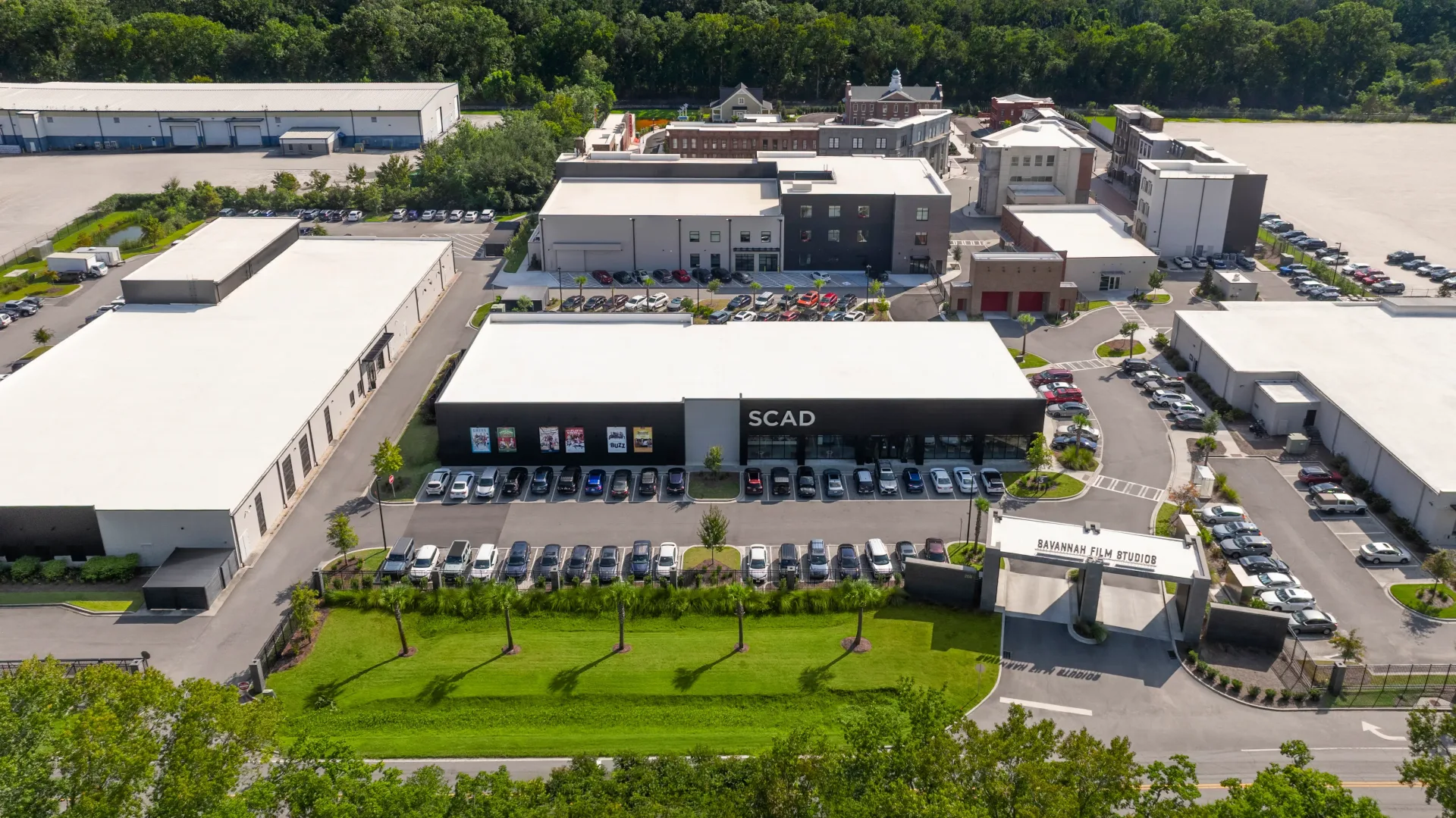
The ambition also places this development among the most consequential industry stories of the moment. Corporate decisions made far from a soundstage, writers’ room, editorial bay, or marketing department can shape how entertainment companies allocate resources and organize the teams behind their future releases. For wider context on the infrastructure side of film and television production, see SCAD’s expansion of Savannah Film Studios.
What employees can take from the announcement now
For eligible employees, the most immediate step is to read the personalized VBO material carefully once it arrives. The company says the offer is one-time and that individual communications will state the terms and decision period. A voluntary program is a significant employment decision, so the relevant facts will be the ones in each employee’s materials rather than broad assumptions based on the announcement.
- Eligibility is not universal: Skydance said only certain employees will qualify.
- Terms are individualized: employees who qualify will receive their own details and timing.
- The offer is voluntary: it gives eligible workers a choice to leave under the offered terms.
- Layoffs remain part of the stated integration picture: Skydance has acknowledged workforce impacts but has not disclosed the expected number of cuts.
- Office attendance is changing companywide: the target policy is five days in office, with implementation phased by location.
The company’s message attempts to hold two realities together: it wants to project a cohesive, ambitious future for the combined business while beginning changes that may be disruptive for employees. Its leadership says it will handle the process thoughtfully and respectfully. The next meaningful disclosures will be the rollout details: which locations move first on office attendance, how the VBO proceeds among eligible staff, and what additional workforce plans emerge as the integration advances.