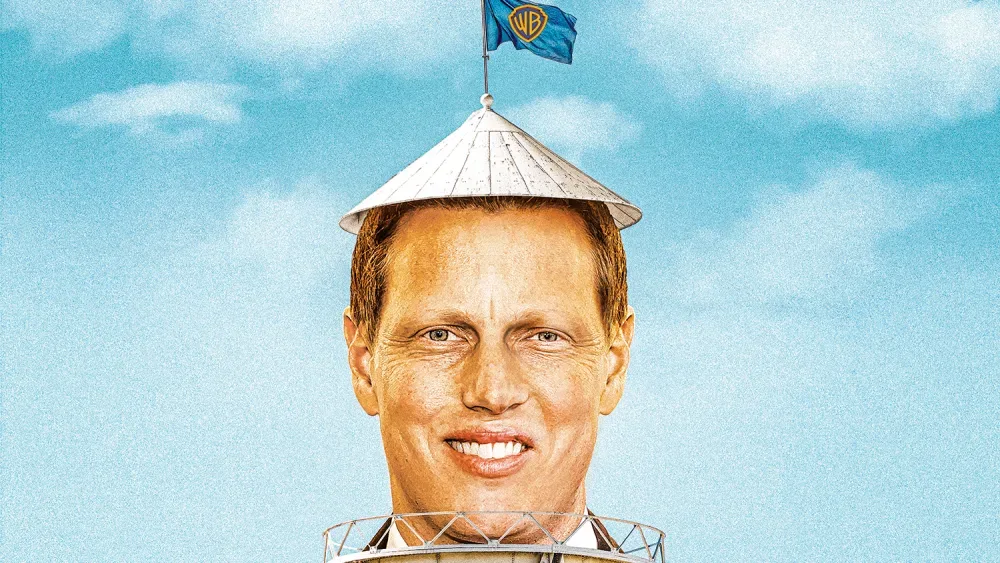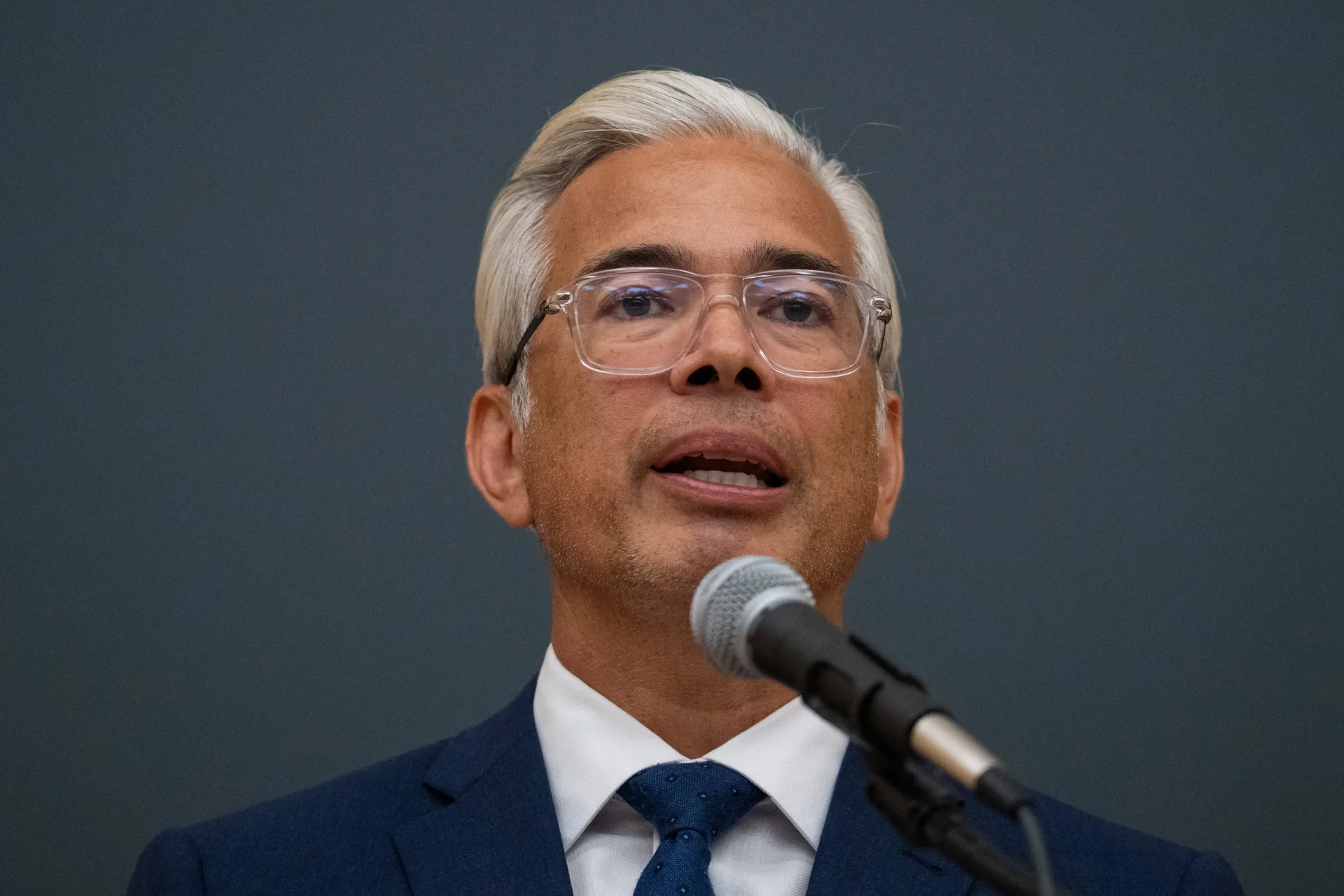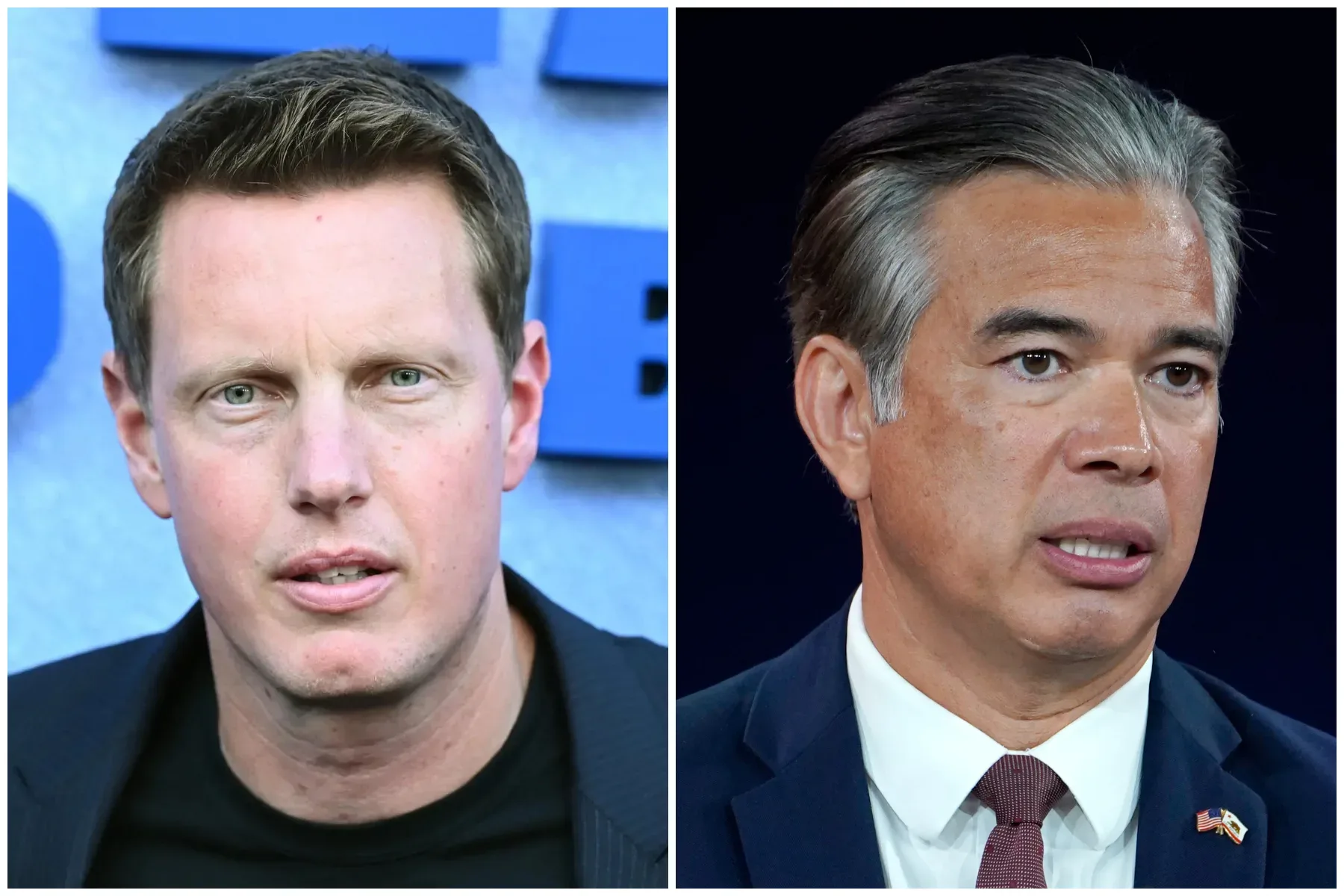
The proposed combination of Paramount Skydance and Warner Bros. Discovery has cleared a major legal obstacle after David Ellison reached a settlement with a group of state attorneys general that had challenged the deal on antitrust grounds. It is a decisive change in a dispute that had placed studios, unions, public officials, performers and activist groups on opposing sides of a single question: what protections are meaningful when two major entertainment companies seek to become one?
The answer depends heavily on whom you ask. The settlement has received a guarded welcome from major Hollywood guilds, which emphasize enforceable commitments involving domestic production, theatrical and television markets, film employment, and greater clarity after a period of constrained production. The Writers Guild of America, however, says it still believes the merger will harm writers and the industry, even as it ends its own lawsuit. Activist opponents are still condemning the agreement and promising to keep organizing against media consolidation.
That divide is important. The settlement does not turn every critic into a supporter, nor does it erase the underlying concern that a smaller number of very large companies could have more influence over what gets made, where it is shown and who gets to work on it. Instead, it changes the terrain of the fight from whether a court might stop the transaction to whether negotiated protections will be sufficient in practice.
What the settlement addresses
Antitrust concerns the effect of business conduct or consolidation on competition. In this case, California Attorney General Rob Bonta said the states’ concerns included the possibility that the merger could reduce output and raise prices. His office’s stated rationale for settling is that the agreement resolves concerns in the markets alleged in the case through commitments that can be enforced by a court.
Bonta said the agreement includes an additional $1.5 billion for domestic film production, commitments intended to support more film output, protections for workers affected by the merger, and guardrails aimed at keeping cable prices competitive. He stressed that resolving the case was not the same as endorsing the merger. That distinction is central: a settlement can be a regulatory compromise designed to limit identified harms rather than a declaration that a deal is broadly beneficial.
For people who work in film and television, the emphasis on domestic production is especially meaningful. Production volume is not an abstract scorecard. More films and television work can translate into opportunities across the industry, including jobs performed on camera and the many roles performed behind the scenes. But the available details do not establish exactly how the commitments will be measured, how projects will be allocated, or what the longer-term corporate strategy will look like. The value of an enforceable commitment rests on its terms and on follow-through.
There is also a practical change for the companies themselves. The extended conflict had reportedly contributed to stalled development and spending at both sides. The Directors Guild of America specifically described the settlement as bringing needed stability during a period of decreased production. Ending uncertainty does not itself guarantee a surge in productions, but it removes one prominent barrier hanging over planning and investment.
Guilds see protections worth defending
The DGA welcomed the agreement, highlighting binding, enforceable commitments that it said protect theatrical film and television markets as well as domestic film jobs. The guild also thanked Bonta and New York Attorney General Letitia James for their work. Its response is notably forward-looking: rather than treating the settlement as the end of all discussions, the DGA said it intends to continue talks with Paramount about domestic television production and the need for a competitive marketplace that protects jobs.
Related coverage includes Guilds Split With Activists After Paramount-Warner Settlement.
That approach recognizes the difference between a legal settlement and ongoing labor engagement. A regulatory agreement may set a baseline, while guilds continue advocating for production levels and working opportunities through their own channels. In its statement, SAG-AFTRA similarly said the resolution addresses some of its concerns about production levels and investment in U.S. production, while underscoring that performers depend on both collective bargaining and the legal protections employers must meet.
SAG-AFTRA’s point is straightforward: legal compliance is a floor, not necessarily the ceiling. The union said companies can exceed their obligations and should make further efforts to maintain healthy workplaces and respect workers’ dignity. In the context of a merger, that is a reminder that agreement language and day-to-day workplace outcomes are not interchangeable. One describes obligations; the other is what members experience.
The industry implications are covered further in our look at Bonta’s defense of the Paramount-Warner settlement and the criticism surrounding its limits.
Why the WGA ended its case without changing its view
The WGA’s response is the clearest illustration of how a legal result can produce an uneasy compromise. The union said it continues to believe the transaction will damage writers and the wider business, but it concluded that carrying on alone after the states settled was not financially realistic for a nonprofit pursuing a complex antitrust trial. It said such litigation could cost millions of dollars.
As part of its own settlement with Paramount, the WGA said there will be no writer layoffs at CBS News Broadcast for five years. It also said Paramount will pay $17.5 million to the union’s health fund along with its attorneys’ fees from the litigation. Those are concrete, near-term terms with clear stakes for affected writers and for the fund.
Yet the WGA did not characterize the outcome as a victory over consolidation. It said its advocacy had helped focus attention on the potential harms of this merger and similar deals, and it reiterated its call for structural separation between streamers and studios. The union compared that idea to the former Financial Interest and Syndication Rules in broadcast television.
Put simply, the WGA is arguing for an industry design in which the entities that distribute programming and the entities that produce it are less tightly integrated. Its stated goal is to promote competition in programming at a time when writers may have fewer outlets to which they can sell work and when programming diversity may decline. This is an argument about the long-term shape of the marketplace, not just the terms of this one transaction.
Not every objection is about the same thing
The reactions reveal several overlapping but distinct concerns. State officials focused on competition, prices and output. Guilds focused on employment, domestic production and enforceable safeguards. The WGA coupled immediate protections with a broader critique of how consolidated entertainment companies are structured. SAG-AFTRA stressed that legal standards must work alongside collective bargaining.
Then there are critics who see the merger as part of a bigger political and cultural concern. The Block the Merger Coalition denounced the agreement, arguing that it will harm film, entertainment, independent journalism and democratic discourse. The group said it will continue seeking accountability and policy reforms intended to prevent or break up large conglomerates.
Actor Mark Ruffalo, a high-profile public opponent of the transaction, also criticized the outcome in a brief social-media post aimed at California Governor Gavin Newsom. His response reflects the intensity that surrounded the merger debate, which has extended well beyond technical arguments over markets and legal remedies.
These perspectives should not be flattened into a simple “for” or “against” ledger. The DGA can consider enforceable protections and stability meaningful, while the WGA can take specific financial and employment safeguards yet maintain that the merger itself is harmful. Activists can view the settlement as inadequate even if it establishes obligations that labor groups regard as better than proceeding without them. Each reaction is shaped by a different threshold for what counts as protection.
What is known—and what remains unsettled
Several points are now clear from the parties’ public positions. The attorneys general’s antitrust case has been settled. The WGA has also settled its lawsuit and secured terms including the five-year CBS News Broadcast writer-layoff prohibition and the $17.5 million health-fund payment. The DGA and SAG-AFTRA see significant value in commitments around production, jobs and investment. And opponents of the merger have not withdrawn their objections to industry consolidation.
What cannot be concluded from the announced reactions is whether the merger will ultimately deliver the scale of domestic production that supporters of the agreement expect, how cable-price protections will perform over time, or whether the commitments will satisfy the concerns of writers, performers, directors and activist groups. Those outcomes will depend on implementation, enforcement and the decisions made after the legal fight recedes.
The most consequential language in this dispute may be “binding and enforceable.” That phrase separates an aspirational promise from a commitment that can be taken to court. At the same time, enforceability alone does not settle a policy disagreement about whether two major entertainment businesses should have been allowed to combine in the first place.
For now, the deal has moved past a major courtroom confrontation and into an accountability phase. Guilds will continue discussions about production and jobs. The WGA will keep pressing its structural reforms. Activists say their campaign against concentration in media is continuing. And the eventual effect on workers, output, viewers and prices will be judged less by the rhetoric of settlement day than by whether the promised safeguards materially hold.