Paramount’s proposed settlement with 12 state attorneys general lays out unusually specific conditions for its planned takeover of Warner Bros. Discovery. Rather than simply clearing a legal hurdle, the agreement would bind the combined company to measurable commitments involving theatrical movie releases, American production spending, California studio properties, cable-channel negotiations, employment support and newsroom governance.
The agreement still requires approval from the judge overseeing the antitrust case. If the transaction closes before the end of the year, as anticipated in the proposed terms, the commitments would remain in effect through December 31, 2031. That duration matters: the obligations are designed to cover the immediate post-merger period, when a newly combined entertainment company could otherwise consolidate operations, reduce competing output, or use its larger negotiating position to reshape deals with distributors.
A merger settlement built around enforceable promises
An antitrust settlement is an agreement resolving a competition-law dispute without continuing all the way through the contested case. Here, the states’ proposed resolution does not merely call for broad assurances. It describes particular actions the merged Paramount-Warner Bros. would have to take, identifies monitors, and connects certain failures to divestiture requirements.
Divestiture means selling an ownership interest or asset. It is a consequential remedy: in this agreement, failure to fulfill specified commitments could lead to the loss of the company’s ownership interest in Miramax Studios or require the sale of a list of cable channels. In other words, the promises are paired with penalties that go beyond a general warning or a future discussion.
David Ellison, Paramount Skydance’s chief, characterized the agreement as one that serves consumers, workers and the creative community, highlighting the commitment to more than 30 films annually and expanded domestic film production. Separately, the Writers Guild of America reached a settlement resolving its own antitrust suit over the Warner Bros. transaction. That deal includes a five-year prohibition on writer layoffs at CBS News Broadcast.
The theatrical commitments: volume, reach and independent films
The movie provisions are among the most concrete pieces of the proposed settlement. Paramount-Warner Bros. would be required to release at least 30 movies annually for theatrical distribution in the first two years. In years three through five, that total rises to at least 32 movies each year.
Those numbers are not simply a count of titles. During years one and two, at least 20 of the 30 films must be wide releases. The term generally distinguishes a release playing broadly in theaters from a more limited engagement. For years three to five, the wide-release minimum becomes 21 out of 32 films. The company must also meet annual minimums in wide-release and “tentpole” categories, among other requirements.
A tentpole is typically a major release positioned as a central commercial event in a studio’s schedule. The settlement’s emphasis on both broad theatrical distribution and tentpole releases suggests an interest in preserving a mix of regular cinema supply and large-scale releases, rather than allowing the merged company to narrow its output after combining two substantial film operations.
At least four films must be independent films, while at least half of all required movies must be produced or co-produced with another company. The latter condition is especially notable because it requires continued participation with outside production partners. Co-production means more than a distributor simply acquiring a completed movie: the company shares in producing the film with another entity. The agreement also calls for an independent-film acquisition fund, backed by annual contributions of $5 million, totaling $25 million across five years.
The production-spending obligation is equally direct. The combined company must spend at least $300 million more per year on U.S. film production than was spent in 2025, reaching at least $1.5 billion in additional spending over five years. The terms also include commitments related to pricing for theaters, although the available details do not specify the individual pricing rules.
For moviegoers, these provisions do not guarantee that every film will be a hit, nor do they dictate creative quality. What they do seek to preserve is output: a pipeline of theatrically distributed films, a substantial number of broad releases, room for independent titles and a continuing connection to outside producers. That is a business safeguard with cultural consequences, since the number and type of movies put into theaters help shape what audiences can actually choose to see.
The proposed enforcement mechanism is sharp. If the company falls short of these film obligations, it would have a six-month grace period. If it still did not comply, it would be required to divest its entire ownership interest in Miramax Studios.
California studio lots stay in place through 2031
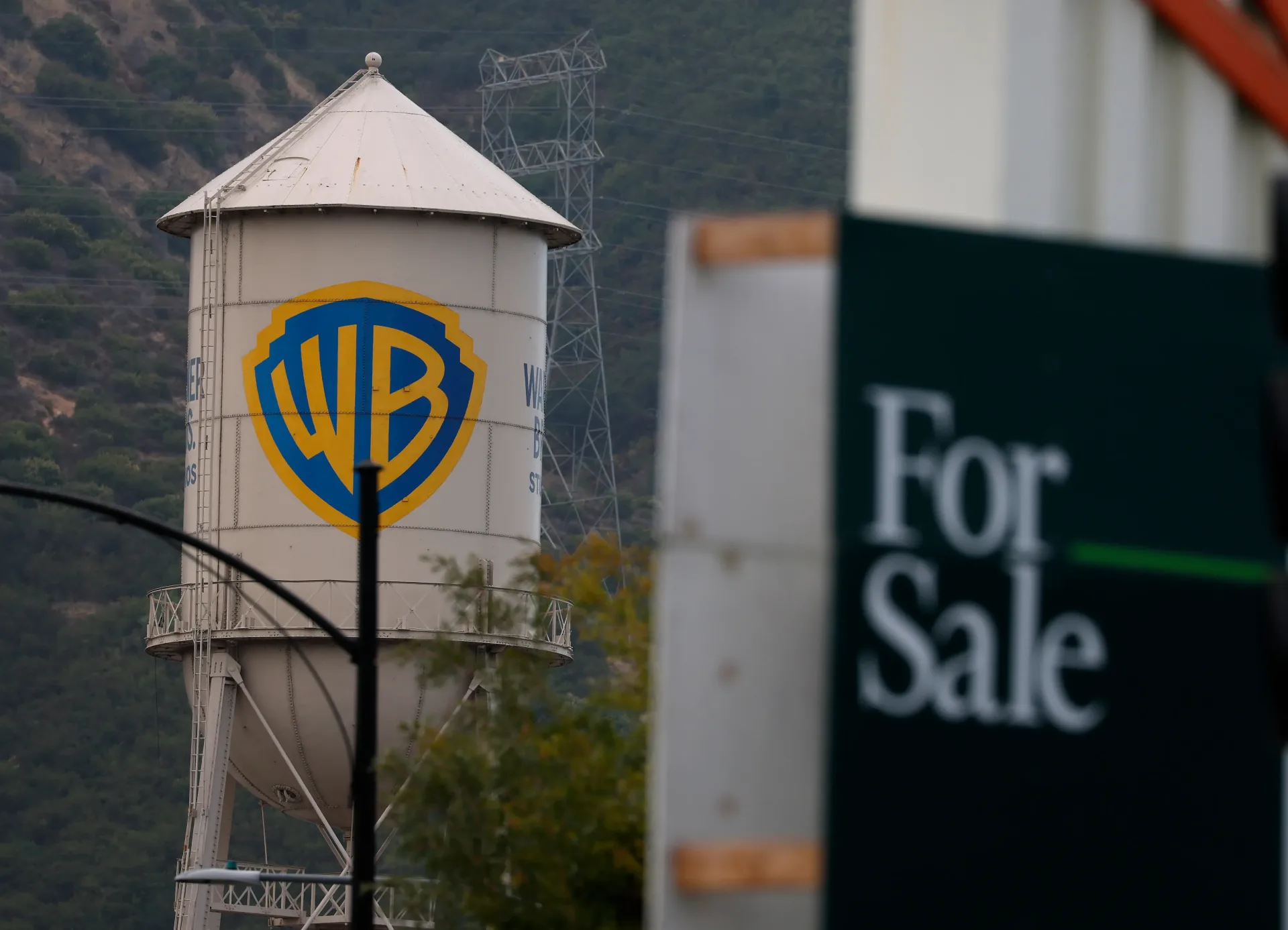
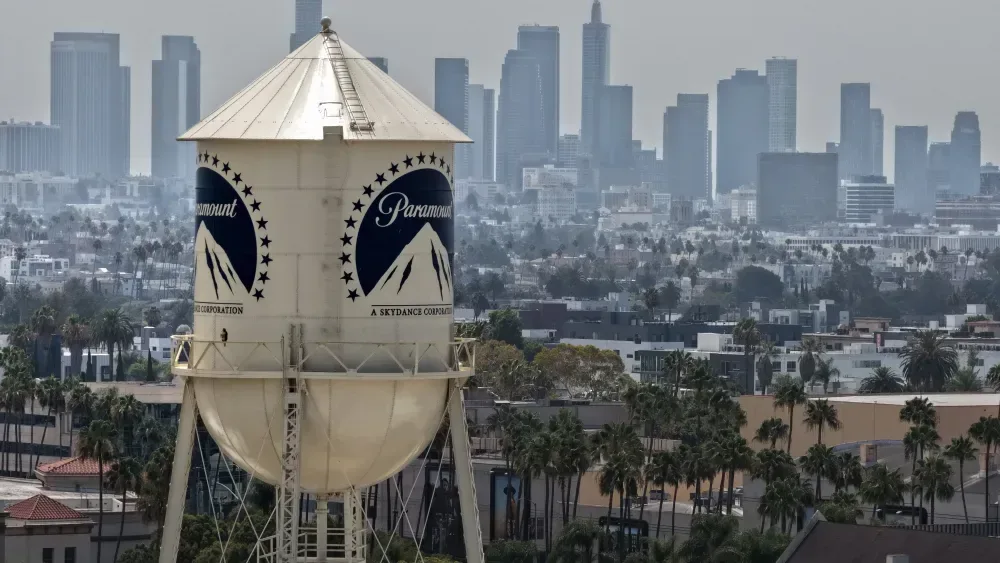
The settlement would require the combined company to maintain both the Paramount and Warner Bros. production lots through at least the end of 2031. The Paramount lot is at 5555 Melrose Ave. in Los Angeles; the Warner Bros. lot is at 4000 Warner Blvd. in Burbank.
This stipulation follows a period in which Ellison had said Paramount might leave California if it could not complete the Warner Bros. Discovery transaction by October 1. Under the proposed terms, however, both landmark production facilities would remain. The language is more precise than a general pledge to keep a corporate presence in the state: it names the two lots and establishes a minimum period for maintaining them.
That gives California-based production infrastructure a measure of protection during the merger period. Studio lots are not just corporate addresses. They are physical centers for production activity, although the proposed agreement does not detail how much production must take place at each site or prescribe staffing levels for them. The enforceable commitment is the continued maintenance of both lots through 2031.
Cable negotiations must remain separate
The settlement also takes aim at a less visible but important effect of consolidation: bargaining power in basic cable distribution. For five years, the combined company must negotiate distribution of Paramount-owned and Warner Bros.-owned basic cable channels separately.
In practical terms, affiliate fees are payments distributors make to carry channels. A larger combined owner could potentially negotiate with a distributor using a broader collection of channels as leverage. The proposed terms restrict changes to affiliate-fee negotiations and agreements, and prohibit use of confidential information from negotiations involving one company’s channels in negotiations for the other company’s channels.
The sanction for failing to honor these cable commitments is the required divestiture of a specified group of channels: BET, BET Gospel, BET Her, BET Hip-Hop, BET Jams, BET Soul, VH1, Comedy Central, Smithsonian, Destination America and Science. That detailed consequence underlines the settlement’s effort to preserve distinct negotiating processes even after the companies become one owner.
News oversight, compliance monitors and state enforcement
The combined company would be required to create a News Editorial Independence Board for its news channels. Its role would be to establish guiding editorial and journalism principles for the combined entity’s news operations, including CNN and CBS News. The stated aim is to maintain editorial independence after Paramount assumes ownership.
Editorial independence refers to the ability of news operations to make journalism decisions without improper interference from ownership or other business interests. The proposed board is therefore not presented as a replacement newsroom; it is an oversight mechanism intended to define principles for the combined owner’s news channels.
There are multiple layers of compliance oversight. The settlement requires an internal compliance monitor as well as an independent monitoring trustee. A five-state State Committee would also oversee enforcement and track compliance. The distinction is significant: an internal monitor works within the company’s structure, while an independent trustee provides external oversight. Together with the states’ committee, those roles create several channels for assessing whether the commitments are being met.
Worker provisions and the cost of the settlement
Paramount-Warner Bros. would have to honor collective bargaining agreements and contribute $47.5 million over five years to a workforce fund. The fund is intended for training and career development for employees laid off as a result of the merger.
The language does not say that merger-related layoffs cannot occur across the entire combined business. Instead, it provides retraining and career-development support for employees affected by them, alongside the obligation to honor collective bargaining agreements. The WGA’s separate settlement adds a more targeted protection: no writer layoffs at CBS News Broadcast for five years.
The company would also reimburse the 12 states for reasonable attorneys’ fees and reasonable economic-expert fees, up to $40 million. That payment is separate from the workforce fund and the additional film-production obligation.
What is settled—and what still depends on compliance
The proposed agreement outlines a path for Paramount’s Warner Bros. Discovery takeover while putting conditions around how the new company operates for five calendar years after closing. Its most visible public-facing commitment is movie supply: 30 theatrical releases annually in the first two years and 32 annually thereafter, with minimums for wide releases, independent films and joint productions. Its most concrete geographic commitment is keeping both California studio lots through 2031.
Other provisions concern the underlying machinery of a major media company: separate cable carriage negotiations, limits on the use of confidential negotiating information, news-independence governance, monitoring arrangements, labor agreements and support for workers displaced by the merger.
For entertainment audiences, theatrical output and independent-film acquisition are likely to be the easiest terms to see in practice. For cable subscribers, newsroom employees, writers and production workers, the less public provisions may prove just as consequential. And because the settlement includes formal monitoring and asset-sale penalties, the important next question is not merely whether the merger closes, but whether the combined company meets these commitments year after year.
For another look at how studios continue to package and circulate film libraries beyond the theatrical window, see our coverage of the 4K return of Interview with the Vampire.