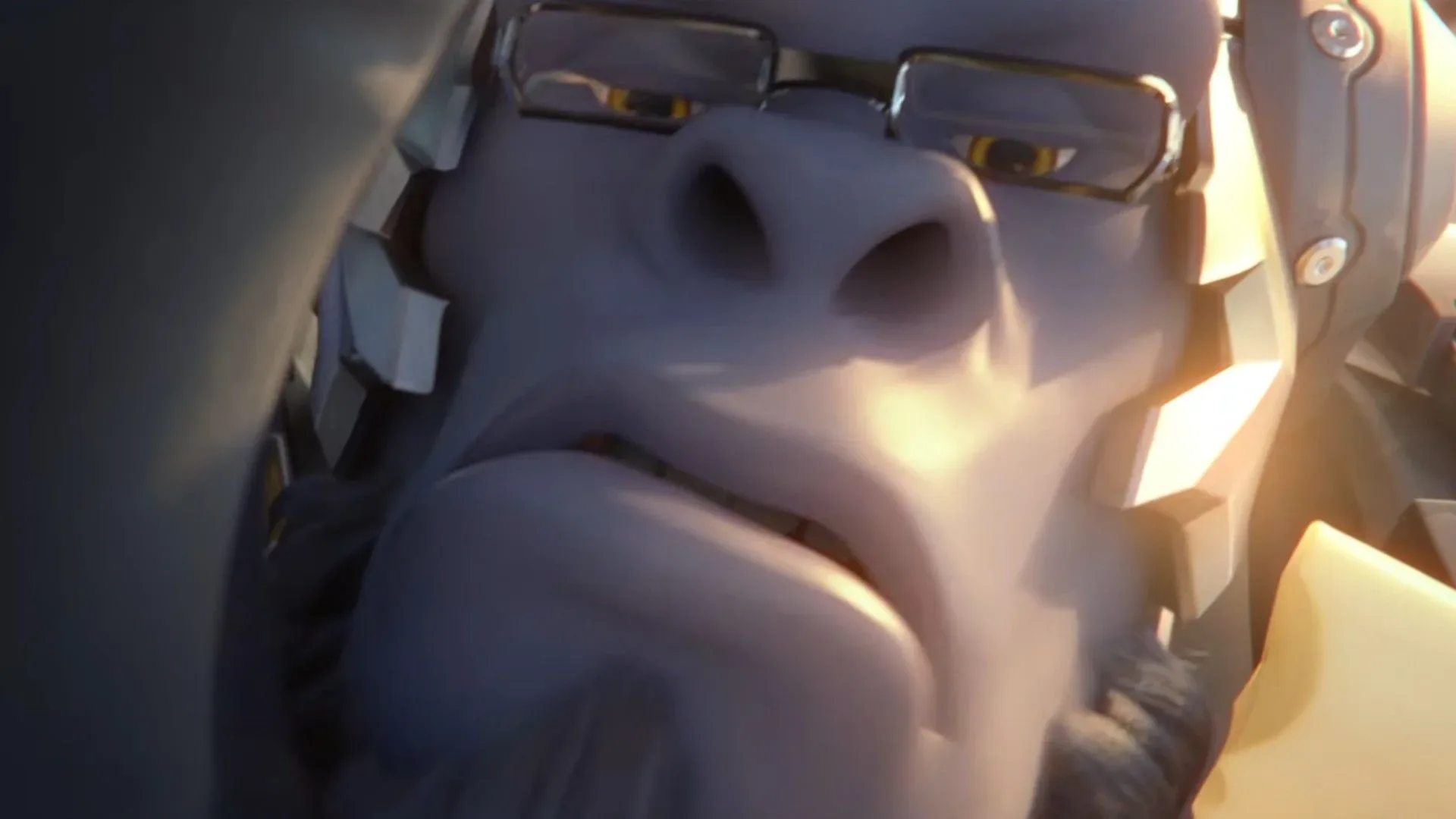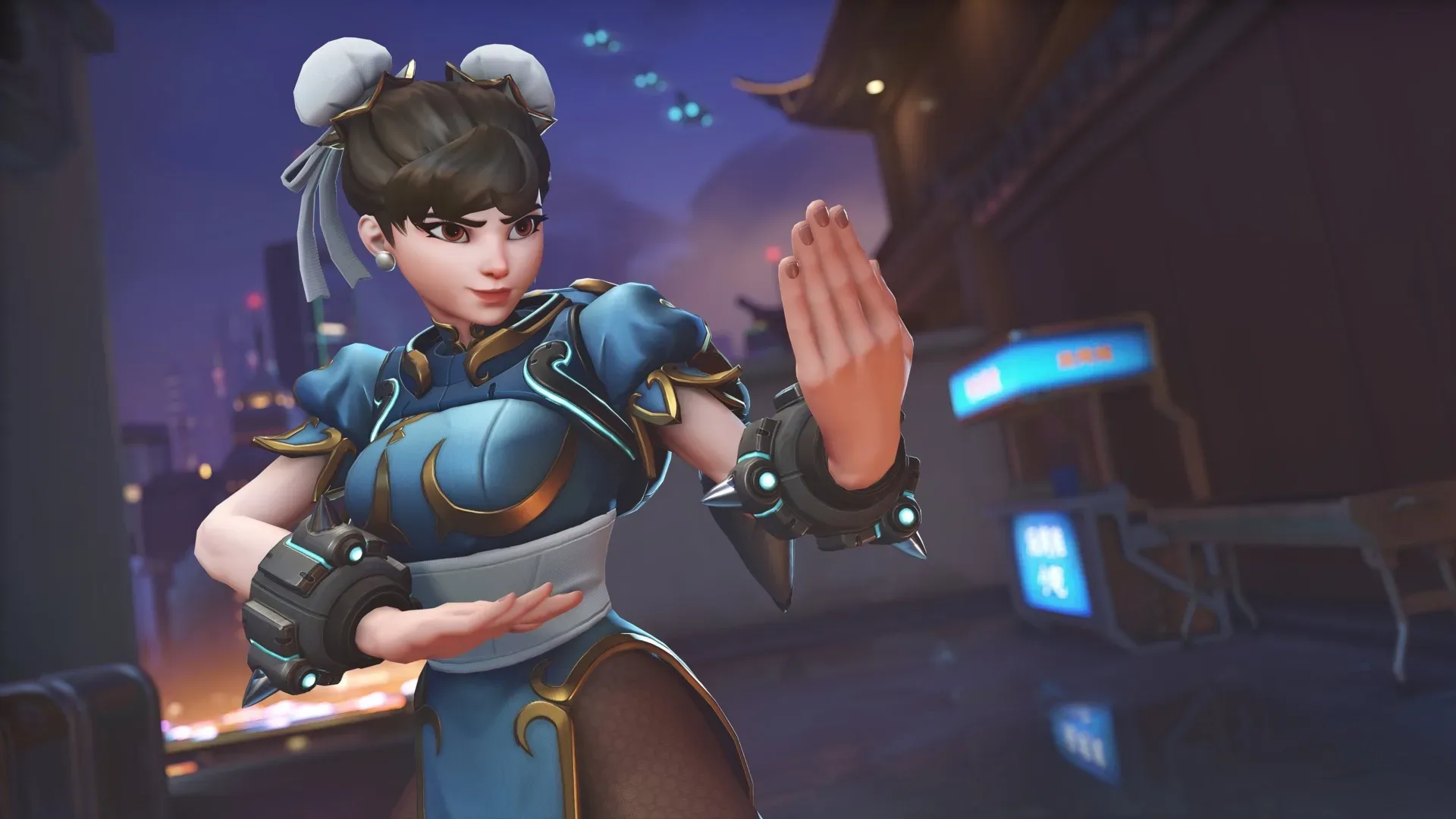
Overwatch has spent 2026 trying to answer a question that has hovered over the shooter for years: can its world tell an ongoing story that players can actually keep up with? Its answer so far has been a deliberately mixed package of animated cinematics, motion comics, narrated micro stories, audio dramas, prose, and the Overwatch: Undivided webcomic. The completed Reign of Talon arc, ending with the animated short In the Wolf’s Mouth, is an important result of that experiment. It brought an extended conflict to a conclusion, with Vendetta defeated and Doomfist again leading Talon.
That is a meaningful change of pace for a universe often defined by character teases, isolated revelations, and plot threads that took a long time to advance. But the team’s biggest takeaway is not simply that Overwatch needs more lore. It is that players need to know where the lore is, what is essential, and how one installment connects to the next.
Game director Aaron Keller and associate game director Alec Dawson have outlined an approach for the 2027 arc that places more emphasis on discoverability, recaps, and continuity. The aim is not to abandon the broad range of formats used this year, but to make that structure easier to navigate. For a live-service competitive shooter, that distinction matters. A story can be robust on paper and still feel absent to a player who only opens the client to queue for matches.
One finished arc is a bigger deal than another lore drop
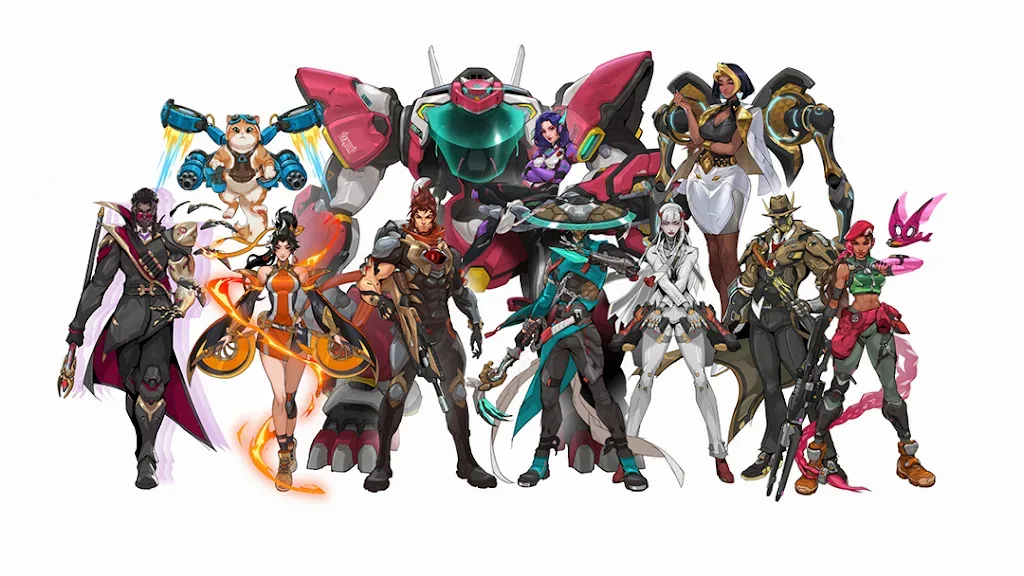
The 2026 reboot introduced 10 new heroes alongside gameplay and interface changes, but its narrative initiative may be its most consequential piece. The planned cooperative campaign for Overwatch 2 was canceled, leaving the wider plot with a major gap in the delivery system that had been expected to carry it forward. The team has instead pursued a transmedia model: key material is distributed across several kinds of media rather than being told through a sustained in-game campaign.
Transmedia storytelling is the practice of constructing one fictional world across multiple formats. In Overwatch’s case, a cinematic can handle a major confrontation, a motion comic can advance another substantial plot beat, and smaller pieces can explore a hero’s perspective or personality. The advantage is flexibility. Not every moment requires an expensive animated short, and comics or audio can provide room for quieter character material.
The risk is fragmentation. A player may watch a cinematic and miss the comic that changes their reading of an alliance. Another may follow social posts and never realize there is relevant material in the in-game Story menu. A third may play every season but regard a major development as coming out of nowhere because the pivotal scene lived outside the match experience.
That is why closing the Vendetta storyline has importance beyond the identity of Talon’s leader. A complete arc gives the team a working example of how its release plan lands over a year. It also gives players a chance to assess whether the conclusion feels earned. Debate over the effectiveness of the Reign of Talon finale, and over what Doomfist’s return means for the world, is not necessarily a sign that the effort failed. It can also mean the story has generated enough investment for its choices to matter.
“I think that it can be easy to miss some of this stuff when we release it,” Keller said of the team’s story material, including the Vendetta and Doomfist finale.
Related coverage includes Overwatch's 2026 Story Reset Sets Up a More Connected 2027.
That is an unusually practical diagnosis. The issue is not merely whether an animated film is good or whether a comic is well drawn. It is whether the audience receives a clear signal that a consequential chapter has arrived.
Overwatch’s 2027 priority: clarity without flattening the story
Keller has said the next arc will open with a cinematic he considers among the team’s strongest since Overwatch launched. More importantly, the team is considering ways to provide context right where players encounter new material. That could be as simple as a sentence or two at the opening of a cinematic explaining what has happened elsewhere, and catch-up videos are also being prepared.
This is not a glamorous solution, but it is one that respects the actual behavior of a large audience. Recaps are not a substitute for an arc’s central chapters; they are on-ramps. They let returning players understand the immediate stakes without treating homework as the price of entry. They also allow a story to retain history. Rather than rebooting the emotional context every year, a recap can identify the earlier event that made the new conflict possible.
Dawson’s comments suggest that is the broader target: a changing world state. In narrative design, a world state is the current condition of a setting after past events have had consequences. It can include leadership changes, damaged relationships, unresolved threats, altered institutions, or simply a new shared understanding among characters. The term matters because it separates serial storytelling from a sequence of loosely themed seasonal events.
If each annual Overwatch arc leaves the setting exactly as it found it, then a new villain or crisis may be entertaining but the universe will not feel as though it is moving. If earlier events reshape the conditions for later ones, then the story accumulates weight. Dawson says the team wants connective tissue within a given year and from one arc to the next, so that the next story follows from a changed world rather than beginning from scratch.
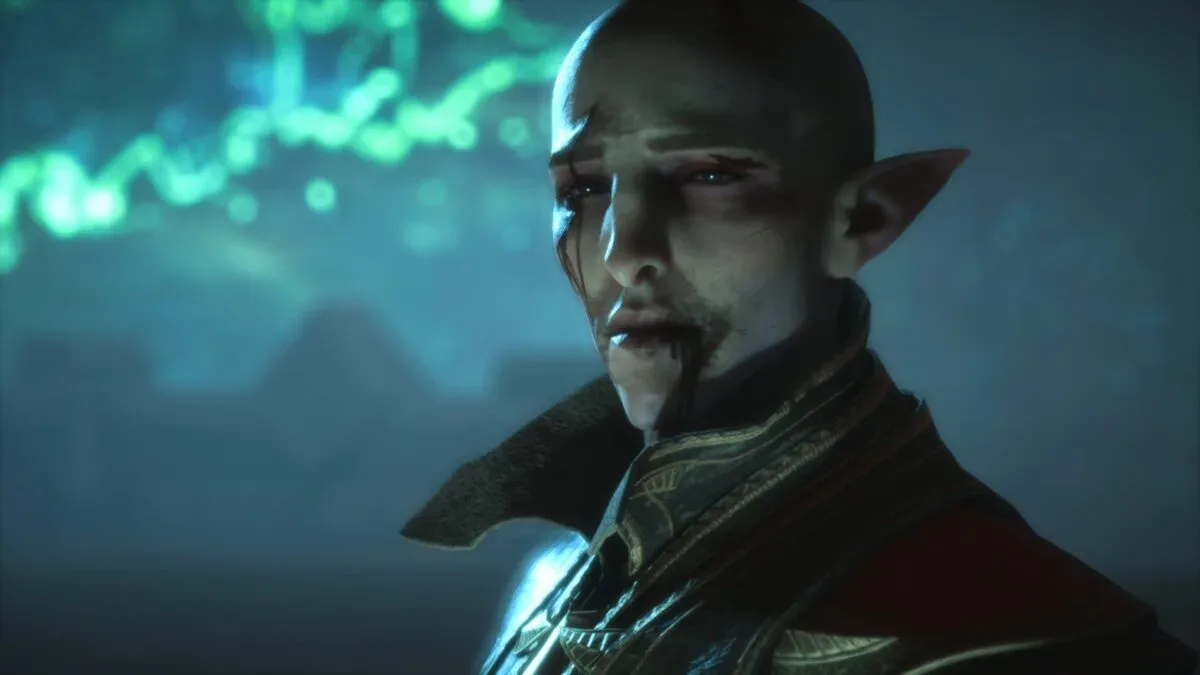
That does not demand that every old thread return at once. It means new stories should recognize the consequences of old ones. It is a familiar challenge for games with expansive casts and long-running worlds; the appeal of looking back at formative choices is also part of why stories such as Dragon Age’s defining moments across Thedas can remain relevant long after individual entries.
What belongs in the comic, and what must stay easy to find
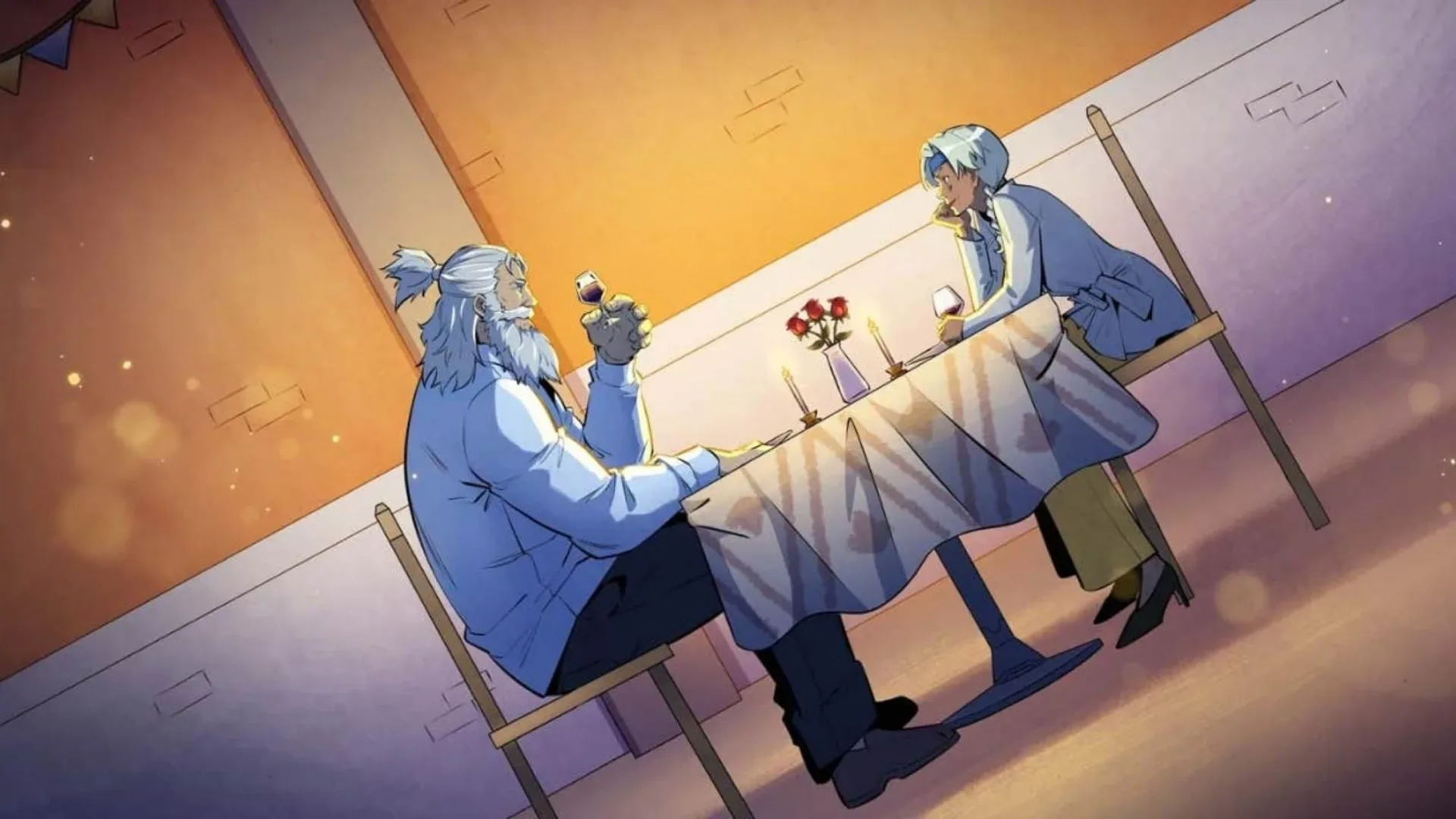
Overwatch: Undivided illustrates both the appeal and the complication of Overwatch’s current model. Available through the Webtoons app rather than directly in the game, the webcomic is intended as connective and character-focused material instead of the sole home for the largest story turns. It spends considerable time with newer heroes including Juno, Wuyang, and Anran, while also giving established figures space for developments that would be difficult to fit into a short action piece.
That includes Reinhardt and Ana beginning a romantic relationship, and Genji leaving Overwatch. The comic also touches larger events, including the attack on Overwatch headquarters in Gibraltar, but its main value is often in the intervening human moments: how characters interact, what they are processing, and how a new hero sees the organization around them.
Keller describes a planned hierarchy for 2026’s releases:
- Cinematics were intended to communicate the largest plot events.
- Major motion comics formed a second key layer for following the most important storyline.
- Micro stories—illustrated, narrated hero-perspective pieces—supplied personal context and character detail.
- The webcomic could link material together, explore day-to-day dynamics, and fill space between headline developments.
That is a coherent editorial idea. The weak point is not that supplemental material exists. Supplemental stories can deepen a fictional setting precisely because they do not need to carry every plot obligation. The weak point is the boundary between “optional enrichment” and “this helps explain why a hero is now behaving differently.” If the distinction is unclear, even a well-planned hierarchy can feel like scattered lore.
The practical promise for 2027 is that Overwatch will be more explicit about those connections. A short introduction before a cinematic, a catch-up package, or clearer presentation inside the Story menu could establish whether a viewer has reached a pivotal chapter, a character vignette, or a bridge between two larger releases. These are small interface and communication decisions, but they could determine whether the narrative feels cohesive to players who do not track every platform.
The Omnic Detective may be a prologue, not a clean reset
There are still several lore releases planned before the current season ends, even though Vendetta’s defeat has brought the principal 2026 conflict to a close. They will likely introduce a new hero known colloquially as the “Omnic Detective.” The character’s announcement cinematic is positioned as a prologue to the next year’s investment in story.
Fans have speculated that this could revive the Null Sector thread, which lost its anticipated campaign context when the cooperative project was canceled. That possibility remains speculation, not confirmation. What Keller has confirmed is more general but still significant: the 2027 story connects directly to material from Overwatch’s prior narrative, rather than operating as an entirely fresh start.
For players looking to prepare, the team is not naming one mandatory old release. Keller did point to the existing cinematic library, including Dragons, the Hanzo and Genji story, as material worth revisiting. The planned catch-up videos should be the more efficient route for people who want relevant context without reconstructing the entire lore timeline themselves.
That approach also avoids a bad outcome for an ongoing multiplayer game: making newcomers feel years late to the party. A continuing chapter should reward long-term attention, but it should not require every player to remember every piece of media released over the life of the franchise. The more accurately Overwatch can separate foundational information from optional depth, the more likely its growing continuity is to feel inviting rather than intimidating.
Why cinematics and comics are winning out over major PvE
The lingering question is whether this external-and-menu-based story strategy can ever replace narrative gameplay. Overwatch has added lore to maps and new pre-match hero interactions, allowing characters to reference current events during play. Those exchanges strengthen atmosphere and can make the roster seem aware of the same world players see in cinematics. They are not, however, a campaign.
Keller said prior PvE events drew a large initial audience but experienced rapid drop-offs afterward. That pattern makes substantial PvE development difficult to justify when the game’s data indicates that players are principally engaging with the competitive shooter. Cinematics and comics demand fewer development resources, making them a more sustainable avenue for story while the core multiplayer experience remains the priority.
This is a resource decision as much as a creative one. A large, comprehensive story-driven PvE experience involves more than writing scenes: it needs gameplay systems, encounter design, environments, progression decisions, testing, ongoing support, and an audience that keeps playing. Keller did not rule out smaller experiences, but said the expansive campaign fantasy many players have in mind would likely require a separate game built by a separate team.
For now, the realistic measure of Overwatch’s story ambitions is not whether it suddenly becomes a full PvE narrative game. It is whether the team can make its already-established formats work as one understandable serial narrative. The conclusion of Vendetta’s reign gives that process a first full-year test. The next arc, beginning with the Omnic Detective prologue and drawing on earlier lore, will test whether Overwatch can turn a collection of disparate releases into a story players feel is genuinely moving forward.