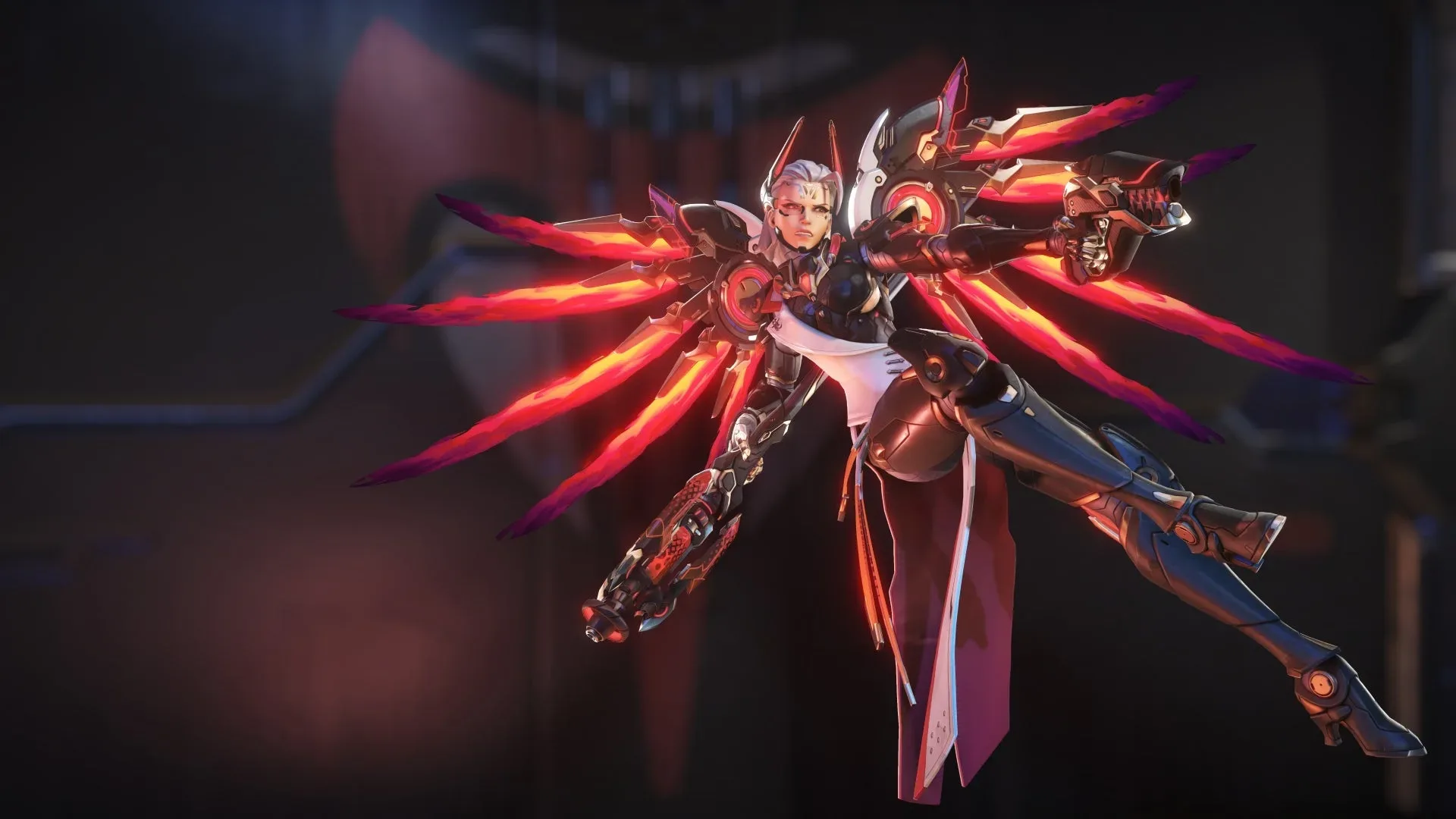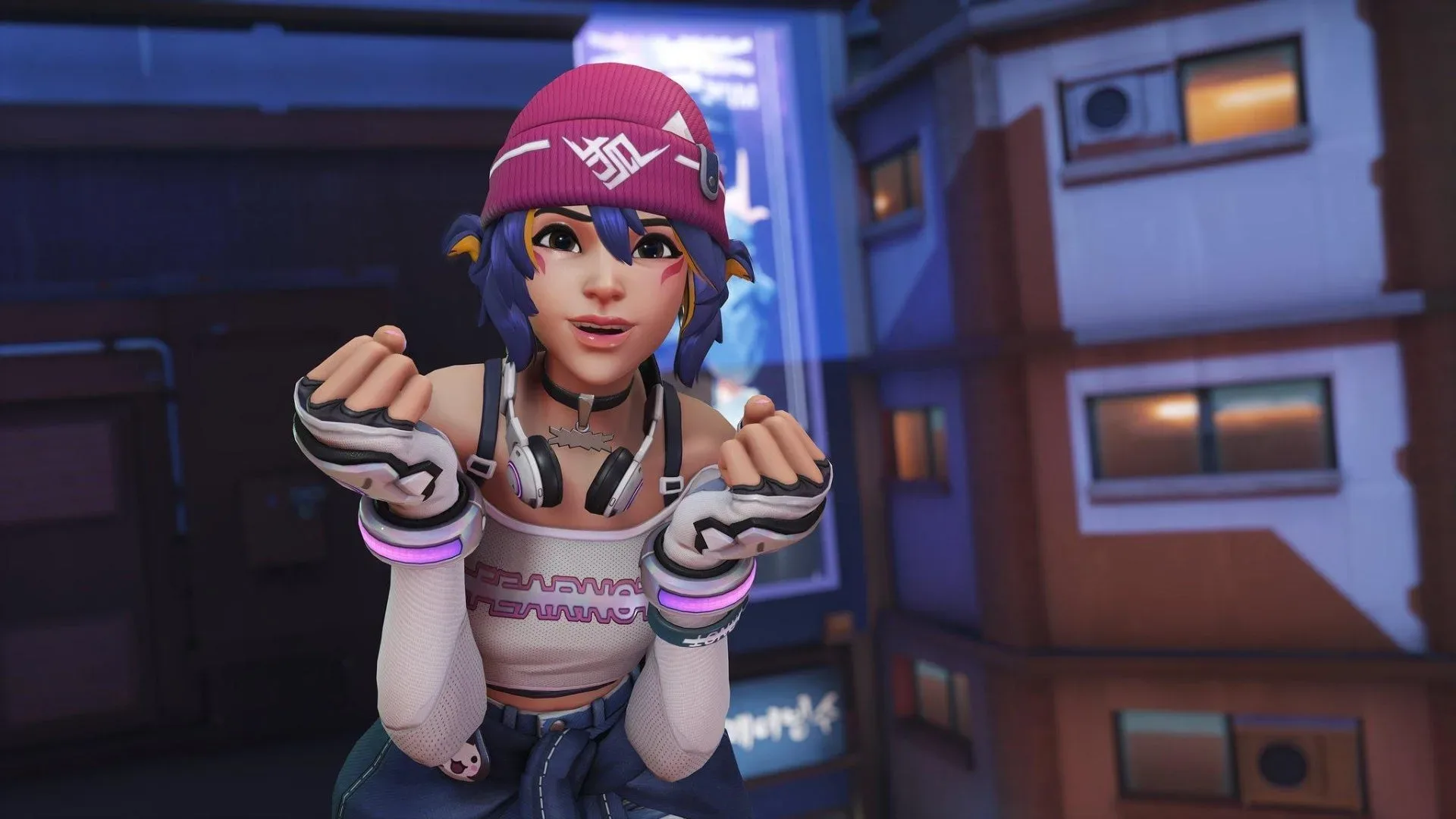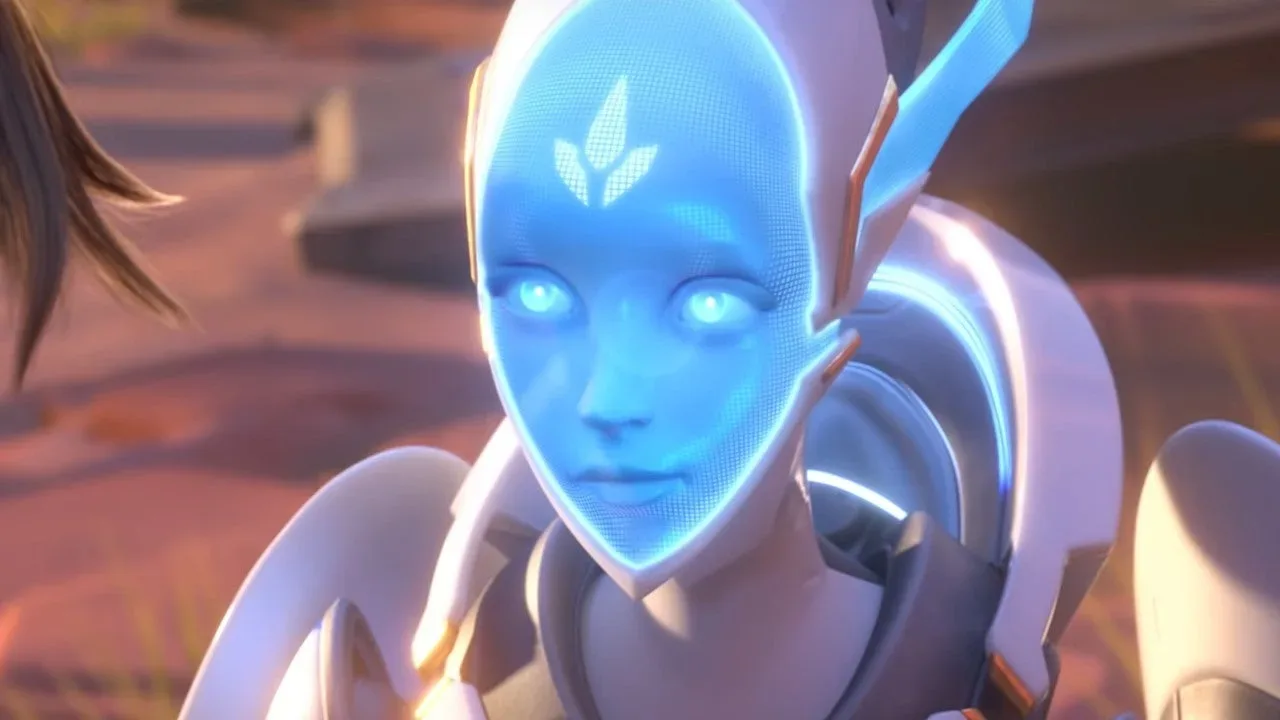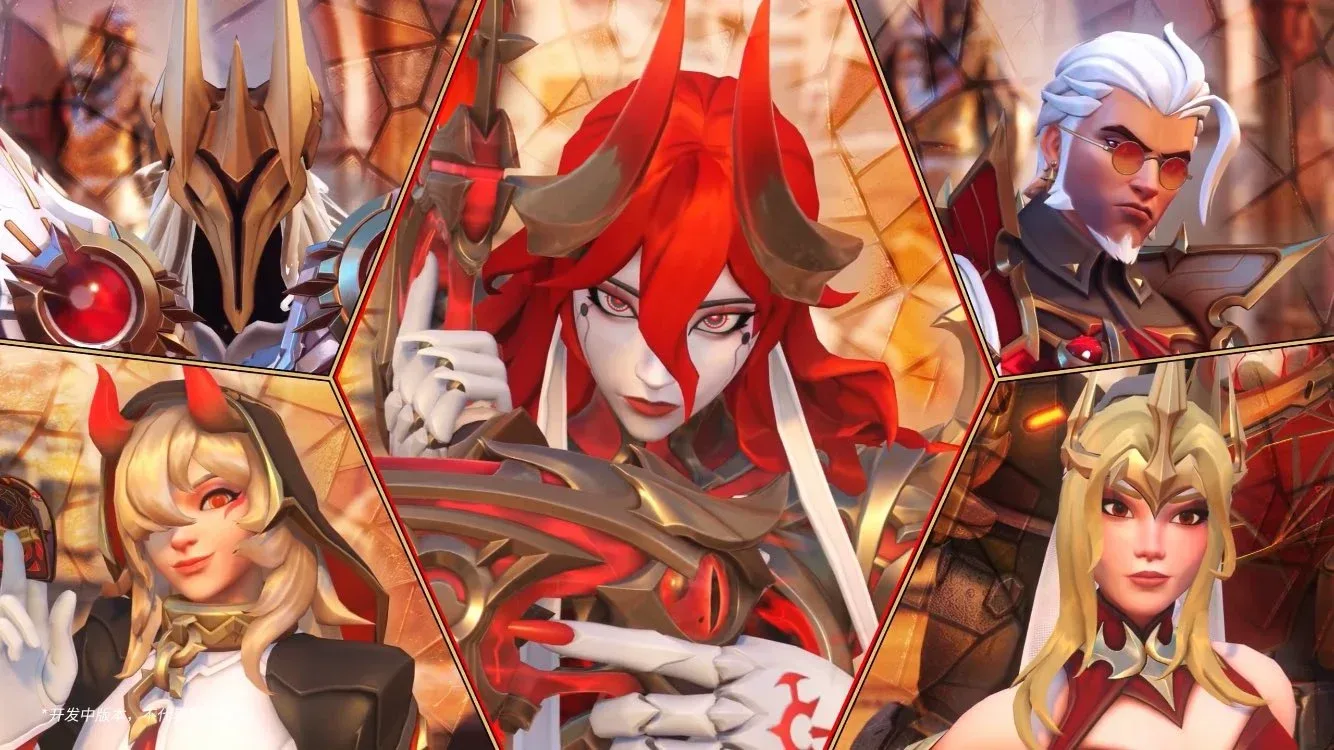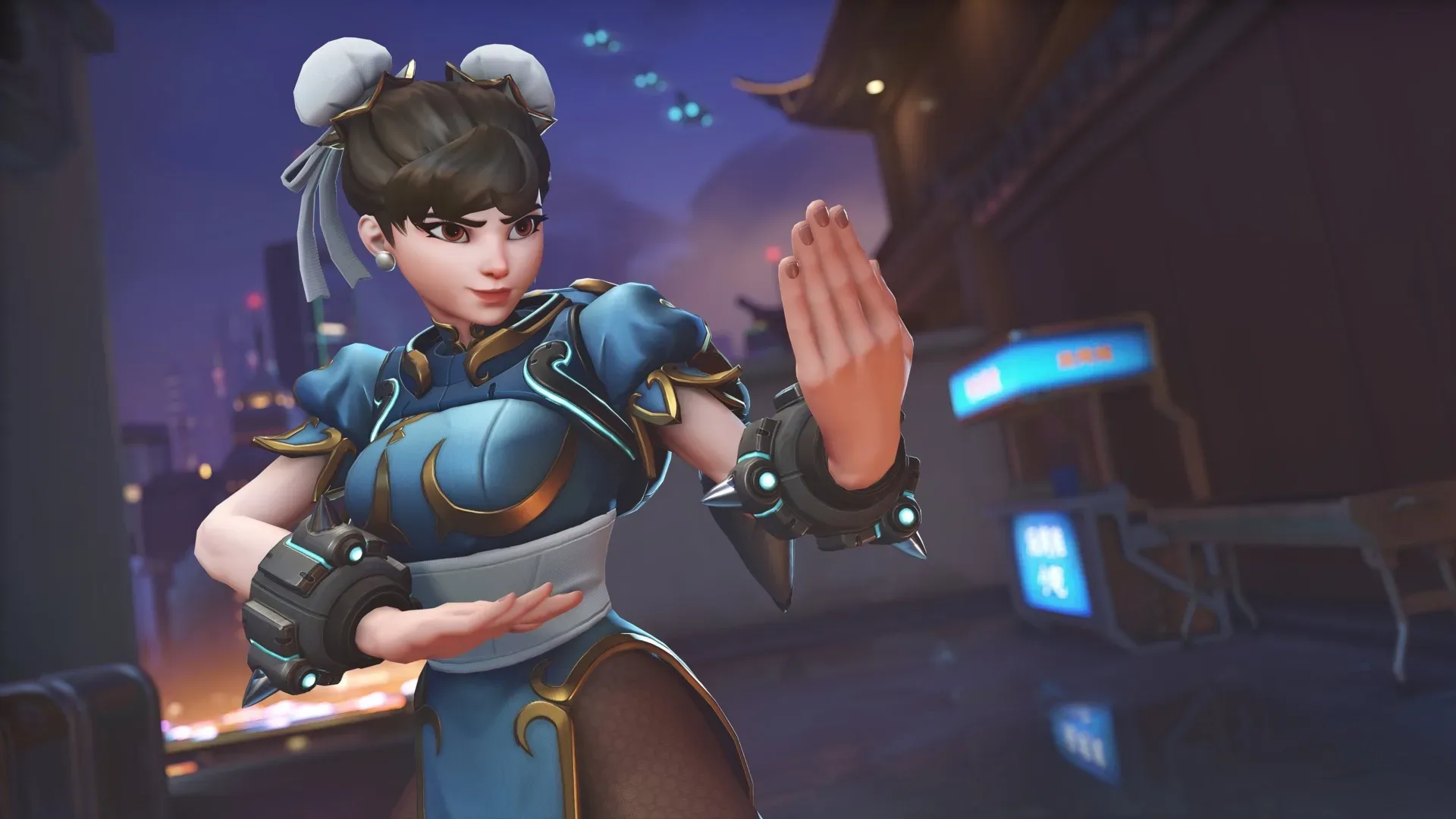
For Overwatch players, the question is rarely just whether a new skin looks good. It is also who got picked again. A steady stream of cosmetics for heroes such as Mercy, Kiriko and Juno, alongside much longer waits for characters including Baptiste, Venture and Wrecking Ball, has made skin distribution one of the game’s most durable community grievances.
Game director Aaron Keller has now given a notably direct explanation: popularity and revenue matter, but the development team is attempting to use greater production capacity and the game’s two-Mythic-per-season structure to make room for heroes that have received less cosmetic attention.
That does not promise equal treatment for all characters. Instead, it describes an ongoing balancing act in a game approaching 55 heroes, where every new addition increases the number of characters competing for skins, story appearances and broader support.
A growing roster creates a visibility problem
Keller characterized the challenge as “tricky” as Overwatch’s roster grows. His point extends beyond the storefront: adding a hero or map spreads the team’s attention across a wider pool of material. Cosmetics are the most immediately visible example, but players also notice when a hero’s narrative thread appears to sit untouched for years.
Zarya was raised as an example of the latter concern. For players who care about the setting as much as competitive matches, a long absence from the story can feel similar to a long absence from seasonal cosmetics: their chosen character is technically still present, but no longer feels actively supported.
This is an important distinction. A hero does not need a new ability or balance change to remain playable, while a skin does not alter match performance. But cosmetic and narrative attention can still shape whether a section of the player base feels seen. In a hero shooter, characters are not interchangeable avatars. Players can have a main they identify with, and a recurring lack of fresh looks or story relevance can turn into a perception that the character has slipped down the priority list.
Overwatch’s challenge is therefore partly mathematical. More heroes mean more potential skin candidates every season. The team can increase output, but it cannot make every character the headline act at once. The more honest question is not whether every hero will receive identical support, but how transparently the game balances commercial demand against roster-wide representation.
Keller’s answer: cosmetics also fund ongoing support
Keller acknowledged that certain heroes do more to support the game’s business. That is a plain statement of a reality players have frequently inferred from release patterns: cosmetics tied to characters with strong demand are likely to be attractive candidates for premium treatment.
Related coverage includes Overwatch Director Addresses Why Some Heroes Receive More Skins Than Others.
The game now produces more skins than it did during the era when loot boxes were its primary support model, helped by the battle pass and regularly refreshed store. In practical terms, those systems create more opportunities to release cosmetics, but they also make skin selection an especially visible business decision. When a familiar high-demand hero receives another major cosmetic, players of less frequently featured characters can reasonably ask when expanded output will reach them.
Keller said the team has been expanding both its capacity and its throughput. Throughput, in this context, means the quantity of completed cosmetic work the team can deliver in a given period. Greater throughput does not eliminate the need to choose which heroes lead a season, but it can create enough room for the release slate to include characters that may not be the safest commercial bet.
That framework explains why a perfectly equal skin schedule is unlikely. A live-service game needs recurring revenue to keep receiving support, and cosmetics are part of that model. Keller’s stated goal is a compromise: use strong-selling characters to help sustain the business while steadily giving more attention to heroes who have been underserved.
Why two Mythics are central to the plan
The most visible expression of that strategy is the Mythic skin program. Mythic skins are customizable cosmetic releases, distinct from ordinary character skins because their customization is a central part of their appeal. Overwatch began releasing two Mythic skins per season in October 2025.
Keller said the usual intent is for one Mythic to go to a hero expected to provide substantial business support, while the other goes to a hero that has not recently received a Mythic or many other skins. That is not presented as an absolute rule, but as the working blueprint.
For players, the potential benefit is clear. A two-slot structure can accommodate two different priorities in the same season rather than forcing every choice into a single winner-take-all argument. One pick can be commercially dependable; the other can be an act of roster maintenance for a hero whose fans have waited longer.
Lifeweaver and Junkrat illustrate the contrast in how skin attention can be perceived across the roster. Their placement on opposite ends of the cosmetic-receiving spectrum makes the case for a deliberate balancing mechanism stronger: without one, the most commercially reliable heroes could dominate top-tier releases indefinitely.
But the system also has a credibility test. A model built around one popular pick and one neglected pick will be judged on the exceptions. Last season’s pair of Genji and Widowmaker Mythics frustrated players because both heroes received their second Mythic skins while other characters were still waiting for their first. The release did not disprove Keller’s stated approach, but it showed why players remain skeptical of broad assurances without a consistent pattern over time.
Wuyang’s Mythic keeps the debate alive
The current season began on October 6 with a Mythic skin for Wuyang, a hero who has received several skins since launching last year. That choice has naturally sharpened interest in the second Mythic due during the midseason phase.
Under Keller’s description of the plan, that remaining slot is where players will look for evidence of the promised counterweight: a hero with little recent cosmetic support, or one still waiting for a first Mythic. Until that release is revealed, it is not possible to say whether the season will ultimately follow the intended popular-plus-overlooked split.
The important caveat is that player priorities will not align perfectly even if the team does select an underrepresented character. “Overlooked” can mean several things: no Mythic skin, few Legendary skins, a long time since the last major cosmetic, or simply a sense that the hero has missed out compared with peers. Those standards can overlap, but they are not identical. Any single pick will leave other groups waiting.
What this means for players who main less-promoted heroes
Keller’s comments offer a rationale, not a timetable. Players should not read them as confirmation that a particular hero is next in line. There is no announced rotation, no stated minimum period between major cosmetics, and no guarantee that every character will receive a Mythic at the same pace.
What the comments do establish is that uneven cosmetic distribution is not being treated as invisible. The team recognizes both the commercial pull of certain heroes and the frustration from communities built around characters that receive fewer premium cosmetics. Its answer is to expand the number of skins it can make and use paired Mythic releases to distribute some of that extra capacity beyond the most dependable sellers.
Whether that answer feels sufficient will depend on results rather than intent. Overwatch players have years of release history informing their expectations, and one Mythic pair can generate as much discussion as a season of balance updates. The upcoming midseason skin will be watched closely for that reason.
There is also a broader lesson for games built around a large cast: content volume alone cannot solve an attention problem. More skins help, but patterns matter. Players compare the quality, rarity and frequency of cosmetics—not merely the raw total. A hero who gets an occasional standard skin may not feel equally supported beside one who repeatedly receives major, customizable releases.
For now, Keller’s explanation is unusually candid about the forces behind those patterns. Overwatch wants cosmetics that sustain the game financially, and it also wants enough output to serve a wider cast. The tension between those goals is unlikely to disappear as the roster grows. The two-Mythic system is the clearest available measure of whether the balance is improving.
In the wider games business, the need to maintain long-running worlds and release calendars remains a constant concern; World of Warcraft Forever’s preload ahead of launch is another reminder that ongoing game support often has many competing demands. For Overwatch, though, the immediate scoreboard is much simpler: which hero receives the next major skin, and whether players who have been waiting see their turn arrive.