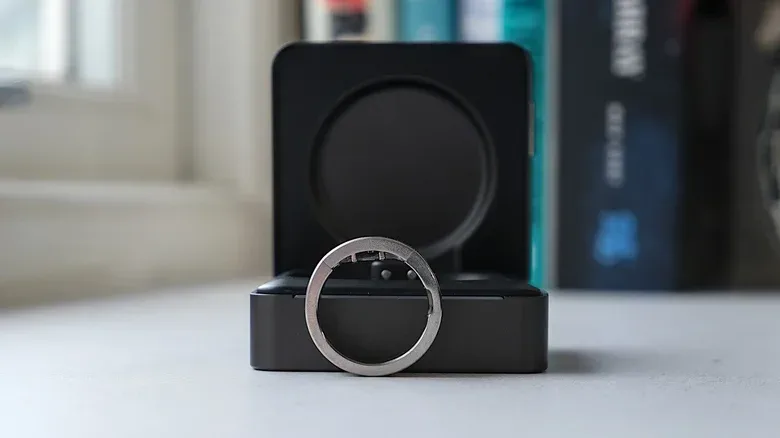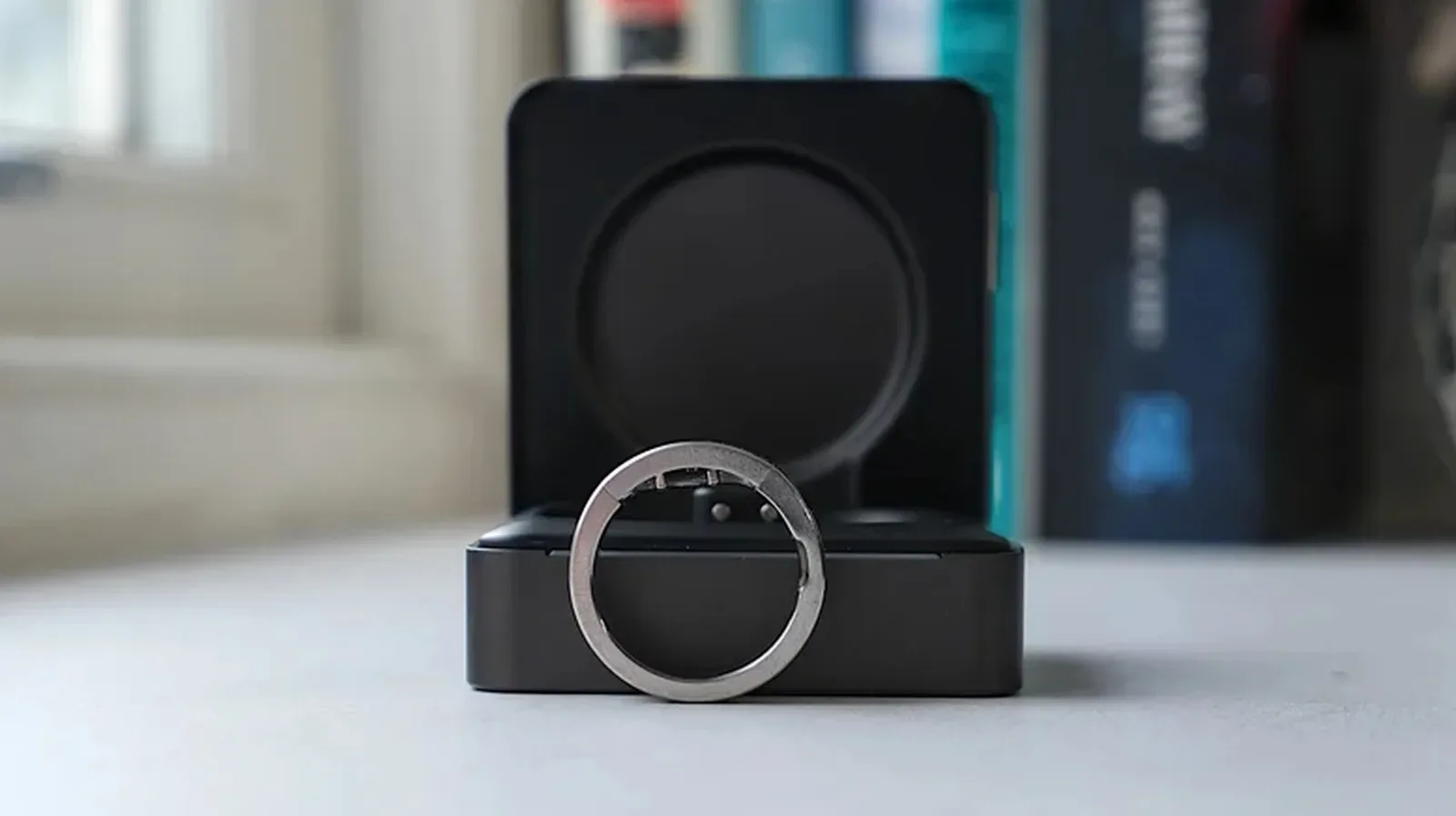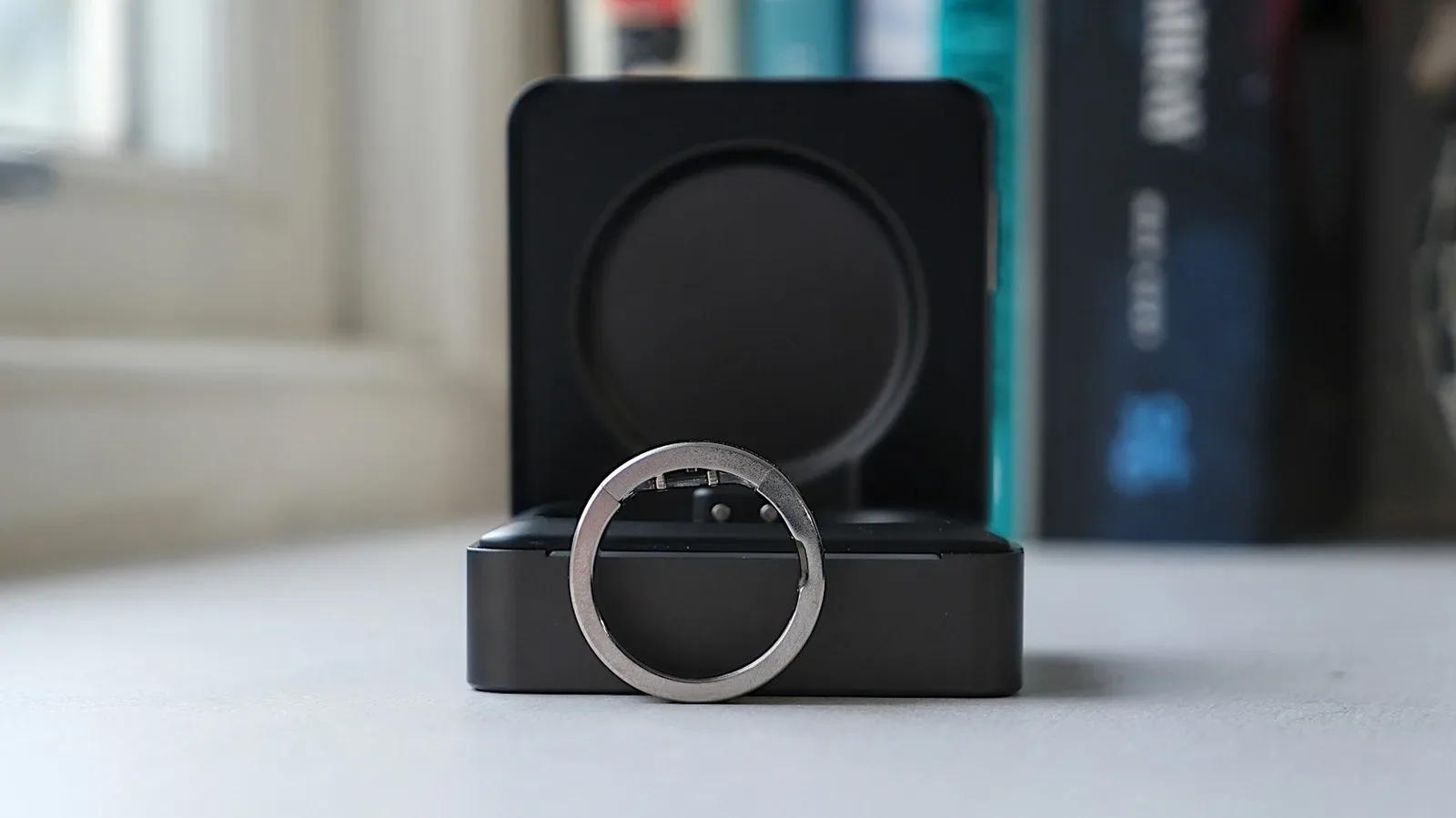
Smart-ring maker Oura has opened another legal front against Ultrahuman in the United States, alleging that Ultrahuman’s Ring Pro infringes two Oura patents. The complaint, filed in federal court in Texas, seeks monetary damages and an order preventing further US sales of the Ring Pro.
The case arrives after an earlier dispute in which Ultrahuman’s Ring Air was blocked from sale in the US following an International Trade Commission ruling that found infringement of several Oura patents. Ultrahuman’s Ring Air remains available in Europe and other markets, but the company subsequently introduced a redesigned Ring Pro for the American market.
That redesign is now at the center of the new conflict. Oura contends that the altered product still uses protected inventions. Ultrahuman rejects that position, saying the Ring Pro was independently reviewed following the previous proceeding and that US Customs and Border Protection determined it did not infringe the Oura patent considered in that matter.
What Oura is alleging
Oura’s new lawsuit concerns two patents described as involving the ring’s design and its internal components. One is patent number 12,769,363, which was issued only two days before Oura filed this case. The patent appears to cover a smart-ring arrangement involving a housing, battery and specified components inside the device.
That timing is notable, but it does not decide the lawsuit by itself. A newly issued patent can be asserted in court, yet Oura will still need to establish that the Ring Pro contains the patented elements in the way the claims require. Ultrahuman, in turn, can challenge Oura’s infringement theory and defend the technical distinctions of its redesigned product through the legal process.
Oura’s position is that Ultrahuman changed the Ring Air but did not change it enough. In its public description of the filing, Oura said the latest ring continues to incorporate its patented innovations. The company is asking for damages as well as a sales restriction, meaning the requested outcome goes beyond a financial dispute: Oura wants the Ring Pro removed from the US market.
The lawsuit also names SVTronics, the company that manufactures the Ring Pro at a Plano, Texas facility for the US market under Ultrahuman’s direction. Including a manufacturer as a defendant puts the supply side of the product under the same litigation umbrella as the brand selling it.
Ultrahuman says its Ring Pro remains available
Ultrahuman has said it will vigorously fight the complaint and that the Ring Pro remains on sale in the United States. Its central response draws a careful distinction between the old dispute and the new one: Customs and Border Protection’s earlier non-infringement determination concerned the Oura patent examined in the previous proceeding, while Oura is now asserting different patents.
Related coverage includes Oura Files New US Patent Suit Against Ultrahuman Over Ring Pro.
That distinction matters. A finding involving one patent is not automatically a blanket clearance for every patent a rival might later raise. Patent cases are claim-specific: the court considers the language of the particular asserted patent claims and compares it with the accused product. Conversely, the fact that a new patent has been issued does not automatically prove an existing product infringes it.
For shoppers, the immediate practical point is straightforward: the prior Ring Air restriction does not mean the Ring Pro has already been barred. Ultrahuman says the Ring Pro is still for sale in the US, and the new lawsuit is an allegation that has yet to be resolved. A court could ultimately agree with Oura, agree with Ultrahuman, or reach an outcome that changes the product, its sale terms or the parties’ financial obligations. None of those results should be presumed from the filing alone.
Why a redesign did not end the dispute
In consumer hardware, a redesign can be an attempt to steer around a competitor’s intellectual-property claims. The exercise is often called a design-around: engineers modify a product so it no longer includes a patented combination or method. It is not necessarily about making a device visibly different. In this dispute, the arguments concern both the ring’s physical design and what sits inside its housing, including the battery and other components.
But a design-around is only effective if it avoids the legal scope of the patents at issue. Ultrahuman says its Ring Pro cleared review in the earlier matter. Oura argues that the current model nevertheless infringes two separate patents, one of them newly granted. This is why the disagreement has continued even after Ultrahuman changed its product and obtained a Customs and Border Protection determination tied to the prior patent proceeding.
The technical stakes are heightened in a smart ring because a small form factor forces major parts into a very limited space. A ring needs a housing and battery alongside the internal hardware needed for its intended wearable functions. The new case appears to focus on how those elements are arranged or combined. The available information does not establish which exact Ring Pro features Oura says match each asserted claim, so it would be premature to treat broad descriptions of the patent as a final explanation of liability.
A few legal terms worth separating
- Patent infringement: an allegation that a product or process falls within the scope of a valid patent claim. It is a legal conclusion, not simply a claim that two products look similar.
- ITC ruling: the prior US restriction involving Ring Air followed an International Trade Commission finding concerning several Oura patents. That earlier result is background for the present fight, but the new case involves different asserted patents.
- Customs and Border Protection determination: Ultrahuman says the agency concluded that its Ring Pro did not infringe the Oura patent considered after the earlier proceeding. The company emphasizes that this review did not involve the newly asserted patents.
- Damages: money requested by a plaintiff to compensate for alleged infringement. Oura is seeking damages in addition to a halt to US sales.
- Injunction: a court order requiring or preventing conduct. Here, Oura wants an order stopping sales of the Ring Pro in the United States.
A crowded patent backdrop around smart rings
This is not Oura’s only active patent conflict in the wearables space. Samsung took pre-emptive legal action against Oura in 2024 amid concern that Oura would sue over the Galaxy Ring. Oura subsequently sued Samsung, and the companies remained in a patent dispute as of this summer.
Samsung is, of course, also a familiar name in gaming hardware coverage, including its Odyssey G7 gaming-monitor offering. Its presence in smart-ring litigation illustrates how closely wellness wearables now sit beside the larger consumer-tech market, where firms may compete across very different device categories while defending intellectual property in each of them.
Oura has also recently announced a partnership with the US military involving a Palantir hosting environment. That development is separate from the Ultrahuman case, but it underlines the broader commercial importance of Oura’s wearable technology and associated infrastructure at a moment when the company is actively defending its patent portfolio.
What to watch next
The key question is not whether smart rings generally are permitted or whether every ring with a battery and housing implicates Oura’s patent. The court will instead assess the two specific patents Oura asserts, the meaning of their claims, and the particulars of Ultrahuman’s Ring Pro. Ultrahuman’s defense is likely to focus on why the Ring Pro’s redesign falls outside those claims, as well as the significance of the prior Customs and Border Protection review.
For now, consumers considering Ultrahuman’s latest ring should distinguish between availability and certainty. The Ring Pro is presently sold in the US, based on Ultrahuman’s statement, but its status is being challenged in court. For the companies, the case tests whether a redesign that was sufficient for one patent dispute can withstand a new claim set. For the smart-ring market, it is another reminder that tiny devices can carry unusually large legal questions when the design, power system and internal layout are all central to the product.