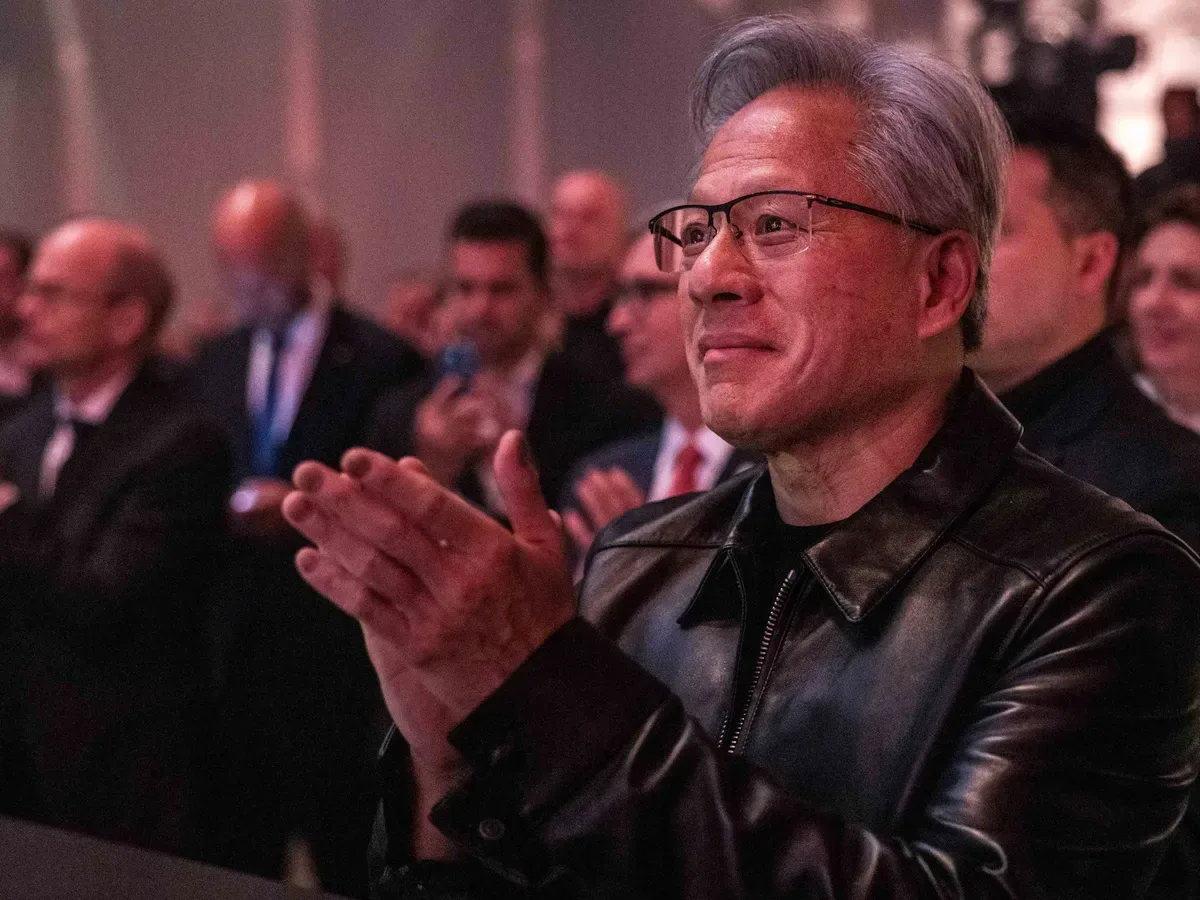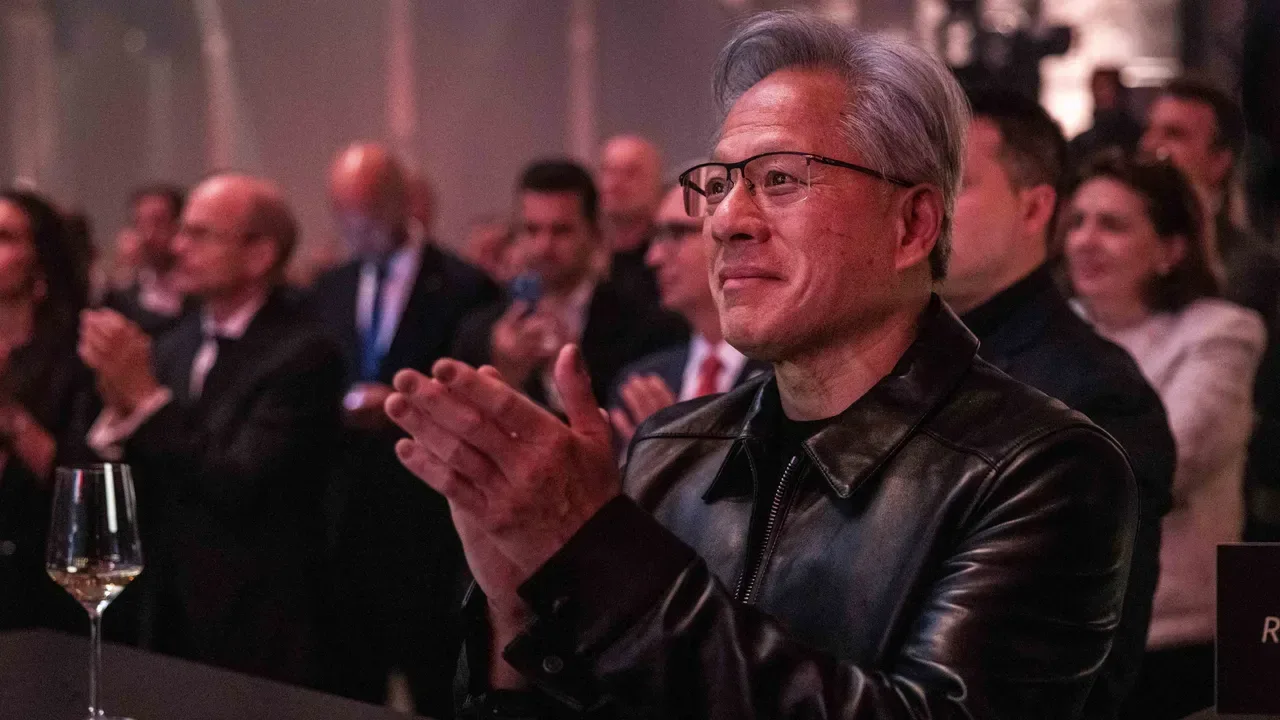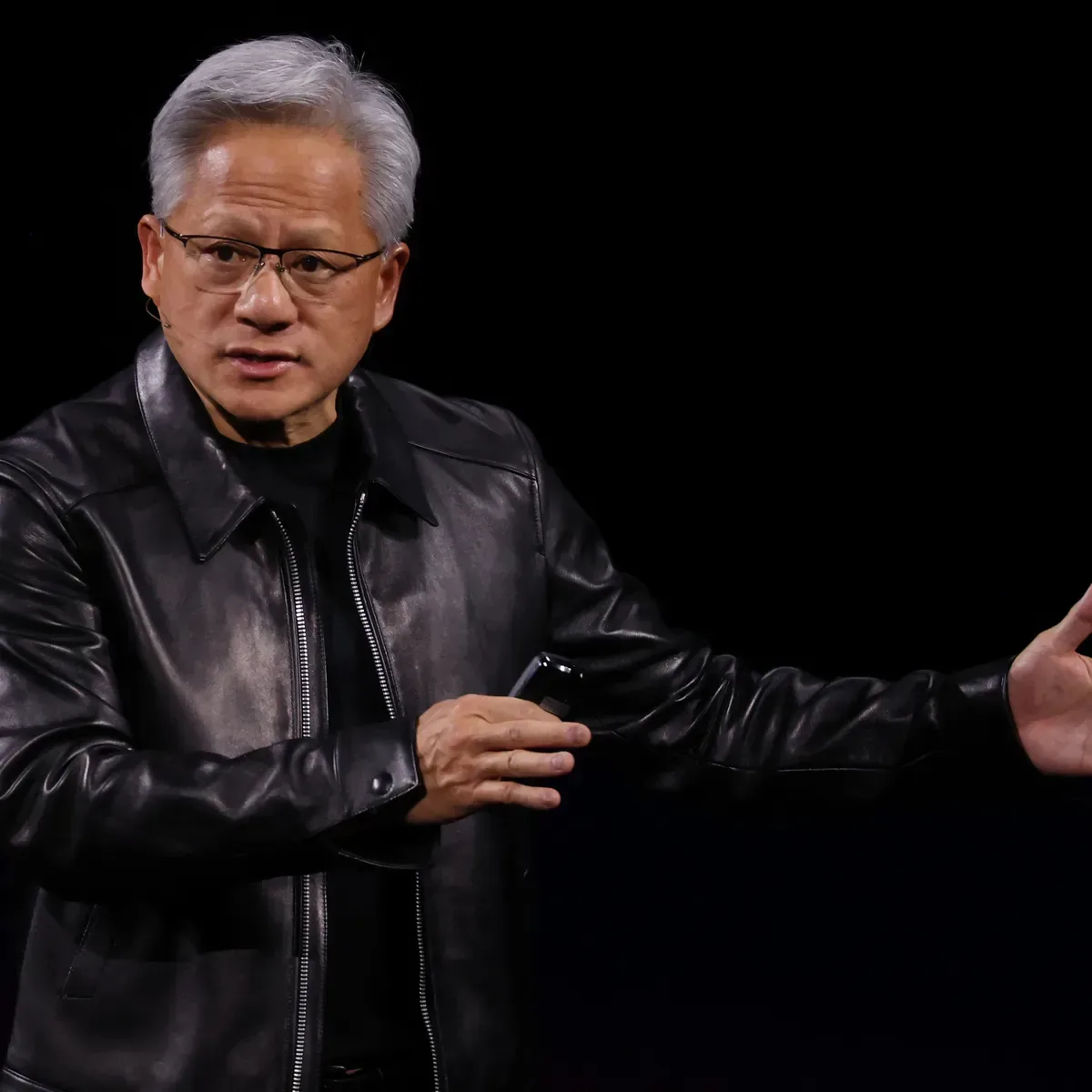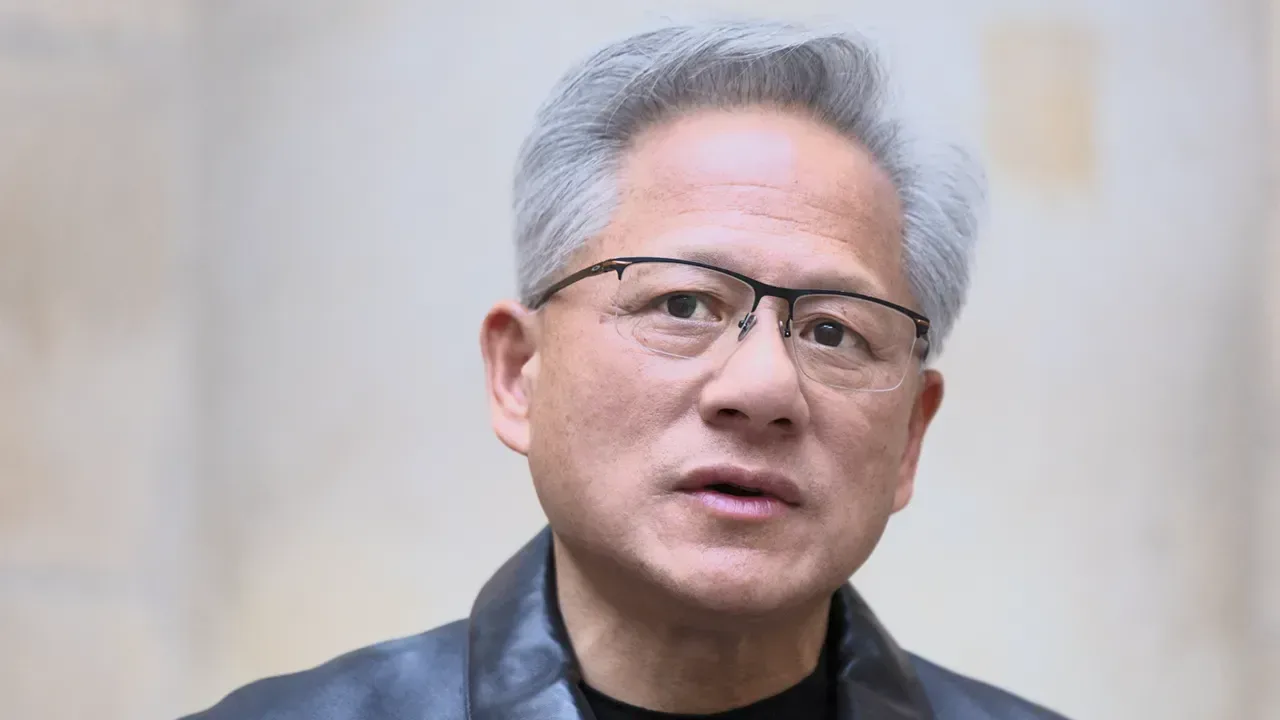
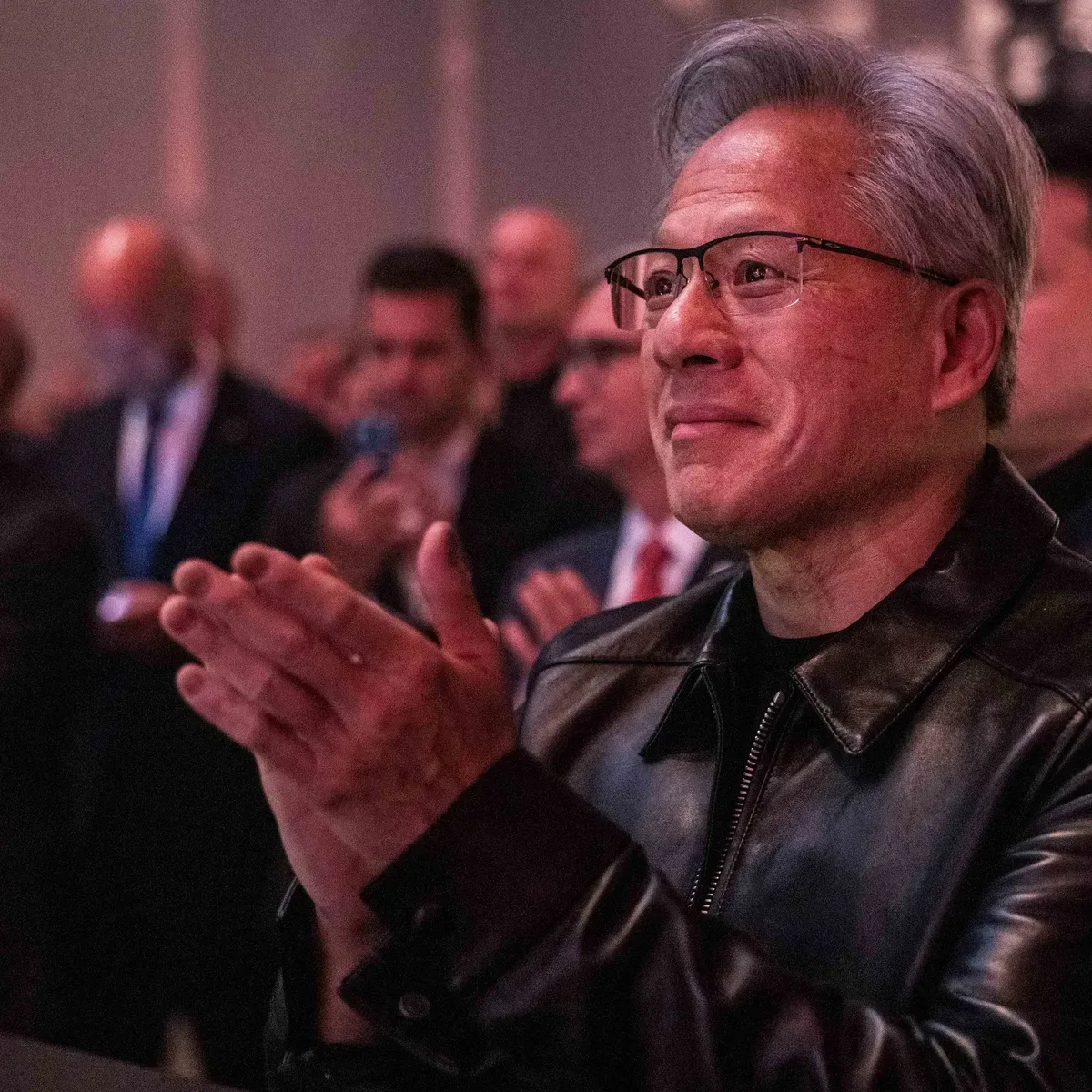
Nvidia has reinstated Jensen Huang as its president, chief executive officer and board director, returning the company co-founder to its top leadership roles less than two weeks after his resignation on November 12. The board said its decision was unanimous following discussions with Huang that left directors satisfied with his candor and his capacity to lead the company.
The reversal arrives amid an extraordinary mix of personal allegations, unproven national-security concerns, questions about chip sales to China, and public political pressure. President Donald Trump called for Huang’s return in a Truth Social post hours before Nvidia announced the board’s decision, arguing that reinstatement would serve both the company and the United States.
Huang had stepped down after reports of an affair involving a woman whom U.S. officials suspect may have worked for Chinese intelligence. That suspicion has not been proven. Huang has not been accused of criminal wrongdoing. Those distinctions matter: an allegation, an intelligence concern, an internal investigation and a criminal charge are not interchangeable things, and the available information does not establish the latter.
Nvidia said its board received input from senior levels of the U.S. government during its deliberations and is confident Huang’s reinstatement presents no national-security risk. The company has nevertheless said it will continue investigating reports that Huang may have been targeted by a foreign intelligence effort.
A rapid return, but not a clean reset
Huang had indicated last week that he was prepared to return if the board concluded doing so was best for Nvidia. He also apologized for the disruption caused to both the company and his family. Some Nvidia employees and technology executives publicly supported a reinstatement.
That support helps explain why a board might prioritize leadership continuity at a company whose strategic position is heavily tied to advanced chips. But the reinstatement does not resolve the questions that triggered the crisis. Nvidia has acknowledged continuing government investigations and inquiries, and the company is taking steps meant to put more formal oversight around trade compliance and national-security risks.
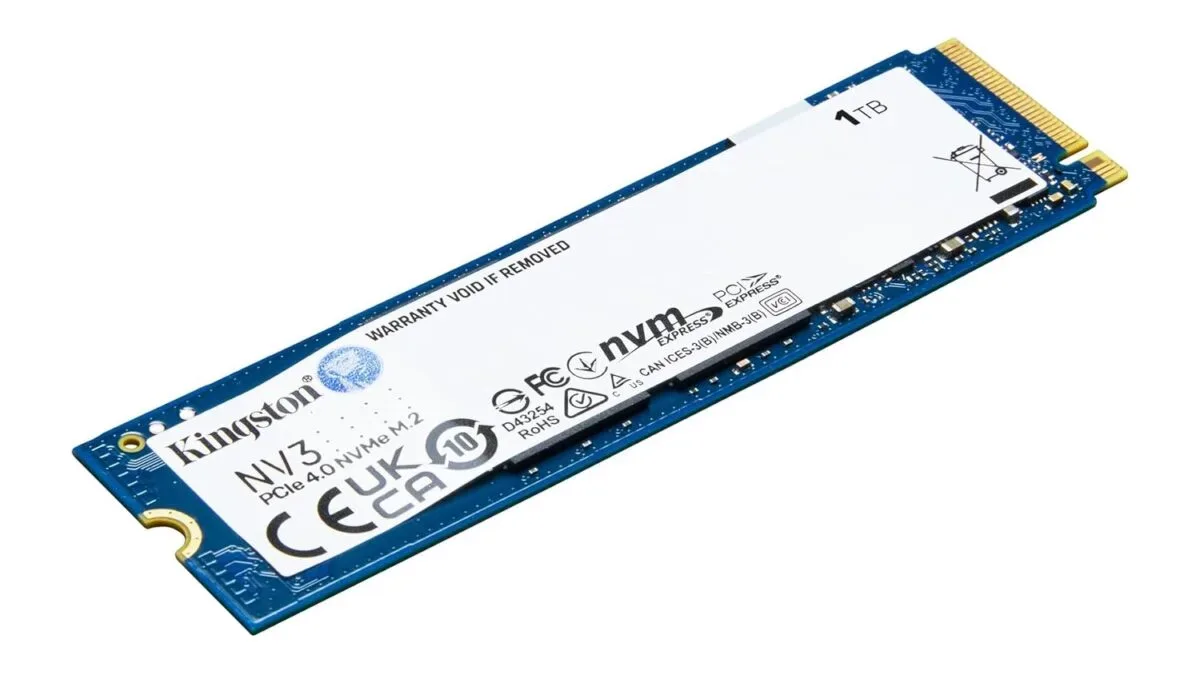
For customers and PC builders, Nvidia’s leadership news does not itself announce a change to GeForce products, GPU road maps, driver support or retail availability. It is corporate-governance news with potentially broader implications for a company that supplies technology used across consumer graphics and other advanced computing markets. Readers looking at immediate storage rather than GPU developments can also see this practical PCIe 4.0 game-storage upgrade.
What Nvidia says it is changing
Alongside Huang’s return, Nvidia said it has formed a National Security and Export Control Committee. The committee is intended to oversee trade-compliance matters and national-security risks. The company is also seeking a chief compliance officer who would oversee compliance across Nvidia and report to the Nominating and Corporate Governance Committee.
Those titles can sound procedural, but they describe important internal guardrails:
- Export controls are government restrictions on the sale, transfer or sharing of designated goods and technologies across borders or with particular parties. In this situation, attention centers on reports and questions concerning sales of chips to China.
- Trade compliance is the corporate process of ensuring business activity follows applicable export rules, sanctions-related requirements and other trade restrictions. It typically involves internal policies, review processes, training, documentation and escalation when a proposed transaction poses risk.
- National-security oversight means examining whether company activity could create risks that reach beyond ordinary commercial considerations. Nvidia’s new committee is being framed as a board-level mechanism for that oversight.
- A chief compliance officer is an executive charged with overseeing whether a business follows relevant rules and internal standards. Nvidia says this role will report to its Nominating and Corporate Governance Committee, connecting compliance directly to board-level governance.
The practical significance is that Nvidia is not presenting Huang’s return as the end of its response. Instead, it is pairing the leadership decision with an investigation and a new compliance structure. That approach recognizes two separate tracks: whether Huang can lead the company, and whether the company’s controls around sensitive trade and security matters are sufficient.
The investigation remains active
Nvidia says its committee investigating the reported foreign intelligence effort will continue its work. Huang supports the investigation and has committed to cooperating, the company said.
That wording is important because it leaves the investigation open rather than declaring its subject settled. The company’s confidence that Huang’s reinstatement poses no national-security risk is a conclusion related to his return to office. It is not a public accounting of every allegation, every reported contact, or every broader compliance question facing Nvidia.
Likewise, the report that the woman involved was suspected by U.S. officials of working for Chinese intelligence remains a suspicion rather than an established fact on the information available. There is no stated criminal accusation against Huang. Careful reporting should preserve that uncertainty, especially when personal conduct, intelligence allegations and corporate export questions are being discussed in the same story.
Congressional questions are still looming
Huang is reportedly expected to appear before the House Foreign Affairs, Intelligence and China Select Committees on December 1. The chairs of those committees have said they want answers concerning Huang and Nvidia’s potential role in allowing dangerous People’s Republic of China actors to access advanced chips, as well as the reported role of a potential Chinese intelligence asset in the controversy.
A planned congressional appearance is not a finding of wrongdoing. It does, however, signal that scrutiny extends beyond Nvidia’s own board process. Lawmakers can seek explanations about corporate decision-making, compliance systems, sales practices and how executives responded to risks. Nvidia has said it will continue to cooperate with government investigations and inquiries.
The phrase PRC actors refers to actors connected to the People’s Republic of China. In this context, lawmakers are focusing on access to advanced chips, not making a generic statement about every Chinese customer or every product sale. The precise facts that committees may examine have not been laid out in the material available, so it would be premature to assume what any hearing will establish.
Why a board’s unanimous vote matters
Boards hire, evaluate and, when needed, replace chief executives. A unanimous vote is a significant expression of collective backing, particularly after a resignation tied to a high-profile scandal. Nvidia says the decision followed a series of discussions and meetings with Huang, and that directors were persuaded by both his candor and leadership ability.
But board confidence and public accountability operate on different timelines. Directors can decide that an executive should return while external inquiries continue. The government can provide input on a security assessment while still pursuing its own investigations. Congress can schedule testimony while the company builds new oversight systems. All of those developments can coexist without one automatically deciding the others.
That is the central tension in Nvidia’s announcement. The company is emphasizing stability at the top, but it is also conceding through its actions that stability requires stronger safeguards and answers. The newly announced committee and chief compliance officer search suggest Nvidia sees governance as an active project, not merely a communications exercise.
What has been established—and what has not
The confirmed corporate actions are comparatively clear. Huang has been reinstated as president, CEO and board director. Nvidia says the vote was unanimous. It has created a National Security and Export Control Committee, is looking for a chief compliance officer, and is continuing an investigation into the reported foreign intelligence effort. It also says the board received high-level U.S. government input and found no national-security risk in returning Huang to his posts.
Other points remain unresolved. The suspicion concerning the alleged intelligence connection has not been proven. Huang has not been accused of a crime. Questions remain about responsibility for compliance at Nvidia and about reports concerning chip sales to China. The company has not provided a public outcome for its investigation, and the reported December 1 congressional appearance has yet to take place.
For the gaming and PC audience, it is reasonable to watch this story because Nvidia sits in a prominent position in graphics technology. Still, the immediate takeaway is institutional rather than consumer-facing: a CEO has returned, while the company’s compliance architecture and government-facing scrutiny are becoming more visible. Whether those changes satisfy investigators, lawmakers, employees and customers will depend on facts that have not yet been made public.