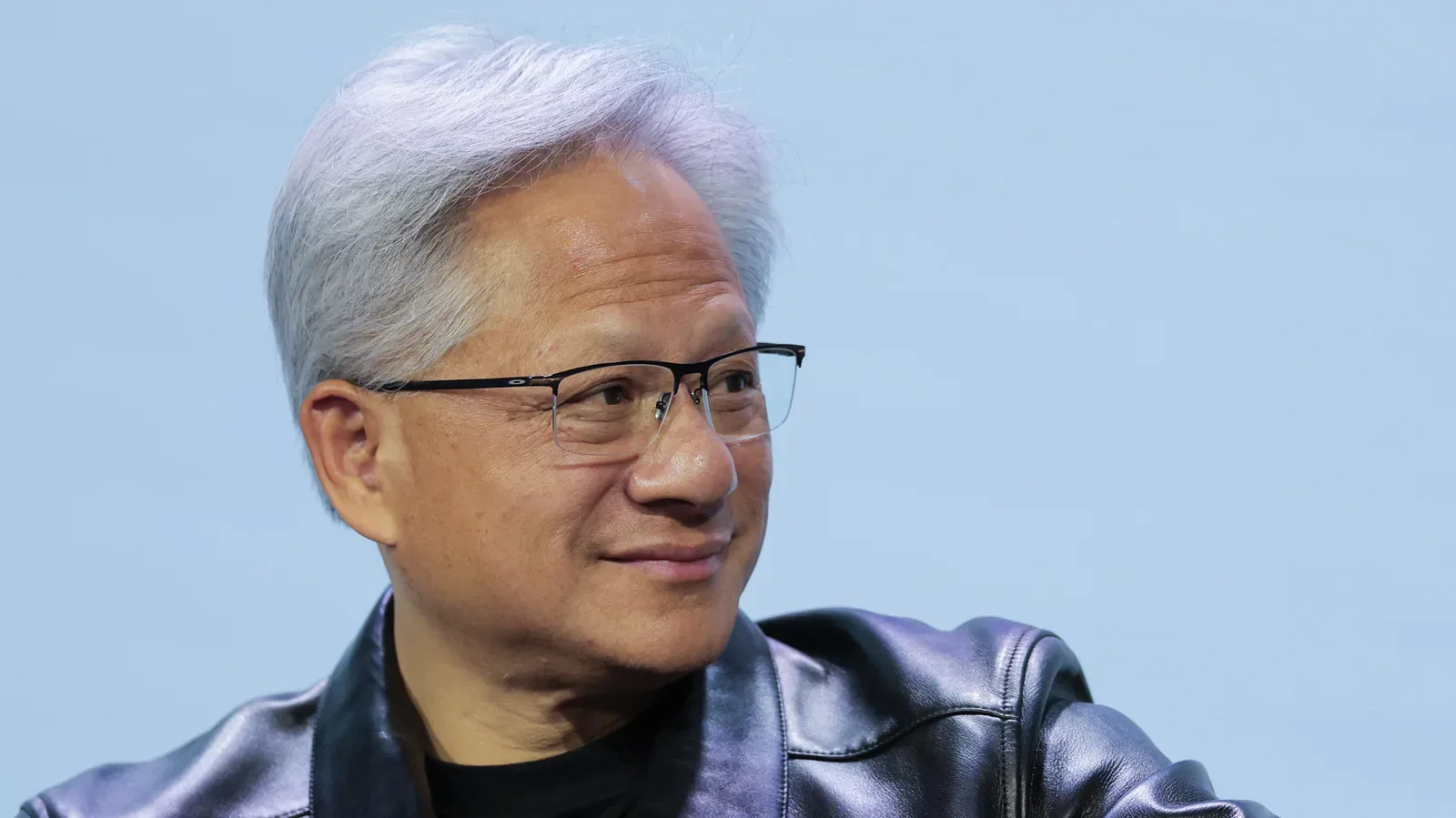
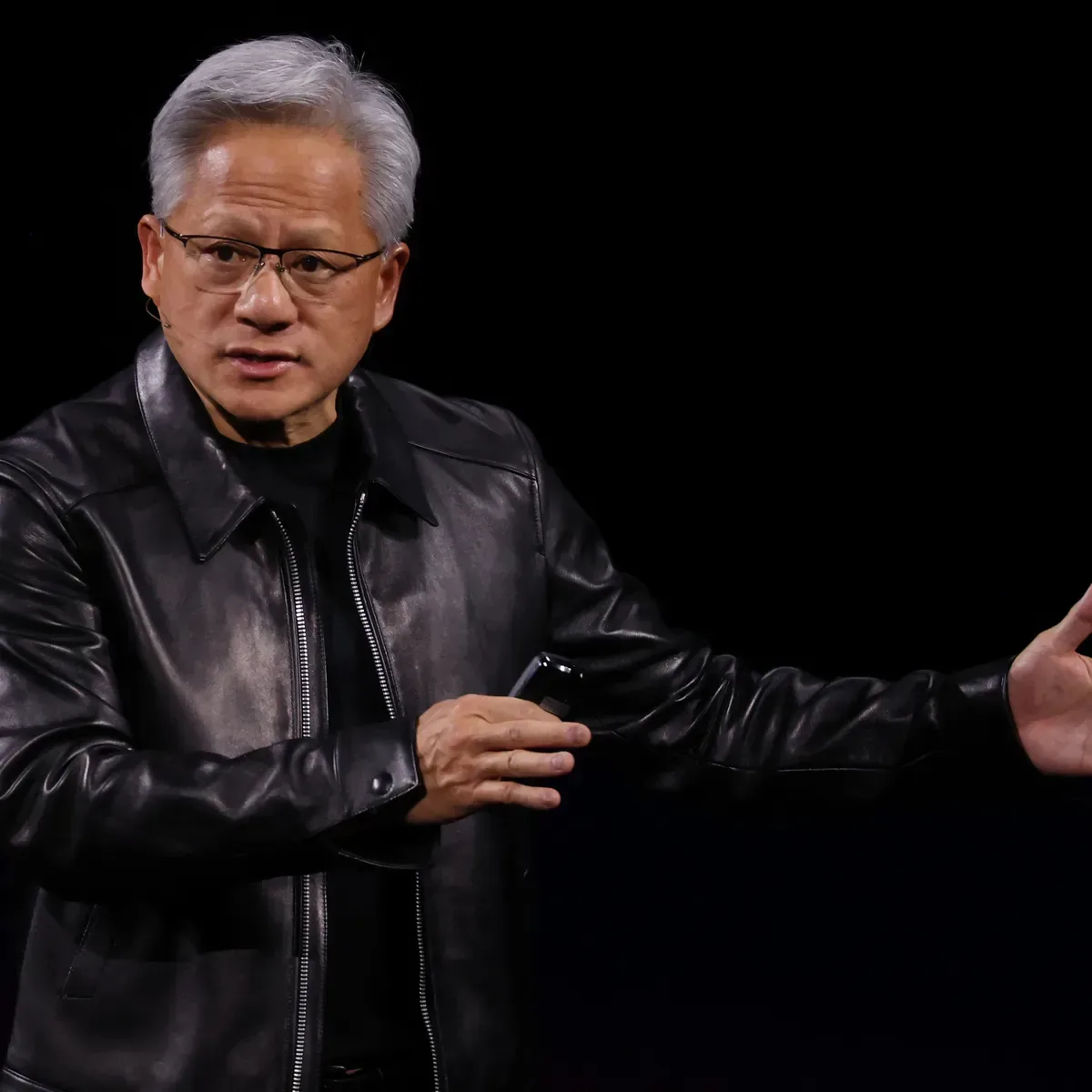
Nvidia’s board has established a National Security and Export Control Oversight Committee, placing the company’s approach to security policy and export-control compliance under a dedicated layer of board oversight.
The move arrives amid extraordinary claims surrounding former CEO and co-founder Jensen Huang, including allegations tied to personal conduct, suspected espionage and the movement of AI chips to China. Those allegations remain allegations in the material provided, and it does not establish that company secrets were compromised or that a breach occurred. What is confirmed in that material is the creation of the new committee and its stated remit: board-level oversight of Nvidia’s national-security policies and compliance with export controls.
For a company whose processors sit at the center of high-end computing, AI development and PC graphics, that remit is consequential. Export compliance can sound like back-office legal language, but it concerns a practical question with enormous stakes: which products can be supplied to which customers and territories, under what rules, and with what safeguards against prohibited transfers.
What Nvidia’s new committee is meant to oversee
The committee’s name spells out two connected responsibilities. National-security policy concerns the company’s response to security risks associated with advanced computing technology. Export-control compliance concerns adherence to trade restrictions that regulate the transfer of controlled products and technology across borders.
Its purpose is not described as day-to-day management of shipments. Rather, this is an oversight body established by Nvidia’s board. That distinction matters. Management generally runs operations and compliance processes; a board committee is a mechanism through which directors can ask questions, monitor risks, review policies and hold leadership accountable at a higher governance level.
Harvey Jones, chairman of Nvidia’s board, framed the decision around the national-security challenges raised by advanced silicon and the development of artificial and superintelligence. He said Nvidia intends to work with governments and industry partners on a framework that protects national security while allowing technological innovation to continue.
That statement presents the committee as more than a reaction to a single set of claims. It positions oversight as an ongoing responsibility for a company whose chips can power sophisticated AI workloads. Still, the timing means the committee will inevitably be read through the lens of the allegations now surrounding Nvidia’s former chief executive and a broader investigation into suspected export-control violations.
The allegations and the key uncertainty
The provided material says Huang stepped down last week amid a scandal involving allegations of multiple affairs and suspected espionage. It also says a reported $12 billion in AI chips may have been routed into China. Neither the committee’s formation nor the board statement establishes that the alleged chip transfers occurred, that Huang was responsible for any wrongdoing, or that confidential company information was taken.
This distinction is essential. Corporate governance actions can be precautionary: boards may strengthen oversight because an allegation exposes a risk, because regulators are examining an area, or because existing controls need independent attention. The existence of a new committee should not be treated as proof of any specific alleged misconduct.
Earlier information described in the material indicated that Nvidia’s initial investigation did not appear to show compromised company secrets. It is not clear whether the board has received additional information since then. The new committee may therefore be best understood as a formal safeguard intended to reduce exposure to future problems, rather than a public finding about what did or did not happen in the past.
Why export controls matter in the AI-chip business
An export control is a legal restriction governing the export, re-export or transfer of particular goods, software or technologies. These rules can apply because a product has military relevance, national-security implications or advanced technical capabilities that governments believe require special handling.
For AI hardware, compliance does not stop at an initial sale. A central concern can be whether a controlled product is later routed through another company or jurisdiction before reaching a restricted destination or end user. That is why supply-chain records, customer screening, distribution partners and internal escalation procedures can all matter.
The material says U.S. authorities have confirmed an investigation into Singapore-based Megaspeed over suspicions that it helped move Nvidia chips to China in violation of U.S. export controls. It also says the Department of Justice and Department of Commerce had been investigating the firm since 2024. Megaspeed is suspected, not found liable, within the information supplied here. China has denied the spying allegations.
These details explain why a board committee could have a wide brief. Oversight may involve asking whether policies are clear, whether compliance teams have adequate authority, how potential red flags are documented and escalated, and whether business partners are subject to appropriate due diligence. The material does not specify Nvidia’s internal procedures, so it would be wrong to assume which controls exist or where they may have failed.
A leadership question remains separate from compliance oversight
The announcement also follows speculation that Huang could seek a return to Nvidia. The board subsequently rejected the suggestion that it was considering his return, according to the provided material. Nvidia employees reportedly called for Huang’s reinstatement, while tech executives including Elon Musk and Epic Games chief Tim Sweeney also offered support.
Support from employees or industry figures, however, is not the same thing as a board decision. The establishment of a new oversight committee does not itself rule out every conceivable leadership outcome, but it does demonstrate that the board is emphasizing institutional controls and governance while the controversy remains unresolved.
It is also useful to keep two questions apart. One is who should lead Nvidia. The other is whether the company’s security and export-control systems are equipped to manage the risks attached to advanced computing products. A board can face both questions at once, but a committee directed at compliance is not a verdict on the former CEO’s personal or legal responsibility.
What this could mean for PC and gaming audiences
Nvidia is closely associated with consumer graphics hardware as well as AI computing. The committee announcement, however, concerns national security and trade compliance, not a newly described GeForce product, gaming-driver change, consumer pricing decision or retail availability adjustment.
That means gamers should resist drawing immediate conclusions about consumer GPU supply or the status of particular products. The information provided does not say that the committee will change sales of gaming cards, alter the GeForce roadmap or affect specific regions. Any such claim would go beyond the available evidence.
There is still a broader reason PC players and builders may want to follow the story. Companies making influential computing hardware operate within policy, logistics and regulatory systems that can affect how technology is developed and distributed over time. But that is a long-term context, not evidence of an imminent impact on a planned upgrade. Readers weighing unrelated desk and display purchases can also keep up with current gaming monitor, headphone and desk-gear deals.
What to watch next
The most meaningful future developments would be concrete ones: a fuller explanation of the committee’s membership and authority, updates from the relevant investigations, or specific disclosures clarifying Nvidia’s export-control procedures. Regulatory outcomes would also matter far more than internet speculation, because an investigation is not a final determination.
For now, Nvidia’s board has made one clear structural decision. It has created a dedicated committee to oversee national-security policy and export-control compliance at a moment when scrutiny of AI-chip trade and corporate leadership is unusually intense. The announcement signals a governance response; it does not, on the information available, resolve the allegations that prompted the wider attention.