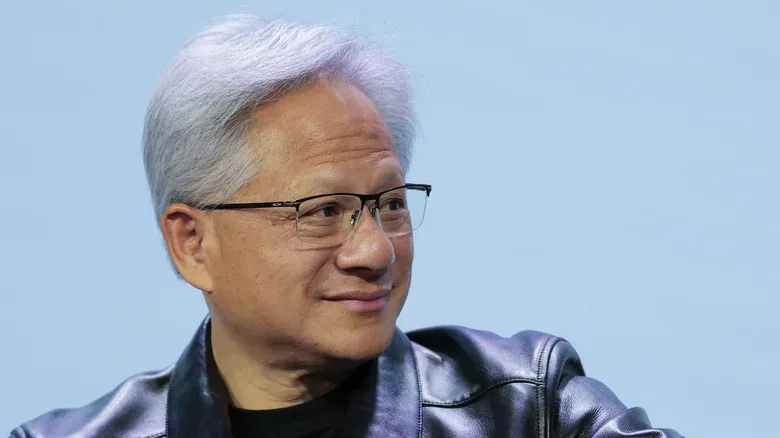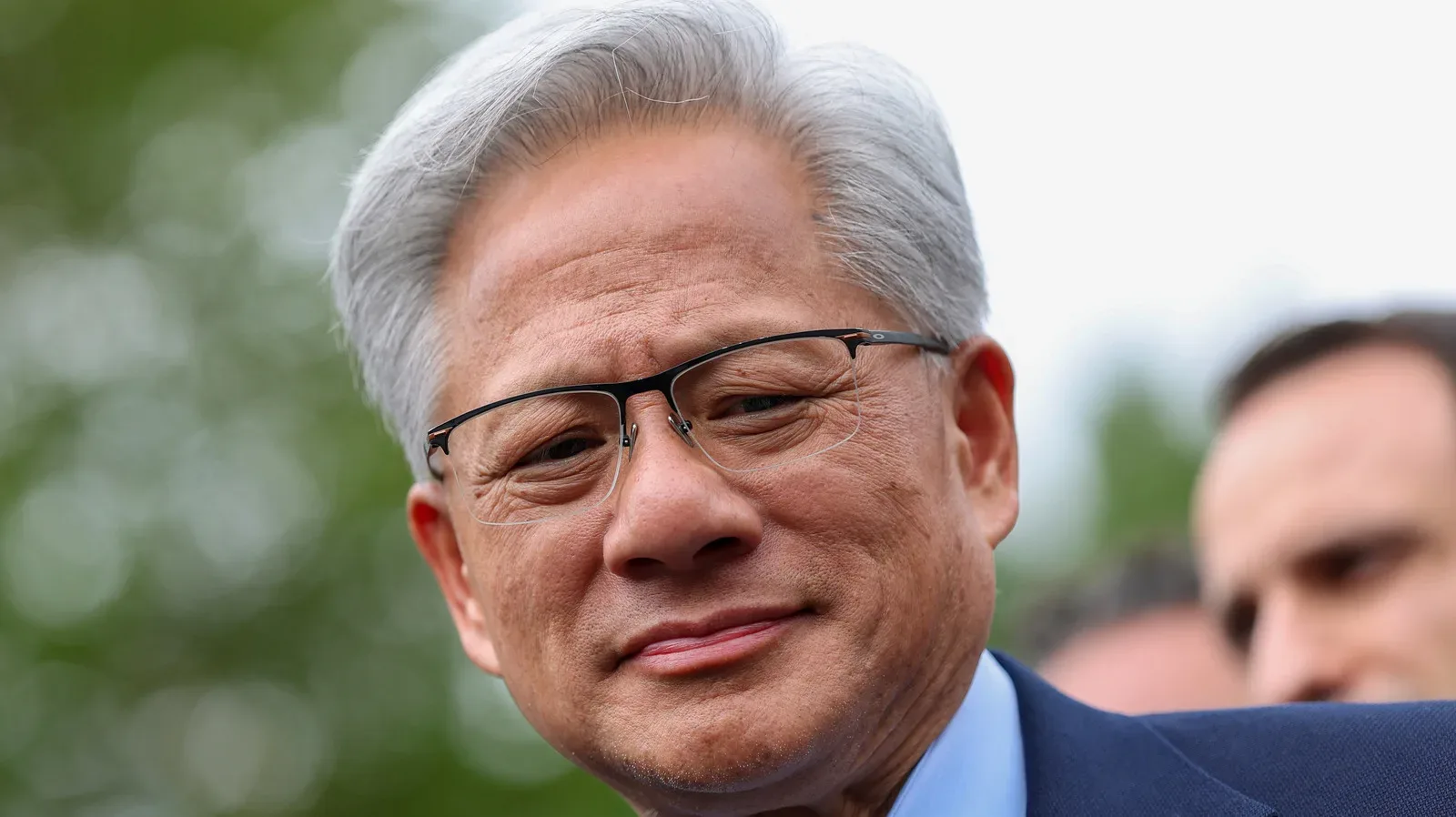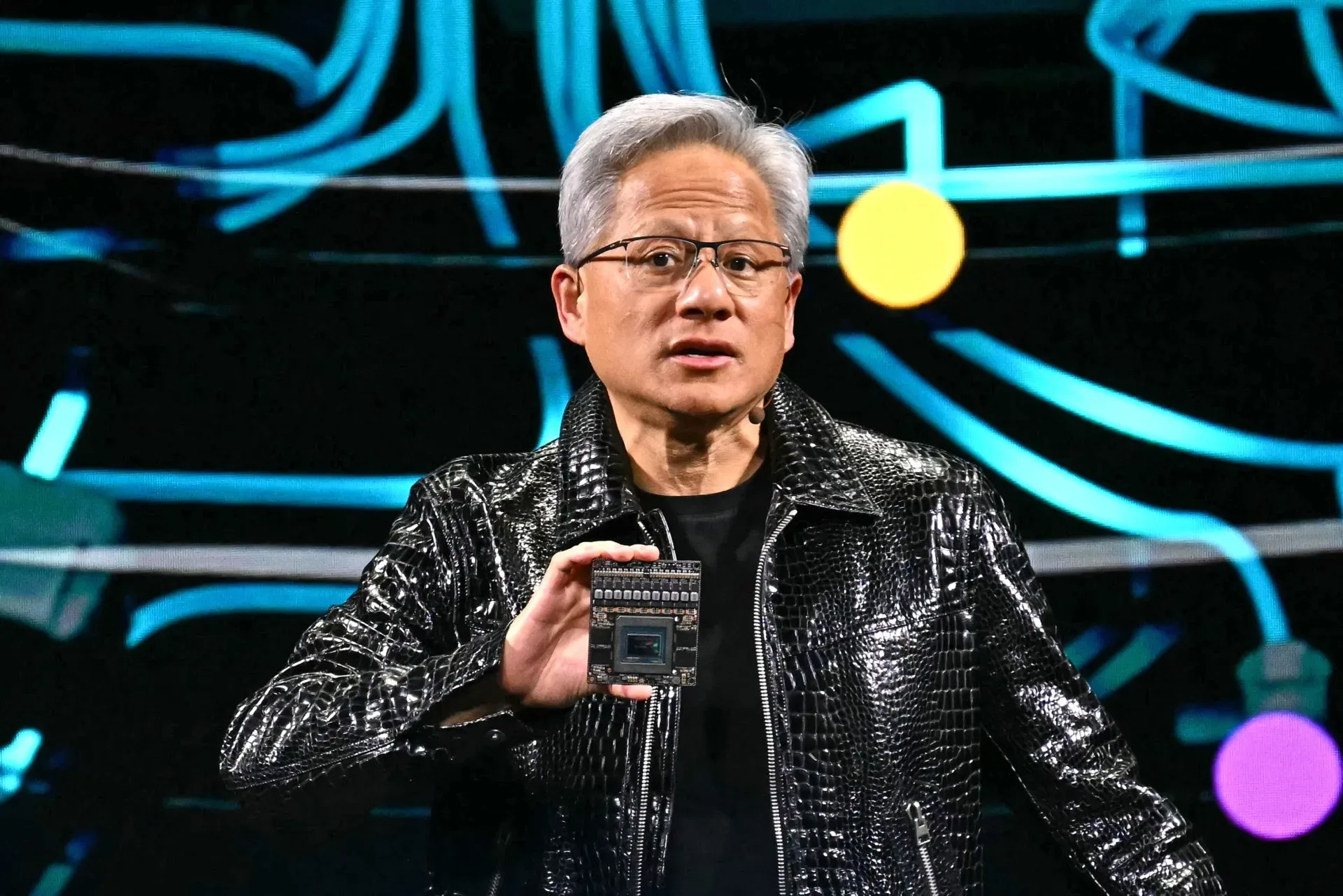
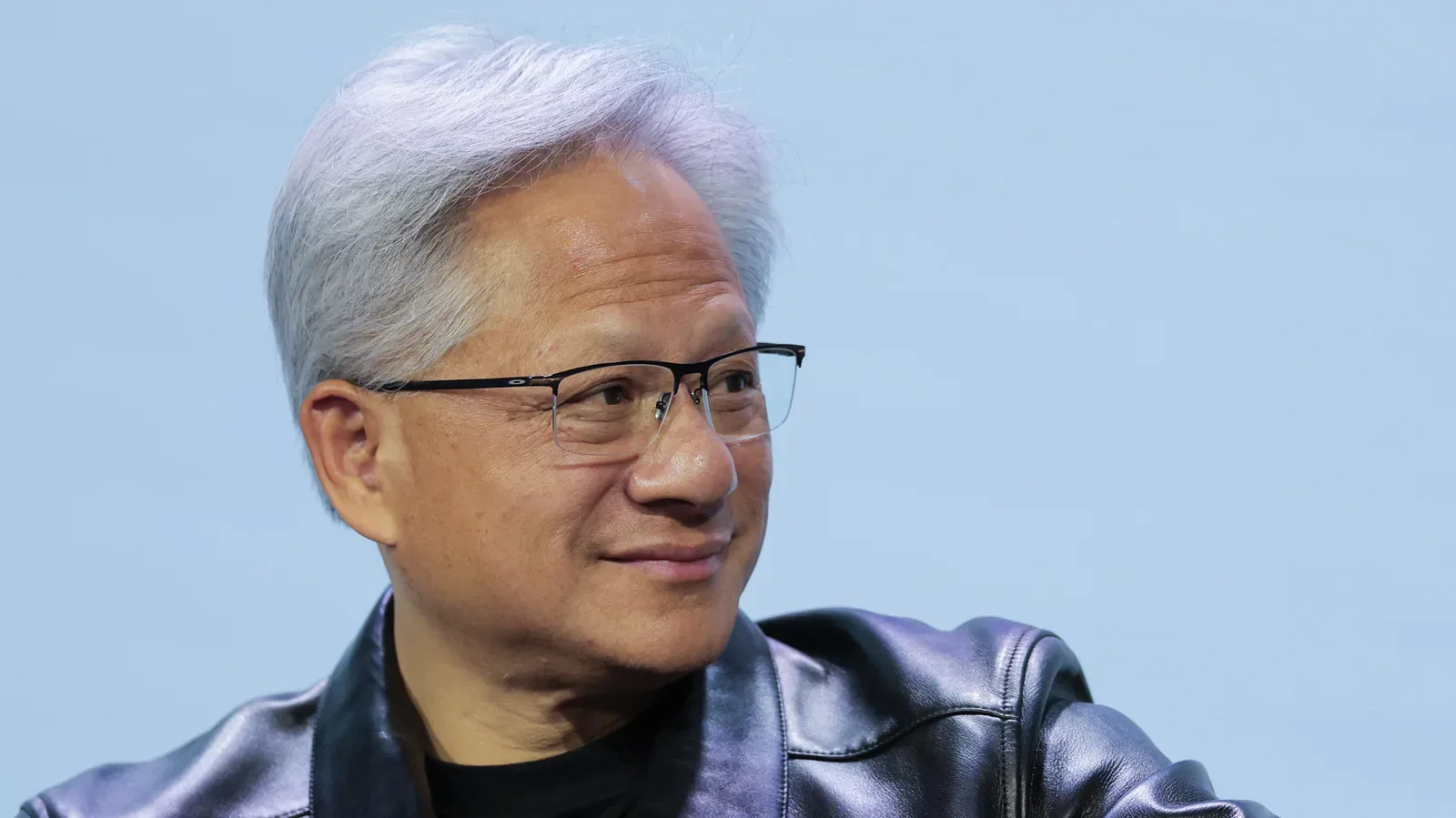
New reports describe an alleged intelligence operation aimed at NVIDIA chief executive Jensen Huang, placing one of the world’s most important AI-chip executives at the center of the increasingly tense contest over advanced computing hardware.
The central allegation is that China’s Ministry of State Security recruited Alice Huang, an executive at Singapore-based data-center company Megaspeed, to collect information on Huang. The reported effort was said to be connected to China’s interest in US artificial-intelligence policy and in gaining access to more capable NVIDIA chips.
These are serious claims involving intelligence assessments and reported government briefings, not findings established through a public criminal case in the material available here. That distinction matters. The account identifies an alleged recruitment, motives attributed to Chinese authorities and concerns raised by US officials, but it does not provide a public adjudication of the underlying allegations.
Why an NVIDIA chief is such a consequential target
NVIDIA is described as the world’s leading producer of AI chips. Those chips are central to the modern AI race because they supply the computing capacity used to train and run sophisticated models. A company chief with Huang’s visibility therefore sits at an unusual intersection of private industry, international trade and government policy.
The reported interest was not solely about learning what NVIDIA may do next. It was also reportedly about understanding US AI plans more broadly and influencing the policy environment around chip exports. In particular, the alleged goal included persuading Huang to seek US government approval for shipments of more advanced chips to China.
That focus reflects an important practical reality: export restrictions are not merely a matter of what a chipmaker can manufacture. They also determine which products may legally be supplied to particular customers or markets. Corporate leaders can advocate for their companies’ positions, explain commercial consequences to policymakers and make the case for specific permissions. But the government ultimately controls the rules and approvals described in these reports.
The material says Huang had previously convinced President Trump to allow sales of certain chip models to China. That reported precedent helps explain why a foreign intelligence service might see his access and influence as strategically valuable. It does not establish that Huang acted improperly, nor does it prove that any attempted influence operation worked.
The personal allegation, and what remains uncertain
US officials reportedly believed that Huang had a romantic relationship with Alice Huang, based on intelligence provided to American authorities. The reports further say President Trump and selected officials were informed before a Beijing trip earlier in the year attended by Huang and Elon Musk.
Reportedly, the president did not act on that information, while Huang was not briefed that the Chinese government was said to be targeting him. Neither point should be inflated beyond what has been reported. A belief held by officials, particularly when tied to intelligence information that is not public, is not the same thing as independently verified evidence available for public scrutiny.
Still, the allegation illustrates why intelligence services often seek proximity to people with sensitive access or influence. A personal relationship, if it existed and if it were exploited as alleged, could potentially offer opportunities for informal conversations, social access or insight into a target’s priorities. That is an explanation of the alleged strategic logic, not a claim that confidential NVIDIA information was obtained or that Huang knowingly provided anything improper.
Megaspeed’s role raises the stakes
Megaspeed is a crucial part of the story because it was reportedly a major NVIDIA customer that had bought billions of dollars’ worth of AI chips. The company has been building data centers in Southeast Asia and renting computing power to Alibaba, according to the material provided.
A data center is a facility packed with servers, networking equipment, storage and supporting power and cooling systems. In the AI context, data centers can cluster large numbers of high-performance chips so customers can access substantial computing resources without owning every machine themselves. Renting that capacity is often called cloud computing or leased compute.
That setup creates a difficult policy question. A chip can be purchased in one jurisdiction, installed in a different one and then used remotely by a customer elsewhere. The reported arrangement involving Megaspeed and Alibaba is significant because it allegedly gave the Chinese company access to advanced NVIDIA computing power even though the relevant chips were barred from China itself.
Access to computing power is not identical to taking possession of chips. But for many AI workloads, remote use can be the operationally important piece: the customer needs the ability to run training or inference work on powerful systems. Inference means using a trained AI model to generate an answer, image, prediction or other output. Training is the more compute-intensive process of adjusting a model using large volumes of data.
This is why the story reaches beyond one executive or one alleged relationship. Enforcement increasingly has to consider supply chains, facility locations, end users and remote access to computing, rather than focusing only on a shipment’s final physical destination.
Alleged smuggling and NVIDIA’s internal findings
Megaspeed was also reportedly implicated in a scheme to smuggle advanced AI chips into China. However, NVIDIA’s internal investigation found no evidence of wrongdoing. Both parts of that account are essential: there was a reported allegation involving the company, and NVIDIA did not find evidence supporting wrongdoing in its own review.
An internal investigation can be consequential for a company’s compliance decisions, customer relationships and controls, but it is not automatically the same as a government investigation or a court ruling. The supplied information does not detail what records NVIDIA reviewed, the scope of its inquiry or whether any authority reached a separate conclusion. Those limits should temper any claim about what happened.
For businesses involved in high-end computing infrastructure, the episode underlines the operational importance of knowing who is purchasing equipment, where it will be installed and who will ultimately use the resulting computing capacity. It also shows why a major customer relationship can become a national-security concern when export restrictions are attached to the products involved.
What this means for AI hardware and the PC world
The chips at issue are best understood as data-center-scale AI hardware, not a direct stand-in for the graphics card in a home gaming PC. Both can fall under NVIDIA’s wider technology umbrella, but their scale, buyers and policy implications can be dramatically different. Readers weighing ordinary gaming and work devices may find a useful contrast in this look at why the screen is not the main decision in a touchscreen laptop-versus-tablet choice; infrastructure-grade AI computing is a different category again, shaped by data-center deployment and international controls.
For the games industry and PC players, the immediate takeaway is not that consumer hardware access has suddenly changed. No new consumer product restriction, release or pricing change is established by these reports. The longer-term relevance is that NVIDIA’s position in AI makes its corporate relationships and policy choices a matter of geopolitical interest, even when the company is also closely associated with gaming graphics.
The story also demonstrates the unusual pressure placed on technology executives whose firms occupy strategic positions. Their customer networks, overseas partners, meetings with officials and personal security can all become relevant when the products they sell are viewed as economically and militarily important.
A case about influence as much as information
At its core, the reported operation was allegedly intended to produce two kinds of advantage: information about US AI strategy and influence over a business leader with meaningful access to decision-makers. Those goals are related but distinct. Intelligence collection seeks knowledge; influence operations seek to shape decisions. The reports suggest both were in play.
There is also a major unresolved question: what, if anything, the alleged operation achieved. The supplied material reports the purported recruitment and intended objectives, but it does not establish that Alice Huang obtained sensitive information, altered Huang’s conduct or changed US export policy. Readers should resist converting a reported target and a reported motive into a proven outcome.
What is clear from the account is the strategic value attached to advanced AI chips and the computing capacity built around them. As restrictions try to control access to that capacity, the stakes extend well beyond factories and shipment paperwork. They reach into data-center leasing arrangements, corporate diplomacy and, in this case, allegations of an effort to get close to one of technology’s most influential leaders.