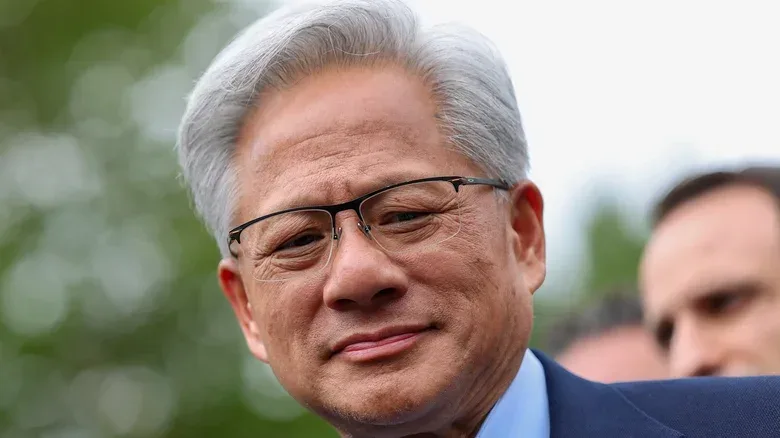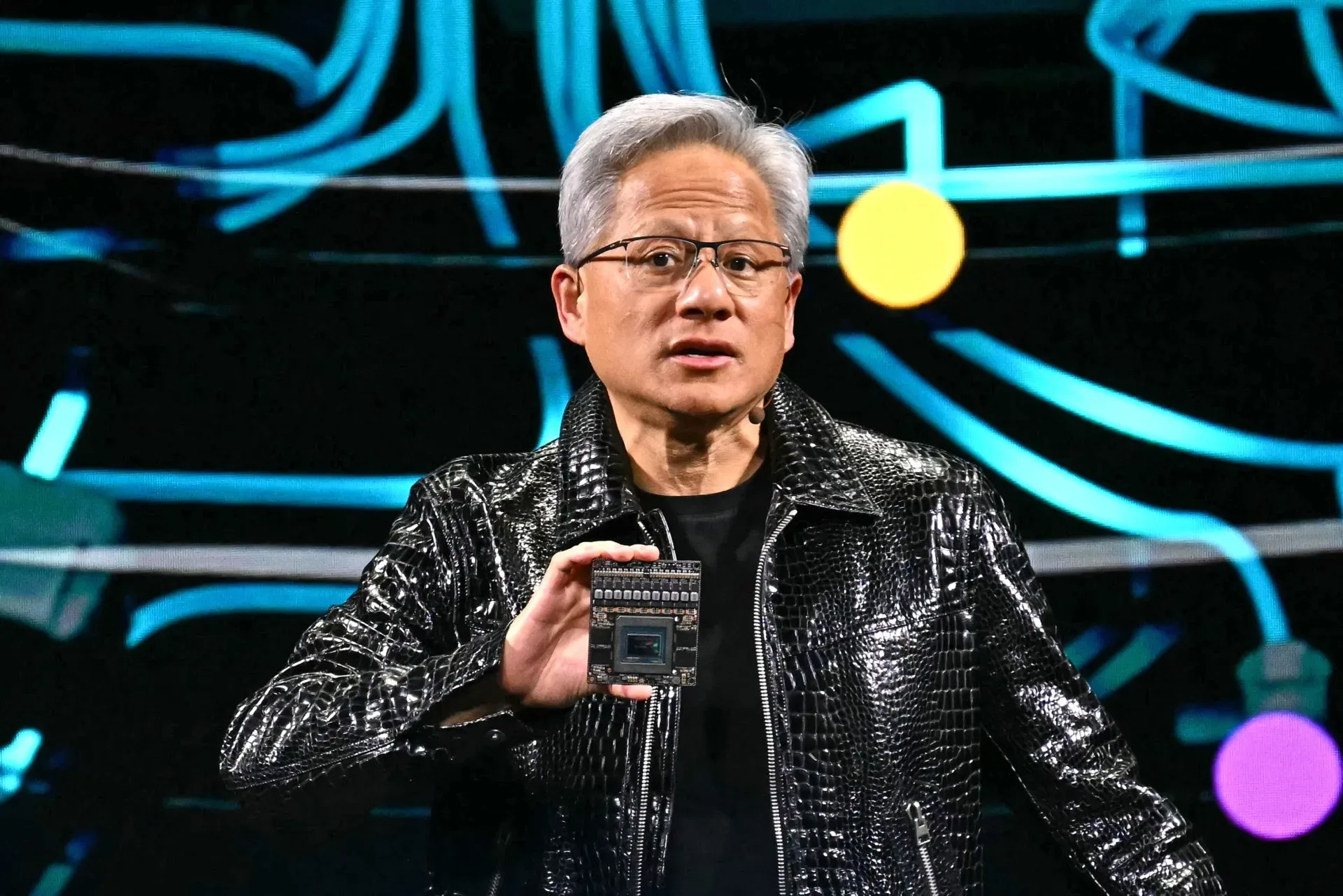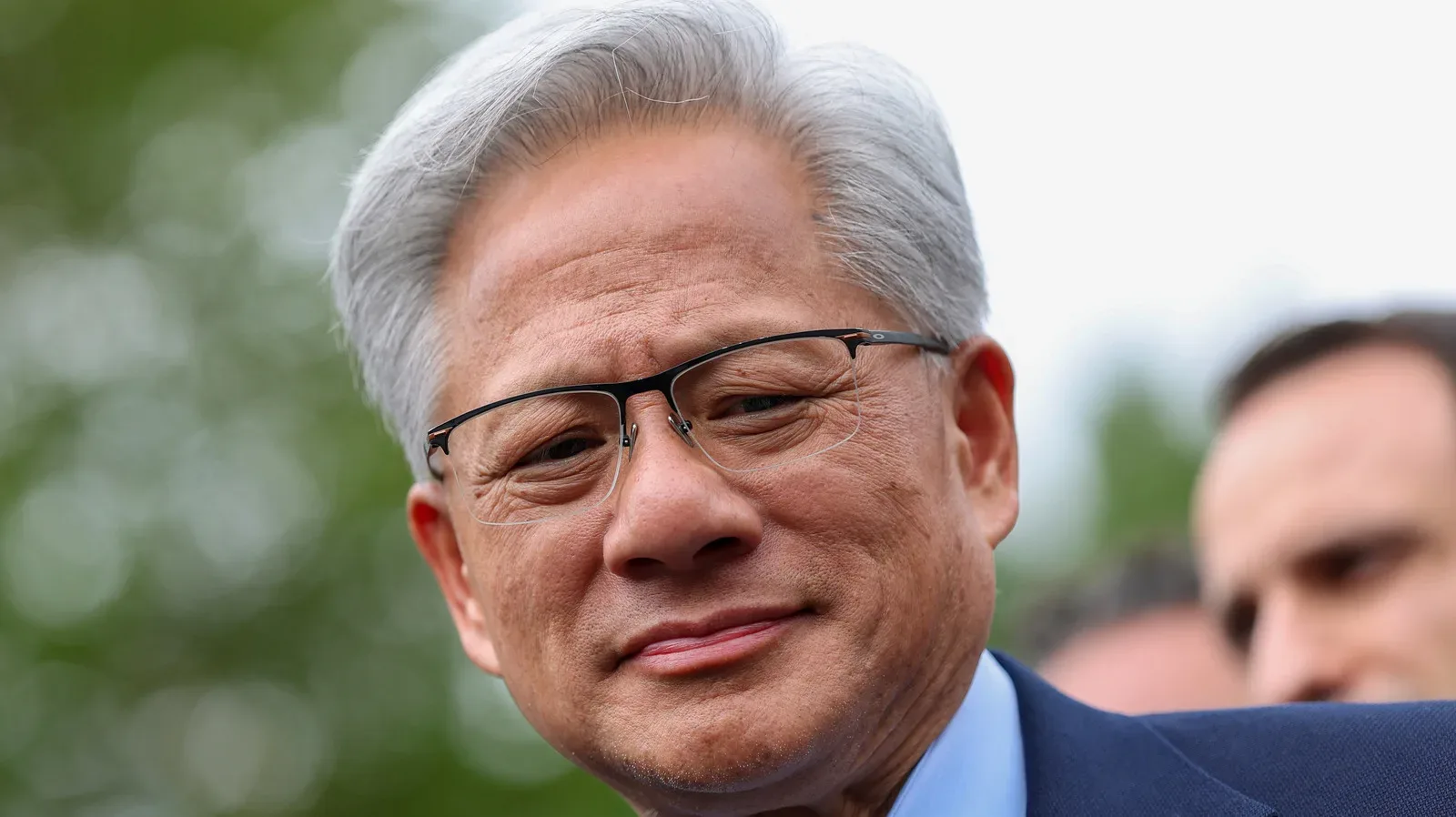
US intelligence agencies reportedly concluded that NVIDIA CEO Jensen Huang was a target of an alleged Chinese intelligence operation, placing one of the technology industry’s most prominent executives at the center of a high-stakes case involving AI hardware, overseas data-center companies and US-China trade controls.
The reported target was Jensen Huang; the suspected operative was Alice Huang, a Chinese citizen described as an executive at Singapore-based data-center firm Megaspeed. The two are not related. Officials reportedly began surveillance of Alice Huang and discovered that she had contact with an American citizen who was later identified as NVIDIA’s chief executive.
The central allegation is serious but important to phrase carefully: US intelligence agencies reportedly assessed Alice Huang to be an intelligence asset for China who passed information to Beijing. The available account does not establish what information, if any, she obtained from Jensen Huang, what material she may have conveyed, or whether Huang knowingly shared anything improper. Those unanswered questions are essential, not footnotes.
Why an NVIDIA executive would be a valuable target
NVIDIA sits at the heart of the modern AI-computing supply chain. Its advanced chips and related systems are used to power data centers, the facilities filled with servers that train and run AI models. That makes relationships around NVIDIA’s leadership, product roadmaps, customer arrangements and shipment networks potentially valuable intelligence targets.
A foreign intelligence operation does not necessarily require someone to hand over a secret blueprint for information to be useful. Details about business priorities, industry contacts, organizational dynamics, upcoming products, supply constraints or the direction of commercial relationships can all create a clearer picture of a strategically important company. This is context, not an assertion about what Alice Huang allegedly collected in this case; the reported account does not say.
The matter also arrives amid ongoing sensitivity around advanced NVIDIA hardware reaching China. Alice Huang had reportedly already drawn suspicion over helping route advanced NVIDIA chips into the country. Megaspeed’s Malaysian sister company bought at least $4.8 billion in NVIDIA-based equipment in less than two years, an unusually large volume for a company described as small and obscure.
That reported procurement level is a key reason the story extends beyond a purported social connection between two executives. It raises questions about how large orders were arranged, which entities were involved and where advanced computing equipment was ultimately meant to be used. It does not, on its own, prove improper diversion or establish the final destination of any particular equipment.
A corporate trail with major gaps
Alice Huang’s public professional profile reportedly provides limited clarity. She presented herself as Megaspeed’s CEO, while company records reportedly identified her as managing director for the firm’s first eight months before later removing her from that position. A Chinese investment fund where she worked characterized her as a former television reporter, although that background could not be verified.
Those details do not independently establish espionage. Sparse biographies, shifting corporate titles and hard-to-verify work histories can have ordinary explanations. But where national-security concerns and unusually substantial purchases of advanced computing equipment overlap, such ambiguities are likely to receive more attention from investigators and regulators.
A 2024 image posted by NetThunder on LinkedIn reportedly showed Alice Huang seated near Jensen Huang while he drank with other AI executives. A photograph of people in a professional social setting is not evidence of misconduct. Its relevance is narrower: it appears to corroborate that the two were in the same orbit and had contact, a fact that matters because intelligence officials allegedly viewed that contact through the lens of a suspected operation.
The reported absence of a defensive briefing
The most consequential unresolved part of the account may be the reported government response. President Trump was reportedly briefed about the matter roughly a year earlier and chose not to act. Jensen Huang reportedly did not receive a defensive briefing.
A defensive briefing is a warning given to a person whom authorities believe may be targeted by a foreign intelligence service. In practical terms, it can alert an executive or other potential target to suspicious approaches, help them recognize manipulation tactics and encourage the preservation or reporting of relevant contacts. It is a protective measure; it does not mean the person receiving it is accused of wrongdoing.
Not providing one can be consequential because it may leave the potential target without the government’s picture of the threat. At the same time, an early warning can complicate an active investigation if officials fear it could alert a surveillance target that authorities are watching. That possibility was reportedly considered here because Alice Huang was said to remain under surveillance.
Another reported consideration was the administration’s reluctance to disrupt NVIDIA’s sales or complicate trade with China. The account does not establish which factor, if any, ultimately determined the decision. It instead presents a difficult tension between counterintelligence precautions, an active investigative operation and the commercial stakes surrounding an influential chipmaker.
What the report does—and does not—show
Several parts of the story should be kept distinct. First, officials reportedly identified Alice Huang as a Chinese intelligence asset. Second, she reportedly had contact with Jensen Huang. Third, entities linked to Megaspeed reportedly made extraordinary purchases of NVIDIA-based equipment. These claims, if accurate, describe a set of overlapping security and trade-control concerns.
They do not publicly establish that Jensen Huang was compromised, that he provided classified or proprietary information, or that the reported purchases violated a specific law. Nor does the available reporting identify the information supposedly transferred to Beijing. Conflating allegations, investigative assessments and proven conduct would obscure rather than clarify what is known.
For the games and consumer-technology audience, the case is another reminder that the AI hardware boom has consequences beyond product launches and data-center capacity charts. The same high-end computing ecosystem that shapes generative AI also attracts intense scrutiny over exports, corporate intermediaries and access to advanced processors. Broader policy shifts around regional technology markets can also affect software businesses, as seen in Apple’s planned Taiwan App Store commission change.
In this instance, the information available leaves more questions than answers. Why did a relatively low-profile company reportedly acquire such a large amount of NVIDIA-based equipment? What did intelligence agencies believe Alice Huang was seeking from Jensen Huang? Was the lack of a defensive briefing a deliberate attempt to preserve surveillance, a commercial-policy calculation, or a combination of factors? And what, if anything, will become public as the reported investigation continues?
Until those questions are answered with further evidence, the appropriate reading is neither dismissal nor speculation. The reported intelligence assessment and the scale of the equipment purchases make the allegations significant. But the public record described so far does not provide a complete account of alleged conduct, the information at issue, or any proven wrongdoing by NVIDIA’s CEO.