Content note: This story concerns real-world violence and damage to businesses.
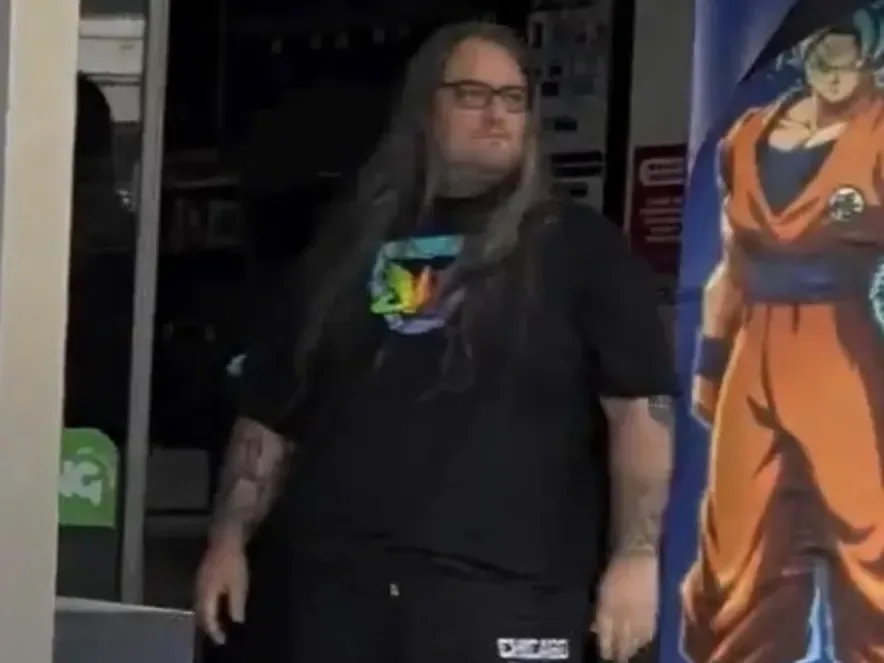
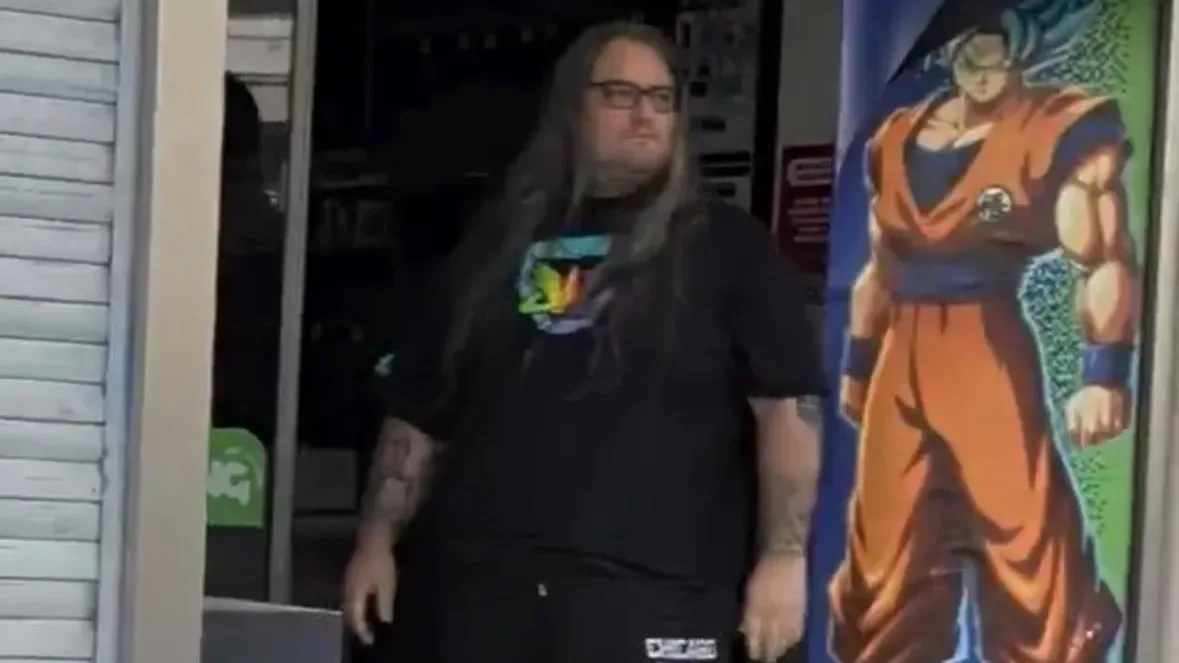
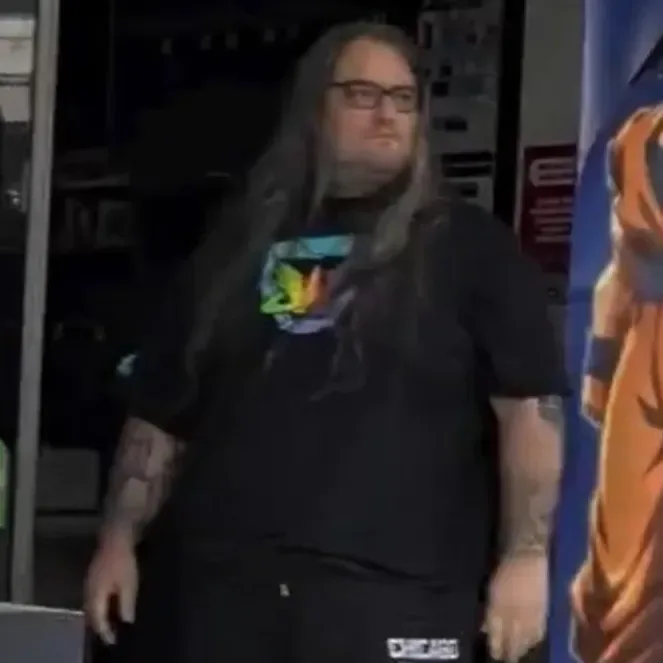
A sales assistant at a Micromania store in Nice, identified as Pierre, has received widespread online support after videos showed him trying to protect the shop’s entrance during unrest in France. Pierre was harassed at the doorway, hit in the face by projectiles and, in one circulating clip, knocked down after he moved to chase people away. The store was looted despite his intervention.
The incident has struck a chord in gaming communities because it centers on a familiar kind of workplace: the specialist game shop, where staff are often known for helping customers find games, hardware and advice. But the attention around the footage should not obscure Pierre’s own assessment of the danger. He said he did not believe he should have tried to intervene and called the decision foolish in retrospect, even if it felt like the thing to do in the moment.
That distinction matters. A game store is full of products that can be replaced, accounted for and insured, even when the immediate disruption is serious. A worker’s safety is not an inventory line. The viral framing of a person “defending the shop” can easily turn a frightening situation into a heroic clip, while the person in the clip is left to process a physical attack and the aftermath.
What happened at the Nice Micromania
Protests in France have been linked to pressure from the cost of living and worsening conditions in schools. While most activity was not characterized by violence, some businesses were damaged or looted amid the disorder. Pierre, a sales assistant at the Micromania Jean Médecin branch in Nice, stood in the entrance in an effort to stop people getting inside.
He later described the action simply: at one point, he stood in front of the door to prevent entry. Social-media footage from the scene shows the risks of that decision escalating quickly. When he tried to pursue looters, he was kicked to the ground after turning away. He also said he was hit in the face by thrown objects.
His attempt did not prevent the shop from being looted. That outcome is important context for anyone tempted to read the incident as a real-life power fantasy. There was no safe “win condition” available to a single retail worker facing a volatile crowd. Pierre’s own comments recognize this plainly: instinct took over, but he does not think he should have put himself in that position.
The footage led to dozens of messages of support for Pierre. He welcomed that solidarity while also emphasizing that the destructive conduct did not represent everyone at the march. He said the rest of the demonstration had largely gone well and urged people not to lose sight of the broader difficulties affecting working people.
Related coverage includes Nice Game Store Employee Draws Support After Trying to Defend Shop During Unrest.
Damage extended beyond one video-game store
Micromania was not the only retailer affected in Nice. JD Sports, Decathlon and Foot Locker were also among the businesses hit. Fifteen businesses sustained damage, while 85 people were taken into police custody; 40 of those individuals were minors.
Elsewhere in the wider violence, more than 1,200 people were arrested. Those figures show why it would be misleading to reduce the events to a single viral video or treat every protester as responsible for the actions seen around a handful of storefronts. Pierre himself made a similar point, describing those involved in the damage as an exception rather than the majority.
For a physical games retailer, looting creates several overlapping problems. Stock losses are the obvious one, but damage to an entrance or shopfront can also interrupt trading while a store is made secure again. Staff may face an uncertain return to work after a traumatic event, and regular customers lose access to a place that functions as more than a checkout counter. Game shops remain spaces where shoppers can ask questions, browse releases and share enthusiasm with people who know the hobby.
That human side is why a fundraiser was set up following the incident. Its description focused on the people working in game stores: employees who welcome customers, offer recommendations and share their enthusiasm for video games. At the time reported, it had raised just over €6,000 to help the affected Micromania get back up and running.
There is one important uncertainty around that campaign: it is not clear whether the money will go directly to Pierre or to the store itself. Supporters should avoid assuming that a donation is personal compensation for the employee unless the fundraiser’s organizers clarify the destination of the proceeds.
Why the viral response needs some restraint
It is understandable that viewers responded to Pierre’s instinct to protect the place where he works. The language of gaming is built around courage, clutch plays and holding the line. Online audiences can apply that vocabulary to an intense real-world clip almost automatically. Yet a shop floor is not an arena, a worker is not obligated to become security, and a damaged door is not worth someone suffering worse injuries.
“Aura,” a slang term often used online to describe someone looking exceptionally cool or commanding, is particularly ill-suited to the reality here. The phrase can make a dangerous encounter sound like a performance. Pierre was not playing a role; he was a worker caught in a rapidly changing situation, and he was hurt. His own warning about what he did deserves at least as much attention as the images of him at the door.
There is also a practical lesson for communities rallying around local retailers. Material support can be useful, but it should not become pressure for employees to repeat dangerous behavior. Messages that recognize the seriousness of what happened, respect his recovery and back the store’s rebuilding effort are more meaningful than treating personal risk as a requirement of passion for games.
Gaming retail depends on staff expertise and relationships as much as it does on boxes, consoles and accessories. Coverage of the business side of games can often focus on releases and corporate plans—such as the return of K/DA with “Firestarter”—but this incident is a stark reminder that the industry is also sustained by frontline workers in stores. When something goes wrong at street level, those workers should be protected rather than expected to absorb the risk.
Support without romanticizing the danger
The response to Pierre’s experience can hold two ideas at once. His decision to stand at the Micromania entrance was an immediate, human reaction to a frightening threat, and many people understandably want to show appreciation for that resolve. At the same time, he was injured, the store was looted anyway, and he has said he does not think he should have done it.
That is not a contradiction. It is the reality of an employee trying to respond in a crisis without the training, protection or distance that the situation demanded. The most constructive message from the episode is not that retail staff should defend stock at all costs. It is that workers, shopkeepers and communities deserve support when violence spills into the places where they work.