France may be preparing to put video games on a considerably larger cultural stage. President Emmanuel Macron used the Lumiere Summit on September 7 to say that the country intends to create an international video game festival, framing games as a genuine part of French culture rather than a side attraction to the nation’s better-established arts.
The proposal is still in its early, outline-only phase. There is no confirmed name for the event, no announced host city, no dates, no public program and no explanation yet of who would organize it. That leaves a great deal unresolved, including whether this would be a public-facing festival, an industry trade show, an awards-driven event, a developer conference, or an enormous hybrid built to do several jobs at once.
Even so, the idea matters because of the language around it. Macron’s remarks placed video games alongside the country’s broader creative ambitions and highlighted the international reach of French-made games. The message is less about one upcoming weekend on a convention calendar and more about France making a deliberate case for games as art, business, technological craft and cultural export.
A festival idea, but few operating details
At present, the promised international festival is a plan rather than a scheduled event. Fans and studios should resist filling in the blanks with assumptions. Nothing has established the scale of attendance, participating publishers, ticketing, platform-holder presence, game reveals, competitive events or a place for independent developers.
It is also unknown how the event would relate to Paris Games Week, France’s existing gaming gathering. Paris Games Week already gives the country a recognizable event on the annual calendar, but the proposed festival’s international language suggests an ambition that could differ in scope, audience or mission. It could complement Paris Games Week, overlap with it, absorb parts of its role, or occupy a separate part of the year. None of those possibilities has been confirmed.
Comparisons with Gamescom are inevitable. Germany’s major European industry event demonstrates how a large gaming show can combine consumer excitement with publisher business, media attention and global announcements. But calling the French proposal a future Gamescom would be premature. The format, resources and practical identity of the new festival have not been announced.
That uncertainty is not a weakness in the underlying cultural statement. It simply means the next meaningful news will be logistical: a city, a date, an organizing body, participating partners and a definition of what “international” means in practice.
Why Clair Obscur: Expedition 33 is central to the moment
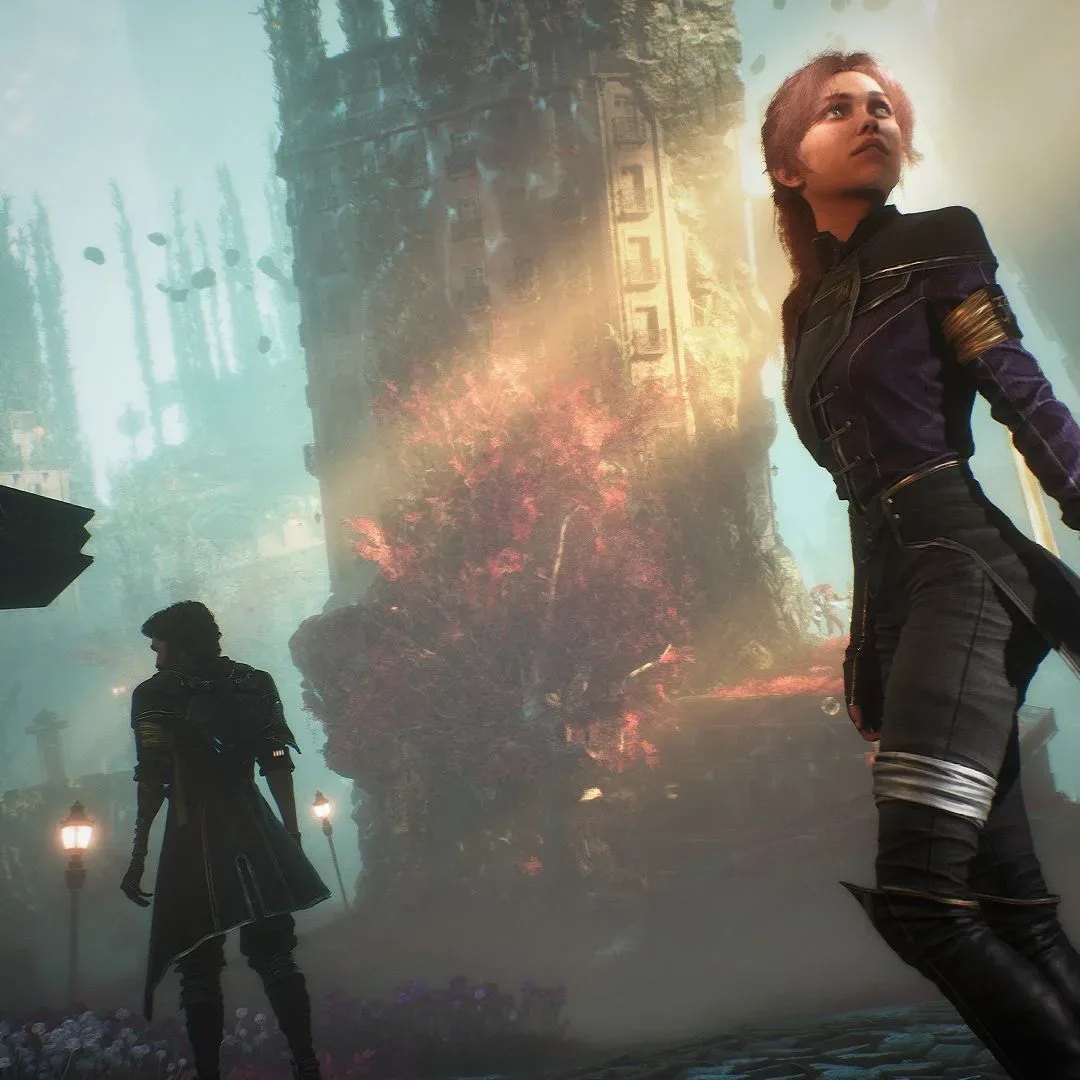
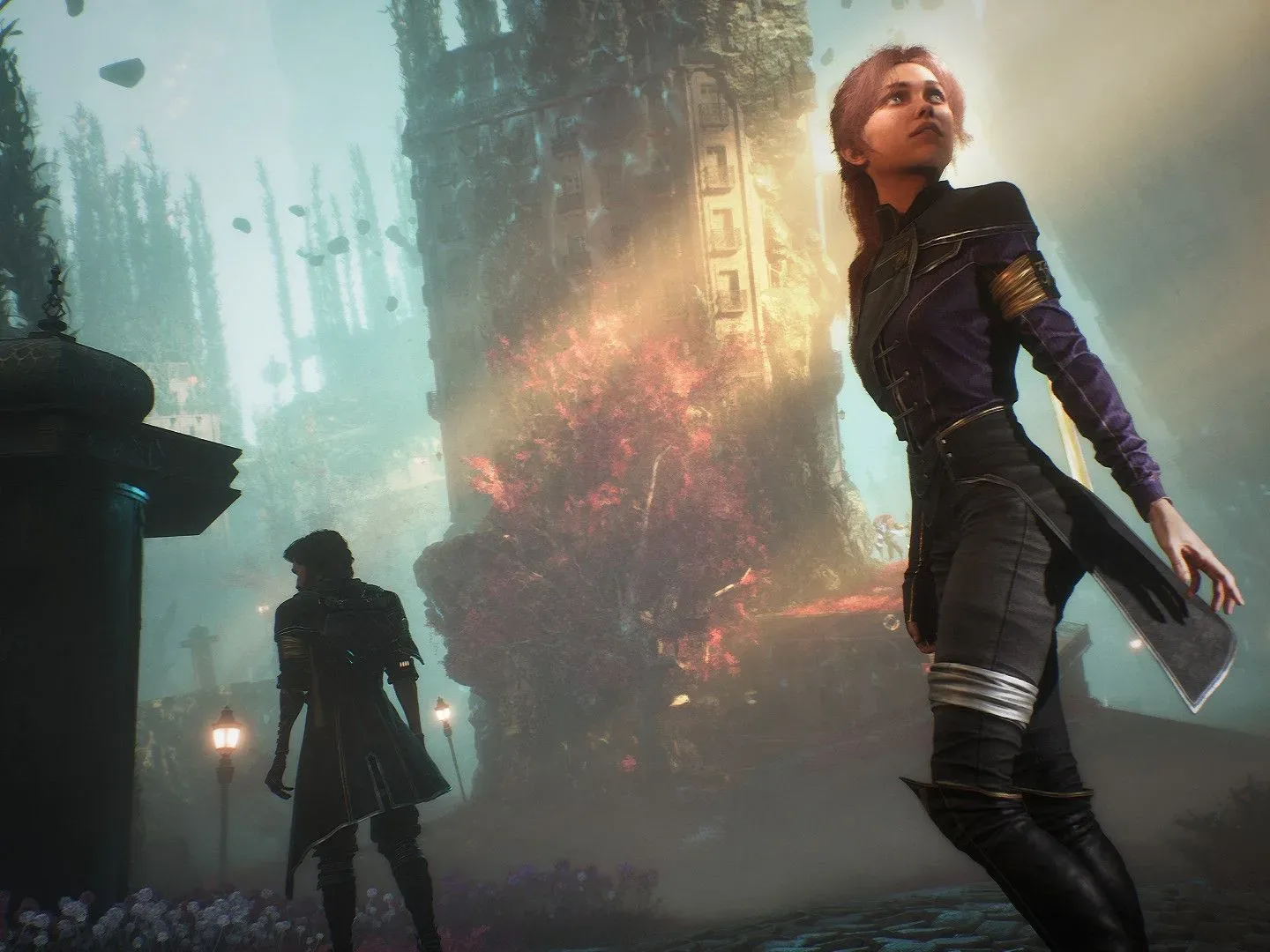
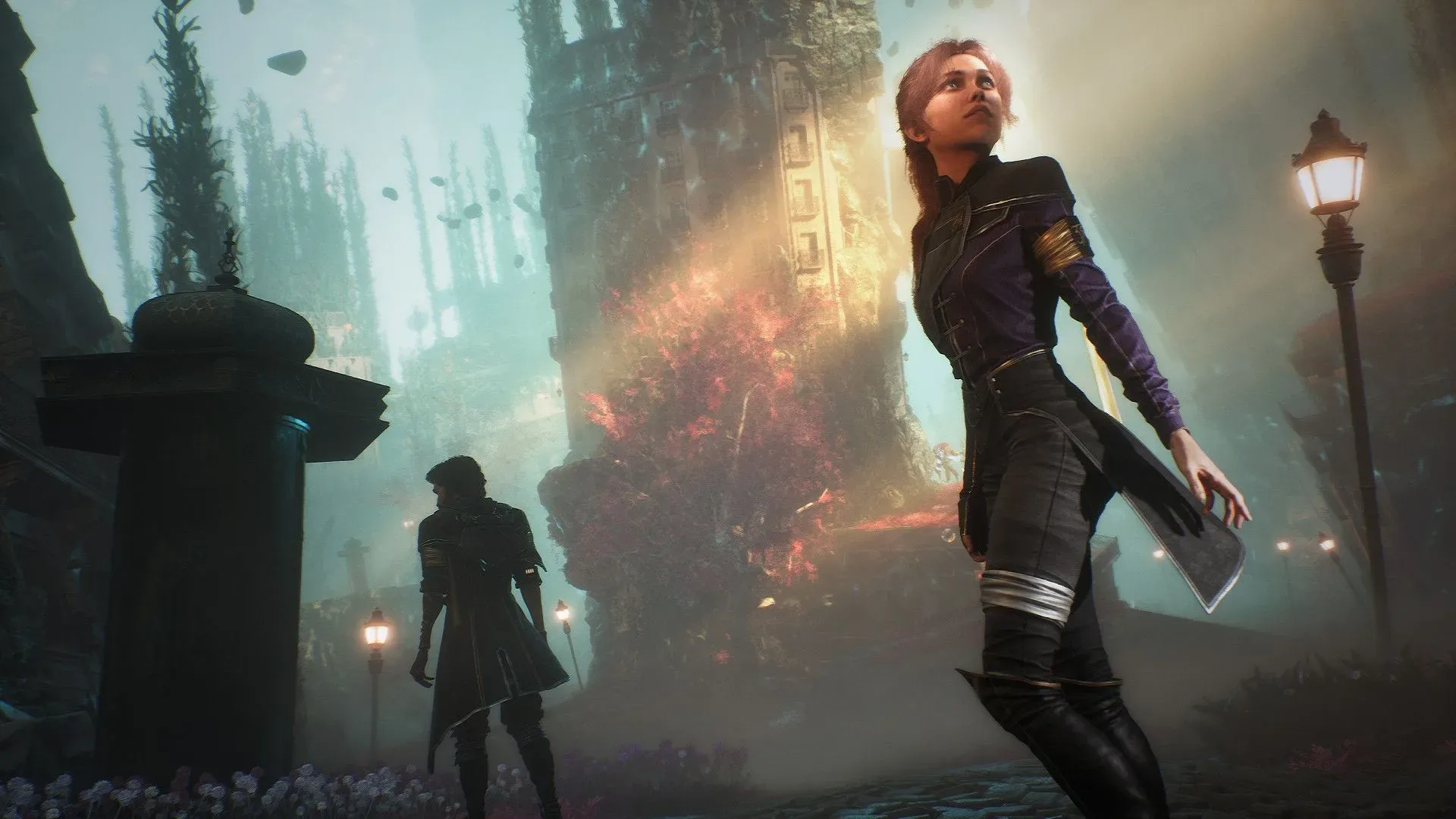
The announcement arrives after an unusually visible period for French development, with Sandfall Interactive’s Clair Obscur: Expedition 33 becoming a prominent success. The RPG drew broad attention, accumulated major awards recognition and became one of the games most closely associated with French creative momentum in the current era.
Related coverage includes France Plans International Video Game Festival After Clair Obscur's Breakout Success.
Macron had already singled out the game in December 2025, congratulating its creators again and describing it as a historic French title. That earlier recognition helps explain why the festival proposal feels connected to a wider cultural push rather than a random event concept. A breakthrough game can make an industry easier for the general public to see; it can also give public institutions a clear example when discussing why a medium deserves attention.
Of course, a national game scene cannot be reduced to a single RPG or a single studio. The more useful reading is that Expedition 33 has become a high-profile illustration of what French teams can achieve when their work reaches a global audience. Its success creates a timely backdrop for an event meant to spotlight further French talent while drawing developers, publishers and players from beyond France.
That is especially relevant for smaller and mid-sized studios. A festival with international visibility could, if it is designed well, provide a meaningful showcase for projects that do not arrive with the marketing force of the industry’s largest franchises. But that potential is conditional. Accessibility, exhibitor costs, space for indies and a program that values creators as much as spectacle will determine whether the festival becomes genuinely useful to the people making games.
Games as culture is bigger than ceremonial praise
Saying that video games belong in a nation’s culture can sound obvious to players, yet it carries weight when voiced at the presidential level. Games touch illustration, animation, music, writing, performance, software engineering, design, architecture and history. They also create careers, support specialist businesses and travel across borders in a way few cultural products can match.
Recognition alone is not the same as support, and the festival announcement does not come with a detailed policy package. Still, a visible international event could help make the French games sector more legible to people outside its usual audience. It could offer policymakers a place to encounter the work, give students a picture of possible careers, and let players discover developers whose games might otherwise struggle to break through.
There is also a collector and preservation angle worth watching. Major cultural events often create physical artifacts: limited posters, art books, developer talks, archival displays, hardware exhibits and, sometimes, convention-only merchandise. Nothing of that sort has been announced for this festival, and no one should expect exclusives before a program exists. Yet a French event that takes gaming heritage seriously could potentially create room for museum-style exhibits and conversations around keeping playable history accessible.
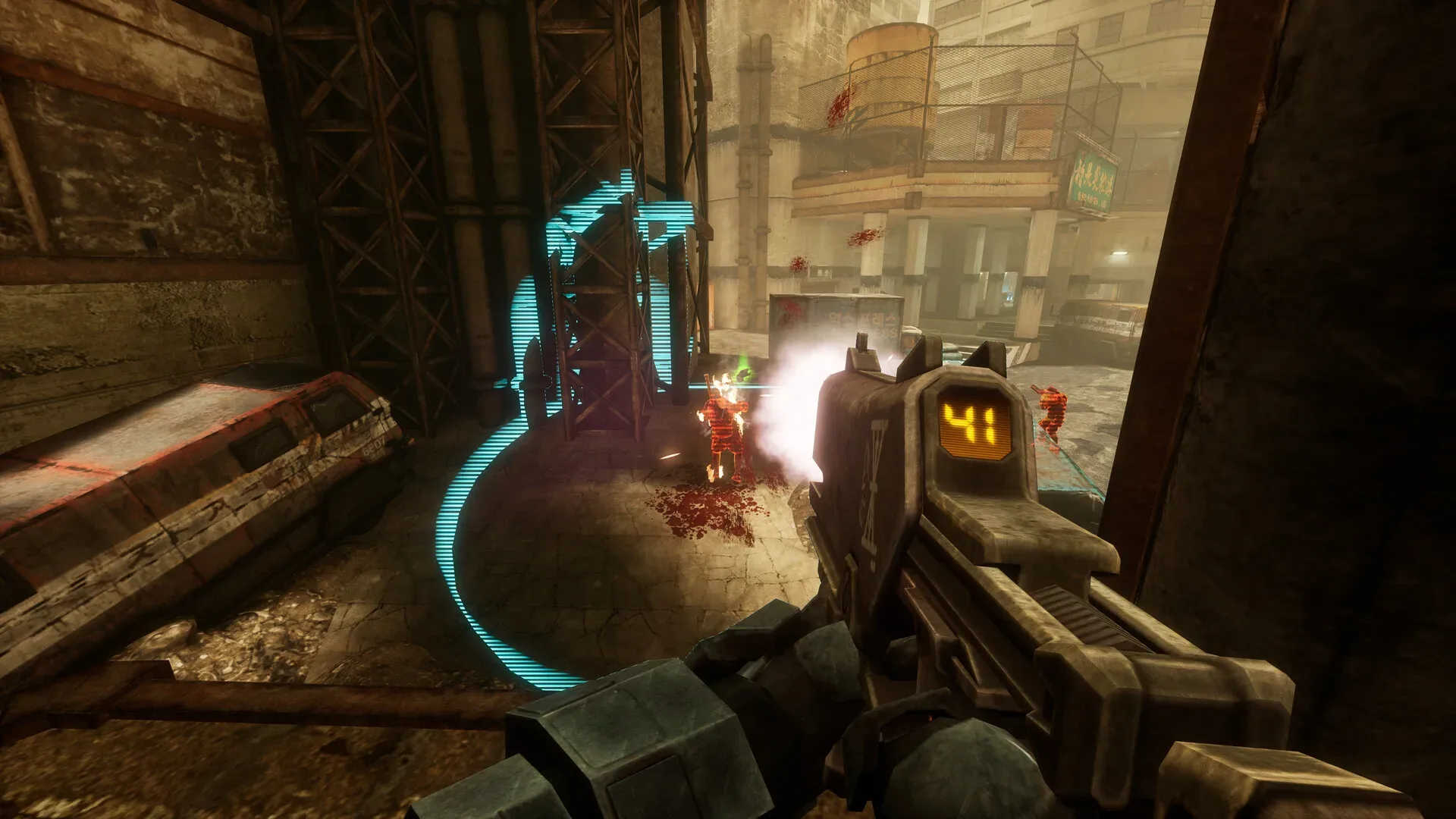
That broader appreciation for past and present game culture is already evident in projects that draw openly on earlier console eras. For instance, Sprawl Zero’s PS2 and original Xbox-inspired shooter approach shows how the visual language and design energy of older platforms continue to shape new releases. A serious festival can make room for that lineage without treating games as merely nostalgia objects.
What would make the festival stand apart?
For a new international festival to have a distinctive identity, it will need more than large screens, queues and trailer premieres. France has the opportunity to build something that speaks to its own strengths while welcoming the wider games world. That may mean emphasizing artistic direction, developer craft, education, independent work and the connections between games and film, particularly given the setting in which the idea was presented.
A compelling event could include several complementary strands:
- Public showcases that let players try games from French and international teams.
- Industry programming for developers, publishers, educators and creative partners.
- Exhibitions exploring game art, technology and preservation.
- Creator-focused sessions that give writers, artists, composers and designers a visible role.
- International exchange that brings in studios from other regions rather than presenting French development in isolation.
Those are possibilities, not announced features. The core challenge will be balancing French promotion with a genuinely international invitation. A show that only celebrates established successes may generate headlines, but one that helps emerging teams meet audiences and collaborators can build longer-term value.
The immediate takeaway: attention, not a calendar date
There is no need to book travel, reserve a hotel or speculate about launch reveals. The actionable fact is straightforward: France’s president has publicly committed to the creation of an international video game festival, while the fundamentals remain undecided.
The timing nevertheless feels significant. French game development has a highly visible ambassador in Clair Obscur: Expedition 33, and the proposed festival signals an effort to extend that attention beyond one acclaimed release. Whether it becomes a major annual destination will depend on the details still to come, from funding and leadership to how it serves developers and attendees.
For now, the announcement is a statement of intent: France wants video games treated as a serious cultural force, and it wants the world to see more of the work being made there. The eventual festival will have to prove what that ambition looks like on the ground.