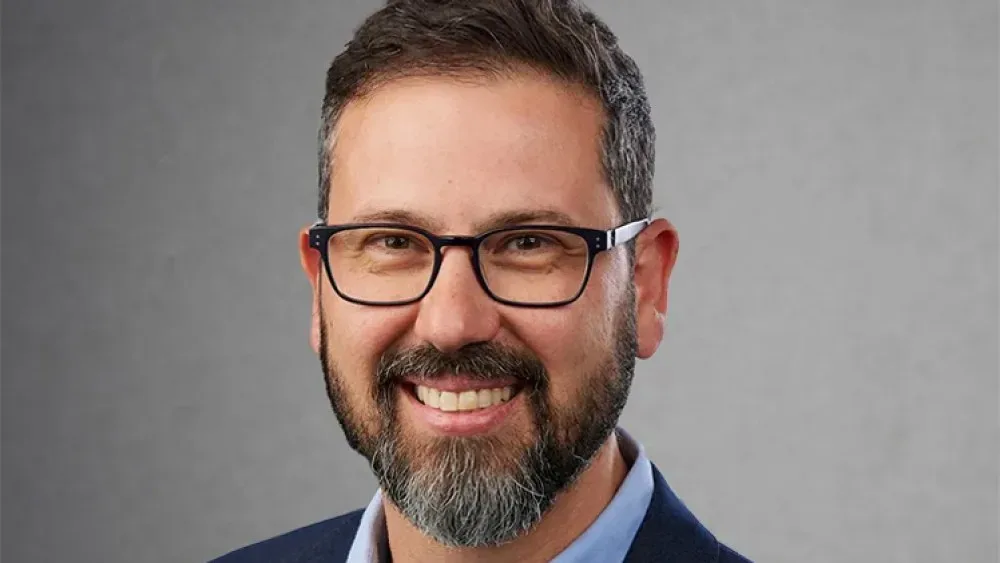

Netflix has appointed Roberto Stanichi as its vice president of consumer products and experiences, putting a veteran of major toy and family brands in charge of the company’s global licensing, consumer-products and live-experience operations.
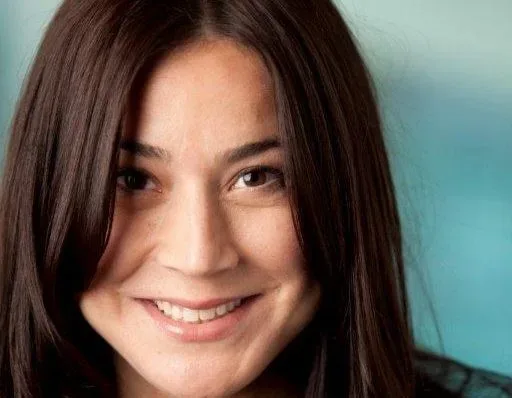
Stanichi joins from Mattel, where he served as chief marketing and brand officer. He will report to Netflix chief marketing officer Marian Lee and oversee the business that turns Netflix shows and characters into licensed goods, retail partnerships and in-person attractions, including the company’s Netflix House locations.
It is a consequential remit. Streaming series may begin as something watched on a screen, but the commercial life of a successful franchise can extend to apparel, toys, collectibles, games, promotional collaborations and ticketed experiences. Netflix has made that extension increasingly visible through properties including Stranger Things, Bridgerton and KPop Demon Hunters. Stanichi’s job is to help connect those individual fan encounters into a coherent global business.
A combined merchandise and experience brief
The title covers two connected but distinct areas. Consumer products generally refers to goods sold to consumers under a brand license: toys, clothing, home goods and other merchandise. Licensing is the arrangement under which a rights holder permits another company to use characters, names or other intellectual property on those products, usually under agreed conditions. The source material does not detail Netflix’s specific licensing terms or partners, but Stanichi will oversee that global business.
Experiences, meanwhile, concern ways audiences can enter a franchise outside the usual viewing environment. Netflix has launched more than 50 live-experience formats and has opened Netflix House venues in Philadelphia and Dallas. A third site on the Las Vegas Strip is planned for next year.
Netflix House is especially important to the shape of this role because it brings several pieces of the company’s fan strategy into the same physical space. An attraction can create an occasion to visit, while a retail component can give visitors a physical keepsake, and both can keep a series present between seasons or after its initial release. That does not mean every popular title will necessarily receive a venue, a product line or a major campaign. It does show why a single executive coordinating the product and experience sides can matter: what people encounter in a location should feel consistent with what they see on a shelf and on Netflix itself.
Lee described Stanichi as an executive who has built global brands from recognizable characters and stories. Netflix’s stated aim is to carry the connection audiences feel with its programming beyond the screen and into everyday life.
Why Stanichi’s Mattel background fits the assignment
Stanichi spent nearly 20 years at Mattel and worked across Barbie, Hot Wheels, Fisher-Price and American Girl. Those brands span different audiences and forms of engagement, from children’s play to collector-oriented and story-led properties. That experience is relevant to a Netflix portfolio whose franchises likewise have different fan communities, tones and age expectations.
Related coverage includes Netflix Taps Roberto Stanichi to Lead Consumer Products and Experiences.
He also previously held leadership roles at Spin Master and PepsiCo. The supplied information identifies Stanichi as a Brazil native and notes that he already has a direct connection to Netflix through a collaboration involving Netflix, Hasbro and the animated hit KPop Demon Hunters.
That prior work does not establish what future KPop Demon Hunters products or experiences Netflix will pursue. It does, however, mean Stanichi arrives with familiarity with at least one Netflix-related toy partnership rather than solely an outside perspective on the business.
His own statement framed the new role around bringing fans closer to stories through “physical worlds, products, and experiences.” That language is a useful description of the strategic opportunity, but it should not be confused with a list of announced projects. No specific new merchandise range, location, partner or launch date was detailed with the appointment.
What the move signals for Netflix fandom
Netflix began its first major consumer-product line with the first season of Stranger Things, then expanded its efforts to other franchises. The company’s current approach makes sense as an extension of a broader entertainment model: a show creates attention, fandom generates demand for a more durable relationship with that world, and licensed products or events offer places for that relationship to continue.
For fans, the practical implication is not an immediate guarantee of new products. Rather, the appointment adds senior leadership to the team deciding how Netflix properties travel into retail and real-world settings. A leader experienced in brand positioning can help address questions such as whether a franchise is best suited to a toy relationship, fashion merchandise, an interactive installation, a venue presence or none of the above. Those are choices about fit and stewardship as much as sales.
There is also a useful distinction between a recognizable series and a sustainable consumer brand. A hit can draw huge viewing interest, while a product or attraction needs a clear reason for people to purchase a physical item or make a trip. Character appeal, visual identity, the longevity of fan interest and the suitability of the format all influence that decision. Netflix’s selection of an executive whose résumé includes Barbie and Hot Wheels suggests the company sees brand-building discipline as central to the next stage of its consumer-products effort.
At the same time, the available facts leave key outcomes open. The appointment does not reveal how Netflix will prioritize individual franchises, whether its live-experience footprint will grow past the three named Netflix House markets, or how it will structure future licensing relationships. Those decisions remain to be seen.
A leadership transition after two departures
Stanichi fills a role that became vacant when Josh Simon departed Netflix in August 2025 to become Funko’s chief executive. His hiring also follows the exit last month of Greg Lombardo, who had been Netflix vice president of creative and production for global experiences.
Together, those changes make Stanichi’s mandate broader in practical terms: he inherits an established products and licensing operation while joining amid a transition on the experiences side. The reporting structure to Lee places the division within Netflix’s marketing organization, reinforcing that merchandise and attractions are being treated as fan touchpoints, not simply standalone add-ons.
The appointment arrives during a wider period of change at Netflix. The company recently cut 6% of its staff, or roughly 1,000 employees. The reductions included chief content officer Bela Bajaria and film head Dan Lin, while veteran executive Peter Rice joined as chief content officer late last month. For a view of another recent entertainment-company leadership transition, see our report on Shari Rosenblum’s departure from 20th Television and 20th Television Animation.
Mattel confirmed that Stanichi is leaving the company effective November 10. On the same day, Mattel said Steve Totzke, previously its president and chief commercial officer, would become president and COO. Totzke’s expanded responsibilities include marketing and brand, the area Stanichi led, alongside sales and consumer products.
Mattel’s leadership structure has also shifted recently. Roger Lynch was appointed chief executive in late September, replacing Ynon Kreiz, who left to become co-CEO of the merged Paramount-Warner Bros. Discovery alongside David Ellison.
The challenge is consistency, not simply more products
For Netflix, the value of Stanichi’s appointment will ultimately be measured less by the existence of merchandise than by the quality and coherence of the extensions built around its stories. A consumer-product strategy works best when it gives fans something that feels meaningfully tied to the characters or worlds they care about. An experience has a similar challenge: it must offer more than a logo placed in a physical setting.
Netflix already has the ingredients described in the announcement: recognized franchises, an existing consumer-products business, more than 50 live formats and Netflix House venues in two cities with a third planned. Stanichi now takes responsibility for coordinating the global products and licensing business with the company’s expanding experiences division. His background suggests a focus on translating fandom into physical formats, but the specific franchises and projects that will follow have not yet been disclosed.