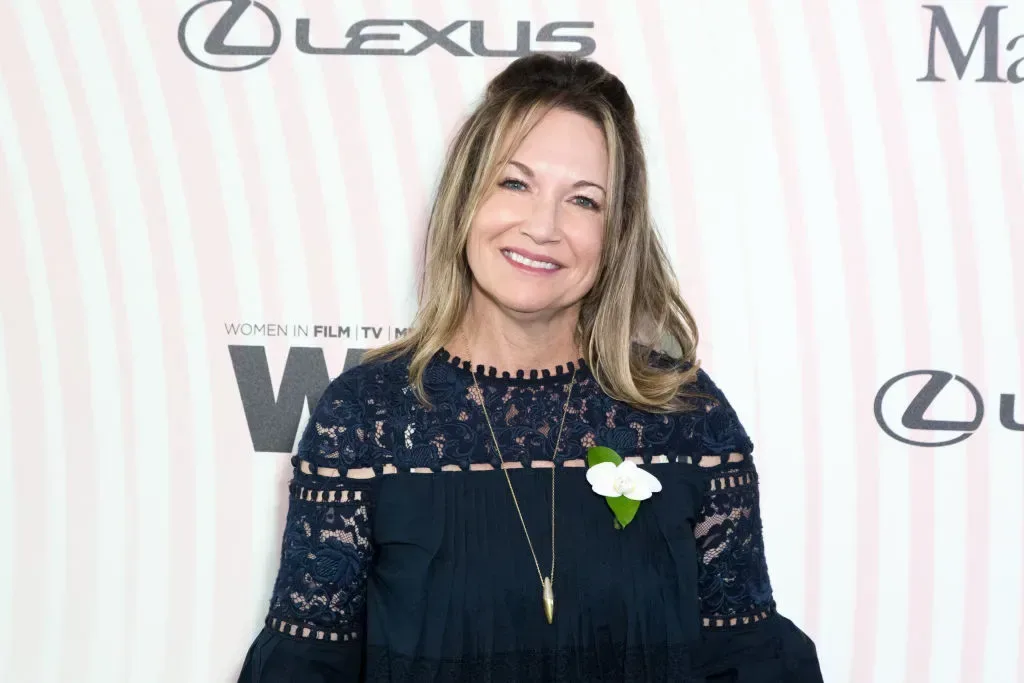

Shari Rosenblum, the senior vice president and head of publicity for 20th Television and 20th Television Animation, is leaving the studio after a 26-year career. Her departure comes through voluntary early-retirement offers extended to longtime employees earlier this year.
Rosenblum has held her most recent role since 2022, overseeing publicity for the two Disney Television Studios banners. She joined the company when it operated as 20th Century Fox Television, working under Dana Walden and Gary Newman before the Disney merger reshaped the corporate structure around the studio.
For viewers, a publicity executive’s work can often be effectively invisible: the series, creators and performers are the public-facing names. Yet publicity is a major part of how a television studio communicates the identity of its shows to audiences, journalists and the wider entertainment business. Rosenblum’s exit therefore marks the departure of a longtime leader whose career has covered campaigns across broadcast, cable and streaming.
A career across major television franchises
Rosenblum led hundreds of studio publicity campaigns spanning multiple genres and distribution models. The list of productions associated with her work illustrates the breadth of that remit: Modern Family, Homeland, New Girl, The Dropout, Percy Jackson and the Olympians, Family Guy, The Simpsons, both iterations of Arrested Development, and multiple Muppets projects.
Her credits also encompass projects tied to producers and creators including Liz Meriwether, Steve Levitan, Chris Lloyd, Howard Gordon, Jonathan Steinberg, Dan Shotz, Craig Silverstein, Dan Fogelman and Liz Helden. That scope matters because each title presents a different communications challenge. An animated comedy with a long-running audience does not require the same approach as a new streaming drama, a youth-oriented fantasy adaptation, or a prestige limited series.
Publicity campaigns can include shaping a show’s press materials and messaging, coordinating access to the people who make it, supporting premieres and other promotional moments, and helping position a series amid an extremely crowded release schedule. The essential goal is not simply attention for its own sake. It is to give a project a recognizable story that connects its creative team, its premise and its intended audience.
That job has become more complicated as television has expanded across platforms. Broadcast series have historically operated on recurring schedules and broad-reach promotion, while cable and streaming projects may launch in different release patterns and compete for attention with a huge volume of on-demand programming. Rosenblum’s portfolio spanning those formats suggests a career built around adapting communications work to changing distribution habits rather than a single kind of series.
What the role means inside a television studio
As head of publicity for 20th Television and 20th Television Animation, Rosenblum’s role sat at the intersection of creative production and the public conversation around it. A studio publicity team works with creators, casts and production partners while also maintaining relationships with journalists and other industry-facing contacts. It is a coordination-intensive discipline: messaging must accurately represent a program while respecting the needs of the people responsible for making it.
Related coverage includes Shari Rosenblum to Leave 20th Television After 26-Year Career.
That work becomes particularly significant for studios handling established intellectual property and large ensembles. The Simpsons, Family Guy and the Muppets carry decades of recognition, while Percy Jackson and the Olympians brings an existing fan community with clear expectations around adaptation. The source material does not detail individual campaign decisions, so it would be wrong to attribute particular outcomes to Rosenblum. But the titles demonstrate the high-profile, varied work that fell within the broader publicity operation during her tenure.
In a staff note, Disney Entertainment Television publicity executive vice president Candice Ashton praised Rosenblum’s impact on the studio’s voice and reputation, calling her a strong advocate for teams and creative partners. The assessment points to an important part of senior communications leadership: the function is not merely external promotion. It also involves supporting colleagues and creative partners as they navigate the demanding process of bringing a series to public attention.
From literary and consumer-products publicity to television
Before joining 20th Television, Rosenblum began in literary publicity, representing books and authors. She later worked on consumer-products campaigns, including licensing programs connected to Ice Age, Planet of the Apes and The Simpsons.
That background connects several different ways an entertainment property reaches the public. Literary publicity centers authors and published work; consumer-products communications concerns licensed merchandise and brand extensions; television publicity focuses on shows and the people behind them. The common thread is the ability to communicate a creative property’s identity clearly to different audiences.
Licensing is especially relevant to enduring franchises. It refers to arrangements in which a brand owner authorizes products using a property’s characters, imagery or other protected elements. The fact that Rosenblum worked with licensing programs before her television tenure provides additional context for a career that traversed both screen storytelling and consumer-facing franchise work.
The television landscape itself changed substantially during that period, with streaming becoming part of the distribution mix alongside cable and broadcast. Rosenblum’s record of campaigns across all three formats places her in a communications career that moved with that shift. The supplied information does not identify her successor or describe any planned restructuring of the publicity teams, so those details remain unannounced.
Mentorship and professional recognition
Rosenblum has also mentored communications professionals who have since worked at organizations including CBS, FGS Global, Disney Entertainment Television Events and Sony Television. Those named include Lauren Kamm, Megan Rugani, Kristen Kelet, Nicole Crawford and Ryan Aguirre.
Mentorship is a practical part of an executive career in publicity, where knowledge is often passed on through the judgment calls behind a campaign: how to prepare for a major moment, how to collaborate with talent and creative teams, and how to communicate under deadline. The listed mentees offer a measure of Rosenblum’s influence beyond the shows directly associated with her studio work.
Her professional involvement has included membership in the Local 600 International Cinematographers & Publicists Guild from 2005 through 2022. She also received the Maxwell Weinberg Showmanship Award for Television for her work on Homeland. Outside her studio work, Rosenblum has served on the board of P.S. Arts since 2019.
Those details reinforce that her career was not limited to campaign launches. It included professional-community participation, mentorship and nonprofit board service alongside the daily responsibilities of a senior studio communications role.
Why a long-tenured departure matters
Rosenblum’s move comes as a voluntary early-retirement decision, rather than as a disclosed change to a specific show or production slate. Still, departures of long-serving executives can matter because senior leaders carry institutional knowledge: familiarity with a studio’s creative relationships, its internal ways of working and the public histories of its signature programs.
Institutional knowledge is not a technical product or a formal database. It is the accumulated professional understanding that helps teams recognize recurring needs, anticipate communications issues and maintain continuity across years of projects. In a studio environment that produces work for several platforms, that experience can be especially valuable.
The television and games businesses share at least one operational reality: public-facing creative work depends on extensive behind-the-scenes coordination. As coverage of pressures on platform review systems has shown, even seemingly straightforward audience-facing processes can rest on staffing and specialist expertise; approval-resource concerns at Valve are a separate example of how operational capacity can affect a public-facing pipeline.
Rosenblum described her departure as the end of her Disney-Fox career and expressed gratitude to Walden, Newman, Shannon Ryan, Ashton, Karey Burke, the executives at 20th Television, creative colleagues and journalists. Her statement frames the exit as a thankful farewell after decades spent helping storytellers bring television projects into the public eye.
No next role for Rosenblum has been detailed. What is clear is that her 26 years at the studio encompass a wide stretch of modern television publicity, from major network comedies and cable dramas to animation, franchise entertainment and streaming-era releases.