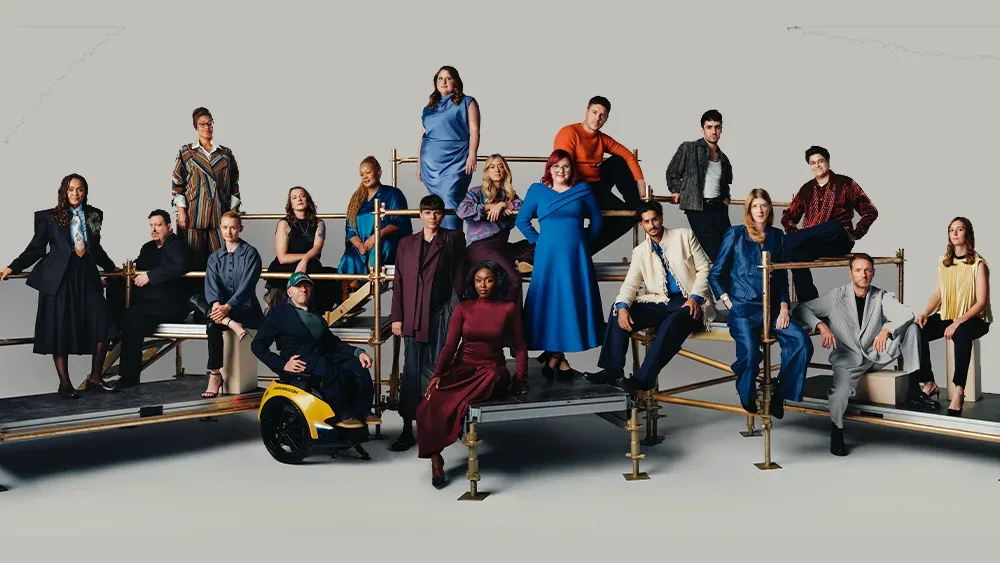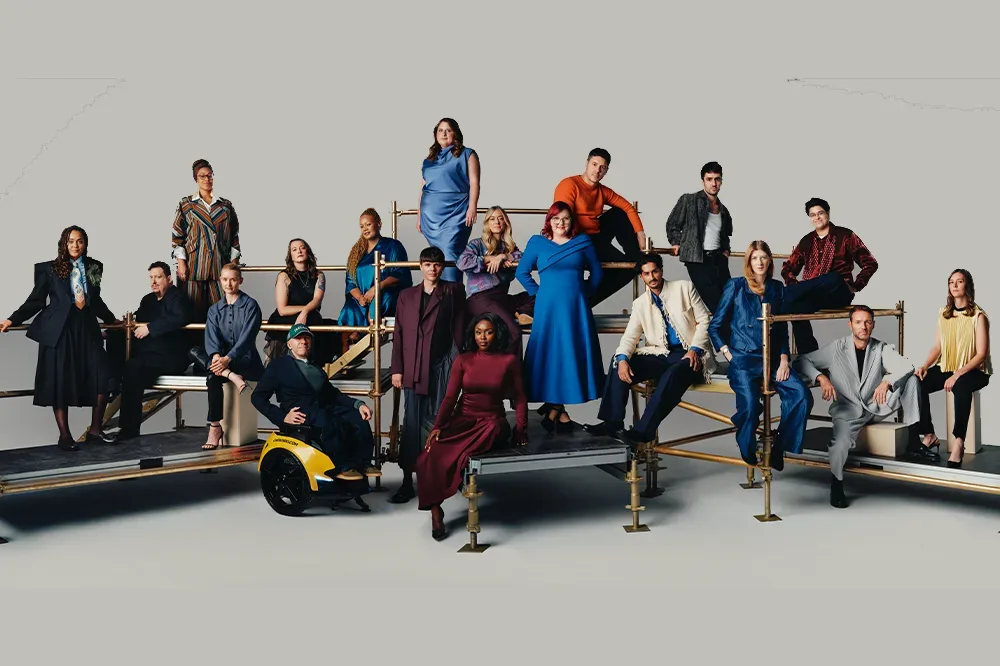
BAFTA has revealed its 2026 Breakthrough cohort for the U.K., selecting 21 emerging creatives working across film, television, documentary and games. Five of those selected work in games: Eloise Singer, Husban Siddiqi, Kate Killick, Niru Fekri-Arnold and Tom McKay.
Now in its 13th year, BAFTA Breakthrough is a talent-development programme rather than an award for a single game or performance. Its support is intended to run throughout the year and includes career guidance, mentorship, networking opportunities and full BAFTA membership. Netflix is again the programme’s official supporter, marking the seventh consecutive year of that partnership.
The games selections span several disciplines, which is important context for what the programme is recognizing. The cohort is not limited to a game’s public-facing creative leads. It includes writing and directing, game direction and development, creative direction, creator/designer work, and performance. That spread reflects how games are built through many specialised roles, each shaping the final experience in a different way.
The five games creatives selected for BAFTA Breakthrough
- Eloise Singer — writer/director, The Pirate Queen: No Safe Waters
- Husban Siddiqi — game director and developer, Rogue Eclipse
- Kate Killick — creative director, Pieced Together
- Niru Fekri-Arnold — creator/designer, Cursed Words
- Tom McKay — performer, Mysteria Ecclesiae: Kingdom Come Deliverance DLC
That five-person games group sits alongside 16 practitioners in film, documentary and unscripted programming, and television. The full cohort therefore offers a screen-industry snapshot rather than a games-only list, but the dedicated games representation makes the programme relevant to developers, creators and performers looking at the pathways that surround game production.
What the job titles tell us
Writer/director is a dual creative role. In broad terms, the writer develops the narrative material—such as story, characters or dialogue—while the director guides how that material is realised. In games, the exact balance can vary by project and studio. The designation for Singer signals responsibility across both narrative authorship and the direction of the work.
Game director generally refers to a person responsible for helping steer a game’s overall creative vision and priorities. A developer, meanwhile, is a broad label covering people who make games; it can encompass technical, design and production work. Siddiqi’s listed game director and developer roles underline that the programme is recognising leadership and practical game-making together, rather than treating them as separate worlds.
Creative director is also a vision-centred role, often concerned with keeping a project’s creative elements aligned. Depending on the project, that can mean establishing or maintaining the intended tone, identity, presentation and player-facing direction. Killick’s inclusion is a reminder that a game’s authorship does not begin and end with programming or a single named director.
Fekri-Arnold is listed as creator/designer of Cursed Words. “Creator” indicates originating a project or core concept, while “designer” concerns the choices that shape how an experience works for its audience. The source material does not specify the project’s mechanics or format, so it would be wrong to read a genre or platform into the title alone. Still, the role itself represents the design side of the games field in a cohort otherwise spanning several disciplines.
Related coverage includes BAFTA Breakthrough 2026 Names 21 Rising UK Creatives Across Film, TV and Games.
McKay is recognised as a performer for Mysteria Ecclesiae: Kingdom Come Deliverance DLC. DLC means downloadable content: additional material connected to an existing game. The inclusion of a performer is particularly notable because it makes clear the programme’s games remit is not confined to development teams. Acting and other performance work can be central to how a game conveys character and narrative.
A programme built around careers, not a verdict on one release
Breakthrough’s structure matters. It is designed to assist rising practitioners over a year through mentorship, connections and professional support. That is a different proposition from a conventional prize that ranks a year’s games against one another or singles out one completed work as the best in a category.
For the five games honourees, the practical value described by BAFTA is access: access to mentors, to industry networks and to the wider BAFTA membership community. Those opportunities can be meaningful in an industry where game creation is collaborative and where individual contributors may be known for a project without necessarily having broad professional visibility outside it.
The cohort format also gives equal room to professions that are frequently discussed separately. A writer/director, creative director, game director/developer, creator/designer and performer do not do the same work. Putting them in a shared development programme acknowledges the interdependence of those specialisms without pretending their responsibilities are interchangeable.
Jane Millichip, BAFTA’s chief executive, described Breakthrough as a programme intended to champion talent across all three screen sectors and help creatives establish durable careers through support and connections. That stated focus on careers helps explain why the list includes people from a wide range of crafts, rather than only roles with the highest public profile.
Games within a wider screen-industry cohort
The film contingent includes producer Hollie Bryan; writer/director Louis Paxton; casting directors Lucy Allen and Tom Payne; co-writer/director Imran Perretta; hair and makeup designer Regina Meessen; and writer/director Ted Evans.
In documentary and unscripted work, the selections are presenter and producer Chris Lynch, writer/director Myrid Carten, and producer and reporter Runako Celina. Television’s group includes actors Ella Bruccoleri, Izuka Hoyle and Sophie Stone; production designer Philippa Mumford; creator and executive producer Tom Cousins; and writer Yassmin Abdel-Magied.
That cross-sector mix is more than administrative grouping. Film, television and games often draw on related creative crafts—writing, design, performance, production and direction—but apply them to mediums with different workflows and audience relationships. BAFTA Breakthrough’s U.K. cohort treats games as one of the screen sectors alongside those fields, with five selections carrying that part of the programme.
For readers tracking the broader entertainment-business overlap, Netflix’s continued support is also part of the story. The company’s partnership is connected to its Generation N initiative, which is intended to develop emerging and mid-career talent in the U.K. That sponsorship does not change the programme’s cross-sector focus: the cohort includes talent from the full range of screen industries, including games.
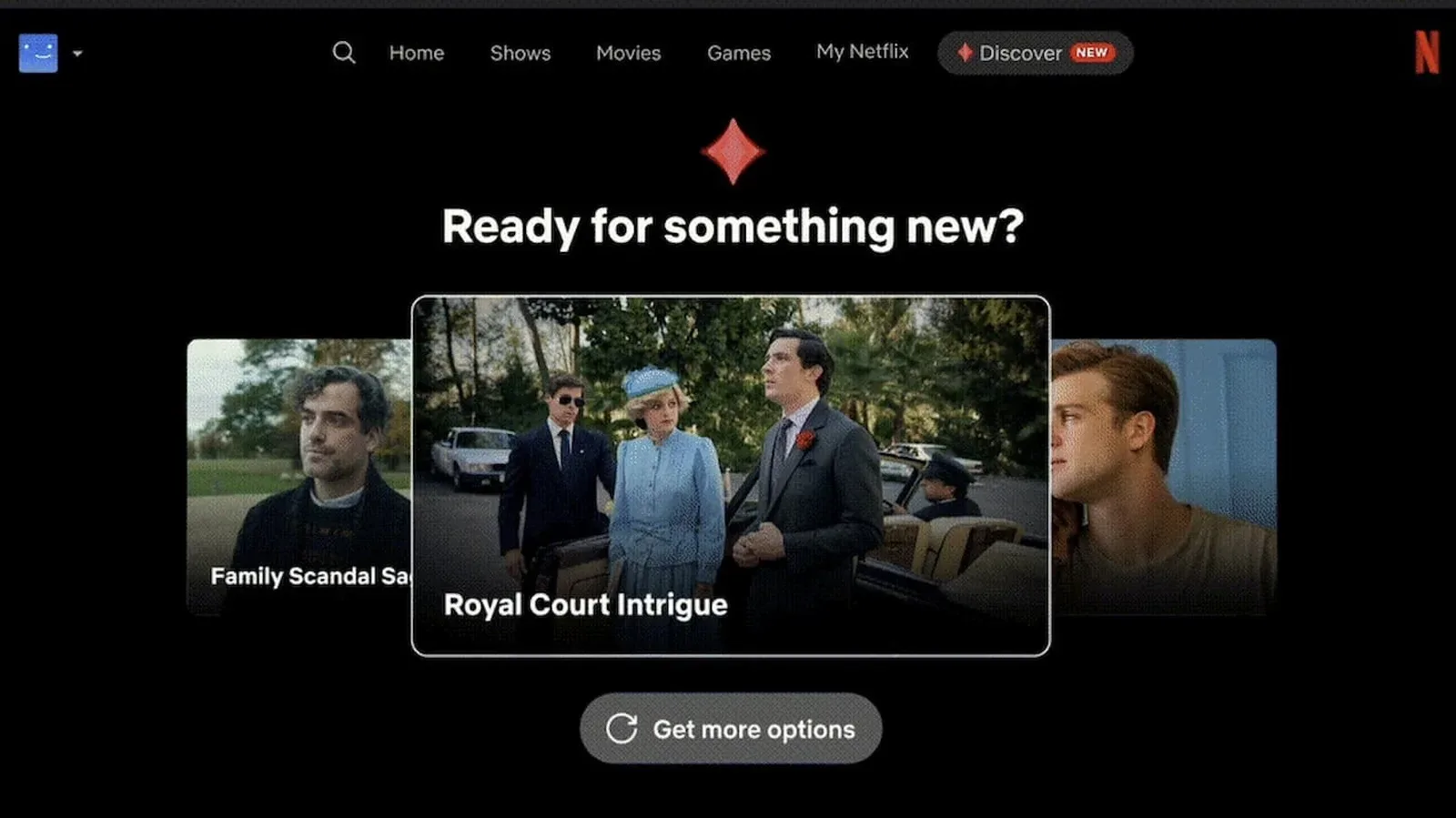
Netflix has also recently been testing an AI-led discovery feature for TV viewers, a separate effort focused on how people find something to watch. Its TV discovery experiment and its support for BAFTA Breakthrough are distinct initiatives, but both sit within a larger entertainment landscape where platforms, creative work and audiences increasingly intersect.
The programme’s track record, and what it does not guarantee
Since the initiative launched, more than 330 creatives have taken part globally. Collectively, BAFTA says those alumni have received more than 200 BAFTA nominations and over 80 wins. Its former participants include Florence Pugh, Tom Holland, Jessie Buckley, Josh O’Connor, Bella Ramsey, Paapa Essiedu and Letitia Wright.
Those names show that Breakthrough has supported people who later attained substantial recognition. They should not, however, be read as a prediction that every member of the 2026 cohort will follow the same career path. The supplied details establish that the programme provides resources and professional connections; they do not promise projects, funding, releases or awards for the people chosen this year.
Likewise, selection should not be mistaken for confirmation of new announcements around the five listed game projects. The available information identifies each participant and the work associated with them, but it does not provide release schedules, platforms, commercial plans, gameplay details or other project updates. The reliable takeaway is narrower and more useful: five practitioners representing distinct parts of game creation have been selected for a year-long professional-development programme.
Why the 2026 selections matter for games
Industry recognition can too often reduce game-making to a handful of visible studios, franchise names or executive roles. This cohort instead foregrounds individual creative practice. Singer’s writing and directing, Siddiqi’s directing and development, Killick’s creative leadership, Fekri-Arnold’s creation and design, and McKay’s performance form a concise illustration of the variety of labour behind games.
It also makes the games selections useful as a point of reference for aspiring practitioners. There is no single route represented here. One honouree is associated with performance, another with design, another with broad creative direction, and others with narrative and development leadership. The programme’s own support—mentoring, networking and membership—appears built around that reality: careers in the screen industries are varied, and professional growth can require connections as well as craft.
BAFTA North America is expected to announce its U.S. Breakthrough cohort later in November. For the U.K. programme, the 2026 list is now set: 21 emerging screen creatives, with five places dedicated to the people making and performing in games.