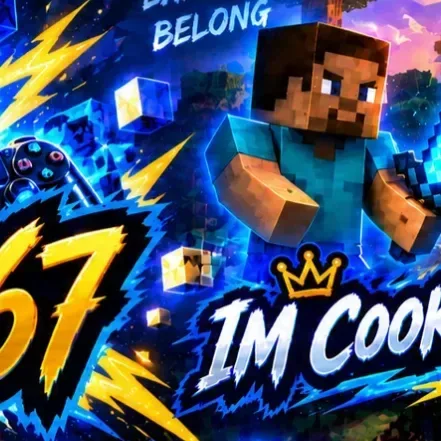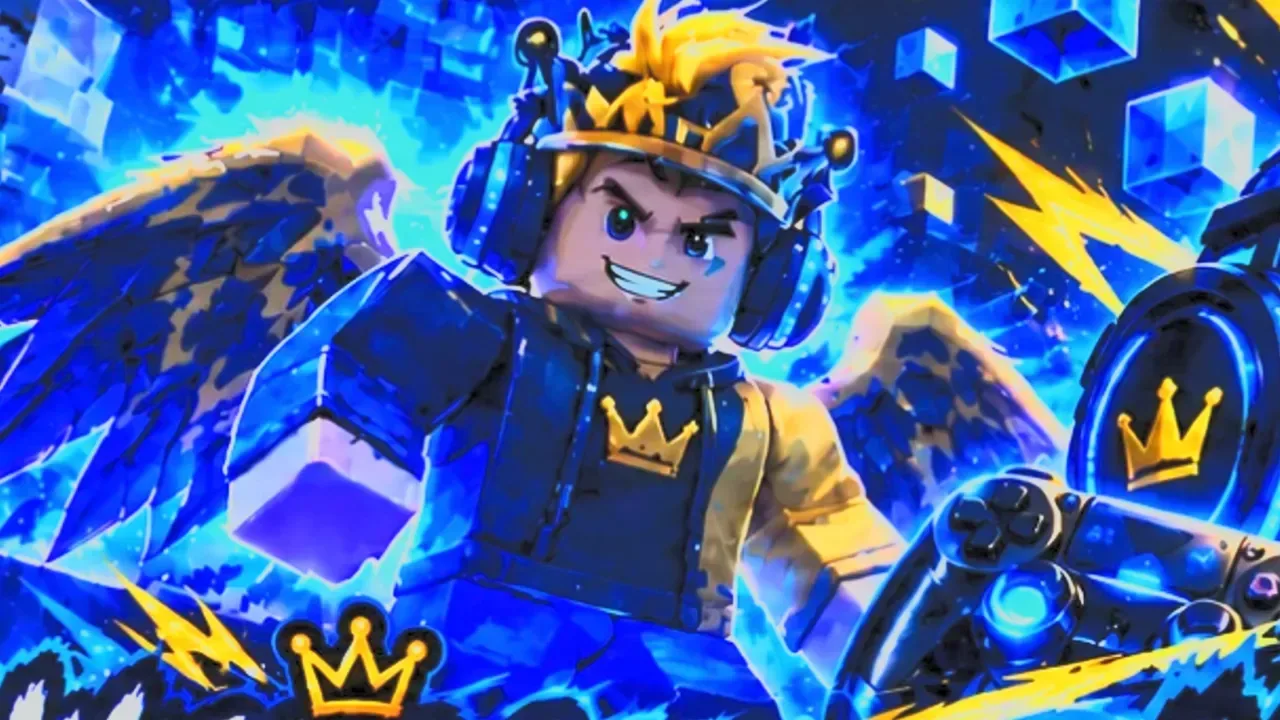
Dave, the father at the center of the Mighty Mike Plays controversy, says every customer who bought one of the channel’s AI-generated T-shirts has been refunded. The promise arrived in a lengthy explanation video after a viral account of alleged company-card spending, an urgent financial deadline and a rushed merchandise effort drew intense scrutiny across the gaming community.
The core allegation that ignited the story was dramatic: Dave said his son had used a company credit card to buy more than $118,000 in YouTube video advertising. That claim, presented as a personal account on the Minecraft-focused channel, rapidly reached an audience far beyond its presumed scale. Dave has now said he expected the first video to reach roughly 10,000 views at most, rather than becoming a widely dissected online event.
His newer video, initially uploaded to Mighty Mike Plays and later deleted before being reposted to a separate channel called Coffee Time with Dave, attempts to address both the scale of the reaction and the inconsistencies viewers identified. It does not settle every question raised online. It does, however, substantially revise how Dave characterizes the employment and business circumstances that formed an important part of the original narrative.
What Dave says will happen to T-shirt orders
Dave’s clearest update concerns the merchandise. He says everybody who received one of the T-shirts has been refunded, including people who did not request a refund. He also said about 100 people received shirts for free.
The merch store had become a major flashpoint because of the designs’ use of generative artificial intelligence and because of complaints about the pricing. Generative AI refers to software that creates new text, images or other material from patterns learned during training. In this case, the pertinent issue is AI-generated artwork used on apparel—not a claim that the shirts themselves were made with unusual manufacturing technology.
Dave now concedes that relying on AI for the designs, and the way the merchandise was priced, were mistakes. He said he would handle it differently with hindsight, while also maintaining that the situation felt time-sensitive. He described the official merchandise project as putting him roughly another $10,000 in the hole, though that figure is his own characterization of the cost.
The refund is the most tangible response in an episode largely defined by disputed storytelling and rapidly changing public perception. For customers, the practical point is straightforward: Dave says refunds were processed automatically rather than being contingent on submitting a request. The available account does not provide transaction timing, payment-method details, or a customer-support process for buyers who do not see a refund reflected on their end.
A viral story changes shape
Dave says he initially saw the original video as an act of venting: the sort of distressing anecdote one might tell friends. But a creator’s intention does not control how viewers interpret a public post, particularly when it combines a large dollar figure, family conflict, a short deadline and a request-adjacent path toward community participation.
Related coverage includes Mighty Mike Plays Dad Promises AI Shirt Refunds After Viral Ad-Spend Fallout.
He insists he did not post the video to seek assistance. Yet viewers and Minecraft fans did organize around the story, in part because the initial account framed the alleged spending as a financial crisis that had cost him his job and left only 30 days to make up the loss. Once merchandise appeared as a means for supporters to engage with the situation, attention shifted from sympathy to questions about the business setup, the urgency, and the execution of the store.
That shift matters because an audience responding in real time often treats a creator’s early description as the operative version of events. Later clarifications may be sincere, but they also create a higher burden of explanation when they materially change the meaning of earlier claims. In this case, the phrase “fired” is at the center of that divide.
Dave clarifies what he meant by being “fired”
In the new video, Dave says he was not fired in the conventional employee-employer sense. Instead, he says that a contract between two companies was terminated. He considers the lost contract equivalent to being fired, but acknowledges that his earlier wording was a simplified version of the situation.
That is not merely a semantic distinction. Being terminated from a job generally implies an individual’s employment ended. A contract ending between businesses can still have serious consequences, especially if the agreement is important to a company’s revenue, but it describes a different business relationship and a different set of responsibilities.
Dave also confirmed that he owns companies himself, saying he has about 12. He added that not all are currently productive and that corporate titles or company ownership do not automatically mean a person is running profitable operations. That clarification answers one common question about the original presentation while introducing a broader picture of his business arrangements than viewers had initially been given.
None of those statements independently establishes the full financial picture, and the original allegation about the ad purchases remains an allegation described by Dave. What is clear is that the framing has moved from a simple story of a worker allegedly fired after a child’s spending spree to a more complicated account involving business entities, a terminated contract and a creator-owned merchandise campaign.
Why the AI merch became such a large part of the reaction
The apparel was not just a side detail. It became the visible commercial expression of a viral crisis narrative. Viewers who had arrived because of a story about alleged unauthorized spending were suddenly being offered products tied to that story. That made decisions about design, price and presentation unusually consequential.
Dave says he launched official merchandise because he did not want third parties to exploit people who wanted to participate in the situation. But the official approach itself attracted criticism, particularly once viewers saw widespread AI-generated imagery. His later admission that the approach was not the right move indicates that he recognizes the gap between a fast solution and a solution an audience regards as credible or respectful.
For gaming creators, the episode illustrates why merchandise needs clear boundaries even during a moment of explosive visibility. A merch shop can be a normal creator-business tool. In a crisis-shaped narrative, though, it can also look like a fundraising mechanism whether or not it is formally described that way. The more emotionally urgent the surrounding story is, the more important it becomes to explain what a purchase does and does not support.
It is also a reminder that “official” does not automatically resolve audience concerns. Official merchandise may protect a community from unaffiliated sellers, but it does not remove the need for thoughtful design choices, honest product presentation and transparent communication. Dave’s blanket refund promise is an effort to address the customer side of that problem; whether it restores trust in the wider account is a separate matter.
What remains unresolved
Dave’s explanation provides a direct response on refunds and a clearer description of the contract issue. It does not appear to have ended the debate surrounding Mighty Mike Plays. The video covered many topics beyond the central dispute, and its relocation from the original channel to Coffee Time with Dave adds another wrinkle for people trying to follow the public record.
The biggest unresolved question is not whether Dave now regrets the AI T-shirts. He plainly says he does. The enduring issue is whether the revised account adequately explains why the initial video was framed around being fired, a 30-day deadline and a large alleged credit-card spend when his business structure was more complicated than viewers first understood.
Online scrutiny can be messy, speculative and sometimes excessive. It can also surface the practical details that a viral narrative leaves out. The Mighty Mike Plays situation contains both dynamics: a private family and business story became mass entertainment at a speed Dave says he did not anticipate, while each clarification invited fresh attention to details that had previously been simplified.
Creators navigating attention at that scale may find the relevant lesson less glamorous than viral fame: slow down before turning a personal crisis into a public commercial moment. A clear factual account, careful wording and a deliberate merchandise plan are far easier to evaluate than corrections issued after millions of people have already formed an impression. For more platform and hardware coverage around the broader technology landscape, see our guide to making PC gaming and multitasking less fiddly with a second monitor.