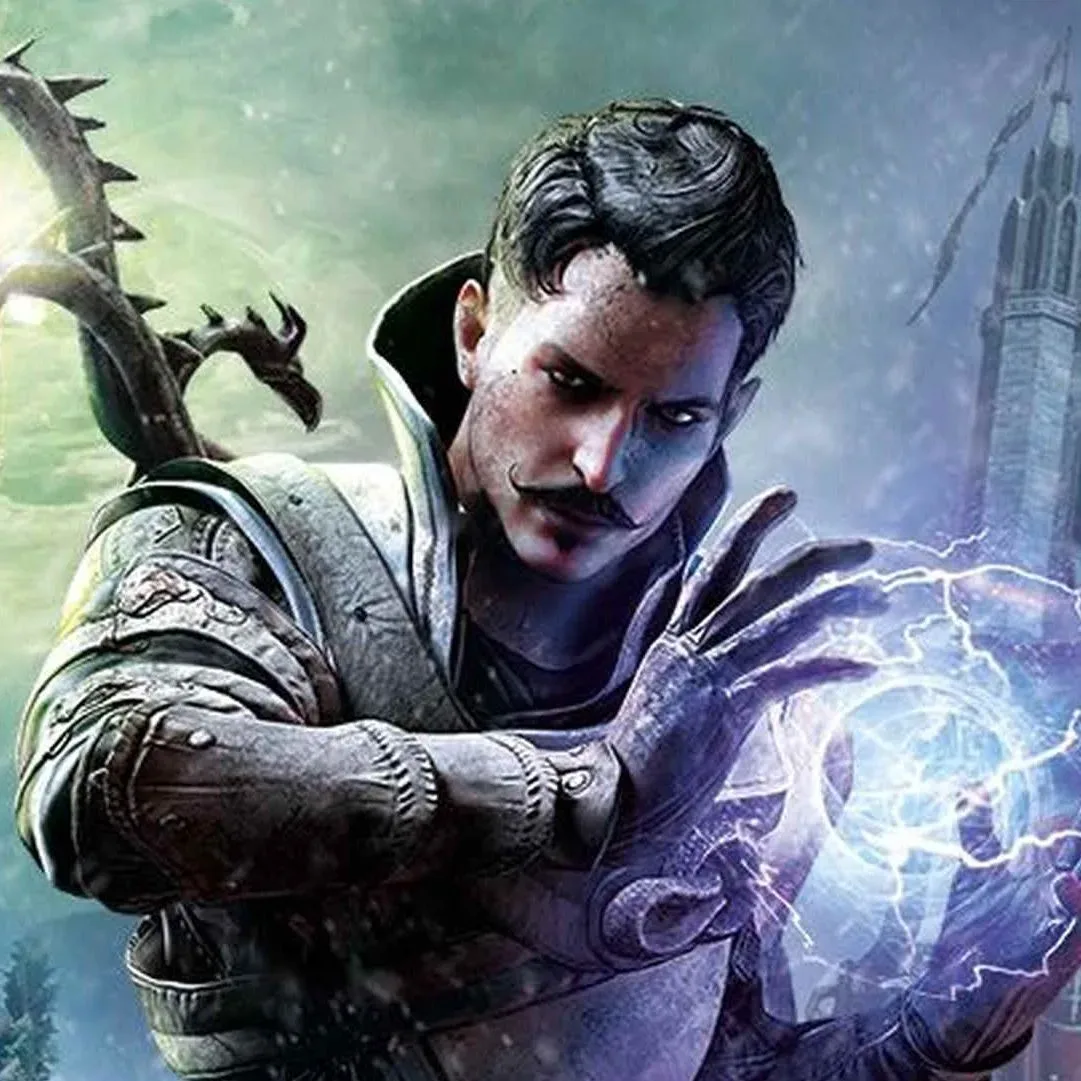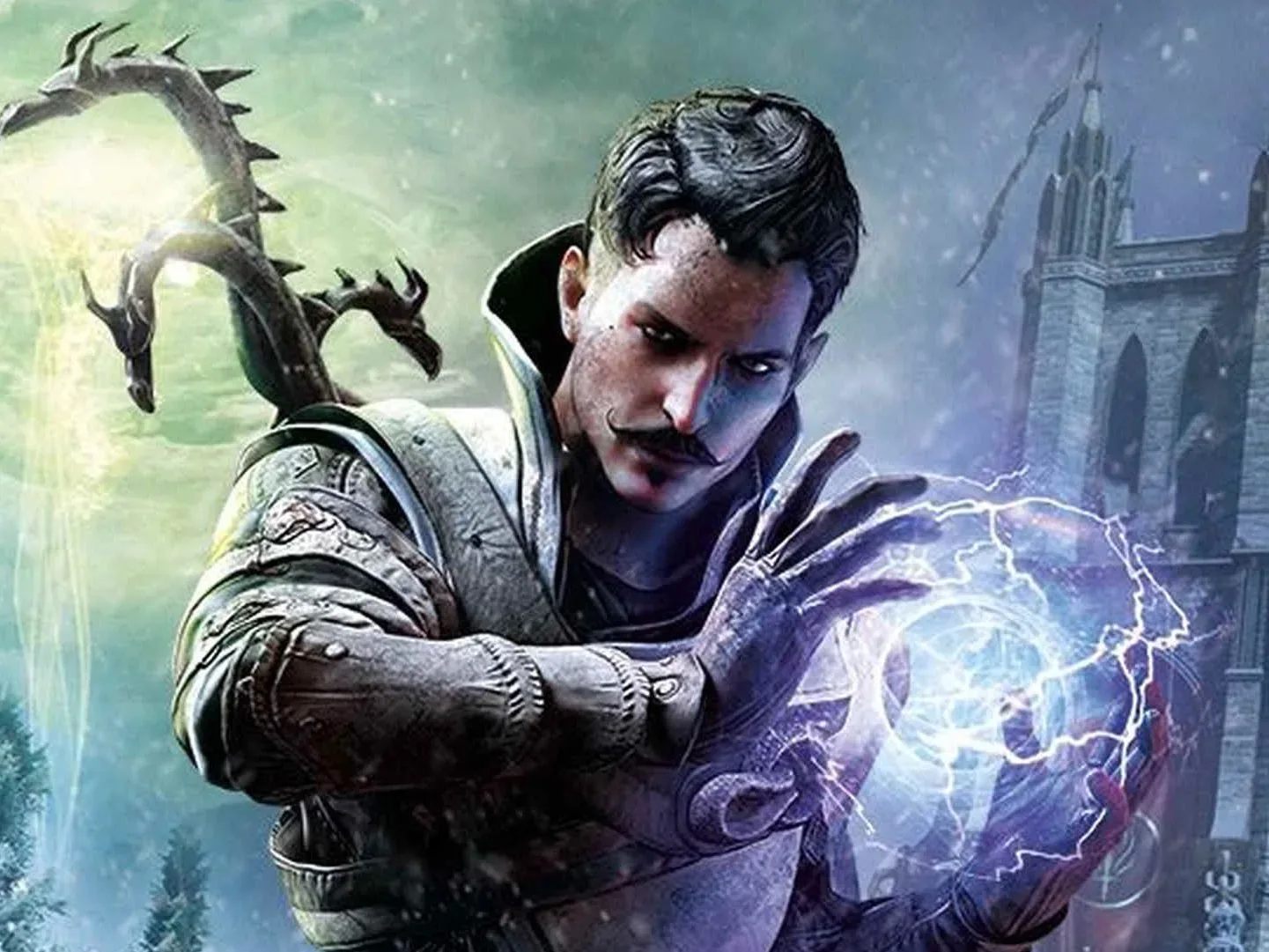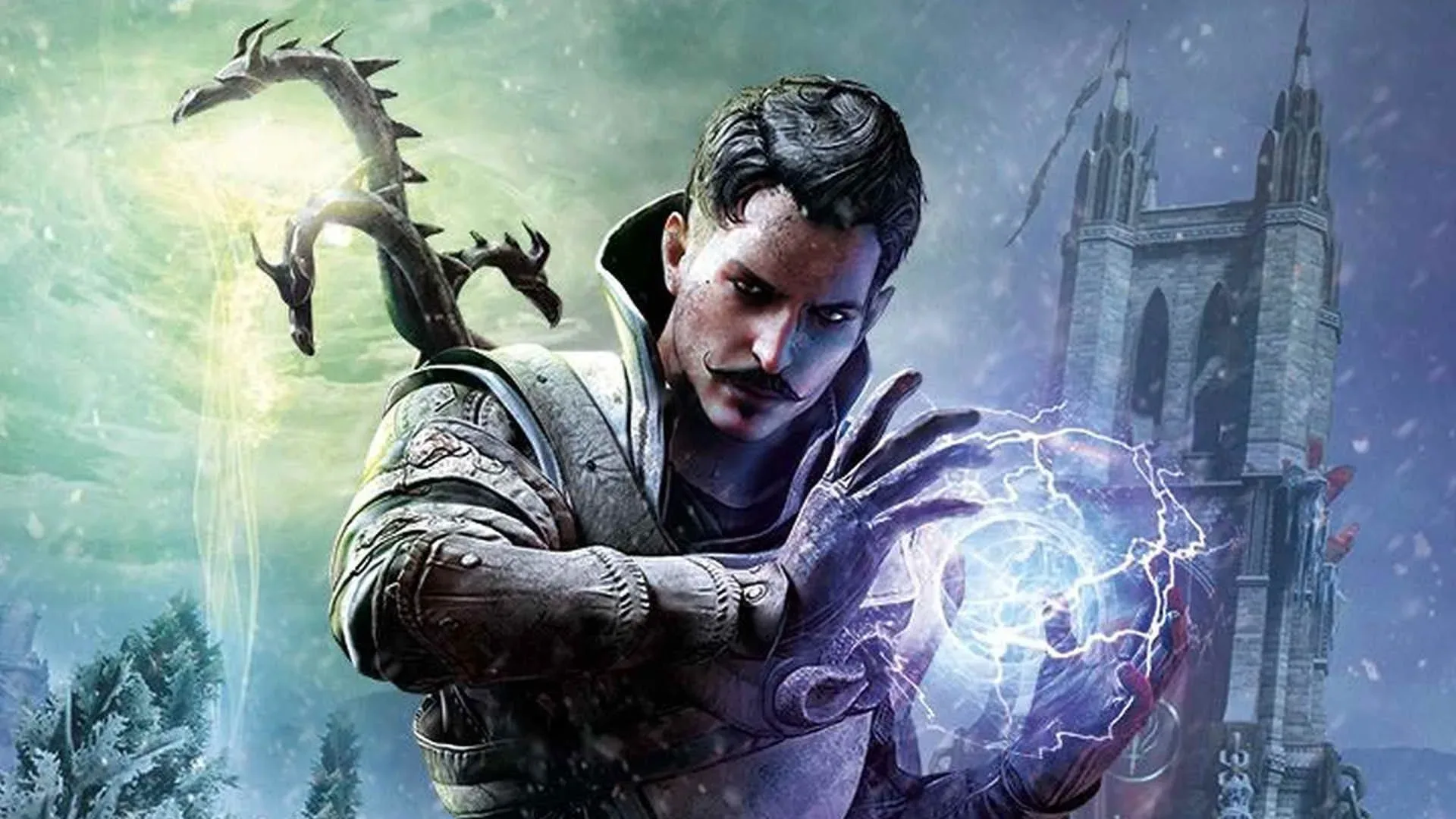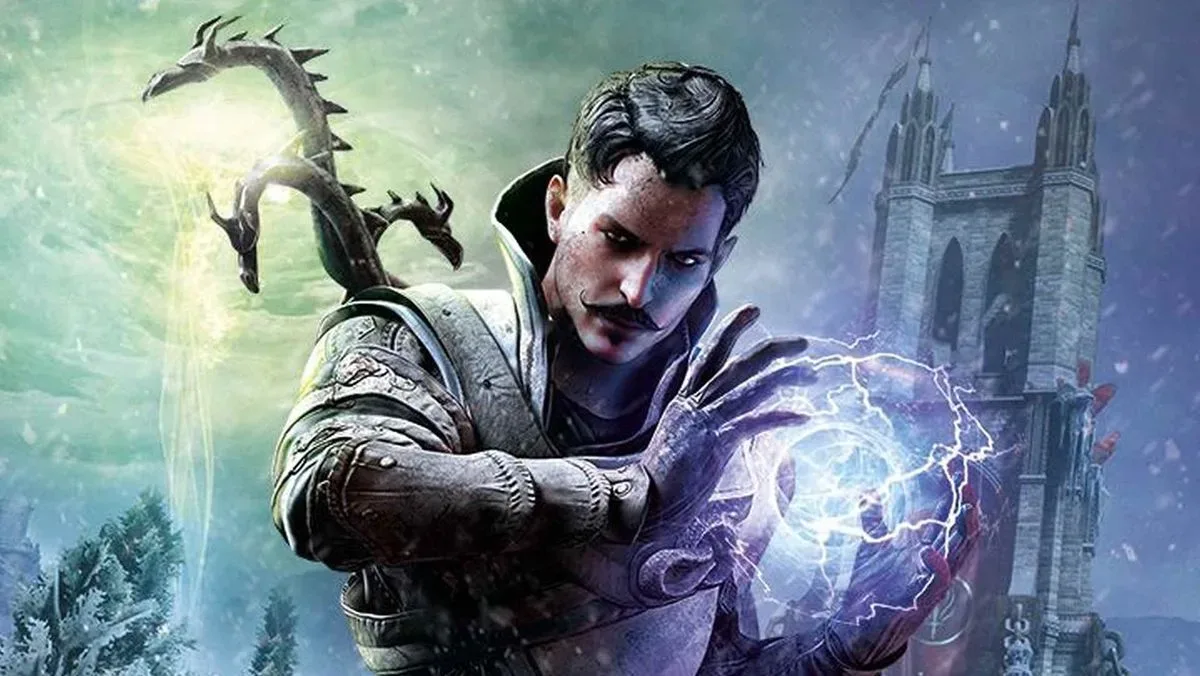
A launch-title version of Dragon Age: Inquisition for Xbox One was, in the blunt recollection of former series lead Mark Darrah, a promise BioWare did not expect to keep. The studio told EA the role-playing game would arrive alongside Microsoft’s new console in 2013, Darrah said, but internally it was understood that the date was not realistic.
“To be clear, we were lying,” Darrah said while discussing the project. He added that the studio did not attempt to simulate a 2013 finish by forcing the development team to work toward that deadline. Instead, the target existed as part of the pitch.
That distinction matters. A missed public date can result from an ambitious schedule that eventually proved unworkable. Darrah’s description is more severe: the launch-window commitment was not the plan that guided production in the first place. It presents Inquisition’s eventual November 2014 release not as a narrow slip from a hard internal launch goal, but as a result that was always much more plausible than a 2013 debut.
A console-generation mix-up, then a clear recollection
Darrah initially referred to the Xbox 360 while explaining the original timeframe, then corrected himself to Xbox One. The correction is significant because Xbox One and PlayStation 4 both launched in November 2013, while Dragon Age: Inquisition arrived roughly a year later, in November 2014.
Inquisition launched on both Xbox One and PlayStation 4, so a plan framed as an Xbox One launch title would in practical terms have placed the game in the broader eighth-generation console launch period. The supplied account does not set out a separate PlayStation 4 pitch, but the game’s eventual simultaneous presence on both new systems makes the generational context clear.
A launch title is a game released at, or extremely close to, the launch of new hardware. It is a coveted slot for a publisher: a game can benefit from unusually concentrated attention, platform-holder marketing, and players looking for reasons to buy a new machine. It is also a uniquely difficult target. The release date is constrained by the hardware launch itself, not simply by the point at which a developer feels the game is ready.
In this case, Darrah’s account indicates that the commercial value of associating a major RPG with the new Xbox was useful during planning discussions, even though the development reality did not support the date. He characterized the timing in especially direct terms: it was “never gonna happen.”
The schedule that actually expanded
Darrah also connected the project’s approval to EA’s positive view of Dragon Age 2. He said the proposed development timeline for Inquisition was two and a half years. That duration initially seemed acceptable to EA, but the schedule was subsequently moved by a year and then by another six weeks.
Related coverage includes Former Dragon Age Lead Says Inquisition's Xbox One Launch Plan Was Never Realistic.
Those moves help explain why the originally discussed 2013 positioning and the final 2014 launch should not be treated as the same kind of plan. The game was not merely held for a short final delay. Its stated development schedule grew materially before release.
It is important, though, not to fill in the missing details. Darrah did not, in the supplied remarks, attribute the extensions to one particular technical problem, feature, platform issue, or management decision. He also did not describe what EA knew at each point after the initial pitch, or how the publisher responded. The useful takeaway is limited but notable: an early two-and-a-half-year proposal became a longer production schedule, and the launch-title claim was not an internal working target.
Why the wording changes the interpretation
There is a substantial difference between schedule optimism and a knowingly unattainable target. Schedule optimism means a team believes it can reach a date and later learns it cannot. What Darrah describes is closer to a strategic commitment made outwardly without making it the schedule that developers were asked to execute.
That does not establish every reason the claim was made, and it does not prove what any individual at EA believed. But it does make the episode a telling example of how a high-profile release can be discussed at different levels of an organization. A pitch can communicate desirability—an acclaimed RPG at the start of a new console cycle—while the production plan follows a different timeline.
For players, the practical lesson is not that every ambitious launch window should be dismissed. Rather, early release positioning is often less concrete than it sounds. Until a project has a publicly confirmed release date and reaches the final stages of production, the dates attached to it may reflect a goal, a negotiating position, an internal forecast, or—as Darrah now says of this case—something that was not intended to become the team’s reality.
What BioWare gained by taking more time
The extra time ultimately led to a commercially important release. Dragon Age: Inquisition became BioWare’s best-selling single game, with 12 million units sold. The figure is a useful reminder that missing a console-launch moment did not prevent the game from finding a large audience.
That outcome does not mean postponement is automatically good business. A longer schedule can increase costs, delay revenue, and complicate plans across a publisher’s portfolio. Nor does the information here establish whether the added time alone caused Inquisition’s sales performance. It does show, however, that the title’s success was large enough to eclipse the lost opportunity of a 2013 hardware launch.
It also complicates the simplistic idea that a launch title is inherently the best possible place for every major game. A title released with new hardware competes for attention in a smaller but intensely focused software lineup. A release one year later enters a larger installed base: more people own the new consoles, and more prospective customers are available. The supplied material does not provide console-sales data or a sales breakdown by platform, so that wider-market point is analysis rather than a proven explanation for Inquisition’s 12 million sales.
Still, it is a reasonable business lens through which to view the eventual timing. The game arrived after the new systems had been on sale for about a year, not amid the uncertainty of launch week. And it did so on both PS4 and Xbox One rather than as a game defined by one console’s debut.
Launch games are not simply games that arrive early
The episode is also a useful clarification of a term that gets thrown around easily during hardware transitions. A launch title is not merely a game that supports a newly released platform. It is a product expected to help establish that platform’s first impression. It must coordinate with hardware schedules, certification plans, manufacturing or digital distribution timing, marketing campaigns, and the developer’s own readiness.
For a large role-playing game, that kind of fixed date can be particularly unforgiving. The supplied remarks do not provide a feature list or technical account of Inquisition’s production, so there is no basis to identify a specific obstacle. But Darrah’s recollection makes clear that BioWare did not organize the team around the 2013 target. In other words, it was not a date the studio chose to meet through an all-hands push and then failed to hit; it was a date it did not regard as viable.
The contrast is worth remembering when new-console rumors surface. A developer can be making a game for upcoming hardware without being capable of shipping it on day one. Likewise, the game that most strengthens a platform’s early library may arrive months later. Current Xbox platform conversations have likewise shown how release decisions can turn on a developer’s broader strategy, as with Playtonic’s Xbox plans for Impossible Lair: Definitive Edition.
A candid look at a successful game’s uneasy beginning
Darrah’s comments strip away the polished version of a familiar industry narrative. Rather than a straightforward march toward a blockbuster release, the route to Dragon Age: Inquisition involved an externally attractive but internally implausible launch-date promise, followed by substantial schedule movement.
The result was nevertheless a landmark commercial performance for BioWare. At 12 million units, Inquisition stands as the studio’s best-selling individual game in the information provided. That makes the disclosure less a story about a project that failed its launch target than one about how far the original pitch was from the game’s eventual path.
For anyone revisiting the Xbox One and PS4 transition, the key correction is simple: Dragon Age: Inquisition was once presented as part of that launch moment, but it was not built as though it would actually be there. The November 2014 game was a year removed from the November 2013 console debuts—and, by Darrah’s account, that was never an accident discovered late in development.