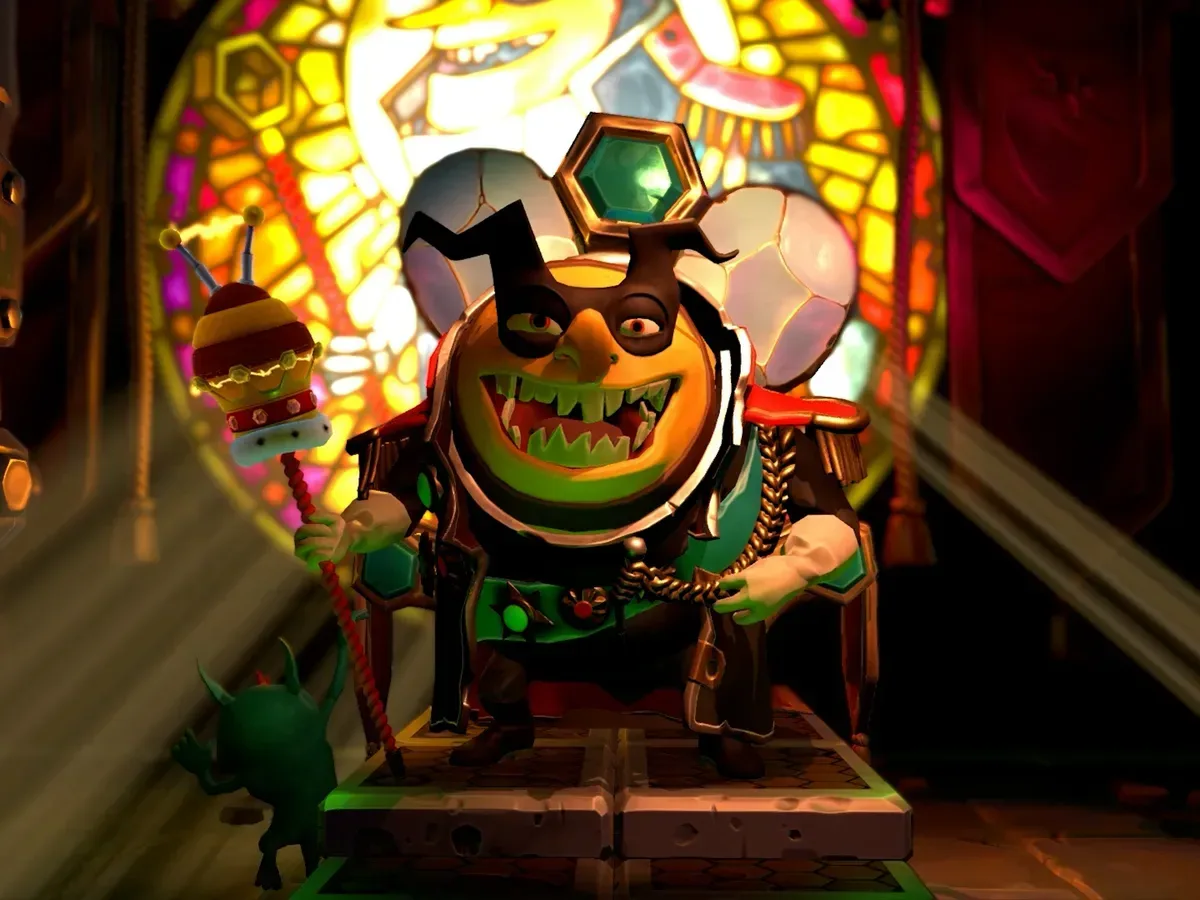
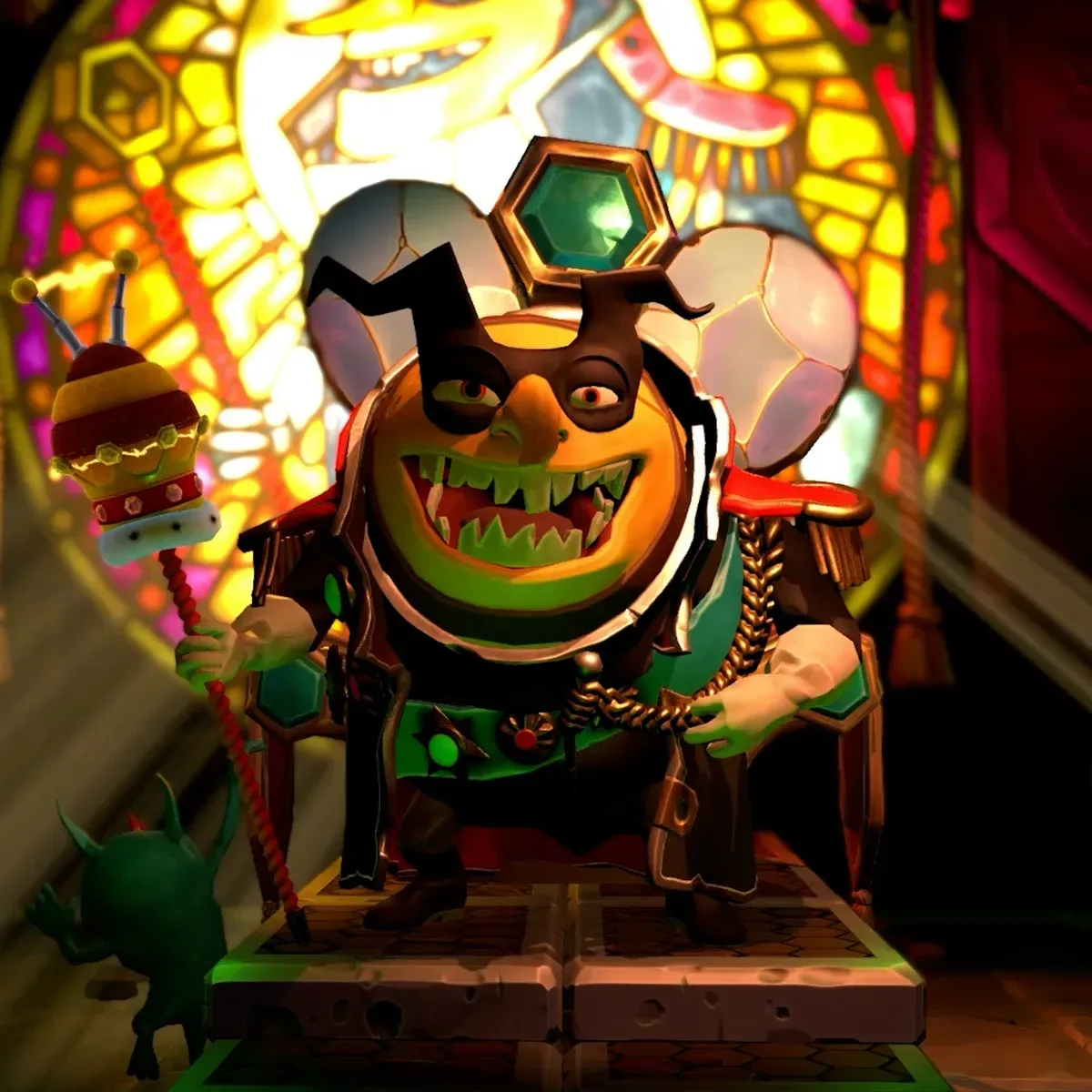
Playtonic has confirmed that Yooka-Laylee and the Impossible Lair: Definitive Edition will not receive an Xbox Series X|S version at launch. The updated release is due on PC, PlayStation 5, and Nintendo Switch 2 on December 15, while Xbox owners are currently outside the plan.
The decision has provoked a sharp response from part of the game’s Xbox audience, particularly because the original Yooka-Laylee and the Impossible Lair arrived on Xbox One alongside its PlayStation 4 and Nintendo Switch counterparts in 2018. For those players, the platform omission does not feel like a new game simply missing one storefront; it feels like a formerly simultaneous platform relationship breaking at the point of a newer edition.
What Playtonic has actually said
Playtonic described the choice as a matter of limited development capacity, technical challenges, and cost. The studio said it had to prioritize the PS5 and Switch 2 versions and cannot commit to additional platforms “for the foreseeable future.” Its central explanation is that bringing the updated game to Xbox is not viable for the team at this time.
“We understand the frustration felt by those of you who won't be able to access the Definitive Edition at launch,” Playtonic said, adding that the decision was not easy and apologizing to players affected.
That is an important distinction: the statement rules out an Xbox Series X|S release at launch and says there is no commitment to further platforms for the foreseeable future. It does not establish a permanent, absolute cancellation in the language available. Nor does it give a detailed breakdown of the specific technical work, staffing requirements, certification process, or commercial forecasts involved.
“Viable” in this context is business language with a broad meaning. A platform version can be technically possible yet still be difficult for a small team to justify if the required engineering, quality assurance, platform compliance work, and ongoing support demand more resources than the studio believes it can responsibly allocate. Playtonic cited both technical challenges and costs, but it has not publicly itemized either side of that calculation.
Why the explanation has left Xbox players dissatisfied
The lack of granular detail is a major reason the response has been so heated. Players responding to the decision have interpreted the statement as an assessment that the prospective Xbox return would not cover the expense of making the port. That interpretation is understandable, but it remains an inference rather than a sales figure or a direct claim from Playtonic.
Some fans have argued that the studio should state more plainly whether sales performance, available funds, time, or technical constraints drove the decision. Others have focused on the perceived imbalance: the Definitive Edition is coming to PC, PS5, and Switch 2, but the Xbox audience that bought the 2018 release does not have an equivalent current-generation option announced.
Related coverage includes Playtonic Faces Xbox Backlash After Ruling Out Impossible Lair Definitive Edition Port.
Several of the most frustrated reactions frame the release as an upgrade that existing owners should be able to access across platforms. Playtonic’s statement, however, does not set out ownership eligibility, pricing, upgrade terms, or whether any platform’s Definitive Edition is free for owners of the older game. That means the strongest confirmed point is narrower: Xbox Series X|S is not among the announced destinations, while PC, PS5, and Switch 2 are.
Still, the emotional argument from customers is clear. A player who bought the original on Xbox One may see their prior purchase as part of a continuing relationship with the series and its developer. When a refreshed edition skips their ecosystem, an explanation based on viability can sound less like practical transparency and more like a notice that their platform is no longer worth serving.
What a “Definitive Edition” can mean—and what remains unknown here
“Definitive Edition” is a label commonly used to signal an updated or consolidated release, but it is not a standardized technical term. On its own, the name does not tell players precisely what has changed, which version owns which content, whether saves carry over, or whether prior purchasers receive any entitlement. Those details need to come from the developer or platform storefronts.
In this case, the available information establishes the platforms and release date for the updated edition, not its full feature list. It would be premature to assume particular visual upgrades, performance modes, content additions, backward-compatibility behavior, or transfer options. Likewise, no evidence has been provided that an Xbox Series X|S build failed certification, encountered one particular hardware problem, or was blocked by a platform holder. Playtonic has cited technical challenges and cost, but has not gone further.
That restraint matters because platform-port discussions often flatten into a simplistic claim that a game should be easy to move from one current system to another. In practice, a release involves more than compiling a build for different hardware. A team may need to adapt technology, test many scenarios, address platform-specific requirements, manage submissions, and fix issues found late in the process. None of that proves why this particular Xbox version was omitted, but it explains why “it runs elsewhere” is not, by itself, a complete picture of the work involved.
A small-team decision with a large trust cost
Playtonic explicitly identifies itself as a small team. That is not a magic phrase that makes disappointment disappear, but it does explain the shape of the decision the studio says it faced: it chose a limited set of platforms rather than attempting every possible version at once.
The downside is reputational. Platform audiences notice when a franchise changes its support pattern, especially after an earlier title launched on their system at the same time as rival consoles. Some Xbox fans responding online have said they will not support future Playtonic releases, while others have said they could buy the game elsewhere but no longer want to do so after the Xbox exclusion.
Those reactions are not proof of a wider commercial outcome, and online comments should not be treated as a complete census of buyers. They do demonstrate a concrete communication problem, though. The studio’s explanation acknowledges the disappointment but leaves the practical questions that matter most to players unresolved: Is the Xbox version merely deferred? What condition would make it viable? Is there an alternative for current Xbox owners? And what, if anything, should they expect from Playtonic’s future releases?
At present, the only responsible answer is that no Xbox Series X|S version is committed for the foreseeable future. Players should avoid treating speculation around historic platform sales as fact unless Playtonic provides figures or a more specific explanation.
What Xbox owners can take from the announcement
- The original release still matters: the 2018 game launched on Xbox One, but that history has not resulted in an announced Xbox Series X|S Definitive Edition.
- The new edition’s announced platforms are PC, PS5, and Switch 2: those are the versions set for December 15.
- No future Xbox version is promised: Playtonic says it cannot commit to additional platforms for the foreseeable future.
- Technical and financial reasons were both cited: the developer has not offered enough detail to pin the decision on a single cause.
- Upgrade details remain unconfirmed in the available statement: ownership, pricing, and feature specifics should not be assumed from the term “Definitive Edition.”
The situation also lands during a period in which PC releases continue to be a prominent part of the industry conversation, from platform-port strategy to individual games finding their audience on Steam. For a different example of that PC-side momentum, see our coverage of Casualties: Unknown’s Steam reception.
For Playtonic, the immediate issue is less whether players understand that a small studio must prioritize than whether they believe the studio has adequately explained why Xbox was the platform left out. The company has offered an apology and said it values feedback. The next meaningful development would be greater clarity on the outlook for Xbox, rather than assumptions built from an understandably brief statement.