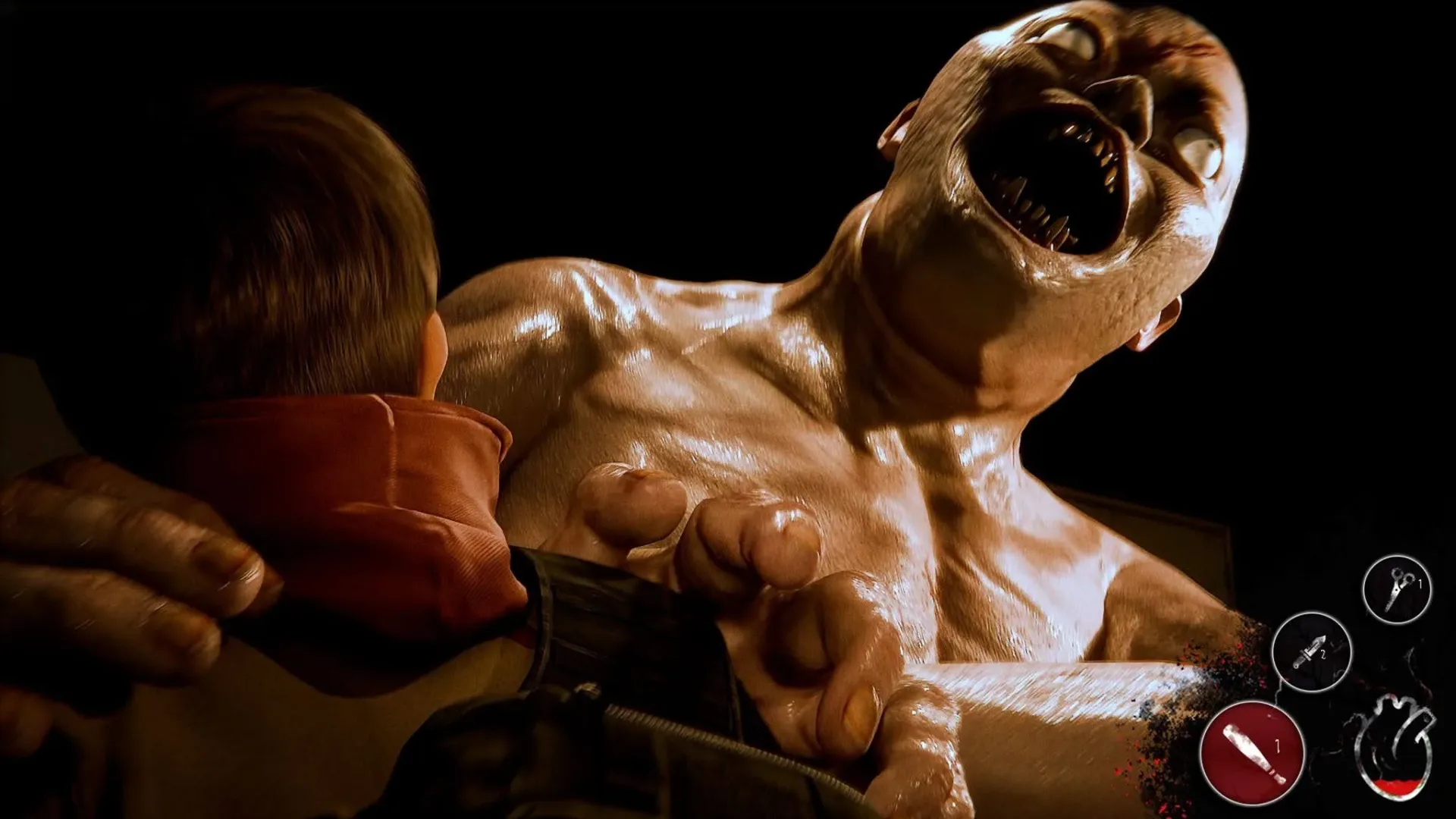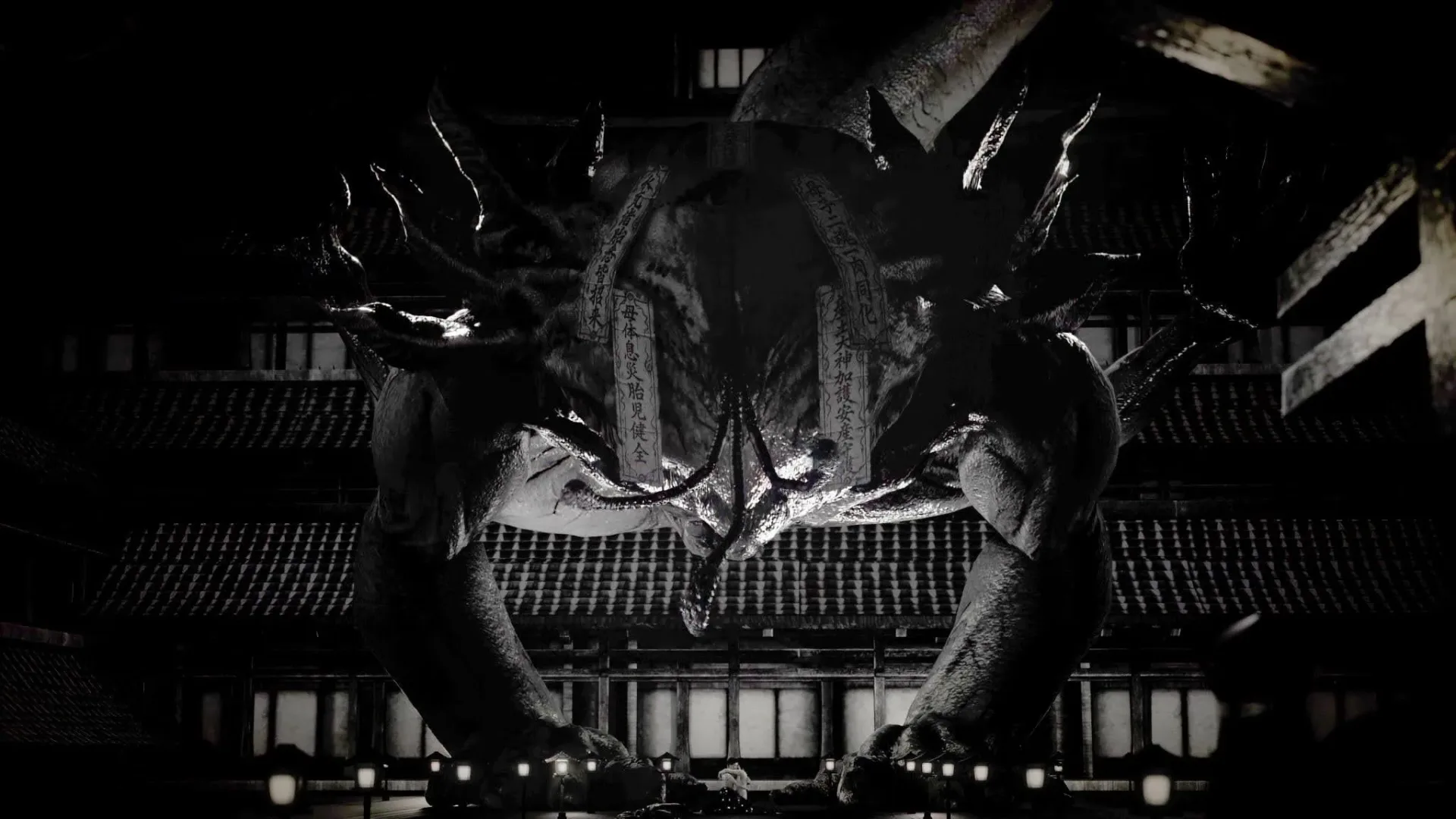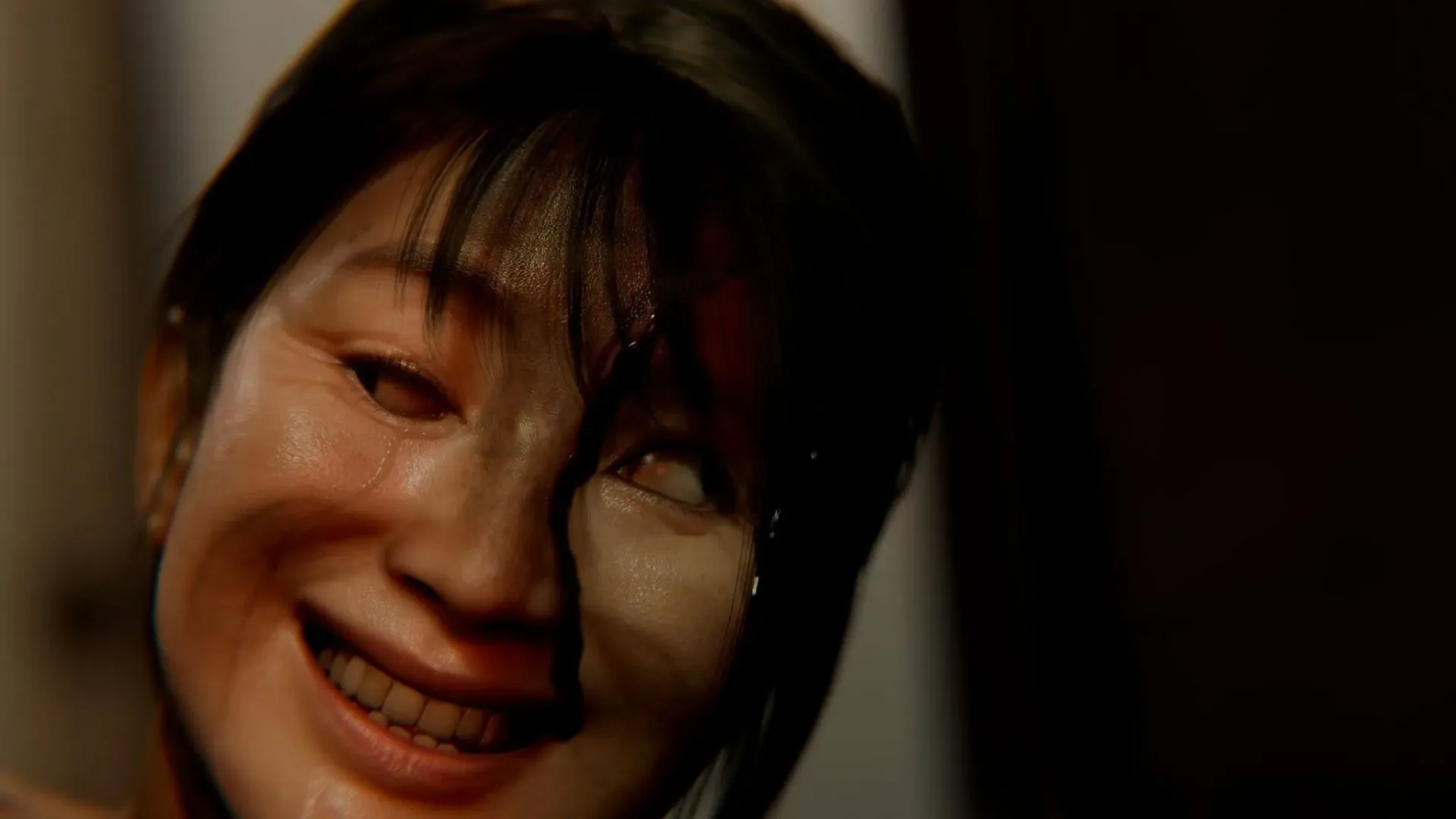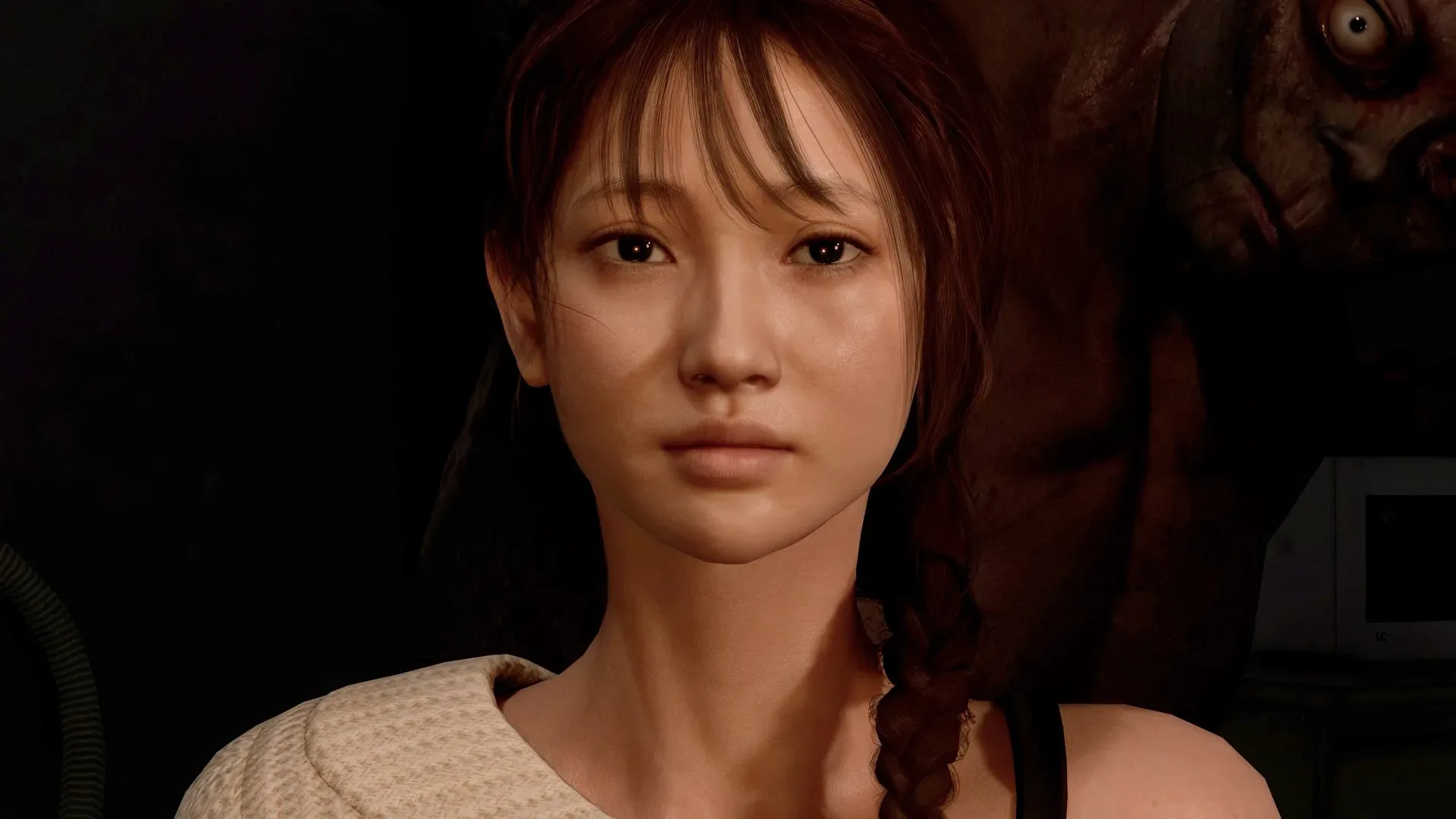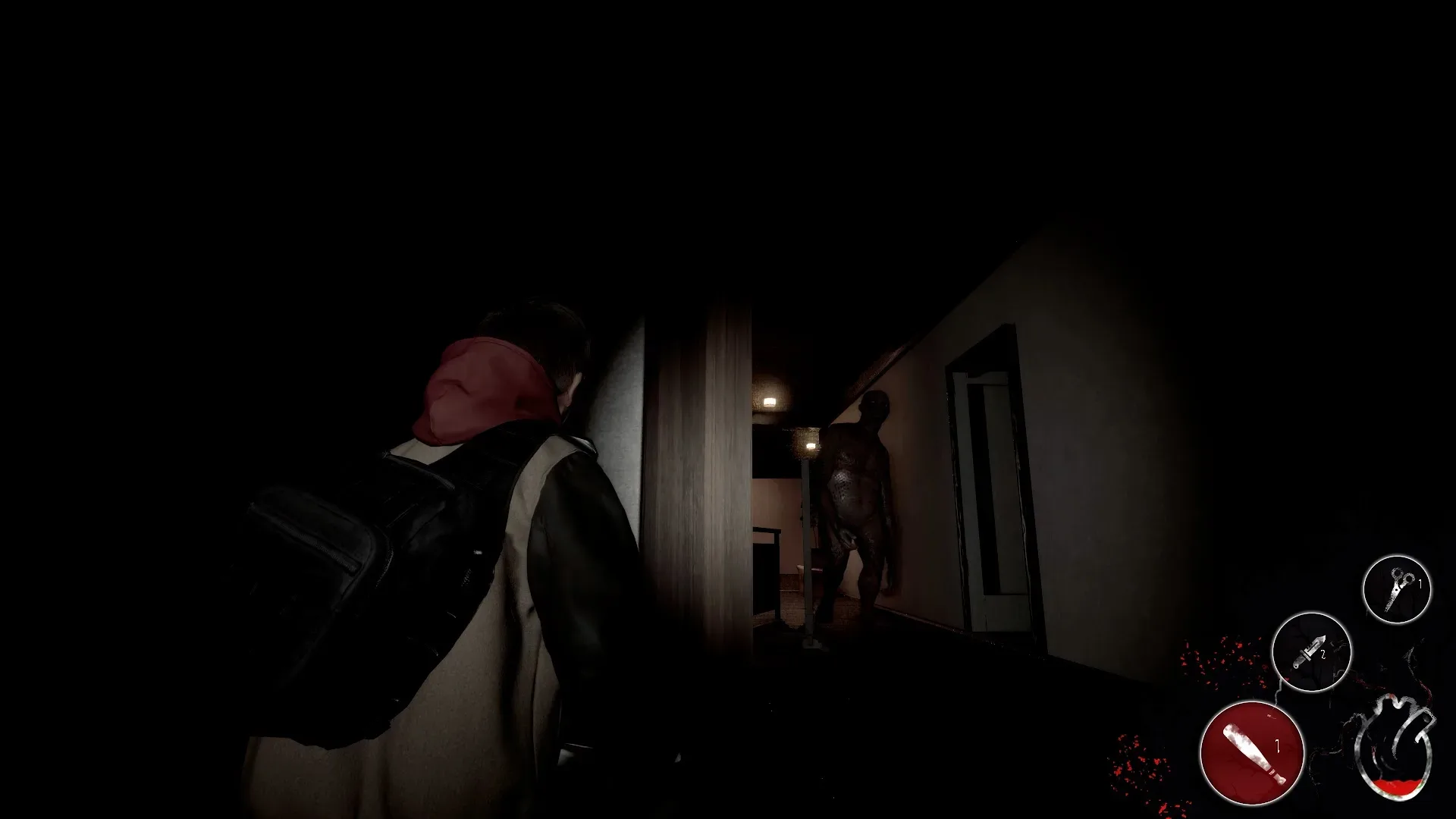
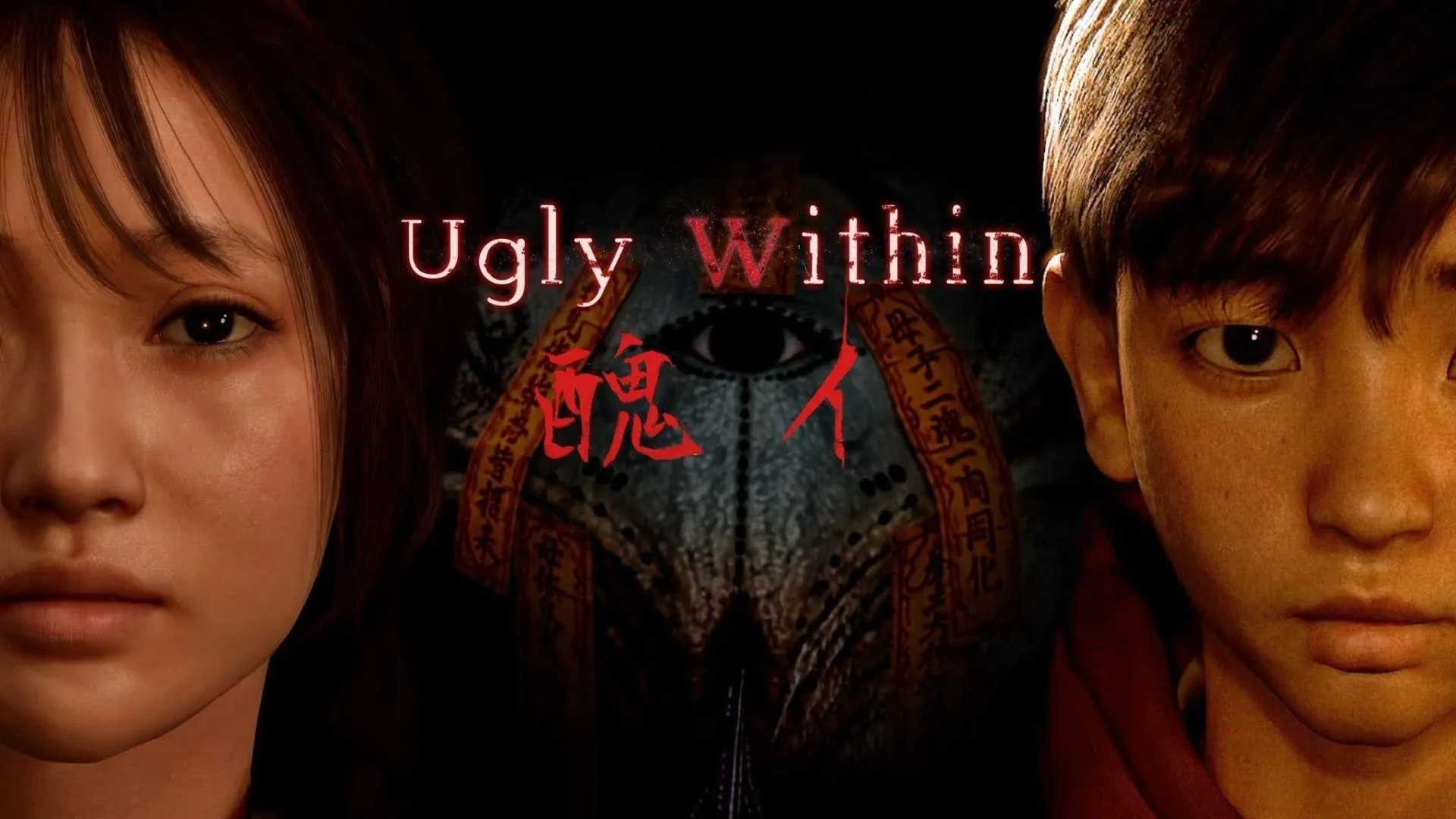
Ugly Within, a third-person Japanese survival-horror game from independent developer Yamaitachi, has been revealed for PlayStation 5, Xbox Series X|S, Nintendo Switch 2 and PC. Serafini Productions announced the project on November 20, 2026, following its appearance at The Horror Game Awards 2026.
The premise centers on a secluded family home and a pair of protagonists built around sharply different approaches to survival. Shu Onodera can perceive traces of past events left in places and objects, while Reiko Miyama is an exorcist capable of confronting and banishing supernatural entities. Together, they enter the Kamata family estate to investigate the being the family has worshipped across generations.
That setup puts a familiar survival-horror question into a more specific form: the estate is not simply hiding a monster, but apparently concealing a history in which the boundary between people and monsters becomes increasingly difficult to define. The game’s announcement does not establish exactly how that mystery resolves, but it does make the investigation—and the unease around what counts as human—central to its direction.
Two characters, two ways through the estate
The most substantial gameplay detail so far is the division between Shu and Reiko. Rather than giving both characters broadly similar toolkits, Ugly Within is designed around two contrasting roles.
Shu’s route is based on avoidance and discovery. He must stay out of sight, move quietly and use his ability to see lingering past events to assemble the estate’s story. These visions reveal information about what happened, but they cannot change those events. That distinction matters: Shu’s power is investigative rather than corrective. It appears intended to give players clues, context and potentially a clearer understanding of routes or threats, without turning the past into something that can be rewritten.
Reiko’s approach is more direct. As an exorcist, she faces supernatural entities through exorcism, giving her a confrontational role where Shu relies on silence and evasion. The announcement describes the overall experience as switching between stealth and exploration on one side, and direct encounters on the other.
In survival-horror terms, stealth means reducing the chance that an enemy detects the player, often through positioning, timing and quiet movement. Direct confrontation, by contrast, asks the player to deal with a threat rather than bypass it. Ugly Within has not yet detailed the exact controls, systems or limits behind either character’s abilities, so it remains unclear how often players will switch, whether the two leads travel together at all times, or how closely their individual sections will connect. What is established is that the contrast is fundamental to the game’s identity, not merely a story distinction.
A house where the environment carries the evidence
The Kamata estate is described as a maze of dark corridors, tatami rooms and concealed underground areas. Tatami are traditional Japanese floor mats, and their mention gives the location a distinctly domestic, traditional visual framework rather than the generic abandoned-building backdrop common to horror games.
The setting is also the mechanism through which the investigation unfolds. Players will follow records and traces left behind while exploring the family home. Combined with Shu’s visions, that suggests a layered approach to storytelling: physical clues in the present, plus glimpses of events that occurred there before.
The announcement’s language positions the house as more than a sequence of rooms. A maze implies an environment in which orientation, routes and access matter. Hidden underground spaces add the possibility of discoveries beneath the estate’s ordinary living areas. The exact layout, puzzle systems and scale have not been specified, but the disclosed elements point to a location designed to reveal its secrets gradually.
For the story, this is a useful fit. A family that has maintained worship of an entity over generations would leave behind objects, records and places marked by that relationship. Shu’s ability to read the past from places and things could make ordinary environmental details narratively important. Reiko’s exorcism, meanwhile, gives the supernatural threat an active presence rather than restricting it to old documents and memories.
Scarcity is part of the pressure
Ugly Within will use survival mechanics focused on limited resources. In this genre, resource scarcity means players cannot assume they have enough supplies or options to handle every danger in the same way. It turns each use of an item or ability into a decision with a possible cost later.
The specific resources in Ugly Within have not been named, and neither have the exact rules governing exorcism, stealth failures or exploration tools. Still, the stated emphasis on scarcity provides an important piece of context for the split between the protagonists. Shu’s need to remain unseen is not simply a thematic contrast with Reiko; it may also be part of the game’s economy of risk. Reiko can confront darkness directly, but the announcement does not say that doing so is unlimited or consequence-free.
That uncertainty is worth preserving. The reveal establishes the game’s intended tension, but it does not confirm combat structure, enemy behavior, inventory size, checkpoint design, puzzle complexity or how punitive detection will be. Those details will determine how the game ultimately balances its two approaches. At this stage, the clearest takeaway is that the estate’s dangers are meant to be managed, not casually overwhelmed.
What the reveal confirms—and what remains unknown
The announcement confirms that Ugly Within is in development and currently planned for PS5, Xbox Series X|S, Nintendo Switch 2, PC via Steam, and the Epic Games Store. It is listed for wishlisting. The game will feature full Japanese voice acting, while its interface and subtitles are planned in English, Japanese, Korean, Simplified Chinese and Traditional Chinese.
No release date has been provided. There is also no stated price, no announced physical edition, and no further confirmed platform-specific information. The reveal likewise stops short of explaining the exact nature of the entity at the heart of the Kamata family’s worship, which is fitting for a game whose premise depends on uncovering buried history.
For players tracking narrative-led horror projects, the new reveal arrives alongside other games putting story mysteries at the center of their early discussion, including a recent update on Deltarune Chapter 7’s closely guarded story beat. Ugly Within, however, is presenting a much narrower and more enclosed kind of mystery: one estate, one family legacy and two people equipped to confront its past in very different ways.
The strongest promise in the initial details is that the game’s narrative and mechanics appear aligned. Shu learns from what remains; Reiko acts against what still lingers. The Kamata estate provides both the evidence and the danger, while limited resources are meant to ensure that even a clue or confrontation carries weight. Until Yamaitachi shares a longer look at play, those are the boundaries of what can be confirmed—but they make Ugly Within a survival-horror project with a clear investigative hook.