iPhone notifications are meant to be the quick, useful layer of an app: the alert that a delivery is at the door, an event is about to begin, or a transaction needs attention. But the same channel is also valuable promotional real estate. Reports involving several apps in Canada point to a frustrating gap between Apple’s published requirements for marketing alerts and the controls some users say they can actually find and rely on.
That gap matters well beyond fast-food offers and subscription pitches. Phones are now where players receive game-event reminders, storefront deals, account-security prompts, delivery updates, and social messages. When a marketing alert looks and behaves like a genuinely useful update, users can face a crude choice: tolerate ads or disable a notification channel they may need for something else.
Apple’s policy is not a total prohibition on promotions in push notifications. It permits them under conditions. A customer must have explicitly opted in through consent language shown within an app, and the app must provide a way to opt out of those messages. The distinction is important. Permission to receive an app’s notifications in general is not necessarily the same thing as a clear agreement to receive direct marketing.
Push Notifications should not be used for promotions or direct marketing purposes unless customers have explicitly opted in to receive them via consent language displayed in your app's UI, and you provide a method in your app for a user to opt out from receiving such messages.
The issue is not merely that promotions exist
Promotional messages are common in apps, and Apple’s written rule acknowledges that they can be used when consent and a withdrawal mechanism are present. The central complaint is more specific: promotional alerts have reportedly arrived without a promotion-specific opt-out being available, or have continued after that opt-out was selected.
Examples identified on an iPhone in Canada include promotional push notifications from Cineplex, McDonald’s, and Wendy’s without a way to opt out of promotional notifications specifically. Skip, a Canadian food-delivery app, reportedly provides a promotional-notification setting, yet promotional messages continued after the setting was turned off. Those accounts do not establish how every user’s app was configured, nor do they prove a universal behavior across every country or version. They do, however, describe the exact failure modes a consent rule is intended to prevent.
First, an app can make it difficult or impossible to separate marketing from operational notices. Second, a setting can exist but fail to govern the messages it promises to govern. Either outcome undercuts the practical value of an opt-out. A control that cannot be found is not very useful; a control that does not stop the category of alerts it names is less useful still.
What “explicit opt-in” should mean in practice
In plain language, an explicit opt-in is a deliberate choice made after the app presents consent language in its own interface. That is stronger than assuming a person wants offers because they installed an app, signed in, ordered food, or enabled alerts for a useful service. Apple’s rule also requires a path back out.
This is why notification design deserves closer scrutiny than a simple on-or-off switch. An app may have several legitimate reasons to contact a customer: an order status can change, a reservation can be altered, a security issue can require attention, or a game can flag an account-related event. Marketing is a different category. A user who wants one does not automatically want the other.
For consumers, a clearly labeled promotional-notification preference is the most intelligible implementation of the rule described here. It lets a person retain time-sensitive updates while declining discount codes, menu offers, subscription campaigns, and other direct marketing. The reported Skip case shows why labeling alone is not enough: the preference also has to be honored consistently.
Live Activities bring a second, more visible concern
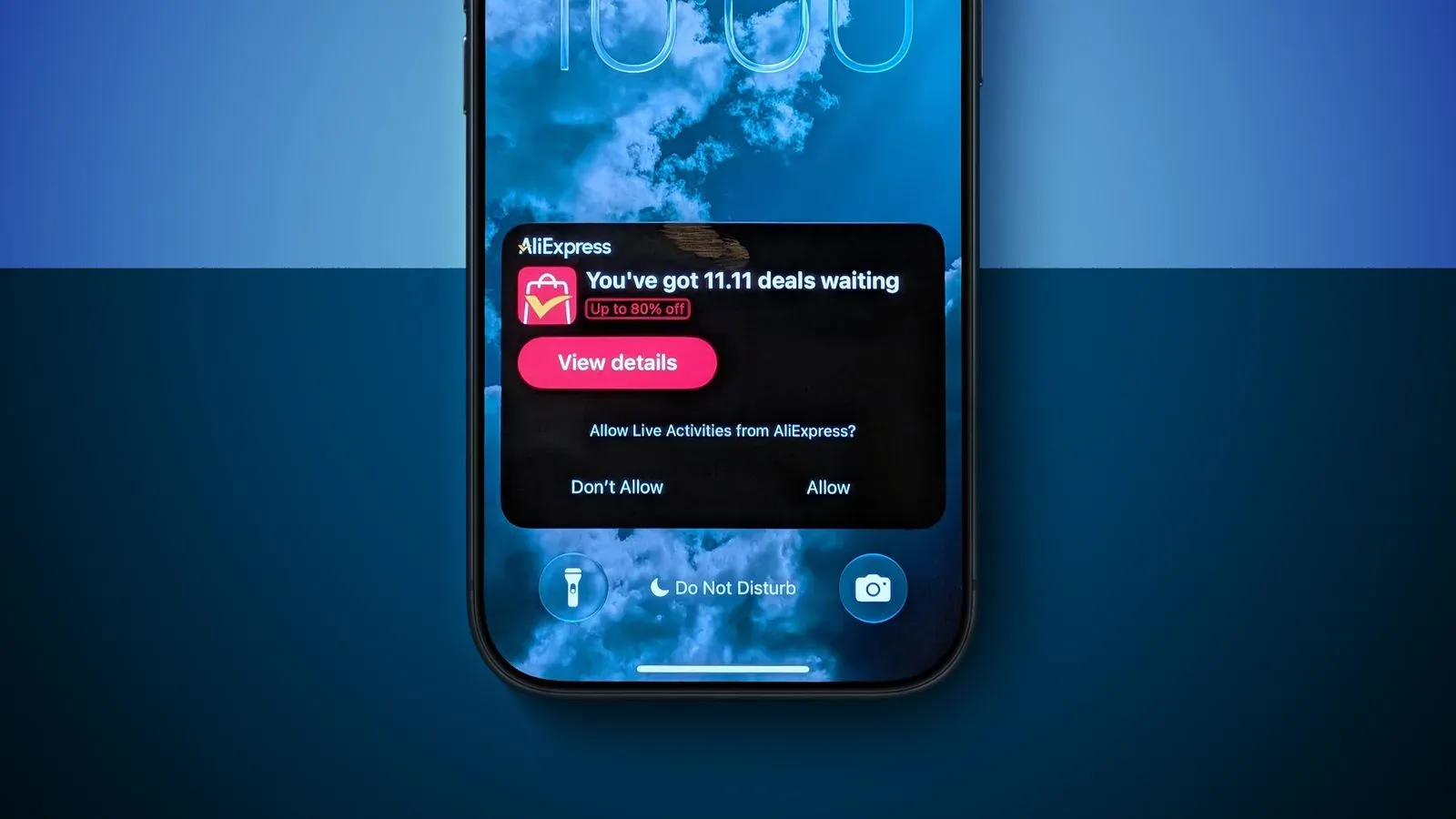
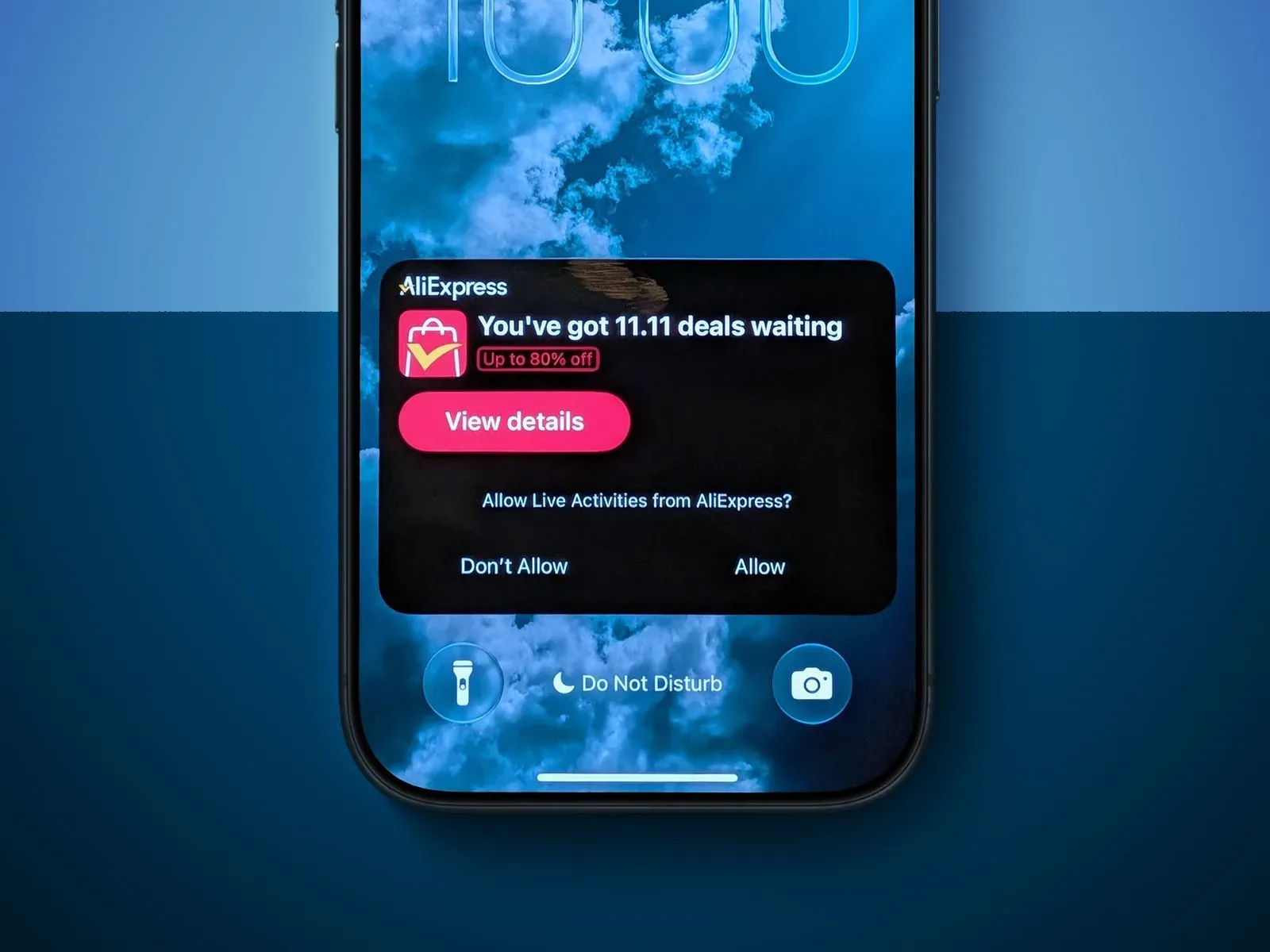
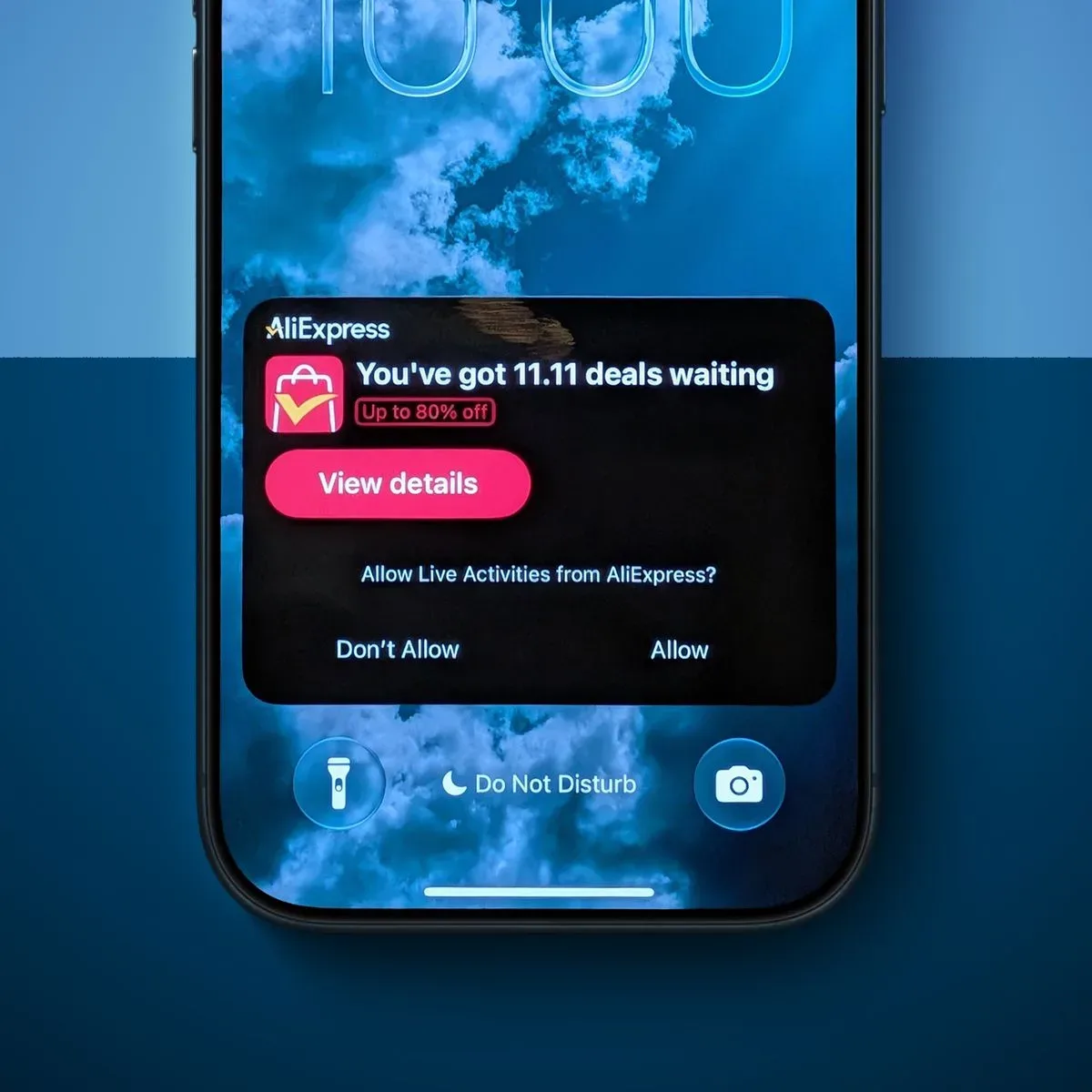
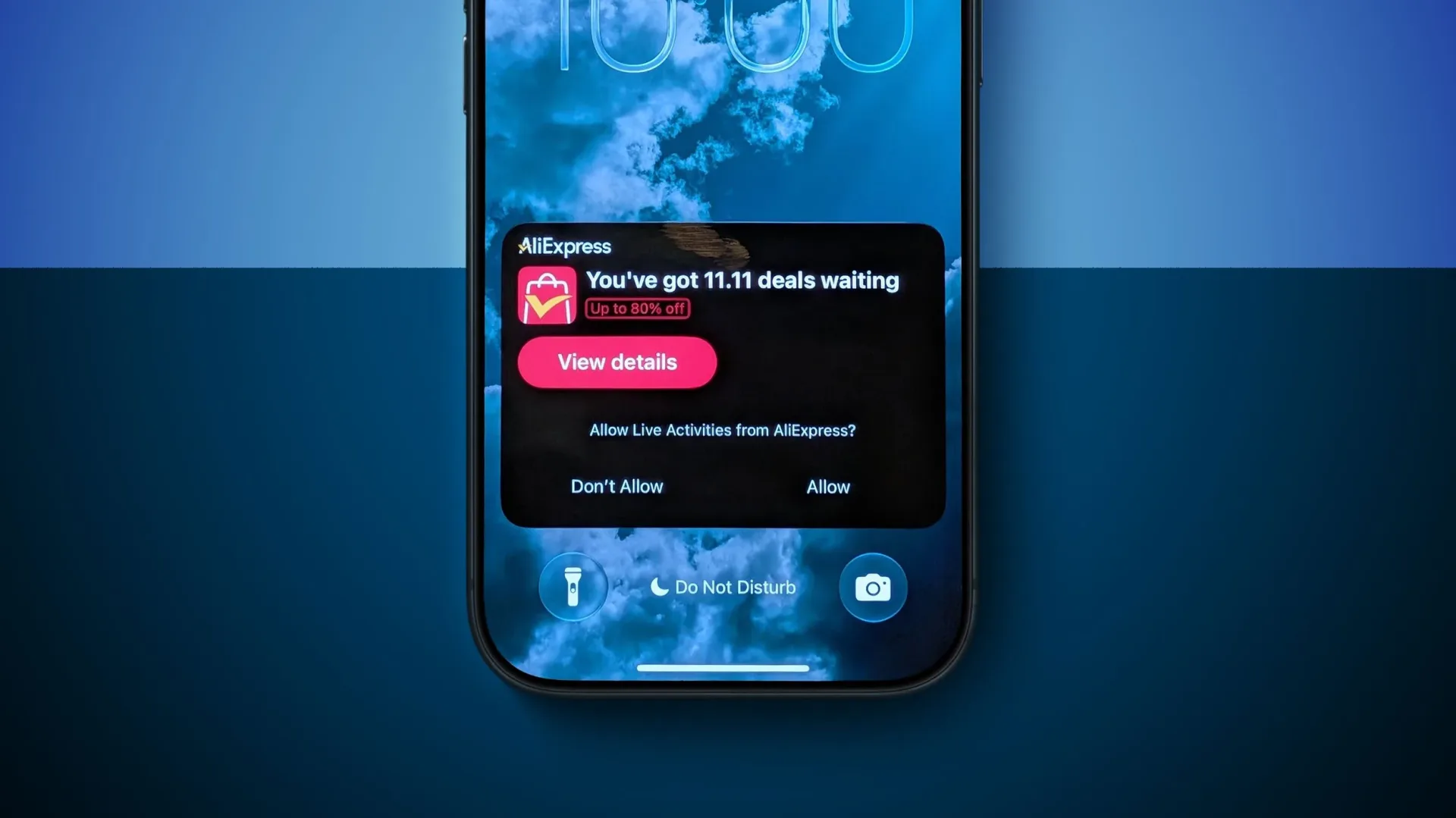
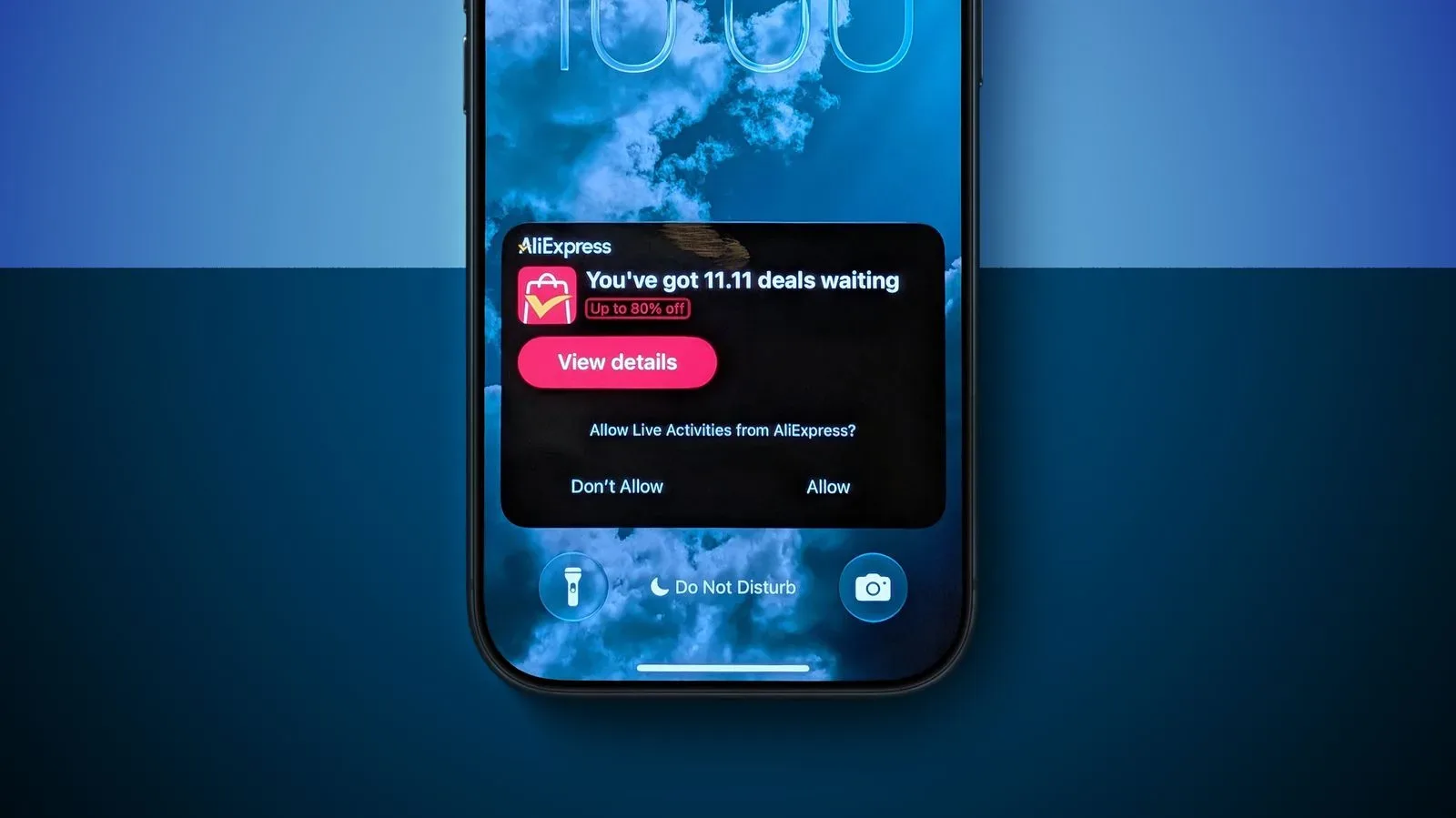
The same tension has been raised around Live Activities. Apple’s app-design guidance says not to use a Live Activity to show advertisements or promotions as a best practice. Its App Store guidelines additionally say that apps should not send unsolicited messages through Live Activities.
Readers have pointed to the AliExpress app advertising through Live Activities. That allegation is notable because it concerns more than a conventional push notification. A Live Activity is a distinct app feature, and Apple’s own guidance addresses promotional use of it directly. The policy language suggests that the company sees this surface as poorly suited to advertising, even before the separate question of whether a message was solicited.
The technical wording can sound narrow, but the user-facing principle is simple: a feature associated with ongoing, relevant app information should not quietly become an ad placement. The more communication surfaces an app can use, the more important it becomes that consent, category controls, and enforcement remain understandable.
There is also a policy-design wrinkle here. The Live Activities language is framed partly as design guidance and partly as an App Store restriction against unsolicited messages. That means the practical question is not just whether a promotion is annoying. It is whether the app has used the feature in a way Apple’s documents say it should avoid, or in a way that sends an unsolicited message.
Apple’s own App Store alert complicates the picture
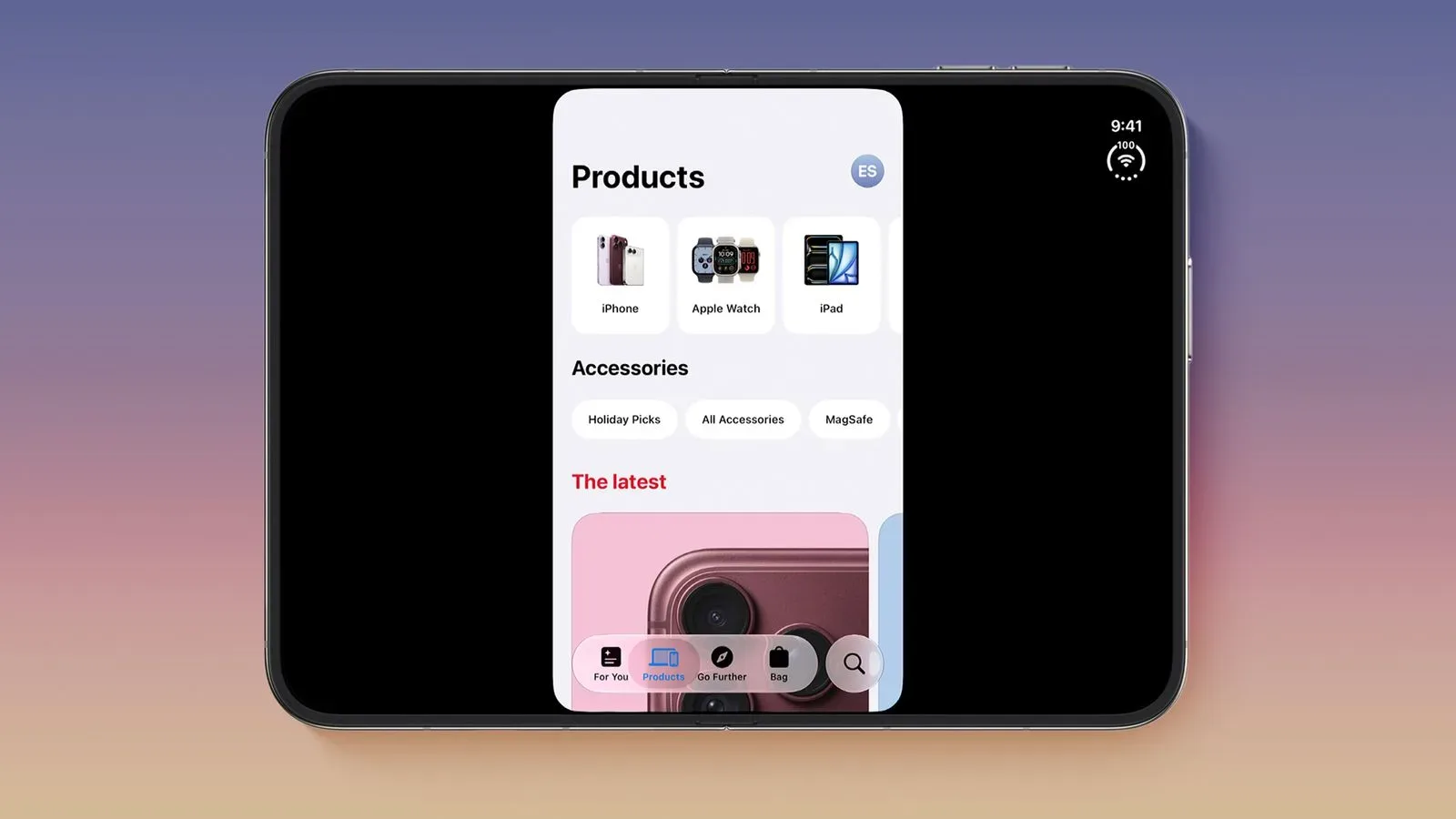
Apple recently sent an App Store notification promoting a Paramount+ subscription deal. The App Store includes an option to stop these messages: open the App Store, tap the profile picture in the upper-right corner, select Notifications, then turn off Recommendations & Offers.
That is a useful, concrete control, and it is more granular than forcing people to shut off all App Store notifications. Still, the underlying consent question is unresolved. It is not clear whether users gave the explicit consent described in Apple’s rules before receiving the promotional notification.
Apple’s App Store is preinstalled, and it technically is not required to follow the rules Apple applies to third-party App Store apps. That distinction may describe the formal arrangement, but it does not make the user expectation disappear. If the company expects external developers to obtain explicit marketing consent and provide an in-app exit, applying an easily understood equivalent standard to its own promotional alerts would make the policy easier to defend and easier for users to trust.
Why enforcement is the story
Written rules have limited value if users cannot tell when they are protected or where they can report a failure. The cases described here indicate that Apple’s enforcement may not be consistent. That is the heart of the issue: Apple has articulated conditions for promotional messaging, yet examples have surfaced where the required separation or opt-out appears absent or ineffective.
Enforcement is difficult partly because the behavior at issue can be conditional. An app may present different interfaces by region, account state, campaign, or notification category. It may also change its settings over time. None of that alters the need for the basic safeguards Apple lists. It does mean that a policy review cannot stop at checking whether a toggle exists somewhere in an app; it should also consider whether the toggle is specific enough and whether it works.
For the wider mobile-games audience, the implications are familiar. A game can have worthwhile alerts—maintenance notices, friend activity, an account warning, or the start of a limited event—alongside messages intended to generate a purchase. Treating every alert as a single undifferentiated permission creates pressure on users to disable everything. That is bad for players who want timely service information, and it is ultimately bad for developers that want their genuinely useful alerts to remain trusted.
The issue sits alongside a broader reality of mobile-device ownership: a phone is often used for gaming, commerce, media, and communication at once. As discussed in our look at refurbished iPads and mobile gaming, the value of these devices comes partly from their flexibility. That flexibility also makes notification hygiene more significant. One device can accumulate alerts from dozens of services, and each service has an incentive to claim attention.
What iPhone users can do now
The evidence here does not support a one-size-fits-all setting for every app. The most useful approach is to check the preferences inside an app first, particularly if the goal is to keep operational alerts while stopping offers. Look for labels that specifically mention promotions, marketing, offers, recommendations, or direct marketing. A broadly named notifications switch may disable useful updates as well as advertising.
- Look for category-specific controls: A promotion or offers setting is more relevant than a blanket notification switch when the complaint is advertising.
- Check whether the setting takes effect: If marketing continues after a promotional preference is disabled, the presence of the setting has not solved the practical problem.
- Keep the distinction clear: Order, account, and service messages may be valuable; promotional messages are the category Apple says requires explicit opt-in and an opt-out method.
- For App Store promotions: Go to the App Store profile page, choose Notifications, and disable Recommendations & Offers.
None of these steps answers the larger enforcement question. They do, however, help users make more targeted choices than the all-or-nothing option of silencing an app completely.
A narrow rule needs a reliable outcome
Apple’s stated push-notification standard is not especially ambiguous: explicit consent for promotions, delivered through in-app language, plus an in-app way to opt out. Its guidance on Live Activities is similarly pointed against using them for ads or promotions, while App Store rules prohibit unsolicited messages there.
The reports involving Cineplex, McDonald’s, Wendy’s, Skip, and AliExpress suggest that the experience on an iPhone can fall short of those principles. Apple’s own Paramount+ alert makes the standards question more awkward, even with an available App Store opt-out. The practical test is straightforward: users should be able to say yes to marketing knowingly, say no without losing necessary alerts, and trust that no really means no.