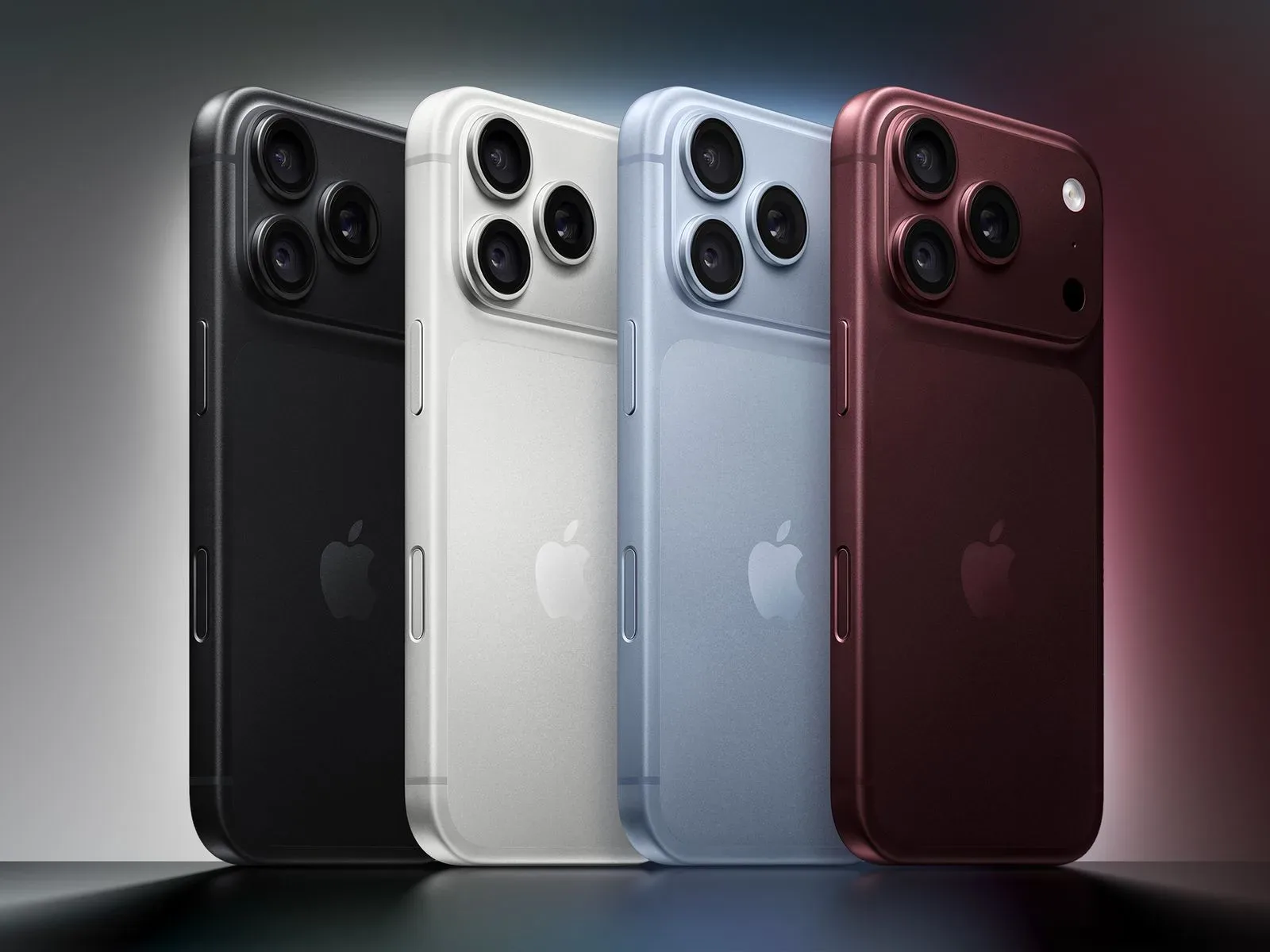
Apple remained the leading smartphone brand during China’s Singles’ Day promotional period, but the headline comes with an important asterisk: iPhone sales still declined 8% year over year. The broader market fell much further, down 17% across the weeks 42–46 sales window, meaning Apple outperformed a weak market rather than escaping it.
That distinction matters. A brand can lose sales in absolute terms while improving its relative position if competitors fall faster. In this case, Apple’s placement at the top of the market, plus six iPhone 17 and iPhone 18 models among the 10 best-selling phones, suggests that the iPhone remained an unusually resilient choice during a promotion in which consumers were broadly reluctant to buy.
The iPhone 18 Pro Max led the bestseller list, while the iPhone Duo came in at No. 9. At the same time, Huawei was the only major brand reported to have increased sales during the period, gaining 29%. The result is not a simple story of one company winning and every other company losing. It is a picture of a shrinking shopping event in which Apple retained premium demand, Huawei found meaningful growth, and a considerable number of potential buyers apparently decided that this was not the moment to upgrade at all.
A lead in a declining market is not the same as growth
Singles’ Day is a major promotional period, so sales results from it are often treated as a useful pulse check on consumer demand. Here, the key measurement is the year-over-year comparison: sales during the current promotional period compared with the corresponding period a year earlier. Apple’s 8% decline is plainly negative on its own terms. Yet it was less severe than the overall market’s 17% drop.
That means Apple’s share of the phones sold during the period could strengthen even while its sales volume shrinks. Sales volume refers to the number of devices sold, while market share is the percentage of all devices sold that belong to a particular brand. The supplied figures establish a weaker overall market and a smaller Apple decline; they do not provide an exact market-share percentage. Still, the top ranking indicates that Apple’s competitive position held up better than much of the field.
For shoppers, there is a practical lesson in that contrast. Major shopping events do not automatically translate into a broad device-buying rush. A promotional calendar can create urgency, but consumers still need a reason to replace a handset they already own. When buyers perceive prices as too high or the benefits of a new model as insufficiently compelling, even a heavily promoted period can contract.
The reported explanation is especially revealing: buyers are postponing upgrades rather than accepting higher prices. This is not the same as buyers rejecting smartphones, or necessarily rejecting a particular company. It describes a decision to wait. Delayed demand may emerge later, but the supplied figures do not establish when that might happen, what products buyers may choose then, or whether it will fully return to the market.
Why the iPhone bestseller placements matter
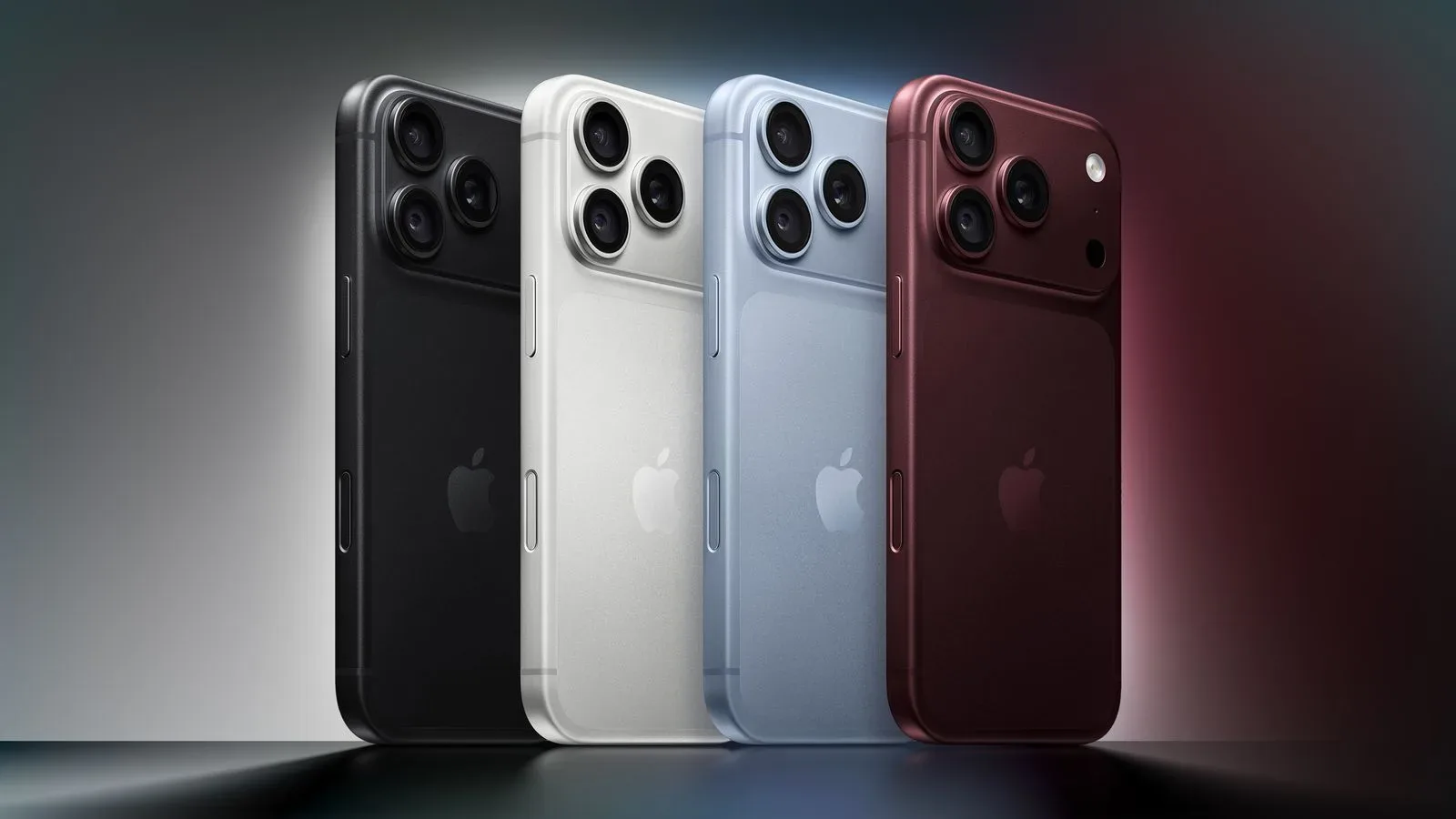
Six of the 10 best-selling devices were iPhone 17 and iPhone 18 models. That concentration is noteworthy because bestseller charts measure performance at the individual-model level, not merely at the brand level. A brand may sell many phones spread across a large portfolio, while another might dominate the upper ranks through a smaller collection of highly popular models.
Related coverage includes Apple led China’s Singles’ Day smartphone sales despite an 8% decline.
The iPhone 18 Pro Max taking the top position underscores that premium devices retained a place in consumer demand despite the wider slowdown. Its lead should not be stretched into a claim that every premium phone buyer is unaffected by prices; the market decline argues against that. Instead, it shows that there was still substantial interest in at least one high-end iPhone model during the event.
Strong iPhone 18 Pro sales at launch preceded the Singles’ Day period. That earlier momentum provides useful context for Apple’s results. It suggests that the newest Pro lineup had already connected with buyers before the promotional window, which may have helped sustain Apple’s showing even as the overall market weakened.
Meanwhile, the iPhone Duo reached ninth place. A top-10 position is meaningful in a crowded event ranking, but it should be read precisely: No. 9 confirms broad enough sales to enter the list, not parity with the leading iPhone 18 Pro Max or an explanation of why customers selected it. The available data does not break down buyer motivations, configurations, discounts, or the sales totals separating each ranked phone.
Huawei’s growth is the other major signal
Huawei’s 29% sales increase makes it the major-brand exception in the supplied results. In a market down 17%, growth of that size is significant because it indicates a brand moved in the opposite direction from the aggregate trend.
It is also important not to flatten the story into an Apple-versus-Huawei binary. Apple stayed No. 1 for the period. Huawei, however, was the only major brand to grow. Those two facts can coexist: one company can lead in total sales while another posts the strongest growth rate. The distinction between leadership and growth is central to interpreting market reports without overstating what they show.
For the rest of the smartphone business, Huawei’s result raises the competitive stakes. In a healthy, expanding market, brands can sometimes grow sales without taking much from one another because the overall buyer pool is increasing. In a contracting market, gains are harder to separate from competitive displacement. The supplied information does not identify whose customers Huawei gained, so it would be speculation to assign its growth to a particular rival. What is clear is that Huawei expanded while the total market contracted.
Upgrade postponement changes the meaning of discounts
The assessment that shoppers are putting off upgrades rather than paying more points to an affordability and value calculation. A phone purchase is usually not just an impulse buy; it replaces a device that can often continue to handle everyday apps, messaging, photography, media, work and games. If the existing handset remains adequate, a buyer can decide the next model is not worth the additional cost today.
Upgrade cycle is the industry term for the time between one device purchase and the next. A lengthening upgrade cycle means people keep their phones longer. That can suppress unit sales even if consumers continue to prefer particular brands. It can also make promotional events less predictable: discounts may help motivate some buyers, but they may not overcome a wider decision to wait.
This does not prove that price was the only consideration. The available account specifically identifies higher prices and delayed upgrading, but does not quantify price changes, identify which models were most affected, or measure how much each factor contributed to the market’s 17% decline. The careful reading is that price sensitivity appears to be part of the present purchasing mood, not that it is a complete explanation for every sale that did not happen.
For consumers considering a purchase, the market data reinforces a simple discipline: distinguish between a deal and a need. A shopping festival can produce attractive offers, but a reduced price does not necessarily make an upgrade worthwhile if the current phone is still meeting the owner’s needs. Conversely, buyers who have already decided to upgrade may find that the event remains a useful time to compare models and offers rather than assuming all demand has disappeared.
What the results do—and do not—say about Apple
Apple’s performance offers evidence of brand and model strength in China during the promotional period. Ranking first while the total market falls more sharply is a better result than an isolated 8% decline initially suggests. The six iPhone entries in the top 10 reinforce that position, while the iPhone 18 Pro Max’s first-place finish gives Apple a clear flagship success.
But the decline still matters. Leading a downturn is different from generating sales growth. The figures indicate fewer Apple smartphones sold year over year during the measured weeks, and they indicate that potential customers are more willing to defer purchases than absorb higher prices. Apple’s strength is relative, not immunity from the market’s pressure.
The timing also matters. These results cover weeks 42–46, defined as the Singles’ Day promotional period. They should not be treated as a complete verdict on an entire year, all sales channels, or long-term demand for every model. Event performance is valuable data, but it is still a bounded snapshot.
For readers tracking Apple’s wider device strategy, the China figures are another reminder that hardware demand can be shaped as much by replacement timing as by product visibility. That is relevant beyond phones: reports surrounding Apple’s possible large-screen device ambitions similarly invite questions about how premium pricing intersects with the practical value buyers expect from new hardware.
The clearest takeaway: consumers are being selective
The Singles’ Day results present a selective market rather than a uniform collapse in interest. Apple held the leading position, powered by multiple iPhone 17 and 18 models and a first-place iPhone 18 Pro Max. Huawei delivered the only reported major-brand growth, rising 29%. Yet the market as a whole fell 17%, and Apple’s own sales declined 8%.
Together, those numbers describe consumers making narrower choices. Some were willing to buy premium iPhones. Some chose Huawei. Many others delayed upgrading. In the near term, that makes competitive performance less about simply appearing in a major sales event and more about giving buyers a convincing reason to replace a phone they are increasingly prepared to keep.