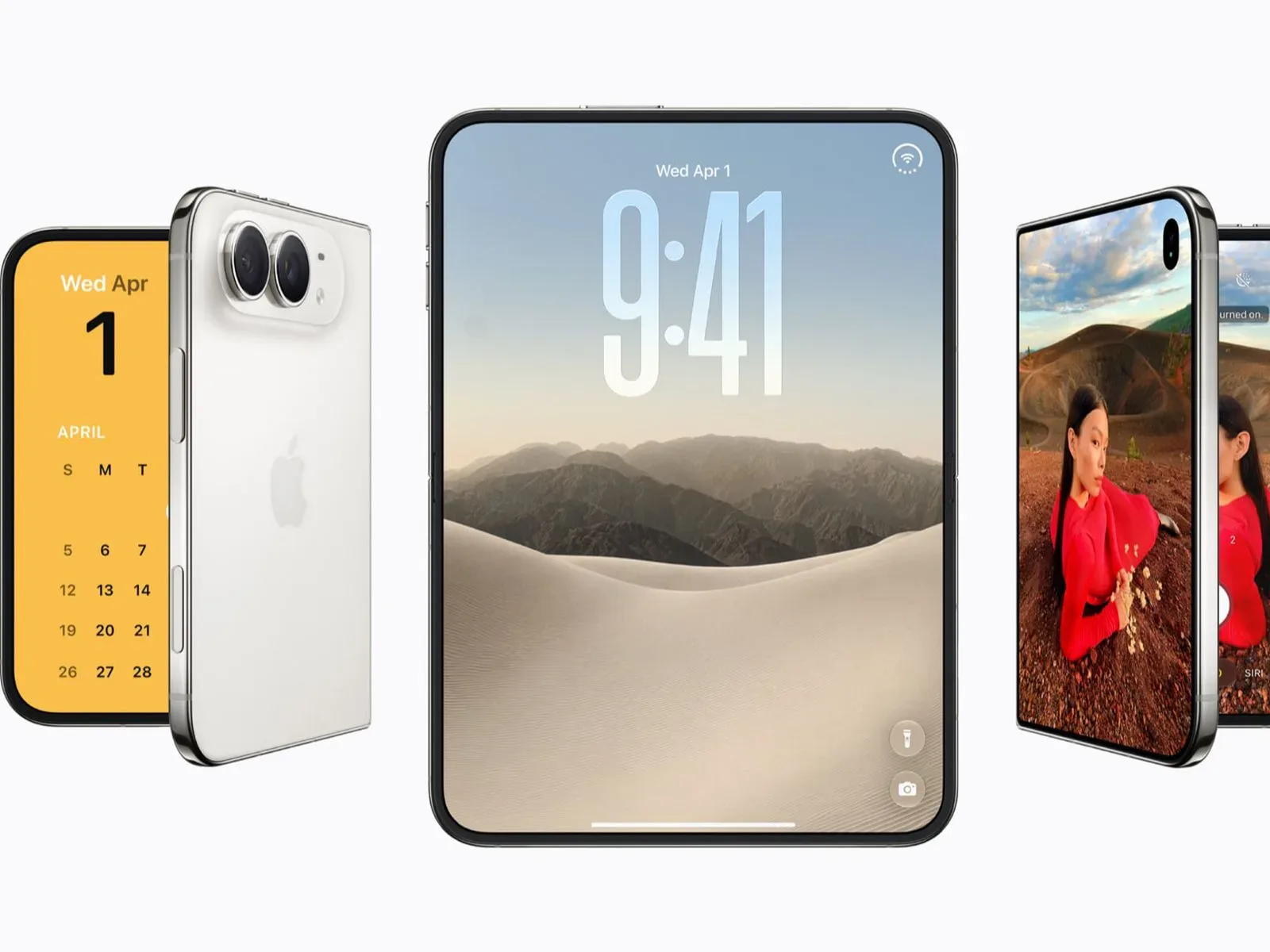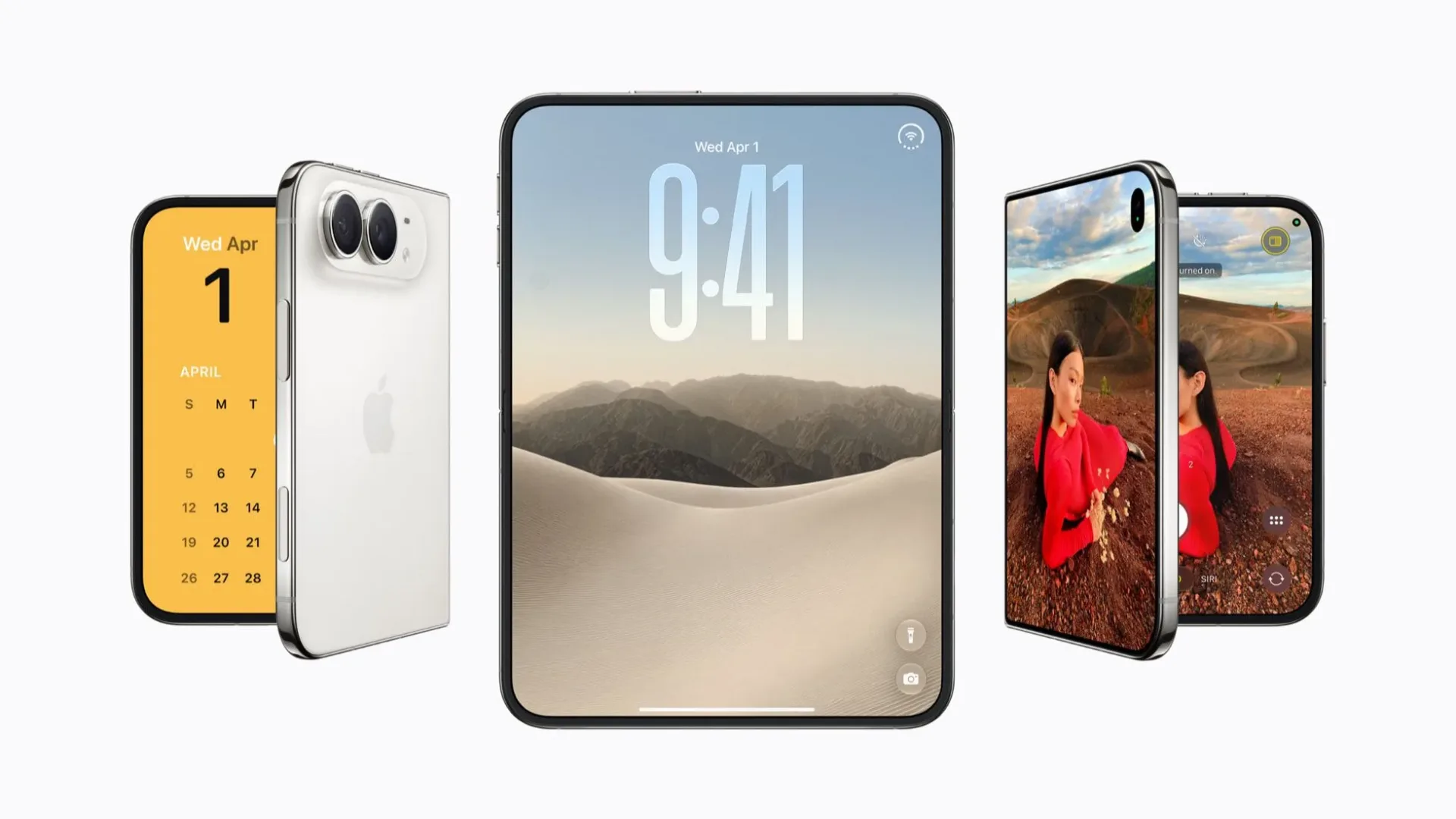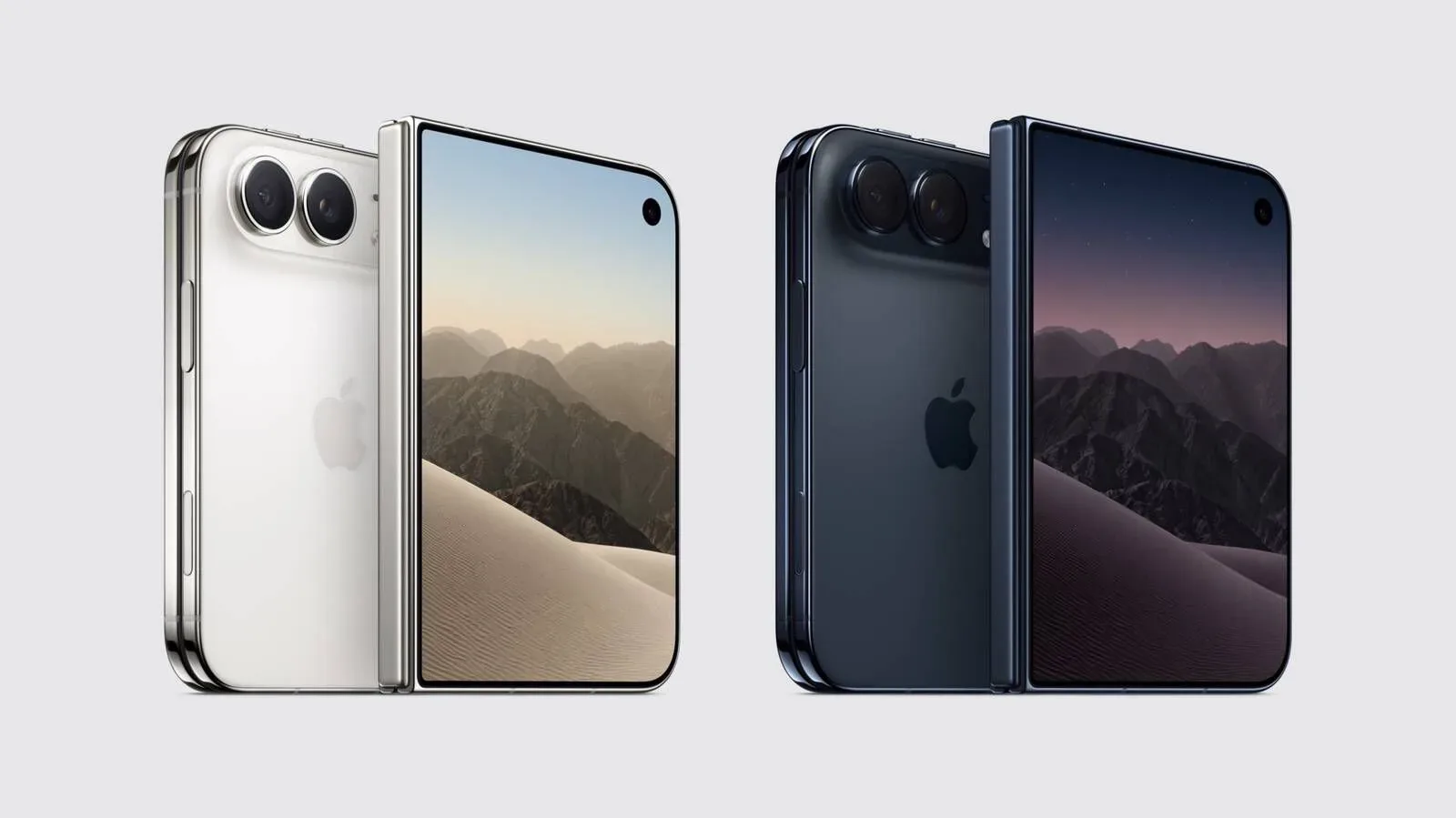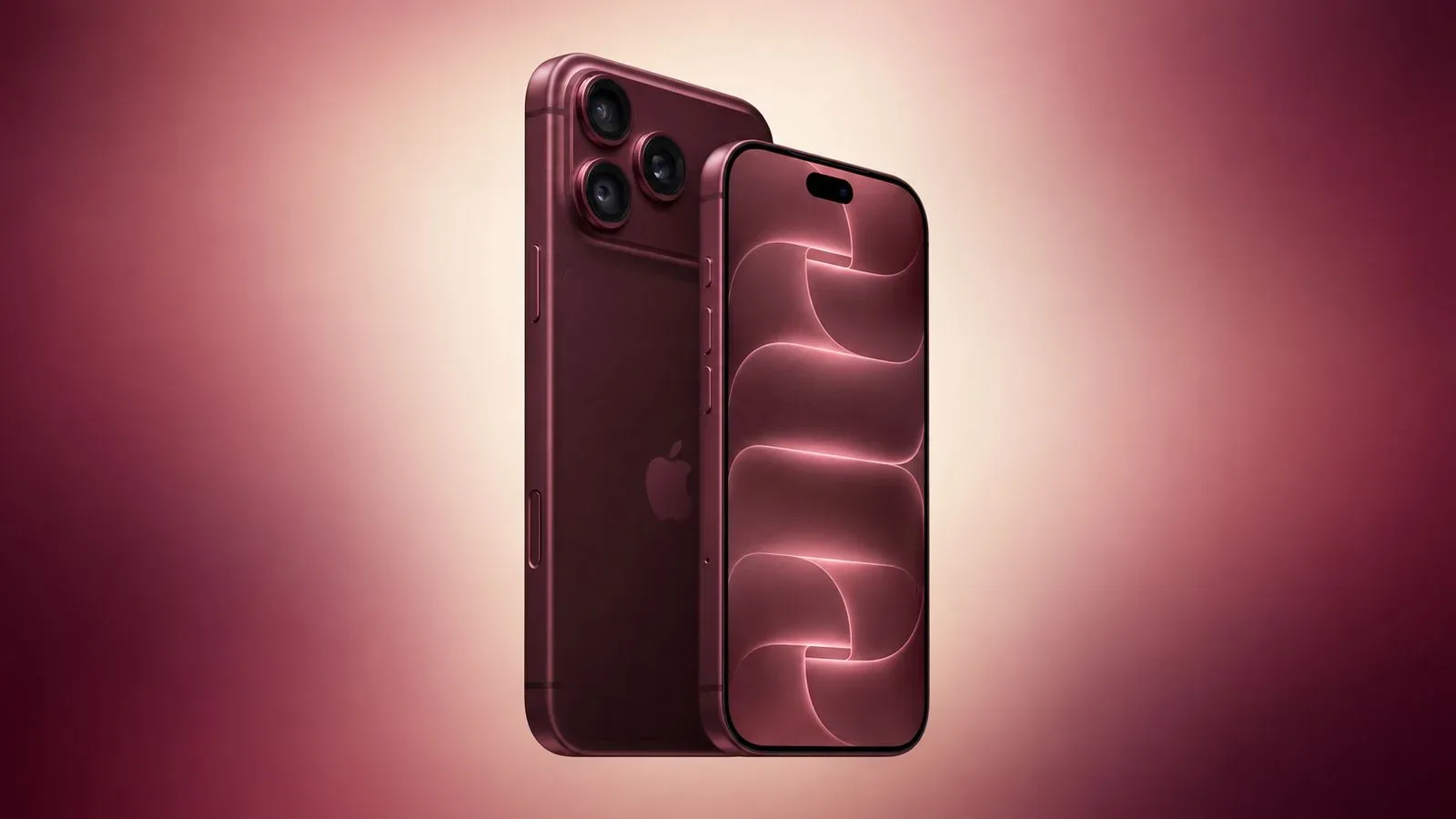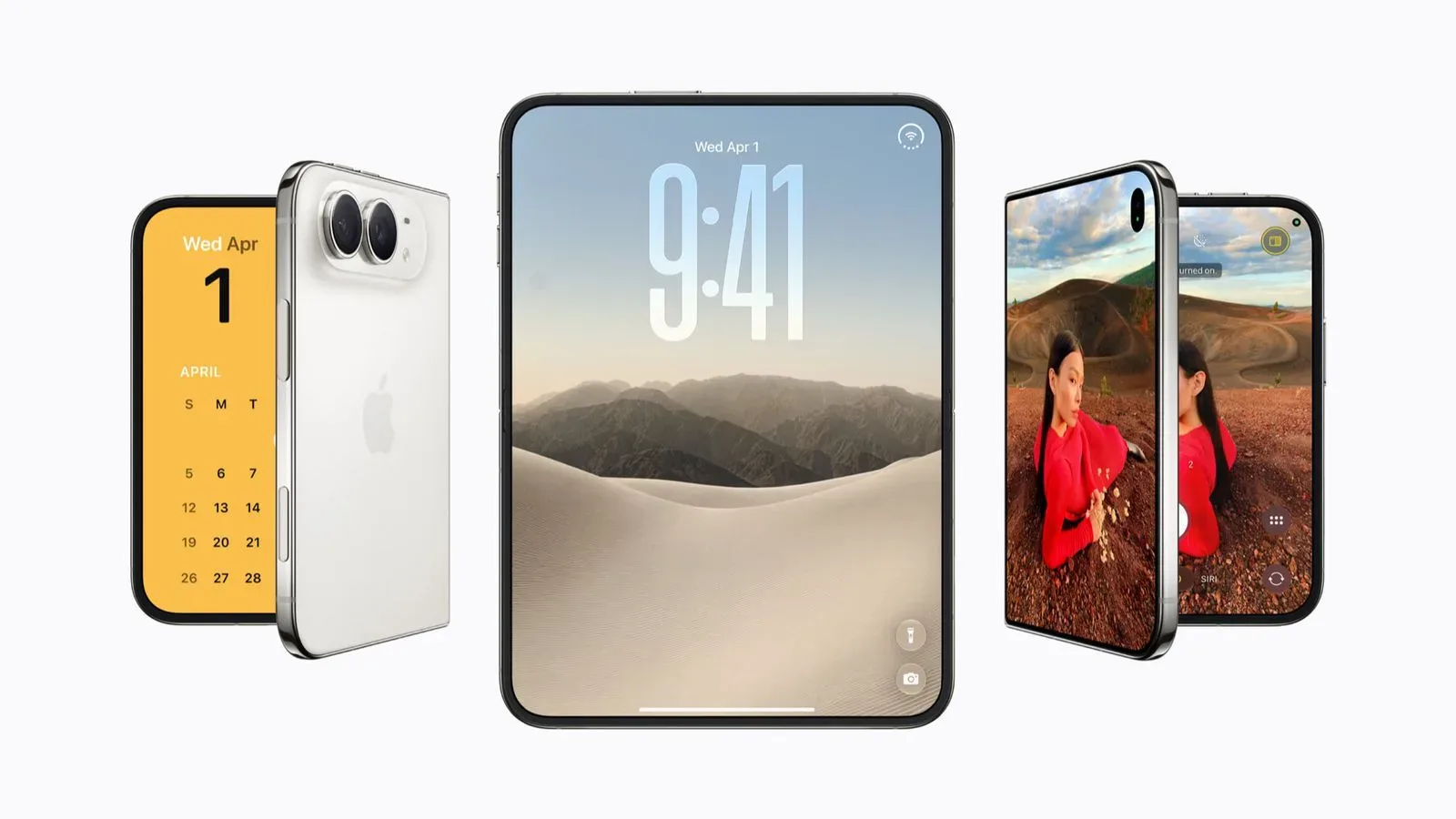
The iPhone Duo is still operating on its own difficulty setting. Buyer wait times averaged 89 days as of October 30, despite improving by roughly one week. That remains nearly three months—a radically different position from Apple’s other current high-end models, with the iPhone 18 Pro averaging about five days and the iPhone 18 Pro Max holding at around 18 days.
Those figures come from availability tracking across more than 30 markets, so they are most useful as a broad indicator rather than a promise for any one buyer, configuration, or location. Still, the contrast is substantial: an iPhone Duo order may carry a far longer delivery estimate than either Pro model even after the recent reduction.
For prospective owners, the practical message is simple: a long online estimate does not necessarily mean nothing will change soon, but it also is not evidence that a particular store will have stock. The initial launch pattern suggests inventory distribution has played a major role in the strange-looking gap between pre-order timelines and what some launch-day shoppers were able to obtain.
The numbers: Duo remains the outlier
An average buyer wait time is an estimate of how long buyers are being quoted before their order is fulfilled. It is not the same thing as a direct measure of sales, production capacity, or units sitting in a warehouse. It bundles together different markets, versions, and ordering conditions into one snapshot.
- iPhone Duo: 89 days on average, down about a week.
- iPhone 18 Pro: around five days, down three days week over week.
- iPhone 18 Pro Max: roughly 18 days, unchanged.
In plain terms, the Duo’s quoted delay remains dramatically longer than Apple’s other premium phones. A one-week fall is welcome for anyone already in the queue, but it does not transform the underlying picture. An 89-day average is still the headline figure that matters: availability remains constrained enough that a buyer can be quoted a date far beyond the normal immediate-upgrade window.
There is an important limit to what can be inferred. Shorter estimates can result from several things: stronger supply, weaker incoming demand, changes in regional stock allocation, or a mixture of all three. The available data does not establish which explanation is responsible. It would be a mistake to treat the one-week improvement as proof that interest has faded, just as it would be a mistake to call it proof that production has suddenly caught up.
Why online dates and launch-day availability can tell different stories
The Duo’s October 16 launch produced a particularly revealing scenario. Online pre-order estimates reportedly moved to late January within minutes. Yet many people who lined up on launch day ultimately left with a phone.
That apparent contradiction is best understood through inventory allocation: the process of deciding where limited launch stock goes. Approximately 80% of the initial iPhone Duo inventory was reportedly assigned to Apple retail stores, even though some individual locations had as few as 50 units.
When most early inventory is earmarked for stores, the online ordering system may show long delivery estimates very quickly. That can happen even while physical shops retain a finite pool for walk-in buyers or pickup. Conversely, a store having a limited number of units does not make it a dependable option; a location with only dozens of phones can be exhausted quickly.
That distinction matters because shoppers often read a far-off shipping date as a universal “sold out” notice. It is better interpreted as an estimate for that particular online fulfillment channel at that moment. Store inventory and online delivery inventory can move independently, particularly when a launch allocation emphasizes retail locations.
What buyers should reasonably take from that allocation
There is no basis here to promise that a nearby store will have a Duo, or that every online order will arrive early. But the launch pattern does support a narrower, useful conclusion: buyers should not assume a distant online estimate perfectly describes every purchase route.
Checking official store availability and pickup options can be sensible for someone who needs a phone sooner, provided they are willing to accept that stock may disappear before checkout. Keeping an existing order may also make sense for someone who has already secured a place in the fulfillment queue and does not need immediate delivery. Which route is preferable depends on the buyer’s own deadline, location, desired capacity, and tolerance for monitoring stock.
Apple characterized early interest in the Duo as “nothing short of extraordinary” and said it was working to meet demand as quickly as possible. That does not guarantee an earlier date. However, it leaves open the possibility that a delivery window quoted far in the future could improve as the fulfillment picture changes.
Screen-crack reports are not enough to explain the shift
Reports about cracked iPhone Duo screens have circulated alongside the availability discussion. The tracking assessment says those reports are unlikely to be the primary reason Duo wait times shortened. That is a useful caution against converting a visible social-media narrative into a definitive market explanation.
A one-week movement in delivery estimates is not, by itself, a verdict on product quality. Nor does it tell us the scale, cause, or real-world frequency of the reported screen issues. The evidence here only supports the more limited point: the observed reduction in waiting time should not be chiefly attributed to those reports.
For a buyer, separating these subjects is valuable. Availability is a logistics question—how quickly a particular device can be delivered. Durability concerns are a product-use question. Both can affect purchasing decisions, but neither should be used as an automatic substitute for evidence about the other.
Configuration still matters, especially at these prices
In the U.S., iPhone Duo pricing begins at $1,999 for 256GB. The listed storage ladder then rises to $2,199 for 512GB, $2,599 for 1TB, and $3,199 for 2TB.
- 256GB: $1,999
- 512GB: $2,199
- 1TB: $2,599
- 2TB: $3,199
Because the starting price is already high, an availability-driven rush deserves a little perspective. A shopper deciding whether to grab the first unit they find should confirm the storage tier rather than treating every in-stock Duo as interchangeable. The difference between the entry configuration and 2TB model is $1,200, which is large enough that convenience alone may not justify a compromise.
The same principle applies to the sales channel. In-store supply can offer speed, while an online order may preserve a preferred configuration. Neither option is inherently better without knowing the buyer’s priorities. A person replacing a broken device may value immediacy; someone making a considered upgrade may value getting the exact model ordered.
A sensible way to read a long shipping estimate
A delivery estimate is best treated as a planning signal, not as a permanent sentence. It tells a buyer what the retailer can currently commit to for that ordering path. The number can change when stock arrives, cancellations occur, allocation changes, or the pattern of new orders shifts. None of those possibilities guarantees improvement, but they explain why an especially distant date is not always the final one.
The Duo’s first weeks make this clear. Pre-order dates moved quickly, while retail stores received most of the opening supply. Now the average wait has eased by about a week, yet remains far above the waits for the iPhone 18 Pro and Pro Max. The picture is one of persistent tight availability, not a straightforward all-clear.
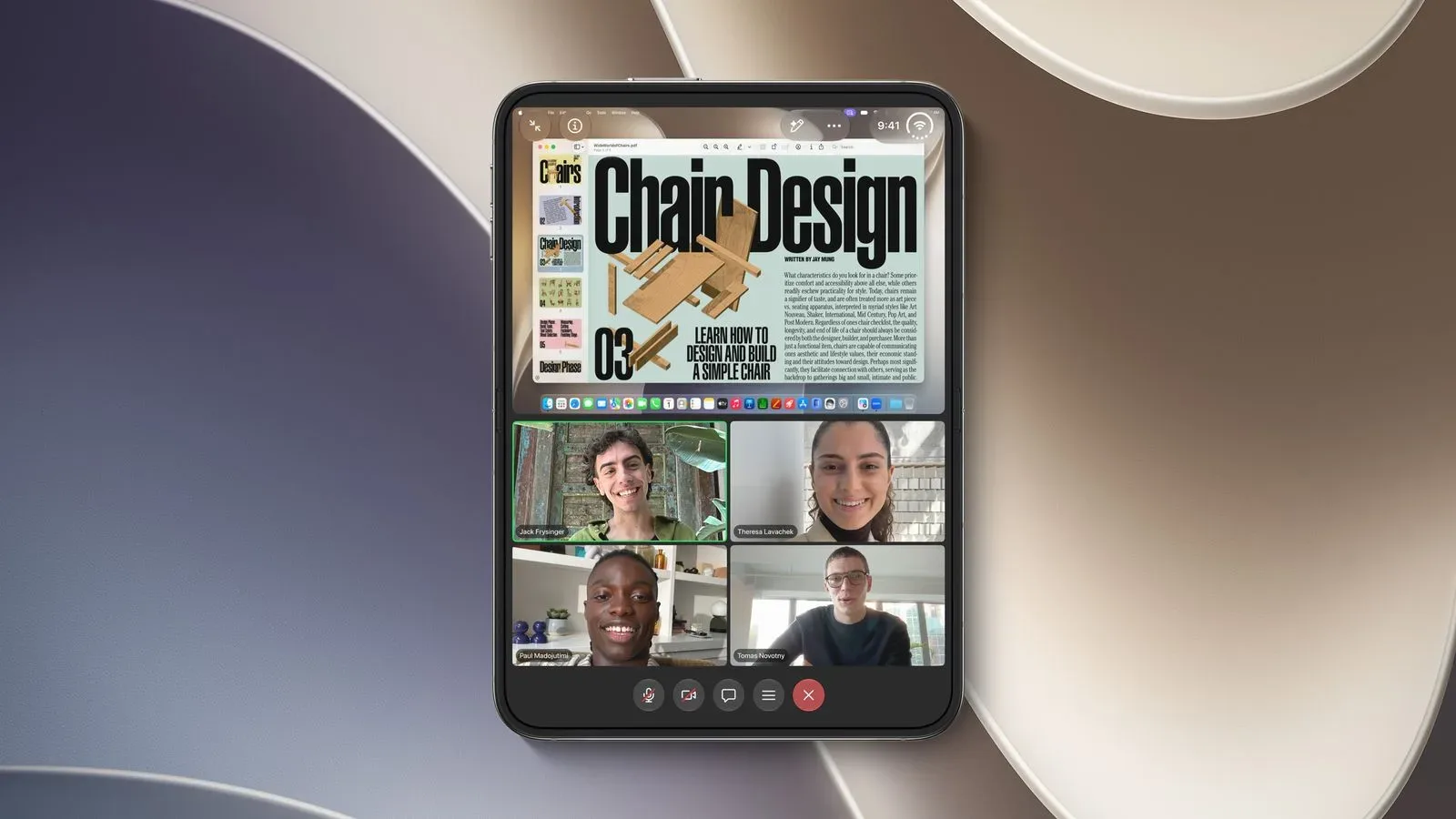
Buyers also have a reason to watch the software side once they do receive the device. Zoom and four Microsoft 365 apps have gained iPhone Duo optimization, a development relevant to anyone weighing how much use they would actually make of the Duo’s inner screen. It does not solve the supply issue, but it is part of the broader value question at a $1,999 starting price.
What is known—and what is still guesswork
Known: the tracked global average wait for iPhone Duo orders was 89 days as of October 30, down approximately one week. The iPhone 18 Pro sat near five days, while Pro Max was around 18. Initial Duo stock was heavily weighted toward Apple retail stores, and stores could have very small unit counts. The U.S. price starts at $1,999 for 256GB.
Not established by the wait-time data: whether demand has weakened, whether supply has materially improved, or whether reported cracked screens have meaningfully changed buying behavior. The screen reports are specifically not considered the likely main driver of the shorter estimate.
That division is more than semantic. It prevents shoppers from turning a single availability metric into a sweeping story about demand or product reception. At present, the cleanest reading is that iPhone Duo remains difficult to obtain through standard online ordering, even with a modest improvement in quoted waits. Retail availability can complicate the story, and a buyer’s date may move, but the device is still nowhere near the delivery timetable of Apple’s other current Pro phones.