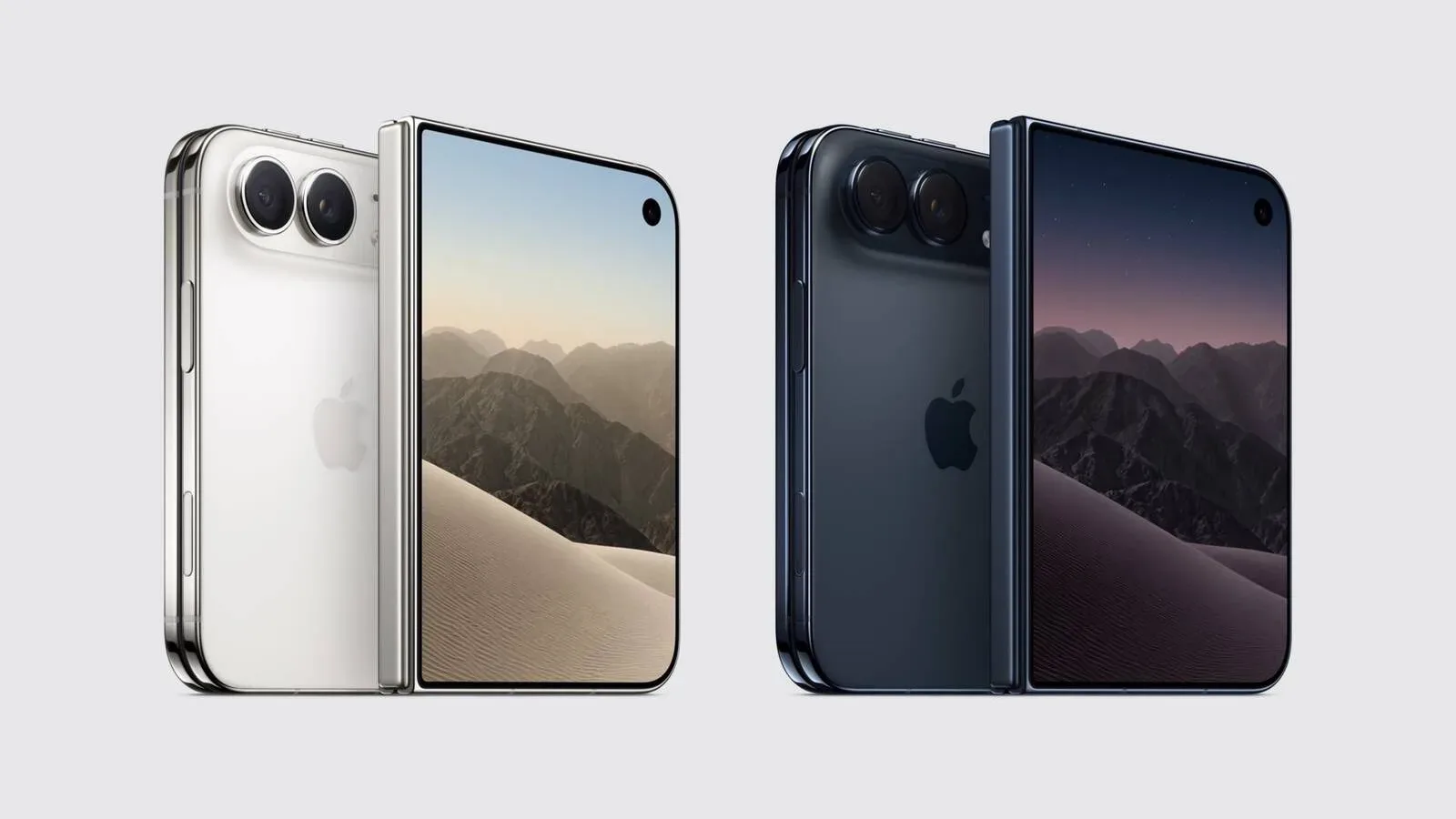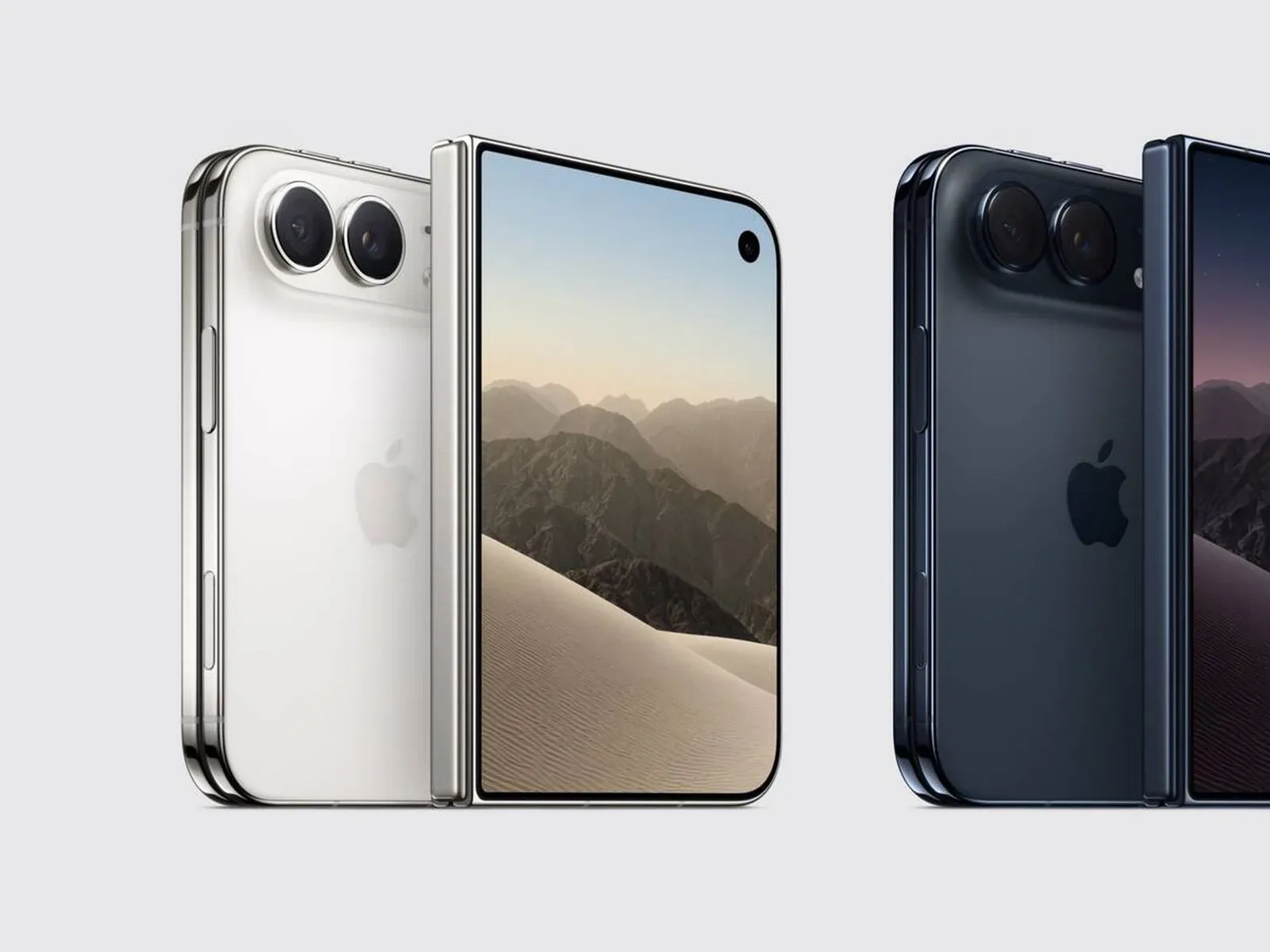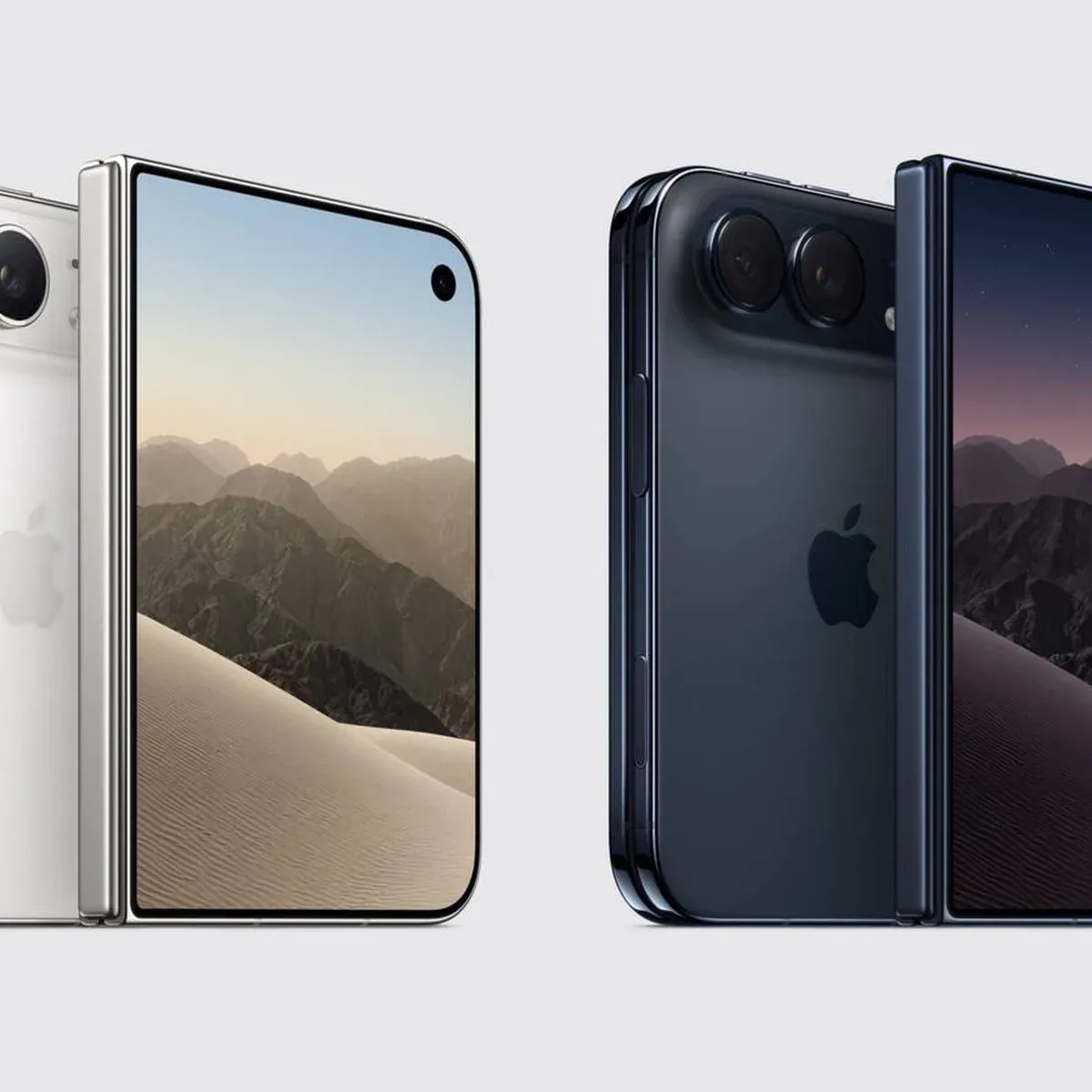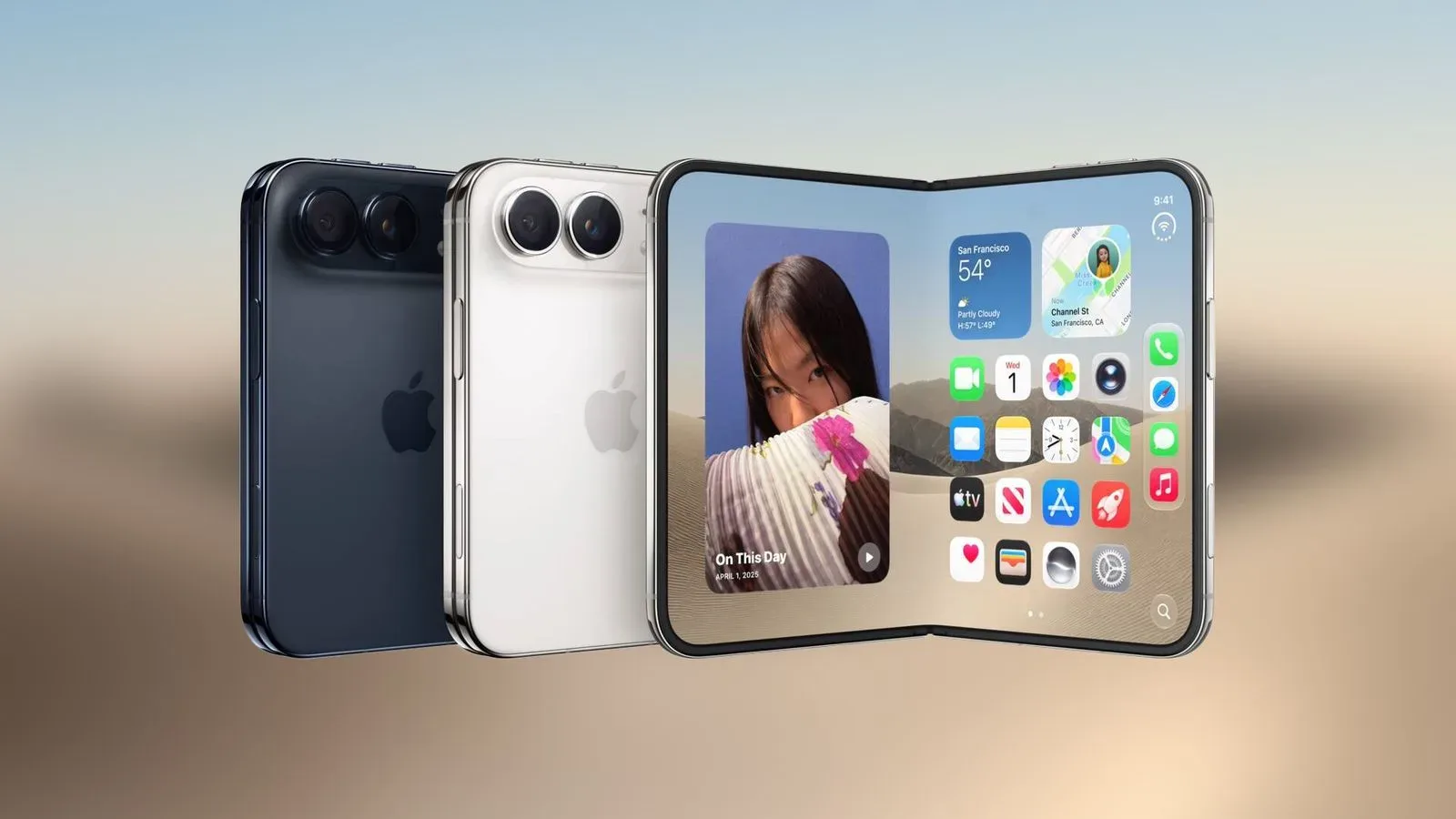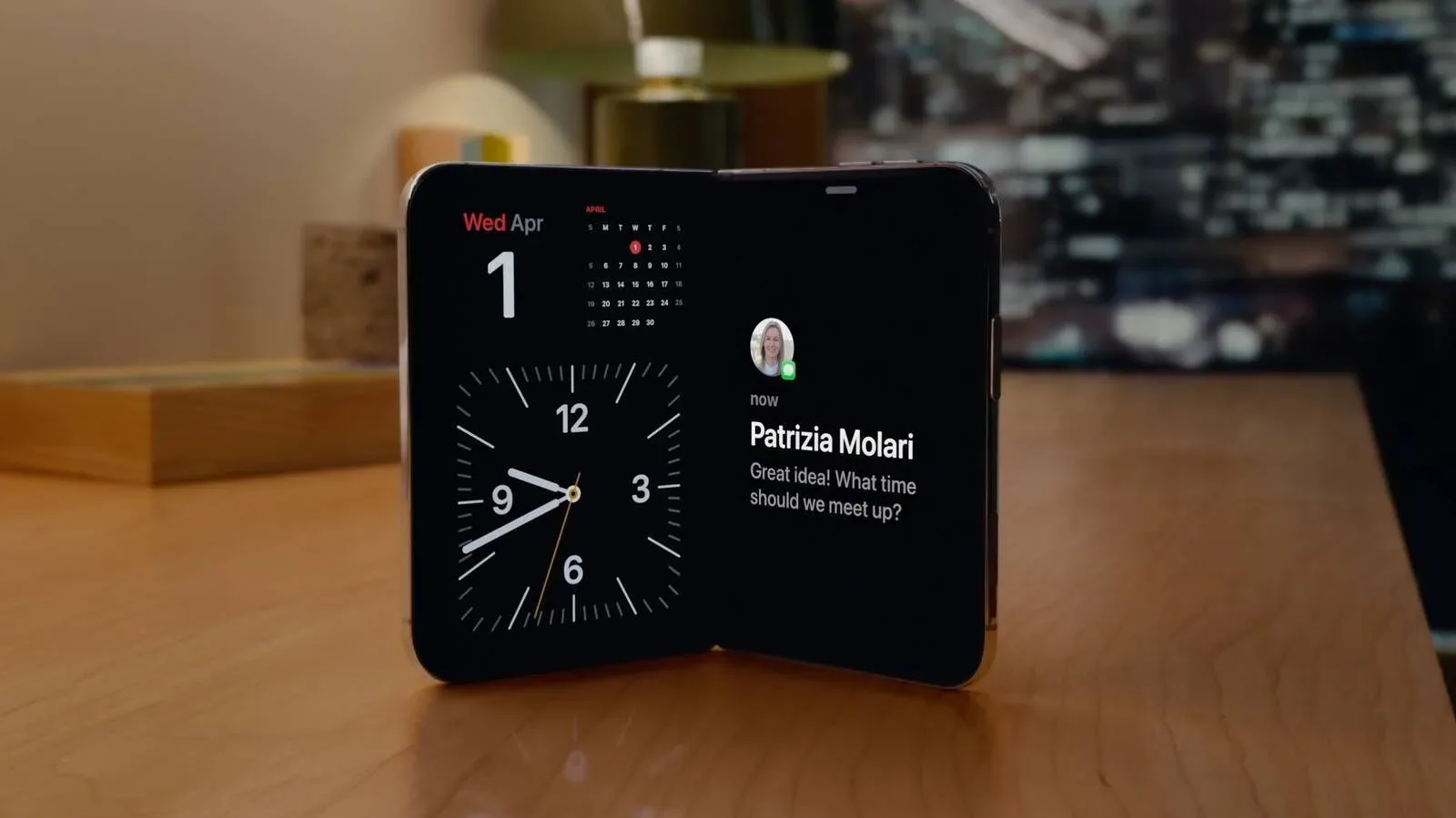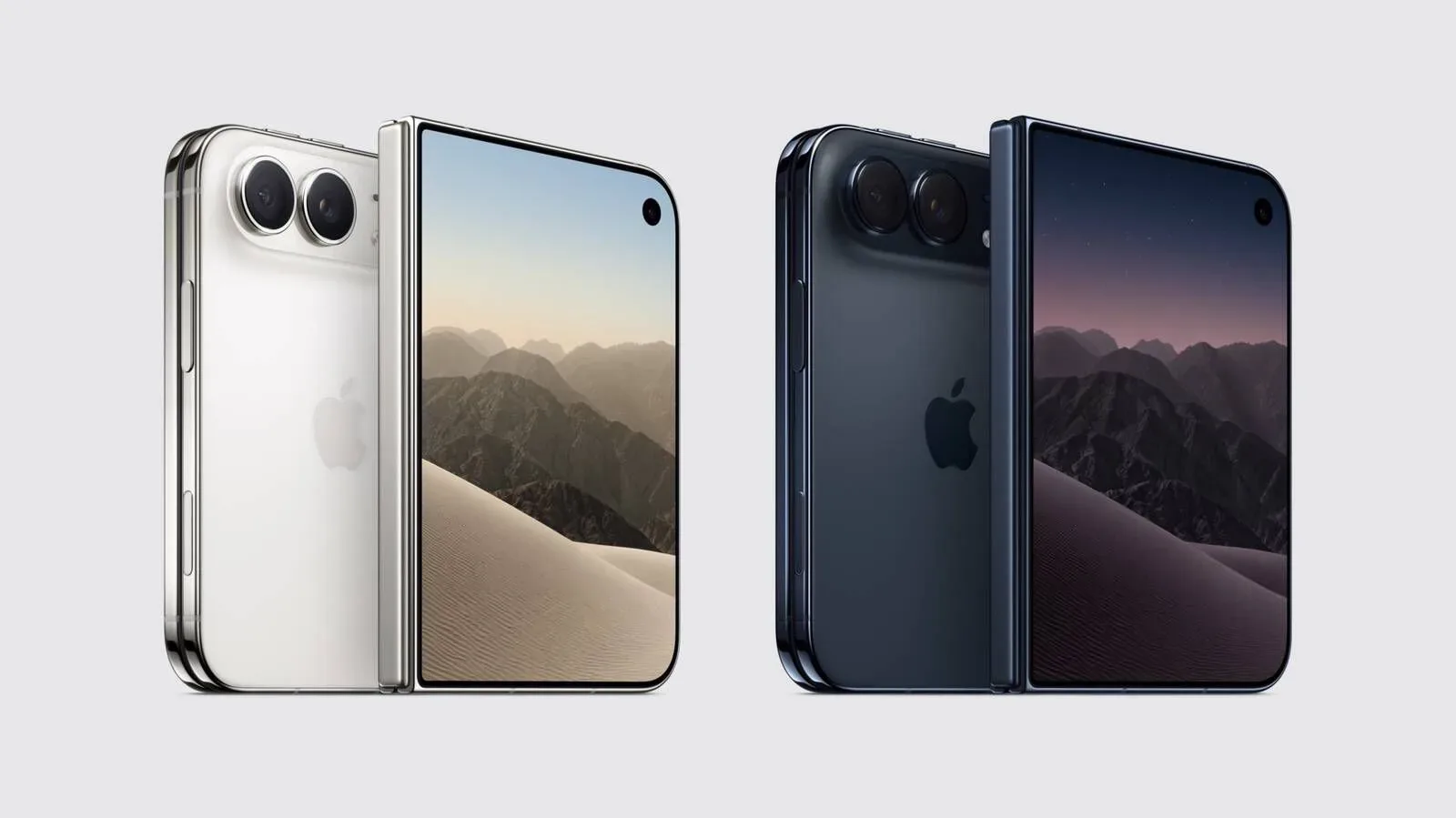
The iPhone Duo’s launch availability looks less like a simple shortage and more like a question of where the first wave of phones was placed. A reported breakdown of Apple’s initial distribution says roughly 80% of the inventory was sent to the company’s own retail stores rather than being committed to online orders.
That split offers a straightforward explanation for an outcome that otherwise seems contradictory: delivery estimates for pre-orders reportedly moved to late January within minutes of opening on October 16, yet many people who showed up and waited at stores on launch day left with an iPhone Duo.
For prospective buyers, the practical takeaway is not that every store will have an easy supply. It is that an extended online estimate and local day-one availability can describe two different inventory pools. Online shipping capacity may disappear extremely quickly if only a smaller share of the opening supply is assigned to it, while physical shops can still have units available for customers in line.
A retail-first allocation changes the apparent picture of demand
Initial reports put the retail share at about four-fifths of iPhone Duo launch inventory. Individual locations were said to have received as few as 50 phones, so this was not an indication of limitless stock across the store network. It does, however, mean that the quantity available through an online checkout would have represented only a minority of the initial batch.
That distinction matters. A pre-order delivery estimate is the retailer’s current projection for fulfilling an order placed for shipment. It is not necessarily a live measure of every unit sitting in every store. Conversely, an in-store launch allocation is limited by the stock actually delivered to that location and by the number of people ahead in the queue.
When a product with a $1,999 starting price moves its online shipping window far out almost immediately, it is tempting to read that solely as evidence that demand overwhelmed the entire launch supply. The reported allocation suggests a more precise interpretation: online demand could exhaust the online-designated stock very rapidly, while stores retain their separate launch-day quantity.
That does not diminish the demand signal. Apple characterized demand as “nothing short of extraordinary” and said it was working to meet demand as quickly as possible. But it does mean buyers should avoid treating the first online shipping estimate as a complete map of availability.
How many iPhone Duo units stores reportedly held
The reported store allocations varied sharply. Some locations were said to have had around 50 devices, while flagship stores could hold as many as roughly 250. Apple’s Fifth Avenue location was reportedly stocked more heavily than usual because company executives attended the launch.
Those numbers illustrate why location matters more than a broad “in store” label. A shop with about 50 units can sell through quickly even if it technically has launch-day inventory. A flagship location with roughly 250 has a larger cushion, but it can also draw a much larger crowd. Neither number promises that a later arrival will find a phone available.
The strongest reported day-one pattern was that most customers who obtained an iPhone Duo in a store did so by waiting in line. That is useful context for anyone deciding whether to rely on walk-in availability. The relevant comparison was not a relaxed visit after work against an online pre-order; it was a queue against a delayed shipping window.
What buyers can reasonably infer from a long delivery date
A delivery estimate that lands weeks or months away should be treated as an estimate, not an unchangeable reservation date. Apple has indicated that it is working to meet demand, and the reported situation leaves room for dates to move forward as inventory is replenished or logistics are updated.
There is an important limit to that reassurance: an improvement is possible, not guaranteed. Nothing in the reported allocation establishes how quickly more devices will reach warehouses, stores, or customers. Buyers should not make plans around an earlier arrival until their order status changes.
In practical terms, the situation creates three separate questions:
- Can an online order still be placed? A later estimate may still be preferable for people who value certainty over a same-day attempt.
- Is a local store likely to have stock? The retail-heavy allocation means the answer may be better than the online estimate alone suggests, but stock varied substantially by location.
- Will the online date improve? It may, especially as Apple works through demand, but there is no confirmed timetable in the available information.
That framework is more useful than assuming one answer applies everywhere. A customer in range of a flagship store and willing to queue faces a different decision from someone whose nearest location is small or who needs the device shipped.
Pricing makes the stock decision more consequential
The iPhone Duo is positioned at a premium price level. In the United States, Apple lists the 256GB model at $1,999, followed by 512GB at $2,199, 1TB at $2,599, and 2TB at $3,199. In the UK, the corresponding tiers are listed at £1,999, £2,199, £2,599, and £3,199.
Storage capacity is measured in gigabytes (GB) and terabytes (TB), with 1TB representing a larger capacity tier than 512GB or 256GB. The pricing structure means the gap from the entry configuration to the 2TB model is $1,200 in the US and £1,200 in the UK. Buyers considering a long wait have reason to verify the selected capacity carefully, rather than treating a hard-to-find launch unit as a reason to rush into a more expensive tier than planned.
The availability report does not say whether every storage option was distributed evenly. That uncertainty matters. A store may have iPhone Duo stock in general while lacking a customer’s preferred capacity. Likewise, a long online estimate may reflect the availability of a particular configuration rather than a universal absence of every model.
Retail inventory and online inventory are not interchangeable
For a launch like this, “sold out online” can be misleading shorthand. It usually means the currently promised shipment allocation has been consumed or pushed into a later fulfillment period. It does not automatically mean there are no units in physical retail locations.
Nor does a store’s supply necessarily become online delivery stock the moment there is a web backlog. Physical stores need inventory to serve their own customers, and the reported strategy appears to have prioritized a visible launch-day retail experience. The Fifth Avenue allocation, with executive attendance noted, is the clearest example of why supply may not have been distributed solely to minimize online wait times.
For those following Apple more broadly, the company’s business activity remains active beyond hardware launches; Apple’s acquisition of Ascend.io is another recent development. It should not be confused with the iPhone Duo’s supply situation, however: the information available here concerns initial device distribution, not any wider explanation of Apple’s operations.
What this means for a buyer deciding what to do now
The reported figures support a measured approach. Someone who already has an iPhone Duo order with a distant delivery window may choose to keep it in place, since the estimate could improve. That preserves a place in the shipping queue without assuming an earlier date will happen.
A shopper considering a store visit should recognize that launch-day queue success was tied to arriving early enough to fall within a finite local allocation. Reports of 50-unit inventories at some locations are a reminder that “the store has stock” and “there will be stock when I arrive” are entirely different claims.
Above all, the launch reinforces that pre-order speed and retail availability can diverge by design. About 80% of the reported opening stock went to retail, making the iPhone Duo’s online delay and in-store queue success two parts of the same supply story rather than competing accounts of how many phones Apple had available.