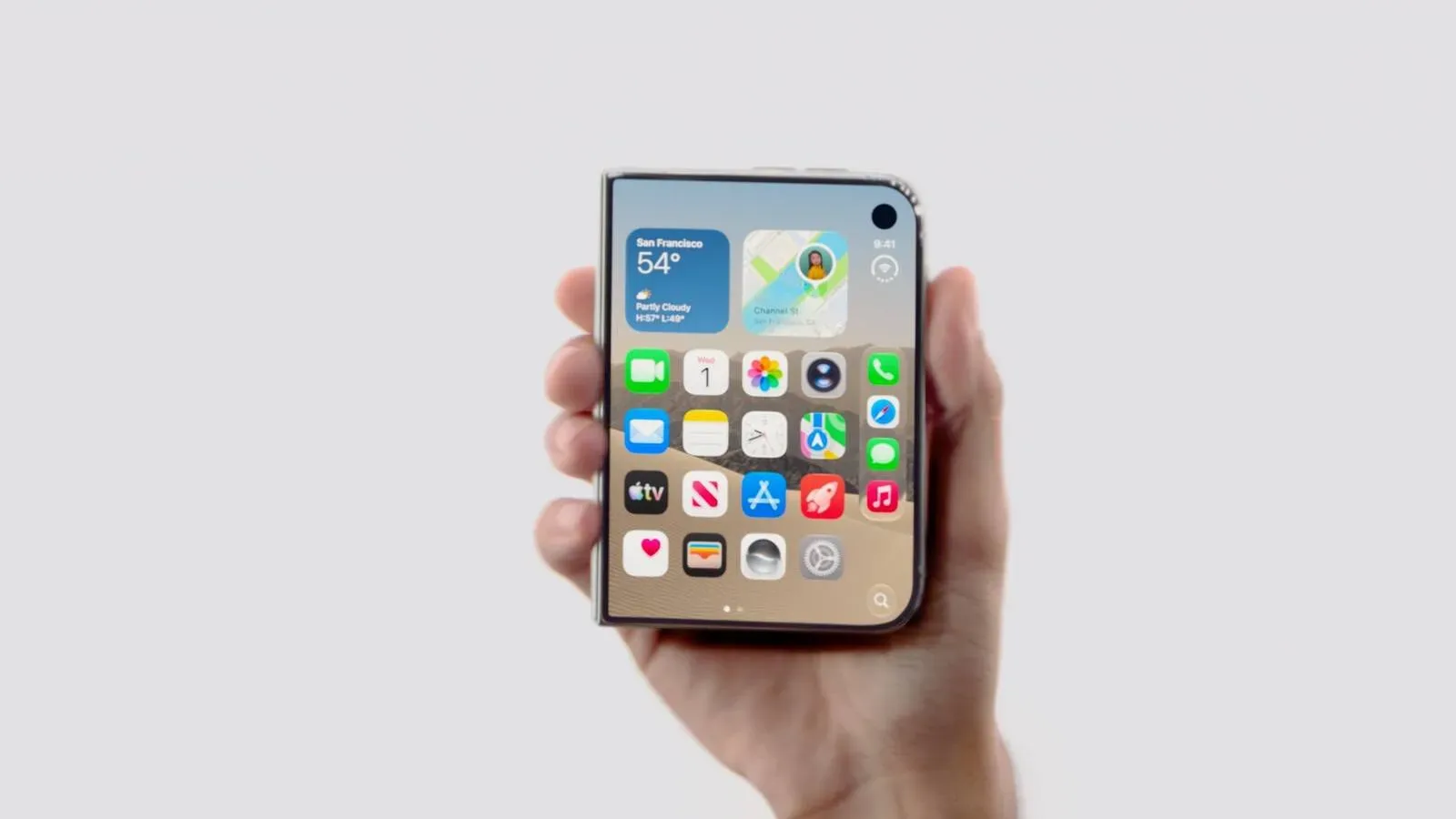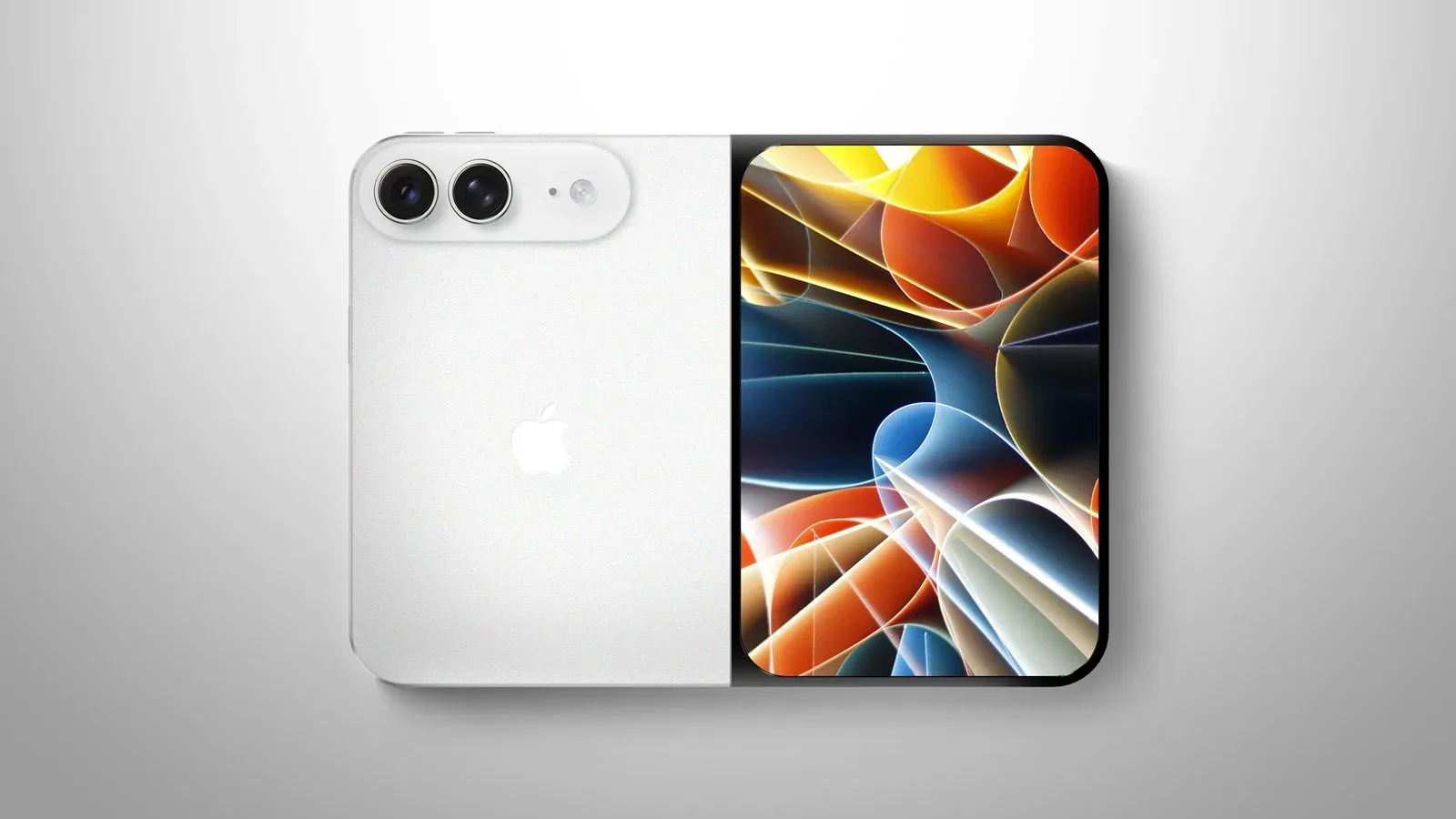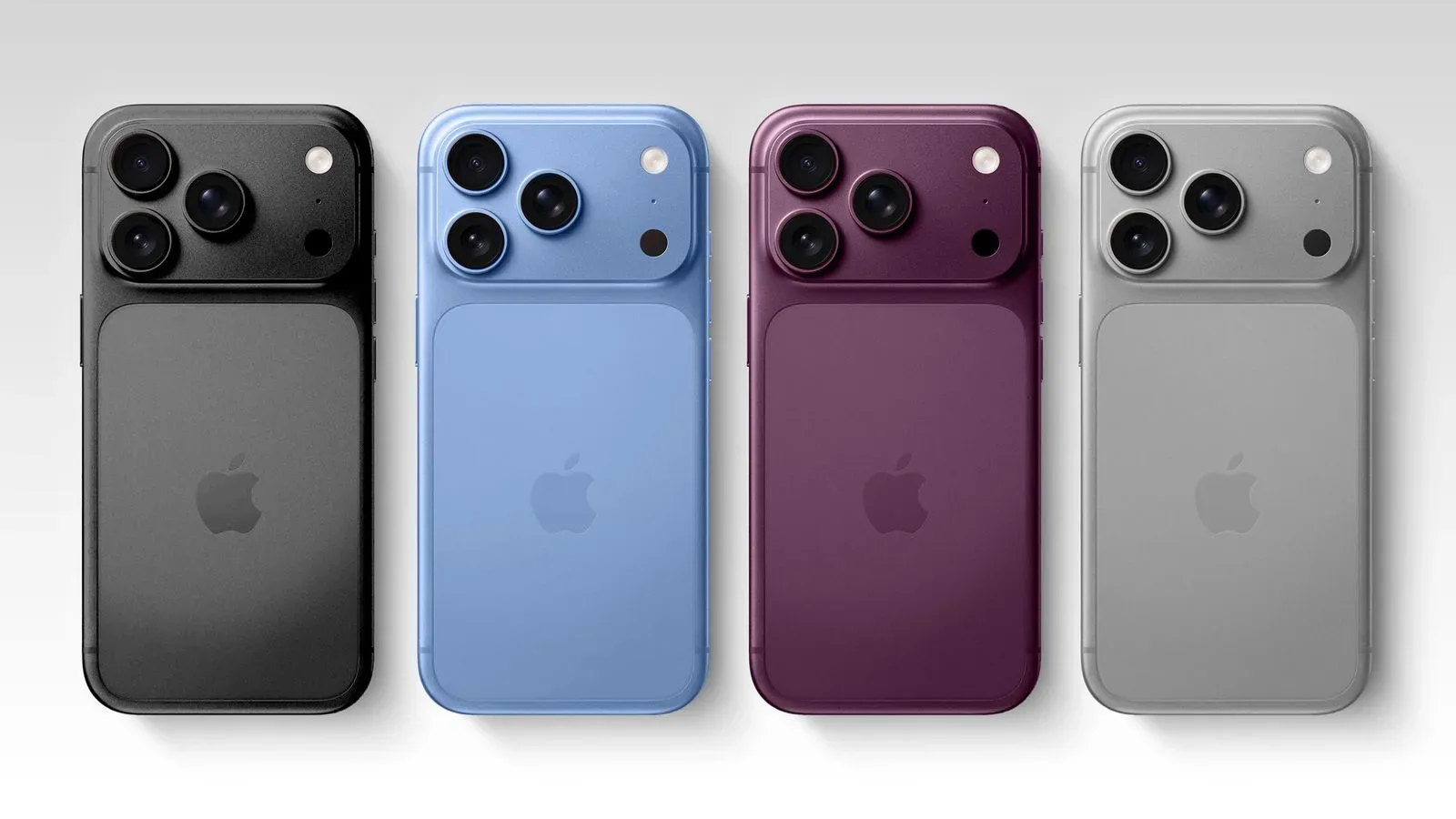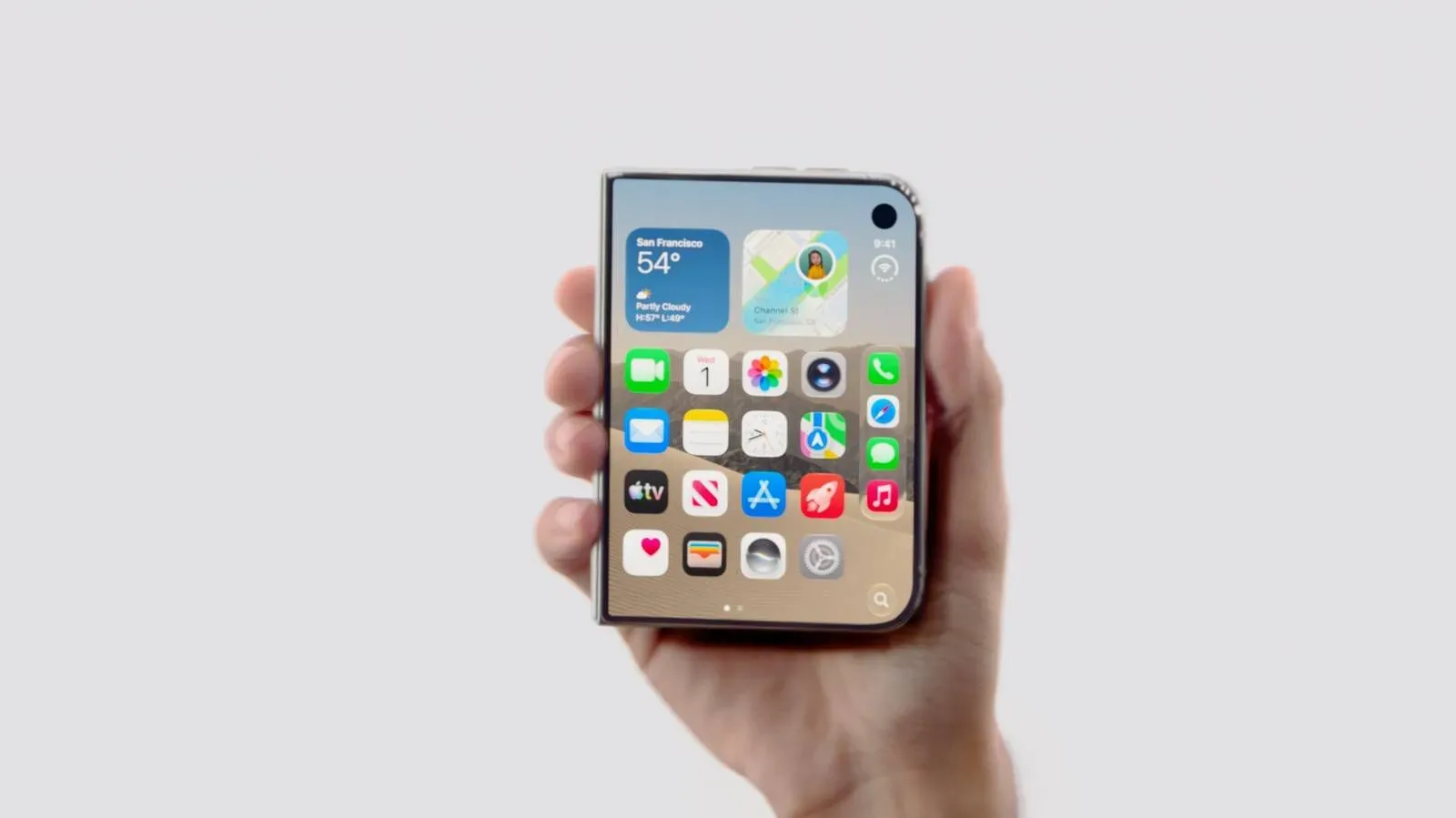
Apple’s iPhone Duo is set to arrive on October 23 with iOS 27.1 already installed, an unusually useful detail for anyone trying to map the company’s software calendar. While no standalone rollout date for iOS 27.1 has been specified, the phone’s launch schedule strongly indicates that the update should reach compatible devices shortly before the new dual-display model goes on sale.
The broad timeline is now fairly clear. iOS 27 is expected to launch on September 14, ahead of the September 18 arrival of the iPhone 18 Pro models. The iPhone Duo follows a little more than a month later, with pre-orders opening October 16 and retail availability beginning October 23. Since the Duo will need iOS 27.1 from day one, the most reasonable expectation is an update release sometime in the days leading into that October 23 launch.
That does not establish an exact day. Apple can release an update at any point close to a hardware debut, and its final scheduling decisions are not known from the shipping software version alone. Still, the inclusion of iOS 27.1 on a product launching October 23 puts the first major post-iOS-27 update on a notably earlier track than the comparable update last year.
An October 23 hardware launch creates a practical software deadline
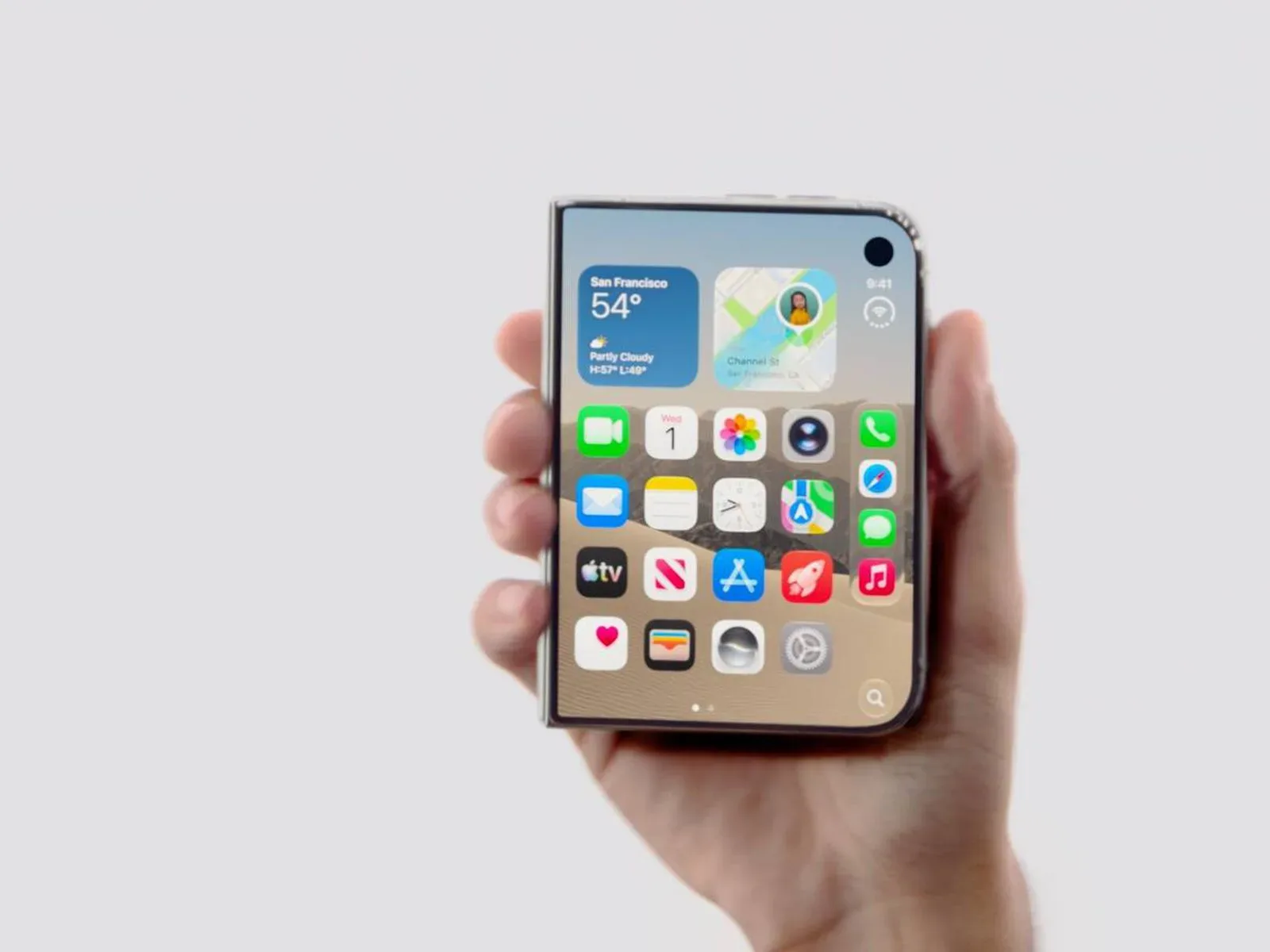
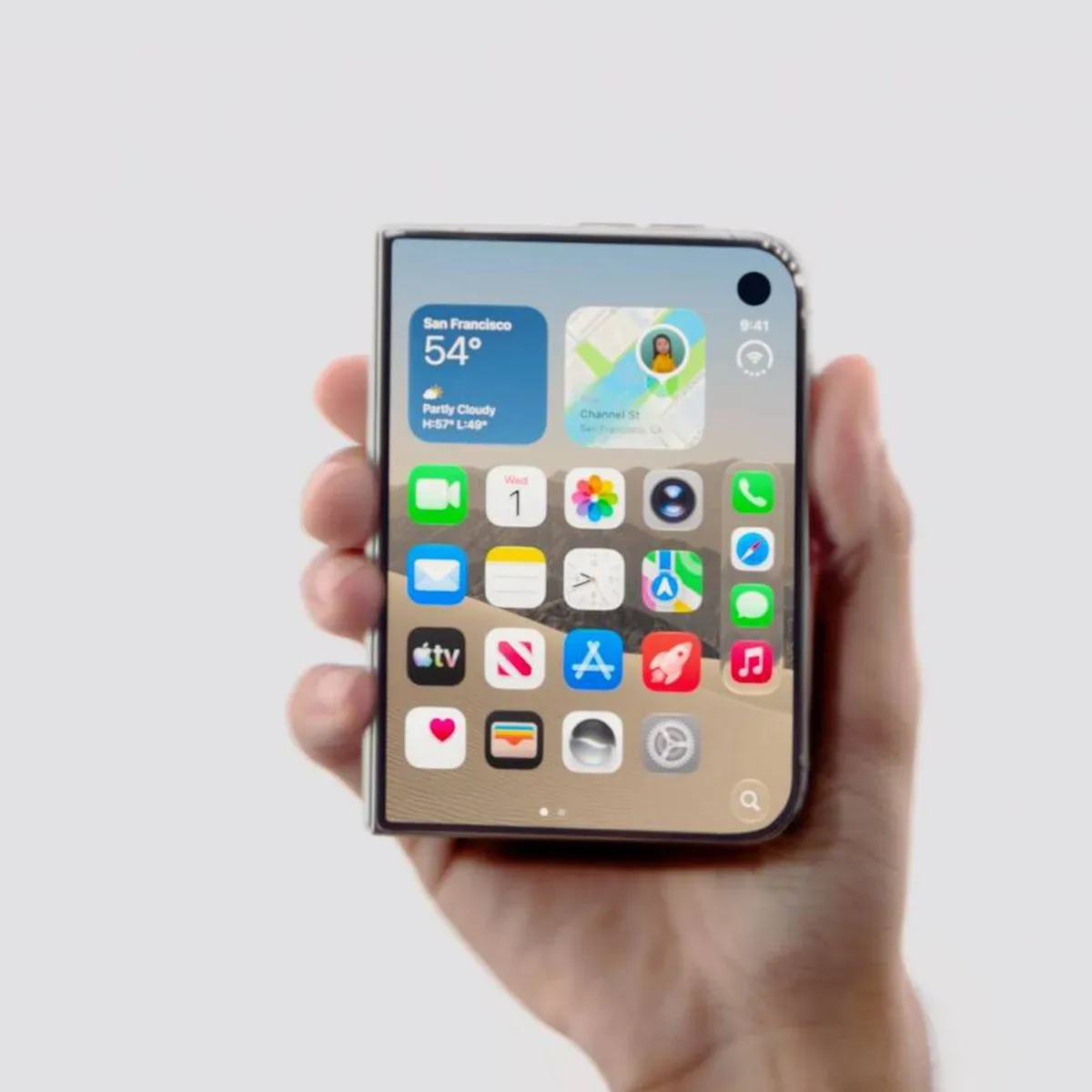
Shipping a new device with a point-one operating system is more than a number on a setup screen. It means that version contains functionality needed for the new hardware experience, has reached a stage suitable for factory installation, and must be ready for customers who take the device home on launch day. In the iPhone Duo’s case, iOS 27.1 is said to include revised app layouts designed around the handset’s two displays and a new vertical dock.
Those interface changes give iOS 27.1 a more specific job than a routine bug-fix patch. A dual-display phone is not simply another screen size in the usual sense. Apps and system navigation need to understand how information is arranged across the panels, where persistent controls belong, and how people move between a primary task and whatever they keep close at hand. The vertical dock appears to be part of that system-level answer.
For buyers of the iPhone Duo, the release timing matters because launch hardware should not feel like it has been handed a provisional operating system and told to figure itself out. For everyone on a compatible iPhone, the same timing suggests that iOS 27.1 could arrive as a normal public update before the Duo reaches stores. The update’s headline layouts may be tailored to the new form factor, but a major point release can also carry broader refinements even when the available details currently center on the Duo.
The key dates, arranged without the calendar minigame
- September 14: iOS 27 is expected to launch.
- September 18: iPhone 18 Pro models are scheduled to launch with iOS 27.
- October 16: iPhone Duo pre-orders are scheduled to begin.
- October 23: iPhone Duo availability begins, with iOS 27.1 preinstalled.
The spacing is noteworthy. The initial iOS 27 release lands before the iPhone 18 Pro launch, then iOS 27.1 is positioned to support the separate October hardware moment. That sequence creates a clean split between the baseline release for the new iPhone generation and the follow-up software tailored to the iPhone Duo’s distinct display arrangement.
It also means prospective Duo owners have two dates to watch in October. October 16 is the pre-order opening, while October 23 is the actual availability date. The latter is the more important marker for the public iOS 27.1 release estimate because that is when units are slated to ship with the software installed. A release shortly before that date would allow other supported iPhones to move onto the same version before the new model starts landing in customers’ hands.
Earlier than the previous point-one update, if the inference holds
Last year’s iOS 26.1 did not arrive until November 3. If iOS 27.1 lands shortly before October 23, it would appear roughly two weeks earlier on the calendar than its predecessor did. That comparison is useful context, but it should not be mistaken for a promise that future annual updates will follow the same pattern.
The likely difference here is the iPhone Duo itself. A major new device category—or at least a substantially different iPhone layout—creates pressure to have its supporting software ready near launch. Updated layouts for dual displays and a vertical dock are not the sort of additions that can wait casually in the wings after the product is already on sale. The hardware and its version of iOS need to arrive as a matched set.
That said, an earlier expected release window does not reveal everything about iOS 27.1. There is no complete feature list in the currently available information, no stated list of supported older devices beyond the ordinary implications of an iOS update, and no precise public release hour. Readers should be wary of turning a hardware shipping version into a full changelog. The supported facts are narrower: iOS 27.1 is expected around the Duo launch window, and it has interface work intended for that phone’s dual displays and vertical dock.
Why the Duo-specific design work could matter beyond a single phone
New device layouts often force operating systems to clarify their priorities. On a conventional phone, the home screen, multitasking behavior, app presentation, and shortcut placement all work within one continuous canvas. A Duo-style arrangement raises more questions: should an app occupy both displays, use one display for content and the other for controls, or maintain a compact companion view? Which actions deserve to stay visible in the vertical dock? How should transitions behave when a task moves from one panel to another?
iOS 27.1’s revised layouts are therefore significant even without a long public feature rundown. They represent the software layer that translates unusual hardware into something people can use repeatedly rather than merely admire during an animated product reveal. A dock positioned vertically, in particular, implies a navigation and app-access pattern shaped by the Duo’s physical geometry instead of an attempt to squeeze standard iPhone conventions into a new silhouette.
That does not mean every app will suddenly become a masterpiece of two-screen choreography. It means Apple is preparing operating-system-level layouts for the new device. Individual apps may still need their own changes to make the most of the displays, and the exact behavior of those apps has not been detailed. As ever, operating system support can lay the road; developers decide how many delightful roadside attractions actually get built.
The announcement also sits alongside other signs of iOS 27 expansion. iOS 27 code has pointed to tap-to-redeem Apple Gift Cards on compatible iPhones, a separate potential convenience feature that illustrates how platform updates can combine hardware-facing changes with smaller everyday functions. The iPhone Duo material is more concrete about its purpose, however, because iOS 27.1 is directly tied to the phone’s October 23 arrival.
What to watch between now and launch
The most important next step is simple: Apple providing a formal public release date for iOS 27.1, or issuing the update shortly before the iPhone Duo becomes available. Until then, “shortly before October 23” is an evidence-based expectation rather than a confirmed appointment on the calendar.
It will also be worth watching for more detail about the layouts. The present information establishes the existence of updated app layouts and the vertical dock, but not the full interaction model. Details such as how the displays divide app content, whether the dock changes with orientation or context, and what third-party developers need to do remain unaddressed.
For now, the calendar provides the clearest takeaway. iOS 27 starts on September 14. The iPhone 18 Pro models follow September 18 with that base version. Then the iPhone Duo arrives October 23 with iOS 27.1, after pre-orders begin October 16. Unless Apple chooses an unusual launch sequence, that makes the days immediately ahead of October 23 the window to circle for the first major iOS 27 update—because even operating systems occasionally have to hit their spawn point before the boss hardware enters the arena.