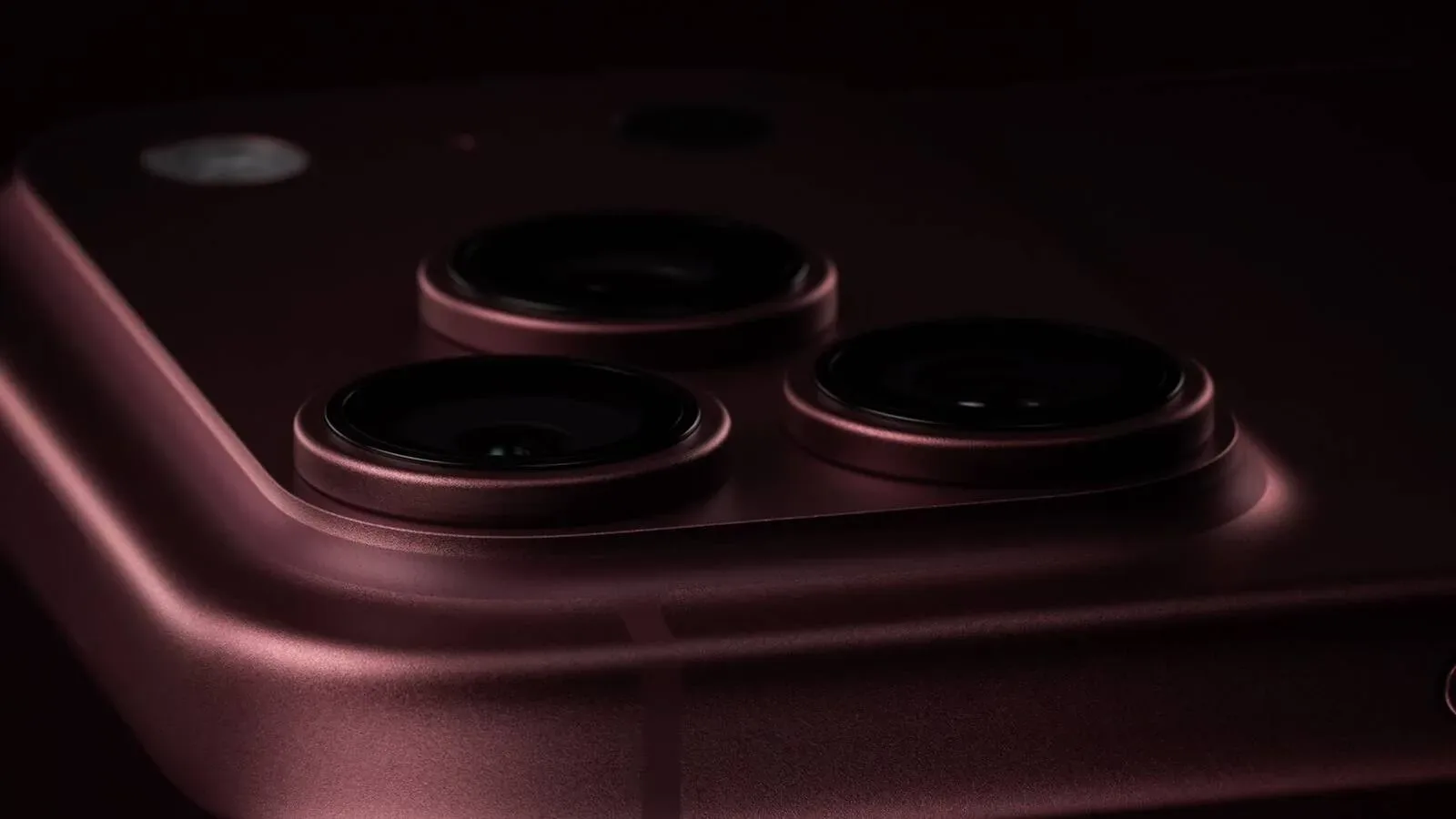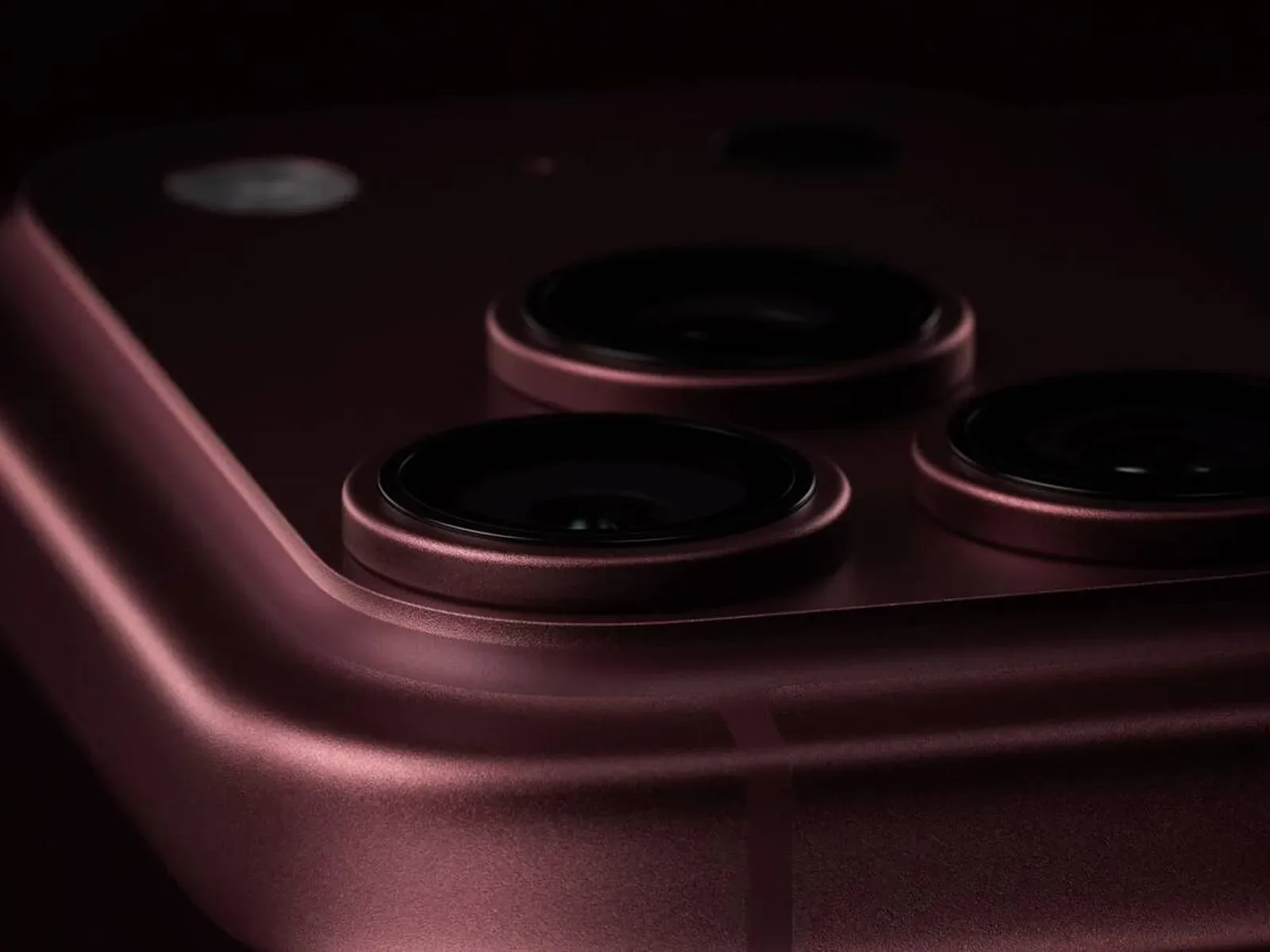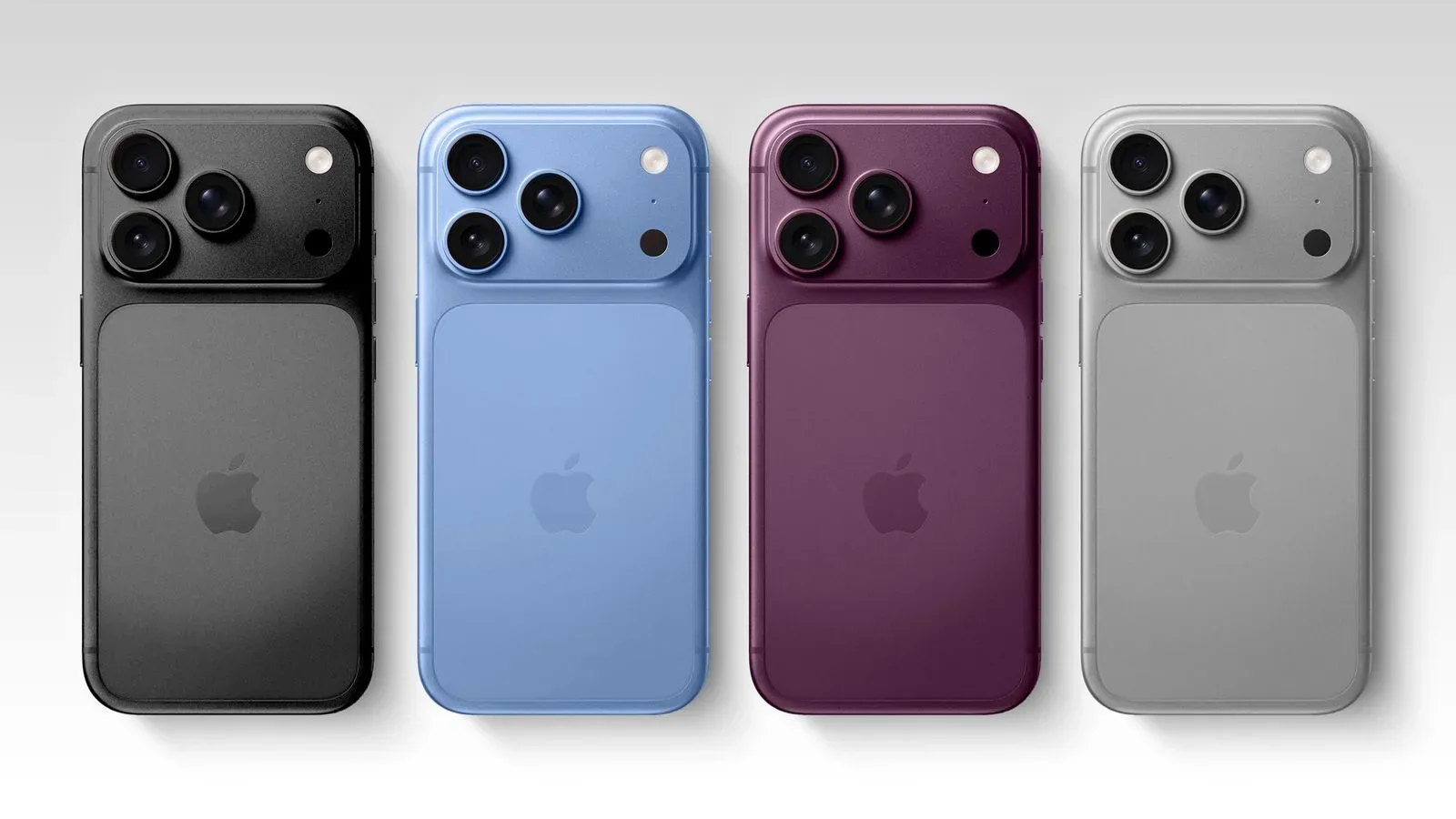
Apple has outlined new creative controls for its camera system: the iPhone 18 Pro and iPhone 18 Pro Max will gain texture and grain adjustments within Photographic Styles. The additions arrive alongside a redesigned computational imaging pipeline for the phones’ 48-megapixel Fusion Main camera, a change Apple says is intended to produce sharper photographs with more detail.
It is an update aimed at a familiar modern-phone-camera problem. People generally want a shot that is technically clean and immediately shareable, but many also want it to carry a recognizable mood rather than the ultra-neutral, hyper-smoothed look often associated with computational photography. Texture and grain controls could give users a more deliberate route toward that character while retaining the convenience of shooting on a phone.
For anyone documenting a game collection, convention haul, arcade visit, cosplay, tabletop session, or the kind of everyday scene that winds up becoming part of a personal archive, the practical appeal is fairly straightforward: more choices at capture time, without treating every picture as a separate post-production project. That does not mean the controls will replace careful lighting or composition. It does mean the iPhone 18 Pro camera system is being positioned to offer a larger creative palette before a photo ever reaches an editing app.
What Photographic Styles are designed to do
Photographic Styles are presets that alter elements such as a photograph’s tone, color, and warmth as the image is captured. The important distinction is that they are not framed as a conventional filter simply layered over a finished picture afterward. The system is designed to preserve skin tones while applying the selected look during capture.
That approach matters because tone and color decisions do more than make an image look warmer, cooler, brighter, or more dramatic. They shape how materials read. A plastic action figure can look glossy or soft. The metallic surface of a controller, handheld, or trading-card foil can appear crisp or muted. A moody arcade corner can be rendered as atmospheric rather than merely dark. A style that pushes too hard can make those objects look strange; a subtle one can make a photo feel intentional while still communicating what is actually there.
With the new controls, Apple is expanding that decision-making beyond the existing color and warmth-oriented options. Texture and grain are familiar visual-language tools in photography, but they are not identical.
- Texture generally concerns the apparent detail and surface character in an image: whether fine materials and edges seem more pronounced or more restrained.
- Grain refers to a deliberately textured, film-like visual quality that can make a digital photograph feel less clinically pristine.
Apple has not detailed precisely how broad the ranges will be, how they will interact with every Photographic Style, or which parts of an image will be affected most strongly. Still, the basic promise is clear: users will be able to dial in more of their preferred look rather than selecting only from a simpler set of tonal directions.
A new imaging pipeline sits behind the feature
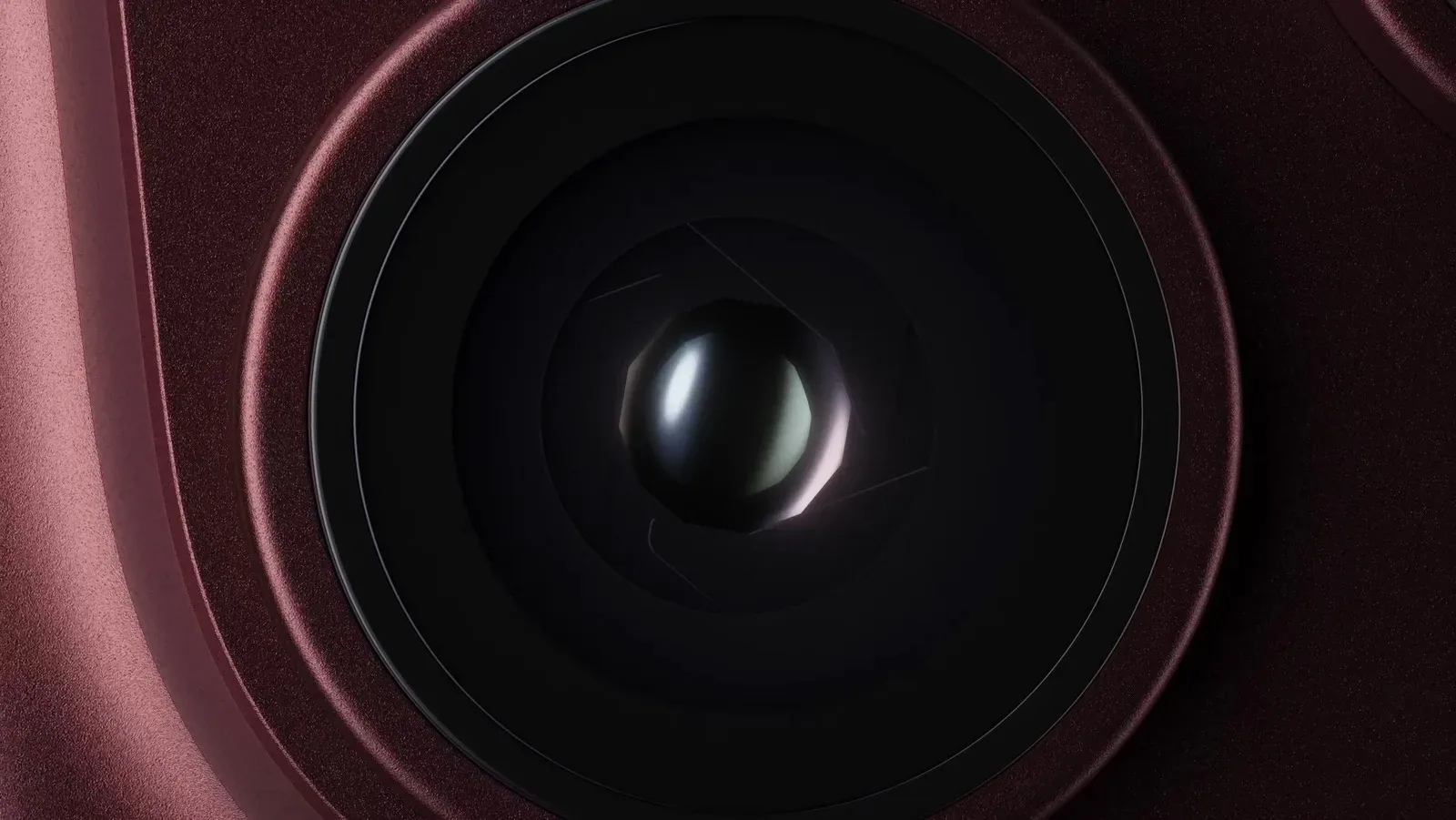
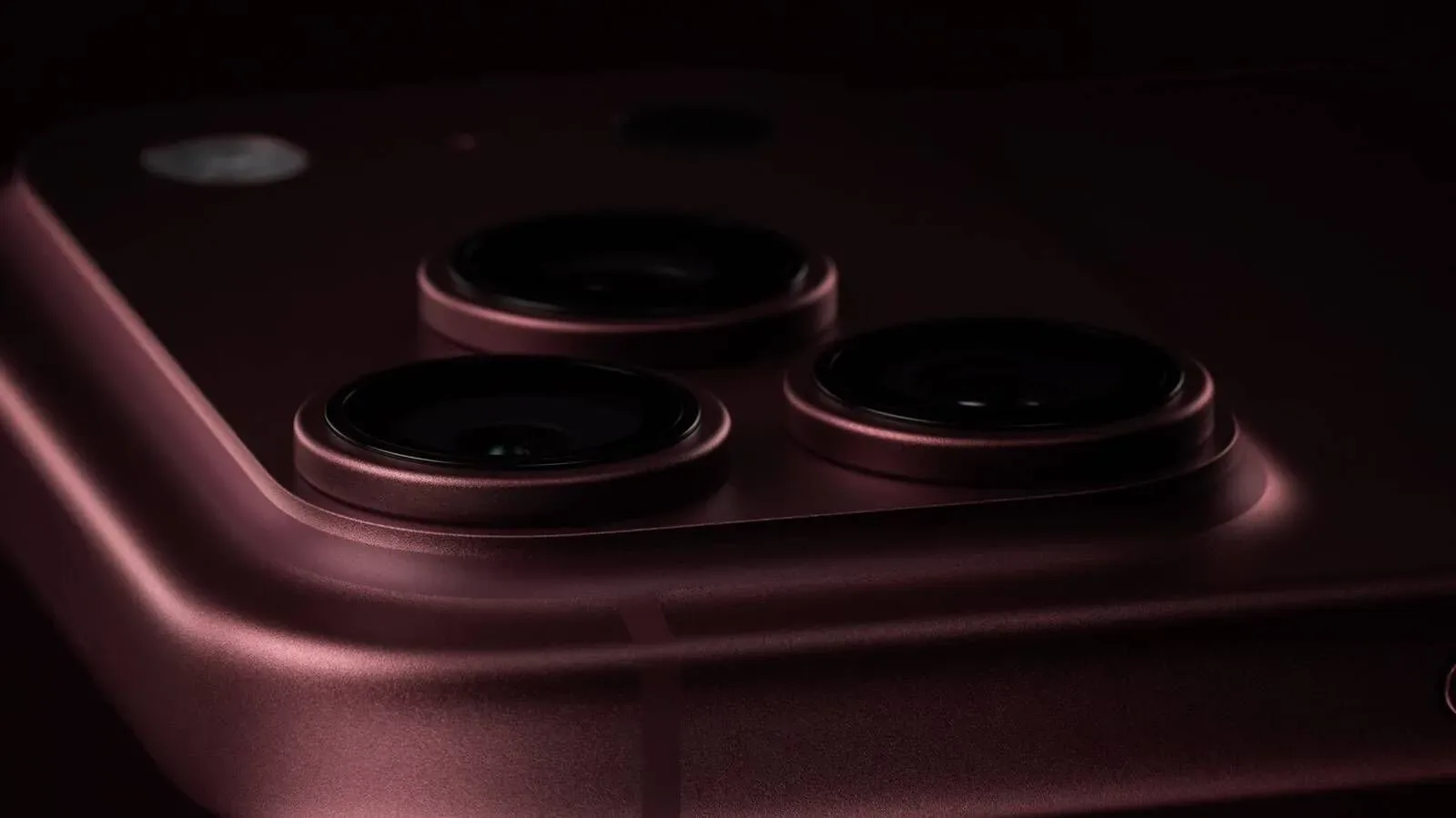
The company connects the texture and grain additions to a redesigned computational imaging pipeline for the 48-megapixel Fusion Main camera in the iPhone 18 Pro and iPhone 18 Pro Max. Apple says that pipeline delivers sharper, more detailed images.
Computational imaging is the less-visible part of a phone camera experience: the software-driven processing that interprets the camera’s capture data and produces the final result. It is why a smartphone photograph is rarely just a raw record from a sensor. The result typically reflects a series of automated choices about detail, noise, exposure, color, and other image characteristics.
In that context, a texture control is not necessarily a simplistic “make everything sharper” slider, and grain is not necessarily an instruction to make a picture look damaged. The feature is being introduced as a creative extension of a new camera-processing foundation. Apple’s stated goal is extra control over the final appearance, supported by an imaging pipeline it says can retain more sharpness and detail.
That could be especially relevant to subjects with lots of small visual information: a shelf of boxed games, the printed texture on comic covers, a dense tabletop board, a controller collection, or a close image of a card’s illustration and foil. But users should keep the limits of any photographic tool in mind. Camera processing can influence presentation; it cannot guarantee that every reflective, low-light, moving, or cluttered subject will become easy to photograph.
Why grain is not just nostalgia bait
Grain has a long cultural association with film photography, magazines, album art, and older visual media. It can certainly be used for retro flavor, and there will be no shortage of people applying it to a CRT-lit game room or a 1990s handheld with a carefully chosen backdrop. But its value is broader than an “old camera” costume.
A controlled amount of grain can change how viewers perceive a digital image. It can soften the sense that every surface has been algorithmically polished while providing a little visual cohesion in scenes with flat color or dramatic lighting. Used subtly, it may give an image a more tactile, authored quality. Used heavily, it can obscure information—an obvious risk when the point of the photo is to show a collectible’s condition, a card’s surface, or tiny printed details.
That distinction is worth keeping in view for collectors. A stylized social post and a documentation image do not necessarily have the same job. If someone is recording the condition of a vintage game, authentication details, or the surface of a trading card, a conservative approach is likely wiser. For a celebratory display photo, an intentionally grainier interpretation may be exactly the vibe a creator wants.
More camera controls are useful not because every picture needs an extreme look, but because different pictures have different purposes.
Creative control without the filter-afterward framing
The capture-time nature of Photographic Styles remains the central point in Apple’s description. A conventional after-the-fact filter is often an all-over visual treatment: choose an effect, place it atop an image, then adjust or undo it. Photographic Styles instead are described as shaping color and warmth during the act of capture while retaining skin tones.
Texture and grain make that framework potentially more expressive. In theory, a user can make stylistic choices while still allowing the camera system to account for the scene and subjects being photographed. Apple’s announcement does not spell out every technical behavior or editing option, so it would be premature to assume exactly how flexible the controls will be after capture. What is confirmed is the addition of texture and grain settings for the two iPhone 18 Pro models.
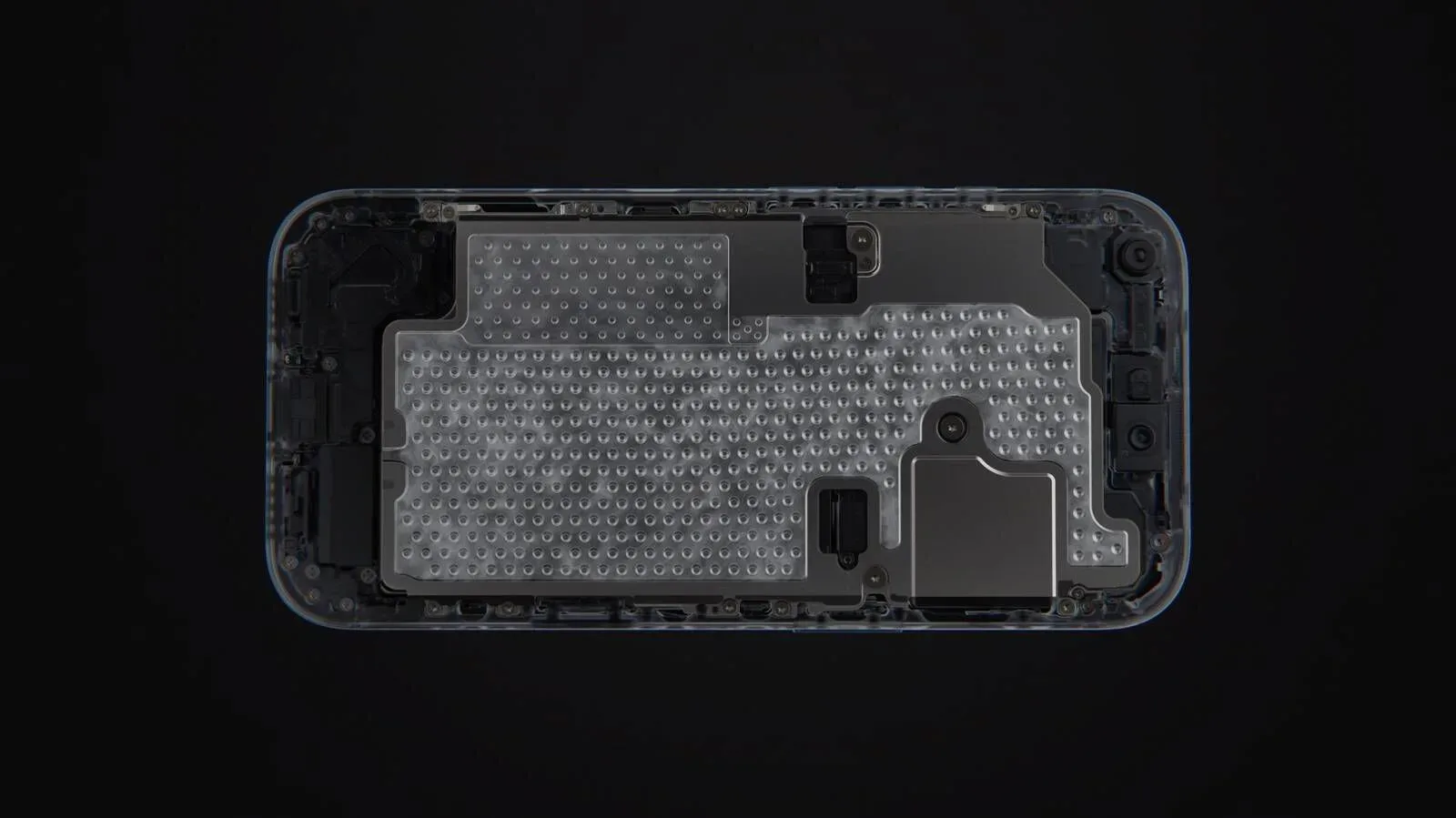
The update also lands as Apple continues to emphasize hardware and system-level changes across its new Pro phones. The company has separately pointed to sustained-performance gains through a larger vapor chamber in the lineup; our coverage of the iPhone 18 Pro thermal redesign explores that part of the device picture. The camera announcement is distinct, but together they reinforce the broader Pro message: these phones are being presented as devices for demanding creative and technical workloads, not merely incremental annual upgrades.
The unanswered question for older iPhones
There is one significant uncertainty. It is not yet known whether earlier iPhone models that otherwise support the latest version of Photographic Styles will receive the texture and grain controls through a software update. The iPhone 17 Pro is specifically among the older models for which that question remains open.
That uncertainty is understandable given Apple’s emphasis on the redesigned pipeline attached to the 48-megapixel Fusion Main camera in the iPhone 18 Pro family. If the new controls depend on capabilities unique to that pipeline, they may remain tied to the new hardware. On the other hand, some portion of the experience could potentially be delivered more widely through software. Apple has not confirmed either outcome.
For current iPhone owners, the sensible position is to treat broader compatibility as unannounced. The latest-generation support for Photographic Styles on an older Pro phone does not, by itself, establish that texture and grain will arrive there. Until Apple provides model-by-model details, any expectation of an update would be speculation.
What has been confirmed
- Texture and grain controls are coming to Photographic Styles on iPhone 18 Pro and iPhone 18 Pro Max.
- The phones feature a redesigned computational imaging pipeline for the 48-megapixel Fusion Main camera.
- Apple says the pipeline produces sharper, more detailed photographs.
- Photographic Styles adjust color, tone, and warmth at capture while preserving skin tones, rather than functioning as ordinary post-capture filters.
- Compatibility with older devices, including iPhone 17 Pro, has not been confirmed.
The headline is modest but meaningful for people who care about how their images feel as well as how cleanly they resolve. Rather than adding a single canned effect, Apple is extending a capture-time styling system with two of photography’s most recognizable tools. Whether users choose a lightly tactile look for a convention photo or keep settings restrained for documenting a prized collectible, the iPhone 18 Pro and iPhone 18 Pro Max are set to offer more room to make that call themselves.