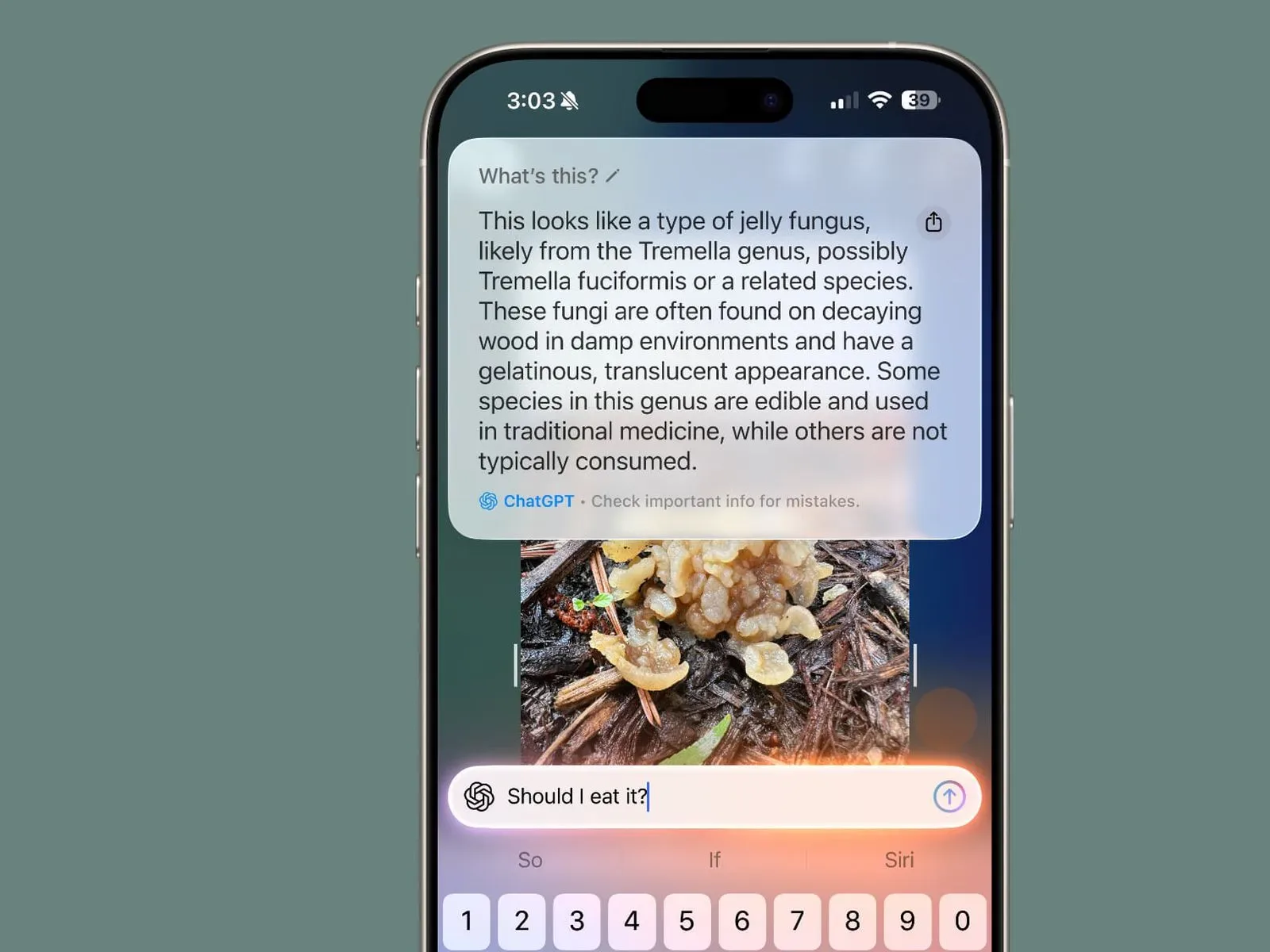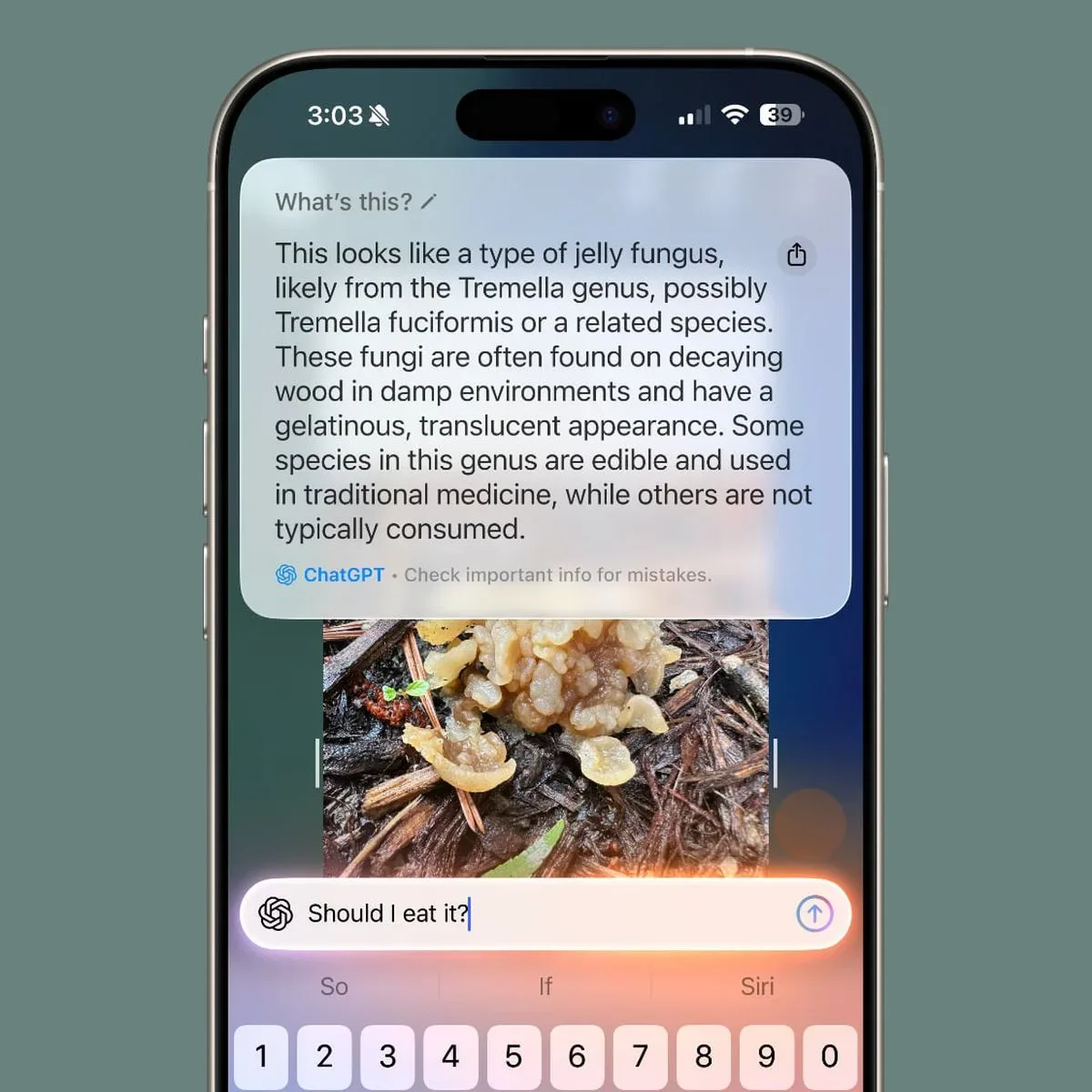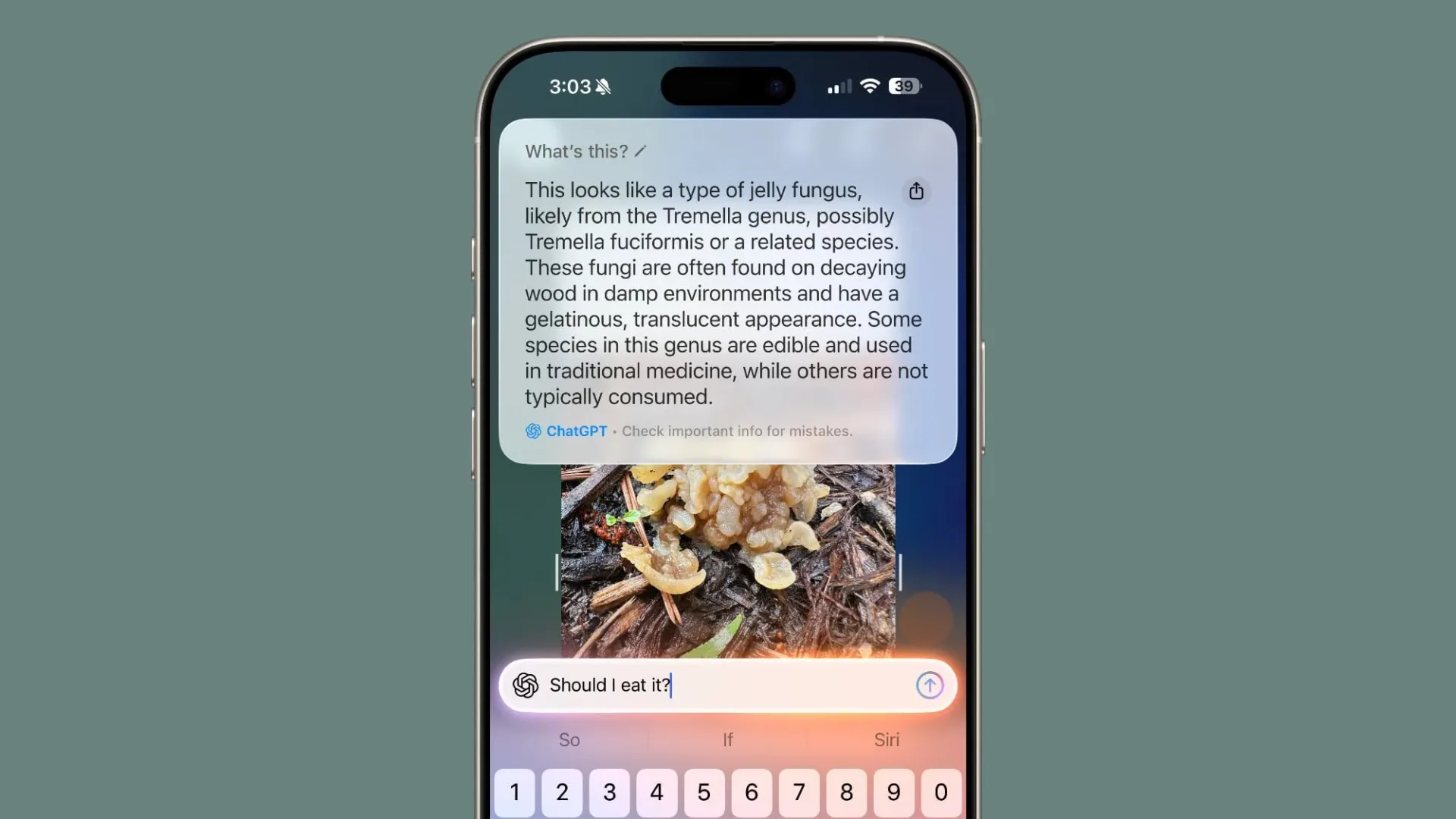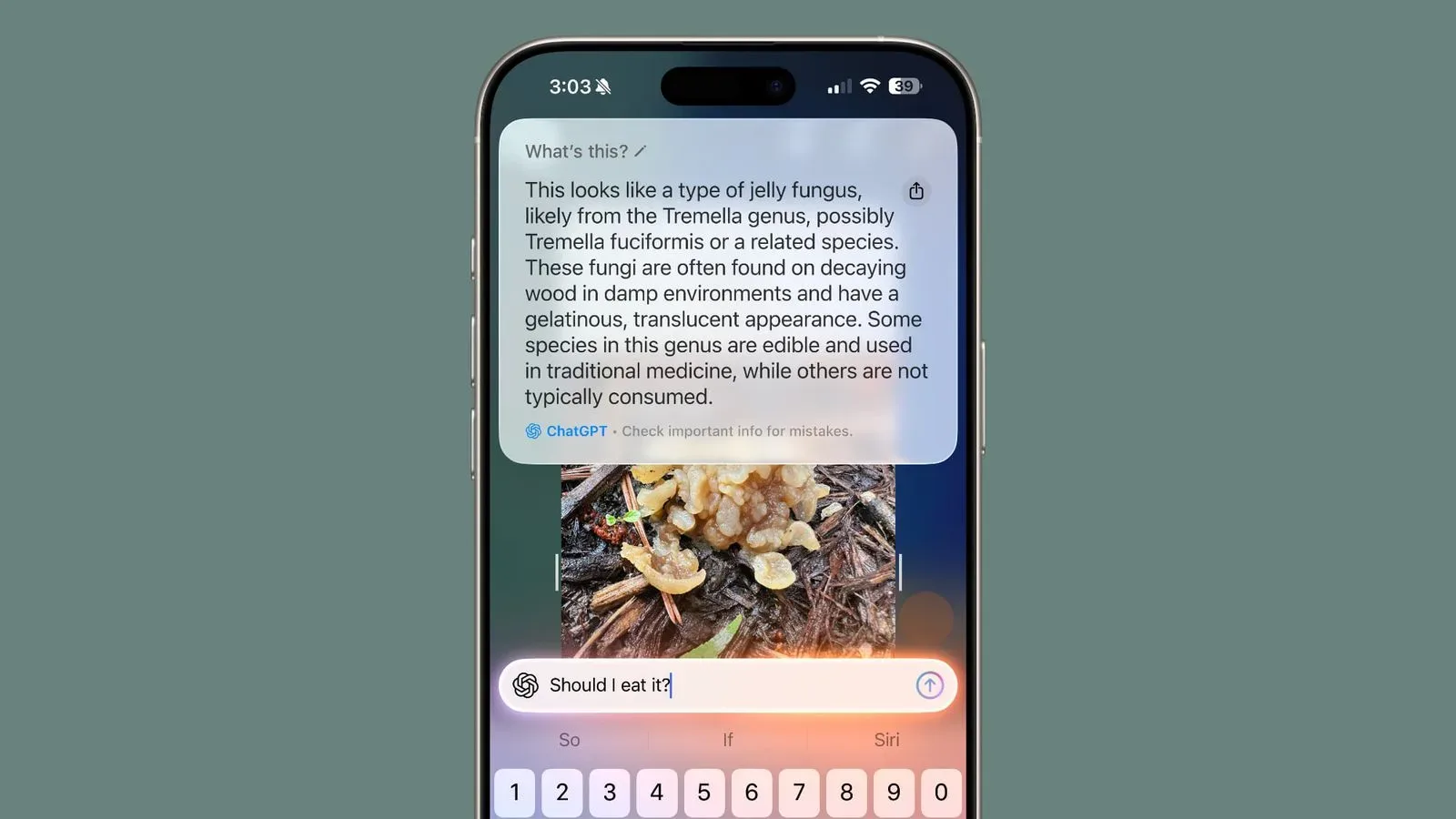
Apple may be preparing another route for advertising to reach the iPhone, though the available evidence points to a partner-led model rather than a straightforward Apple-owned ad placement. Code discovered in iOS 27 suggests that search providers could be allowed to surface sponsored results within Visual Intelligence when people use the camera-based feature to identify products and shop for them.
That distinction matters. The apparent plan is not necessarily that Apple would directly sell a sponsored slot inside Visual Intelligence. Instead, a search provider that supplies results to the feature could potentially include its own paid product listings alongside ordinary, non-sponsored matches. In practical terms, pointing an iPhone camera at a collectible, accessory, piece of furniture, or other retail item could eventually bring up a mix of organic visual-search results and clearly commercial placements delivered by the underlying search partner.
Nothing in the code establishes that the feature is finalized, enabled, or guaranteed to launch. It also does not settle whether Apple would receive a share of revenue from sponsored results shown by participating partners. Code references can reveal a direction a company is exploring, but they do not provide a release timetable, a finalized interface, partner agreements, or rules for labeling ads.
A shopping search could gain a sponsored shelf
Visual Intelligence already has a role in shopping-oriented discovery. The feature can route relevant queries toward services including Google Image Search and retail destinations such as Etsy, Amazon, and Anthropologie. The iOS 27 references suggest that these kinds of third-party search connections could be expanded to accommodate sponsored product images or comparable paid results.
Imagine a user aiming the camera at a boxed retro game, a trading-card binder, a controller, or a limited-edition figure. A normal visual search experience is intended to help identify the item and lead to related information or shopping matches. A sponsored-result layer would mean one of the returned items could be paid placement, much like promoted listings familiar from major search and marketplace sites.
The crucial detail is who controls that placement. If the implementation reflected the code’s apparent intent, the search provider would be the party inserting sponsored material into the results it provides. Apple’s role would be providing the Visual Intelligence entry point and its connection to external services, rather than independently operating the ad unit in the way it does with advertising in some of its own products.
That setup could make the experience feel less like an entirely new Apple ad network surface and more like an extension of the commercial search results people already encounter after moving into a third-party shopping or image-search ecosystem. It could also create a more complicated question for users: where does the iPhone interface end and the partner’s ranking and advertising system begin?
Why disclosure and relevance would matter
For visual shopping tools, sponsored placements are especially sensitive because the starting point is the camera. People may use the feature for a fast answer: What is this object? Is it the exact version? Where is it sold? A paid item can be useful if it is a genuinely relevant match, but it can also be a distraction if it favors a broadly similar listing over the exact product a person is trying to identify.
This is particularly relevant to games and collectibles, where small variations can have outsized importance. An original release and a reprint, a regional edition and a domestic one, or a loose item and a complete boxed copy may look close enough to confuse automated matching. Sponsored results would not inherently make that problem worse, but their prominence could make careful labeling, accurate product information, and organic alternatives more important.
A healthy implementation would need to make the commercial nature of a placement apparent without obscuring useful results. The code does not describe how any sponsorship label would look, how many paid results could appear, whether placements would be limited to shopping searches, or whether users would have controls over them. Those are the details that would determine whether the change feels like a convenient marketplace shortcut or another layer to sift through.
There is also no indication that a sponsored item would be an endorsement from Apple or a guarantee of authenticity, condition, seller reliability, or price. For buyers tracking down older games, cards, figures, and other collectible goods, visual discovery can be a helpful first step, but it cannot replace checking edition details, photographs, seller policies, and market context before a purchase.
Part of a broader advertising expansion
The possibility arrives as Apple continues to broaden the places where advertising appears across its services. Additional sponsored positions in App Store search results began appearing in March. Ads also went live in Apple Maps in the United States and Canada last month. Those moves involve Apple products and interfaces directly, whereas the Visual Intelligence code points toward an arrangement in which external search providers may supply the sponsored material.
Even so, the broader pattern is hard to miss: search and discovery are valuable places for commerce. Users often arrive with immediate intent, whether they are looking for an app, trying to find a nearby business, or identifying an item in front of them. Visual Intelligence may be an especially attractive opportunity because it converts a real-world object into a potentially actionable shopping query in seconds.
It would also extend the logic of existing visual and marketplace search. Online shoppers already see paid product listings interwoven with other results on major search engines and retail platforms. Putting those partner-provided listings into Visual Intelligence would shift the moment at which they appear. Rather than seeing ads after manually typing a query, a user could encounter them after using a camera to begin the search.
Apple’s potential financial role remains unresolved. A provider might retain revenue under its own advertising arrangement, Apple might negotiate some form of share, or the feature could take a different structure entirely. The code does not answer that question, and it would be premature to assume that sponsored Visual Intelligence results would function exactly like App Store or Maps advertising.
What it could mean for game and collectible searches
For hobby shoppers, the possible feature has a clear upside and an equally clear caveat. Visual identification could reduce friction when someone spots an unfamiliar cartridge, toy line, trading card, or accessory at a shop, convention, or friend’s collection. Connections to visual search and retail partners could rapidly expose potential matches and places to buy them.
But a promoted result is not automatically the best result. A sponsored listing may be from a seller with strong inventory and polished product data, yet it could still be the wrong print run, a mismatched region, an incomplete set, or simply more expensive than comparable listings elsewhere. Searchers should treat any future sponsored match as a lead, not a verdict.
- Compare identifying marks, platform labels, set numbers, and packaging details against the object in front of you.
- Check whether an item is loose, complete, sealed, graded, repaired, or bundled with accessories.
- Look beyond the first visible result, especially when condition or edition changes value.
- Review seller information and return terms before treating a visual match as a buying recommendation.
That is familiar advice for marketplace browsing, but camera-driven search can create a sense of certainty that the underlying results may not deserve. Visual Intelligence can simplify discovery; it cannot eliminate the judgment needed for niche collecting categories.
For now, the iOS 27 code is best viewed as a sign of possible experimentation, not a promised feature. It indicates Apple may be building the technical groundwork for search partners to include sponsored content in Visual Intelligence shopping results. Whether it reaches users, which partners participate, how advertisements are presented, and whether Apple shares in the resulting revenue are all unanswered questions. The next meaningful evidence will be an implemented feature or official detail, rather than the existence of code alone.
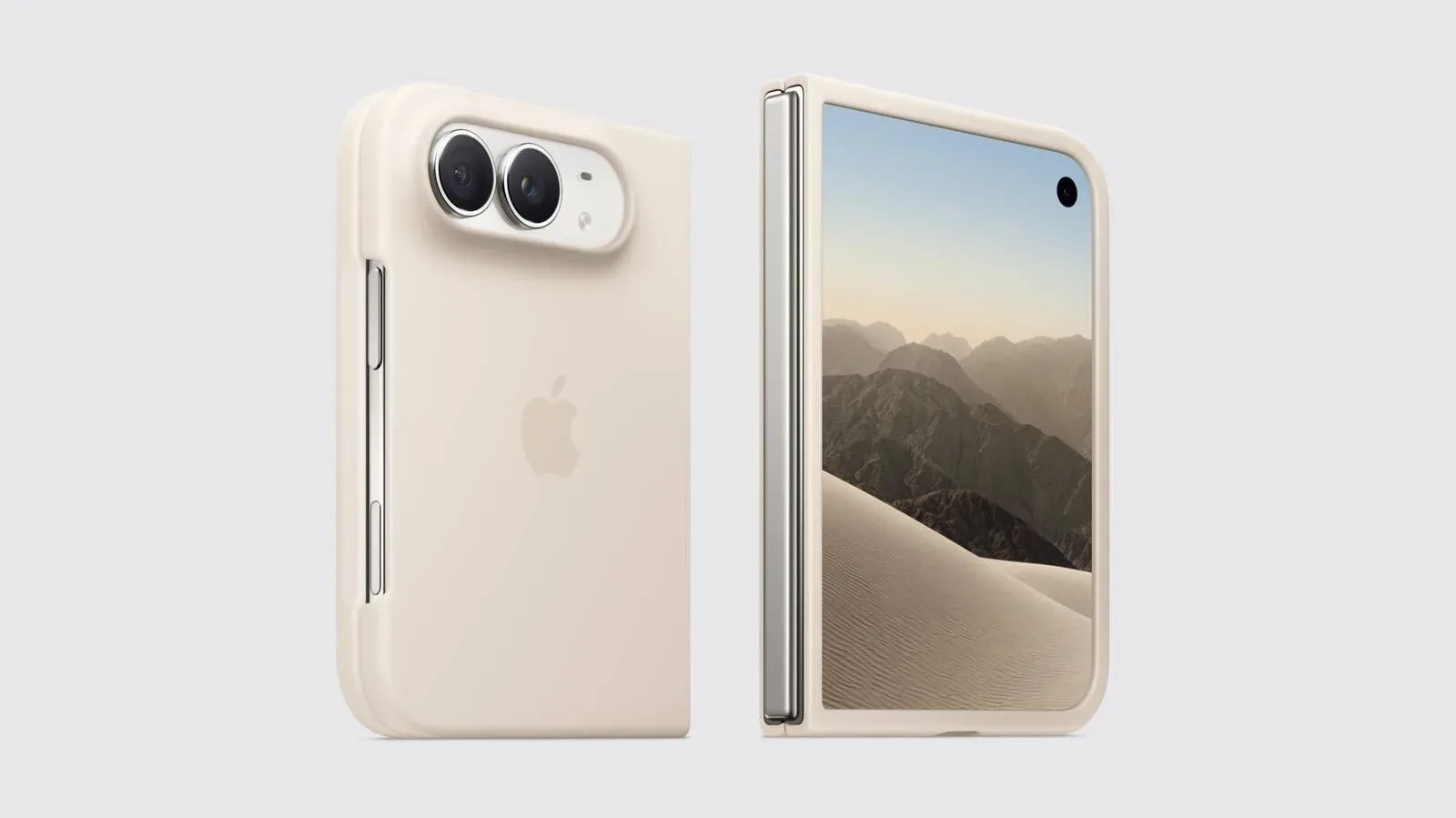
Apple’s camera and device ecosystem remains relevant to gaming audiences beyond this possible advertising shift; recent hardware reporting has also focused on iPhone Duo camera specifications and stabilization. If sponsored Visual Intelligence results do emerge, the most interesting issue will be whether that camera-first convenience stays focused on helping people find the right item instead of merely steering them toward the best-funded listing.